
Overview
This guide walks you through the key signs and considerations that indicate it’s time to part ways with your transformer. From assessing performance issues to understanding repair costs and environmental factors, we’ll help you make an informed decision about selling your used, failed, or scrap transformer. Plus, we’ll explain how the selling process works, including pickup and payment, so you can get the most value with minimal effort.
Why sell to us
Assessing Transformer Performance and Reliability
The first step in deciding whether to scrap a transformer is evaluating its current performance. Transformers that consistently underperform or cause system disruptions may no longer be cost-effective to maintain. Look for symptoms such as frequent overheating, unusual noises, voltage fluctuations, or insulation breakdown. These signs often indicate internal damage or aging components. Testing the transformer’s electrical integrity through insulation resistance measurements and turns ratio tests can provide valuable insight into its condition. If the transformer fails key tests or requires recurrent repairs, it may be time to consider scrapping it. Reliable equipment is crucial for safety and system stability, and keeping a failing transformer can lead to costly downtime.
What we buy
Understanding Repair Versus Replacement Costs
Once you identify issues with a transformer, the next step is weighing repair costs against replacement or scrapping. Some repairs, like fixing minor leaks or replacing bushings, might be economical if the transformer is otherwise in good shape. However, extensive damage to windings, core steel, or oil contamination often leads to high repair expenses. In these cases, repair costs can approach or exceed the value of a new or refurbished transformer. Scrapping the unit and recovering cash for its materials may be a smarter financial choice. Consulting with a transformer buyer who understands equipment value and scrap pricing can help you determine the best option based on current market conditions.
How it works
Environmental and Safety Considerations
Transformers contain oil and other materials that require responsible handling at end of life. If your transformer has oil leaks, PCB contamination, or other hazardous conditions, scrapping the equipment promptly is important to avoid environmental risks and regulatory penalties. Proper disposal through a professional buyer ensures compliance with environmental standards and safe removal of hazardous substances. Safety concerns such as damaged insulation or structural issues also warrant scrapping, as operating compromised transformers poses electrical hazards to workers and equipment. Prioritizing environmental and safety factors protects your facility, staff, and community.
Logistics and payment
Types of Transformers Suitable for Scrapping
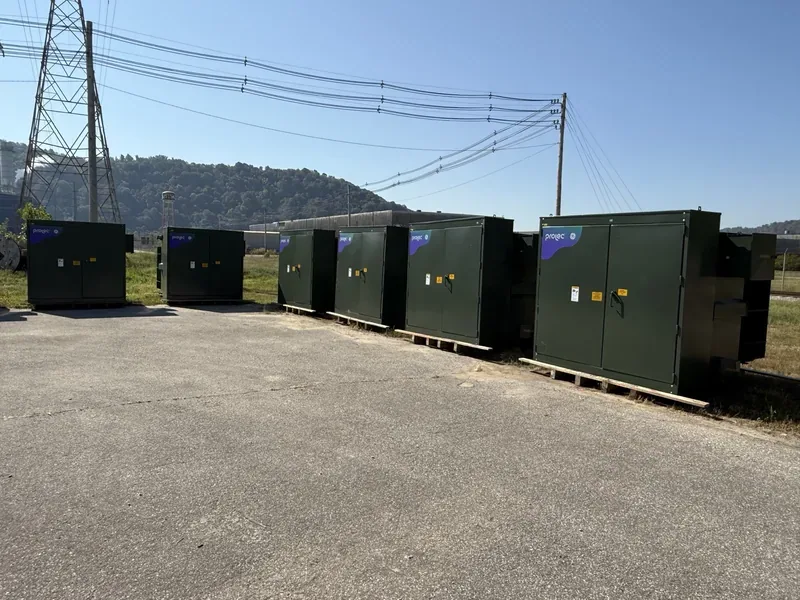
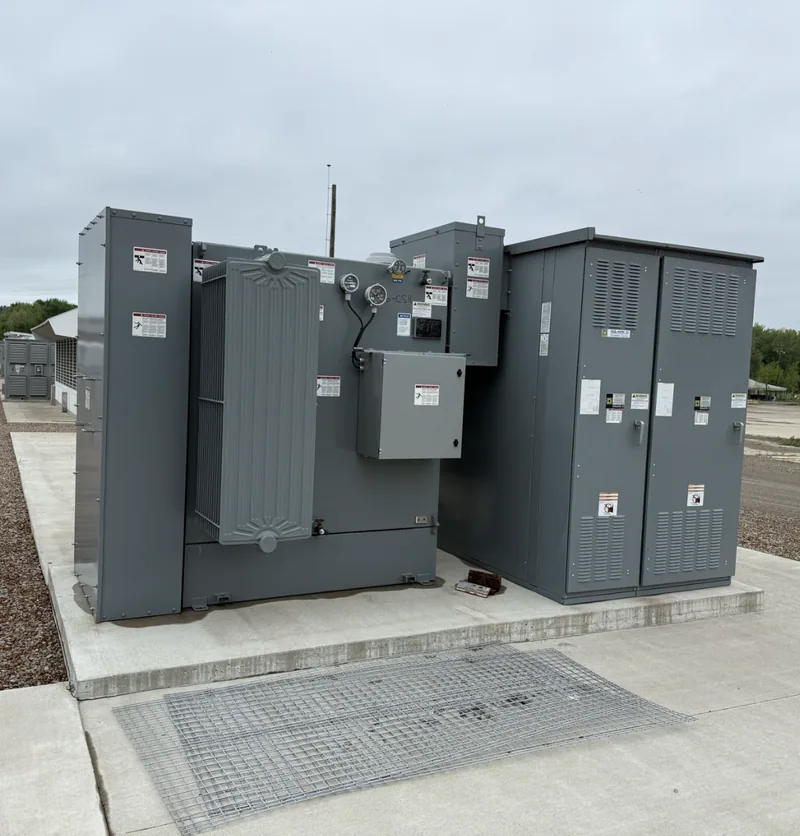
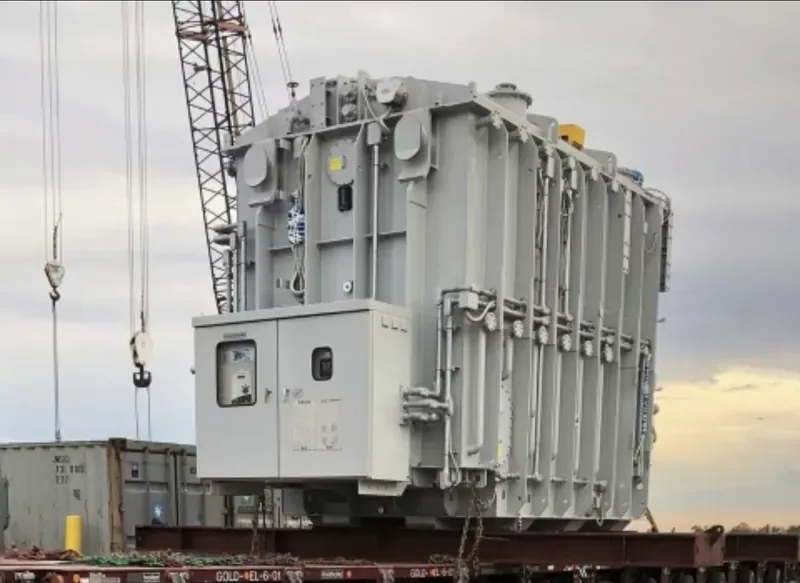
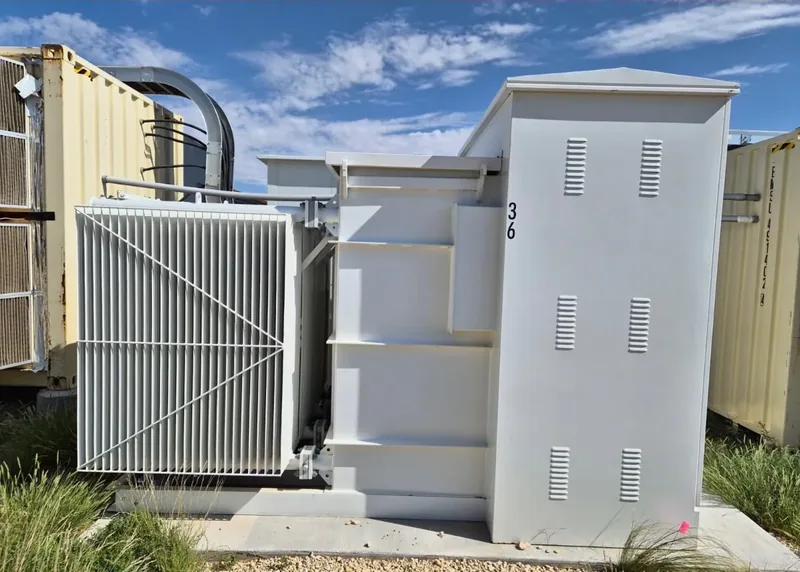
Nearly all types of transformers can be scrapped, including padmount, polemount, substation, distribution, dry-type, oil-filled, step-up or step-down, control, and industrial transformers. Each type contains valuable materials like copper or aluminum windings, steel cores, and insulating oil that have resale value even if the unit no longer functions. Scrap buyers accept working units, failed units, and scrap units because the metal content retains worth regardless of operational status. This flexibility means you can get paid for transformers that others might consider worthless. Including switchgear and unit substations in your sale can further increase your cash offer.
Detail
Preparing Your Transformer for Pickup
Before selling your transformer for scrap, it’s helpful to prepare it for pickup to streamline logistics. Clear the area around the transformer to allow safe access for rigging and freight handling. If possible, provide documentation such as nameplate details, test results, or maintenance records to assist in valuation. While you don’t need to decontaminate hazardous materials yourself, informing the buyer of any issues like oil leaks or PCB presence is important for safe handling. Arranging a pickup through a professional buyer means they handle freight, rigging, and transport, minimizing disruption to your operations. A smooth pickup process ensures you receive prompt payment without headaches.
Also worth knowing
How to Get a Fair Cash Offer Nationwide
Finding a reputable buyer who offers fair cash for used and scrap transformers across all 50 states is essential. Look for companies with expertise in transformer equipment, knowledge of market pricing for copper, aluminum, steel, and oil, and a commitment to handling logistics professionally. When you contact a buyer, be prepared to provide details about transformer type, size, condition, and location. A knowledgeable buyer will assess your information and may request photos or test reports to provide an accurate cash offer. Transparent communication ensures you understand the offer and selling process before scheduling pickup. This approach helps you maximize returns while avoiding surprises.
Condition and testing
Timing Your Sale for Maximum Value
Market prices for scrap metals and transformer materials fluctuate based on global demand and supply. While it’s not always possible to time the market perfectly, being aware of price trends can help you get better cash offers. If your transformer is failing but still operational, consider the potential impact of waiting versus selling promptly. Holding onto a failing unit can lead to further deterioration and lower value. On the other hand, if prices for copper or aluminum are rising, you might elect to delay scrapping briefly to capture higher returns. Consulting with your buyer about current market conditions can guide your timing decision.
Freight
Benefits of Selling to a Professional Transformer Buyer
Working with a professional transformer buyer offers advantages beyond just receiving cash. These buyers bring technical knowledge to accurately value your equipment, whether it’s operational, failed, or scrap. They handle all arrangements for rigging, freight, and environmental compliance, reducing your workload and risk. Nationwide service means you can sell transformers from multiple locations without managing logistics yourself. Additionally, professional buyers understand the nuances of transformer materials and market prices, ensuring you receive competitive cash offers. Selling to a trusted buyer streamlines the process, allowing you to focus on your core operations while converting unused equipment into cash.
Common questions
Questions sellers ask
How do I know if my transformer is worth repairing or scrapping?
Evaluating whether to repair or scrap depends on the severity of damage and repair costs. If testing shows major faults like winding damage or insulation failure and repair costs approach replacement value, scrapping may be more practical. Consulting a transformer buyer for a cash offer can help you decide.
Can I sell a transformer that no longer works or is leaking oil?
Yes. Buyers accept failed and scrap transformers because the metals and oil still have value. Inform the buyer about any leaks or contamination so they can safely handle disposal and comply with environmental regulations.
Do I need to remove the transformer from its location before selling?
No, professional buyers typically handle rigging and freight as part of the pickup service. Clearing access around the transformer helps but removing it yourself is not required.
What types of transformers do you buy for scrap?
We buy all types including padmount, polemount, substation, distribution, dry-type, oil-filled, step-up/step-down, control, and industrial transformers, as well as switchgear and unit substations.
How quickly can I get paid after selling a transformer?
Payment timing varies but professional buyers aim to provide prompt cash offers and pay shortly after pickup or inspection. Clear communication during the sale helps ensure timely payment.
Is it necessary to provide test reports or documentation when selling?
Providing test results or maintenance records can help buyers assess value accurately, but it is not always mandatory. Photos and basic equipment details often suffice for initial offers.
Do you buy transformers from all 50 states?
Yes, we offer nationwide service and can arrange pickups from locations across the United States, making it convenient to sell wherever your transformers are located.
Ready to move the unit?
Knowing when to scrap a transformer can simplify your operations and put cash back on your books. Whether your equipment is fully functional, failed, or scrap, we buy transformers nationwide with professional handling of pickup and payment. Contact Moses Johnson today at 954-740-1983 or electricalequipmentbuyers@gmail.com to receive a fair cash offer and schedule your hassle-free pickup.