
Overview
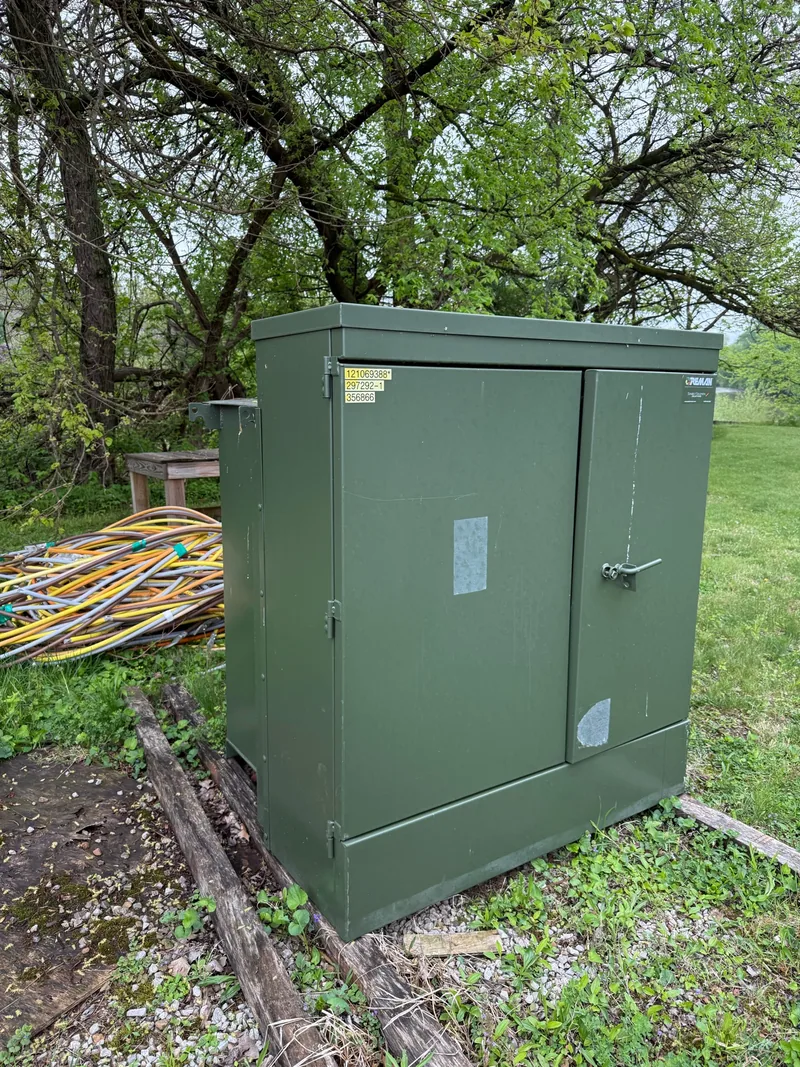
Impedance is essentially the opposition a transformer presents to the flow of alternating current, expressed as a percentage. It plays a crucial role in determining voltage drop, short-circuit currents, and the ability to operate transformers in parallel. When we evaluate working transformers for purchase, specifications such as impedance, kVA rating, and voltage class are key factors in our assessment. We buy a wide variety of transformers nationwide, from standard distribution units to specialized industrial models. Whether you are clearing out a substation or upgrading your plant's power infrastructure, our team is ready to provide a competitive cash offer and handle all the associated logistics.
Why sell to us
What is Transformer Impedance?
Transformer impedance, often denoted as %Z on the nameplate, is a measure of the internal voltage drop of the transformer when operating at full load. It is a combination of the transformer's resistance (due to the windings) and reactance (due to magnetic leakage). The percentage value represents the amount of primary voltage required to circulate full-load current through the secondary winding when the secondary is short-circuited.
This specification is not just a theoretical number; it has profound practical implications for the design and operation of electrical systems. Engineers carefully select transformers with specific impedance values to ensure system stability, limit fault currents, and maintain acceptable voltage regulation across the network. Transformer impedance, often denoted as %Z on the nameplate, is a measure of the internal voltage drop of the transformer when operating at full load. It is a combination of the transformer's resistance (due to the windings) and reactance (due to magnetic leakage). The percentage value represents the amount of primary voltage required to circulate full-load current through the secondary winding when the secondary is short-circuited.
This specification is not just a theoretical number; it has profound practical implications for the design and operation of electrical systems. Engineers carefully select transformers with specific impedance values to ensure system stability, limit fault currents, and maintain acceptable voltage regulation across the network. Transformer impedance, often denoted as %Z on the nameplate, is a measure of the internal voltage drop of the transformer when operating at full load. It is a combination of the transformer's resistance (due to the windings) and reactance (due to magnetic leakage). The percentage value represents the amount of primary voltage required to circulate full-load current through the secondary winding when the secondary is short-circuited.
This specification is not just a theoretical number; it has profound practical implications for the design and operation of electrical systems. Engineers carefully select transformers with specific impedance values to ensure system stability, limit fault currents, and maintain acceptable voltage regulation across the network. Transformer impedance, often denoted as %Z on the nameplate, is a measure of the internal voltage drop of the transformer when operating at full load. It is a combination of the transformer's resistance (due to the windings) and reactance (due to magnetic leakage). The percentage value represents the amount of primary voltage required to circulate full-load current through the secondary winding when the secondary is short-circuited.
This specification is not just a theoretical number; it has profound practical implications for the design and operation of electrical systems. Engineers carefully select transformers with specific impedance values to ensure system stability, limit fault currents, and maintain acceptable voltage regulation across the network.
What we buy
The Role of Impedance in Short-Circuit Currents
One of the most critical functions of transformer impedance is limiting the magnitude of short-circuit currents. In the event of a fault on the secondary side of the transformer, the impedance acts as a bottleneck, restricting the amount of current that can flow from the primary source to the fault location.
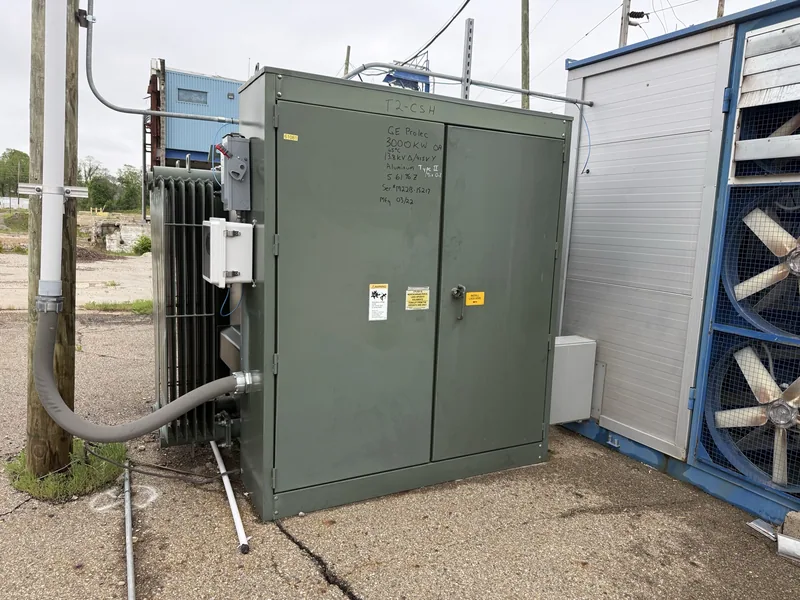
A higher impedance value means the transformer will allow less short-circuit current to pass through. This is vital for protecting downstream equipment, such as switchgear and circuit breakers, from catastrophic damage. When evaluating surplus transformers, units with impedance values tailored for specific industrial applications often hold significant value.
How it works
Impedance and Voltage Regulation
While high impedance is beneficial for limiting fault currents, it comes with a trade-off in voltage regulation. Voltage regulation refers to the transformer's ability to maintain a constant secondary voltage as the load varies from zero to full capacity. A transformer with high impedance will experience a larger voltage drop under heavy load conditions.
Conversely, a low-impedance transformer provides better voltage regulation, ensuring that the voltage supplied to the connected equipment remains relatively stable. The choice of impedance is always a balancing act between limiting fault currents and maintaining optimal voltage levels for the facility's operations.
Logistics and payment
Parallel Operation of Transformers
In many large industrial facilities and substations, transformers are operated in parallel to increase total capacity or provide redundancy. For transformers to share the load proportionally when connected in parallel, their impedance values must be closely matched. If the impedances differ significantly, the transformer with the lower impedance will take on a disproportionate share of the load, potentially leading to overheating and failure.
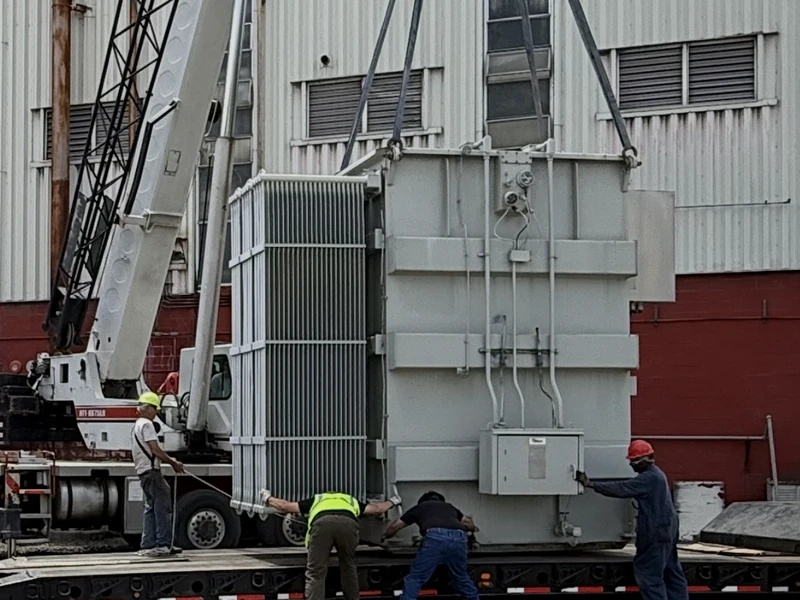
When we purchase surplus transformers from facilities that are upgrading or decommissioning parallel systems, we often acquire multiple units with identical specifications. These matched sets are highly desirable in the secondary market, and our cash offers reflect the added value of acquiring complete, compatible systems.
Detail
Locating the Impedance Value on Your Equipment
The impedance value is a standard piece of information required on all transformer nameplates. It is typically listed as '% Impedance' or simply '%Z'. When you are preparing to sell your surplus equipment, locating this information is a helpful step in the evaluation process.
Providing clear, legible photos of the transformer nameplates is the most efficient way to communicate technical specifications to our team. The nameplate contains all the vital data—including kVA, primary and secondary voltages, winding material, and impedance—that we need to accurately assess the equipment and formulate a competitive offer.
Also worth knowing
How Impedance Affects the Value of Surplus Transformers
For transformers that are in working condition and suitable for reuse, the impedance value can influence their marketability. Standard impedance values are generally preferred for typical distribution applications, while specialized high-impedance or low-impedance units may be sought after for specific industrial processes.
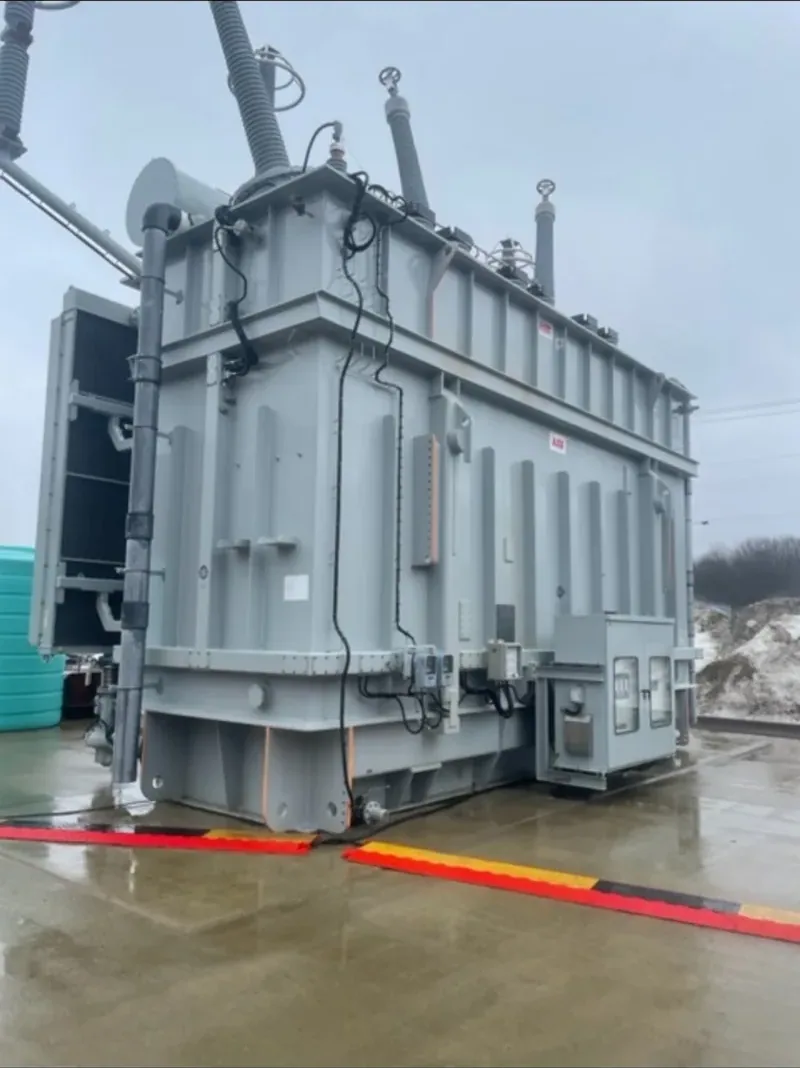
However, if a transformer has failed or is being sold for scrap, the impedance value becomes irrelevant to its worth. In these cases, the value is derived entirely from the raw materials—the copper or aluminum windings, the core steel, and the oil. We buy transformers in all conditions, ensuring that you receive a fair return whether the unit is destined for reuse or recycling.
Condition and testing
Streamlining the Sale of Your Electrical Assets
Navigating the technical specifications of surplus electrical equipment can be complex, but selling it shouldn't be. Our specialized focus on purchasing transformers means we understand the nuances of specifications like impedance, kVA, and voltage classes. We leverage this expertise to provide a smooth, efficient transaction for our clients.
From the initial evaluation based on your nameplate photos to the final removal of the equipment from your site, we handle every detail. Our nationwide logistics network ensures that we can safely and promptly remove transformers from any location across all 50 states, freeing up your space and capital.
Related terms
Common questions
Questions sellers ask
Where can I find the impedance value of my transformer?
The impedance value is listed on the transformer's manufacturer nameplate. Look for a field labeled '% Impedance', '%Z', or simply 'Imp'. It is expressed as a percentage, such as 5.75%.
Does the impedance value matter if I am selling a broken transformer?
No, if the transformer has failed and is being sold for scrap, the impedance value does not affect the price. The cash offer will be based on the recoverable value of the internal metals, such as copper, aluminum, and steel.
Why do transformers operating in parallel need matching impedance?
Transformers in parallel must have matching impedance so they share the electrical load equally. If they don't match, the unit with lower impedance will draw more current and could overheat or fail.
Do you buy transformers with non-standard impedance values?
Yes, we buy transformers with all types of specifications, including non-standard or highly specialized impedance values. We evaluate each unit based on its overall characteristics and condition.
What information do you need to make an offer on my surplus transformers?
The best way to get an accurate offer is to send us clear photos of the transformer and its nameplate. The nameplate provides the kVA, voltages, impedance, and winding material we need for our evaluation.
Ready to move the unit?
Understanding the technical specifications of your surplus equipment, such as transformer impedance, highlights the complexity of these vital electrical assets. When it is time to decommission, upgrade, or clear out obsolete units, partnering with a knowledgeable buyer ensures you receive maximum value. We purchase all types of transformers, from standard distribution units to specialized industrial models, across all 50 states. Let us handle the evaluation, freight, and rigging so you can focus on your core operations. Call 954-740-1983 or email electricalequipmentbuyers@gmail.com today to receive a cash offer for your surplus transformers.