
Overview
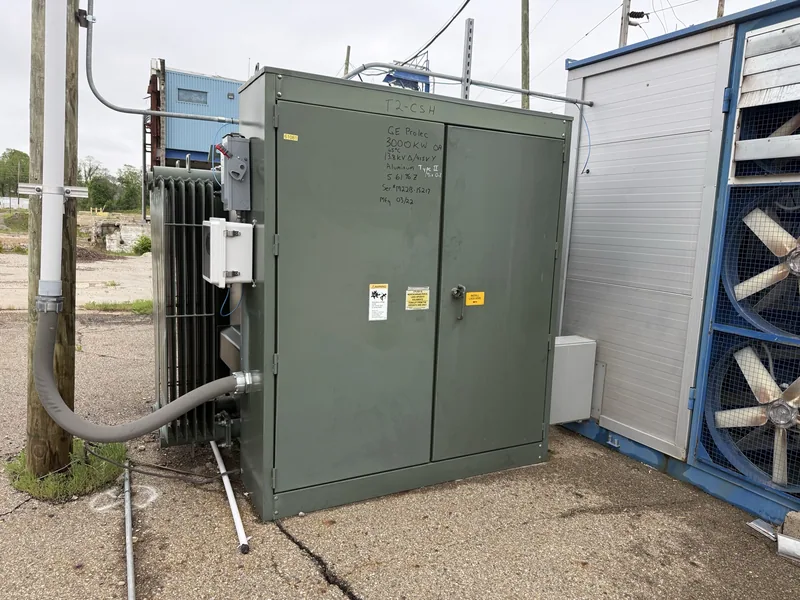
This fundamental design difference makes them exceptionally safe for indoor installations, as they eliminate the risks associated with oil leaks, spills, and catastrophic fires. You will frequently find these units housed inside commercial buildings, manufacturing plants, schools, hospitals, and data centers, where safety and environmental compliance are paramount. For electrical contractors, facility managers, and demolition crews, encountering surplus or decommissioned dry-type transformers is a routine part of building renovations, plant closures, and system upgrades. Whether these units are fully operational or have suffered a catastrophic failure, they represent a significant financial asset. The heavy copper or aluminum coils and the substantial steel cores within these enclosures hold considerable value in the secondary market. We specialize in purchasing used, surplus, and scrap dry-type transformers from businesses nationwide, providing a seamless process to convert your idle electrical equipment into a competitive cash offer while managing all the heavy lifting and freight logistics.
Why sell to us
The Mechanics of Dry-Type Transformers
At its core, a dry-type transformer operates on the same principles of electromagnetic induction as any other transformer. It consists of primary and secondary windings wrapped around a laminated magnetic steel core. When alternating current flows through the primary winding, it creates a fluctuating magnetic field in the core, which in turn induces a voltage in the secondary winding. The ratio of the number of turns in the primary coil to the number of turns in the secondary coil determines whether the voltage is stepped up or stepped down.
The defining characteristic of a dry-type transformer is its cooling mechanism. Because there is no dielectric oil to absorb and transfer heat, the coils and core are exposed directly to the surrounding air. The transformer is typically housed in a ventilated steel enclosure, often referred to as a cabinet, which features louvers or grills to allow natural convection. As the internal components heat up, the hot air rises and exits through the top vents, drawing cooler ambient air in through the bottom.
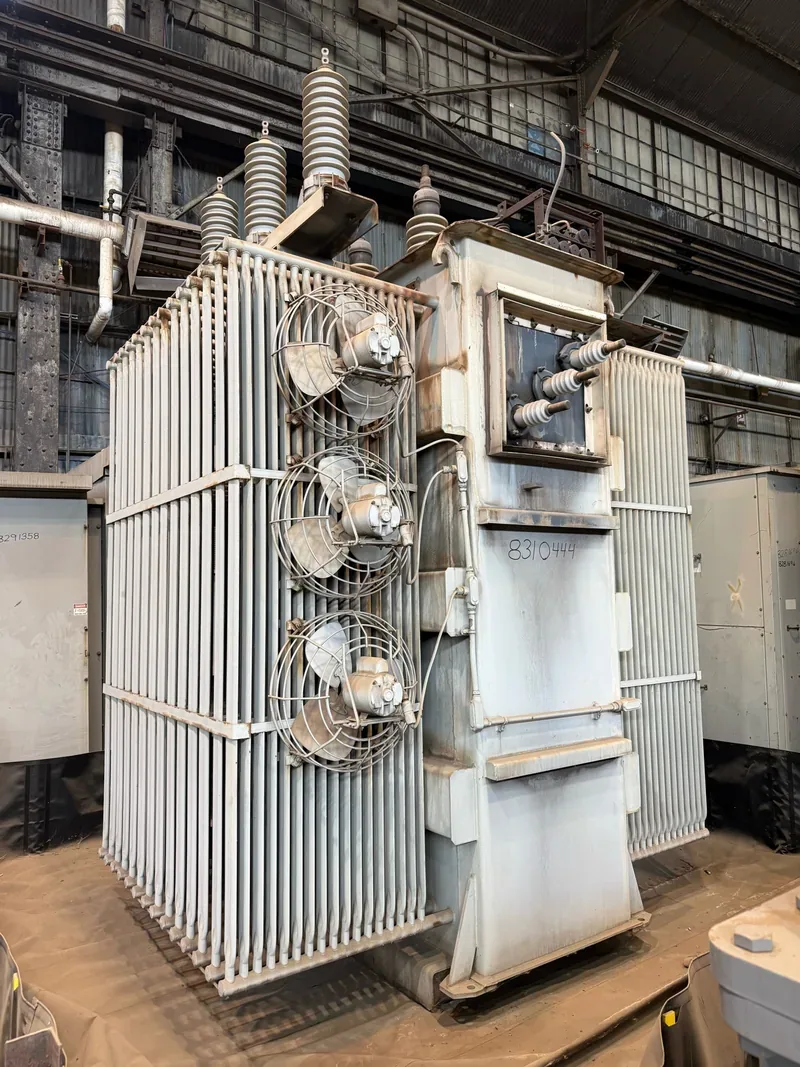
In applications where the transformer operates near its maximum capacity or in environments with high ambient temperatures, natural convection may not be sufficient. In these cases, forced-air cooling is employed using built-in fans. These fans increase the airflow across the coils, significantly enhancing the unit's cooling capacity and allowing it to handle heavier electrical loads without exceeding safe operating temperatures. Understanding these cooling mechanisms is important when evaluating the condition and potential reuse value of a surplus unit.
What we buy
Insulation Systems and Temperature Ratings
Because dry-type transformers lack the insulating properties of mineral oil, they rely entirely on solid insulation materials to prevent electrical arcing and short circuits between the windings. The quality and durability of this insulation system are critical to the transformer's lifespan and reliability. The insulation must be capable of withstanding high operating temperatures, electrical stress, and environmental factors such as humidity and dust.
The National Electrical Manufacturers Association (NEMA) classifies dry-type transformer insulation systems based on their maximum allowable operating temperatures. Common temperature classes include 150°C, 180°C, and 220°C. A higher temperature rating indicates that the insulation can endure greater heat without degrading, which generally translates to a more robust and longer-lasting transformer. The temperature rise—the difference between the ambient temperature and the maximum temperature of the windings under full load—is also a key specification listed on the unit's nameplate.
When a dry-type transformer fails, it is often due to the breakdown of this solid insulation. Overloading, poor ventilation, or the accumulation of conductive dust can cause the windings to overheat, eventually leading to an insulation failure and a short circuit. Even when a transformer has failed in this manner, it retains substantial value. The copper or aluminum conductors and the steel core remain intact and can be fully recovered. We purchase these failed units, recognizing the intrinsic value of their raw materials regardless of the condition of the insulation.
How it works
Common Applications and Environments
The primary advantage of dry-type transformers is their safety profile, which dictates where they are most commonly installed. Because they contain no flammable liquids, they do not require the expensive fire-rated vaults, catch basins, or complex fire suppression systems mandated for indoor oil-filled transformers. This makes them the standard choice for stepping down voltage inside commercial and institutional buildings.
You will typically find dry-type transformers in electrical rooms, basements, or even mounted on walls or ceilings in facilities such as office towers, shopping malls, hospitals, and schools. They are used to step down the 480V distribution voltage within the building to the 120/208V required for lighting, standard receptacles, and sensitive electronic equipment. In industrial settings, they are often used to isolate specific pieces of machinery or to provide control power for automated manufacturing lines.
During major building renovations, tenant fit-outs, or complete facility demolitions, these transformers are frequently disconnected and removed. Electrical contractors often find themselves responsible for disposing of these heavy, bulky units. Rather than paying to have them hauled away as general debris, contractors can sell them to specialized buyers. We understand the environments these transformers come from and the logistical challenges involved in removing them from tight indoor spaces, and we structure our purchasing process to accommodate these realities.
Logistics and payment
Cast Resin vs. Vacuum Pressure Impregnated (VPI)
Dry-type transformers are manufactured using different construction techniques to suit various environmental conditions. Two of the most common types are Vacuum Pressure Impregnated (VPI) and Cast Resin transformers. VPI transformers feature coils that are wound and then placed in a vacuum chamber. A specialized varnish or polyester resin is introduced under pressure, ensuring that the insulating material penetrates deep into the windings, eliminating air voids and providing excellent mechanical strength and moisture resistance.
Cast Resin transformers, on the other hand, have their primary and secondary windings completely encased in a solid block of epoxy resin. This casting process creates a transformer that is highly resistant to moisture, chemical fumes, and heavy dust accumulation. Cast resin units are often used in harsher environments, such as chemical plants, paper mills, or coastal installations where salt spray is a concern. They also offer superior short-circuit strength compared to standard VPI units.
Both VPI and Cast Resin transformers hold significant value in the secondary market. However, the cast resin units present unique challenges when it comes to recycling, as the epoxy block must be mechanically broken down to access the valuable copper or aluminum coils inside. Despite this added complexity, we actively purchase both types of dry-type transformers. Our extensive experience allows us to accurately assess the material content and provide a fair cash offer, regardless of the specific manufacturing technique used.
Detail
Evaluating the Value of Surplus Dry-Type Units
Determining the value of a used or surplus dry-type transformer involves analyzing several key factors. The most critical element is the material used for the windings. Transformers wound with copper are significantly heavier and command a much higher price than those wound with aluminum, due to the higher market value of copper as a commodity. The weight of the silicon steel core and the steel enclosure also contribute to the overall valuation.
The operational status of the transformer is another major consideration. Units that are relatively new, in excellent physical condition, and capable of passing standard electrical tests can often be repurposed and sold as working equipment. These functional transformers are highly sought after by facilities looking for cost-effective replacements or temporary power solutions, and they are priced accordingly. Conversely, older units, or those with burnt windings or severe physical damage, are valued strictly based on their scrap metal content.
To provide an accurate offer, we rely on the information found on the transformer's nameplate. The nameplate details the kVA rating, primary and secondary voltages, phase, weight, and crucially, whether the unit is wound with copper (often denoted as "CU") or aluminum ("AL"). By reviewing clear photographs of the nameplate and the overall unit, we can quickly calculate a competitive cash offer that reflects the true market value of your equipment, ensuring you receive the maximum return on your assets.
Also worth knowing
The Logistics of Removal and Freight
One of the biggest challenges in selling surplus dry-type transformers is the logistics of getting them out of the building and onto a truck. Unlike polemount or padmount transformers, which are typically located outdoors and easily accessible by cranes or large forklifts, dry-type units are often situated deep inside facilities. They may be located in basement electrical rooms, on upper floors accessible only by freight elevators, or in tight spaces with limited clearance.
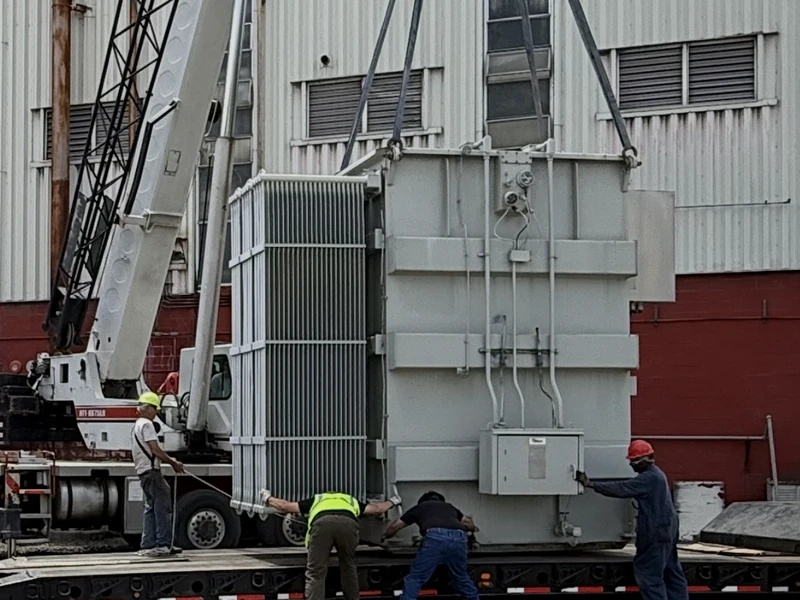
Removing these units requires careful planning, specialized rigging equipment, and experienced personnel. While we do not provide the on-site labor to disconnect or extract the transformers from the building, we work closely with your contractors or rigging teams to coordinate the freight once the units are moved to a loading dock or exterior staging area. We understand the constraints of commercial building operations and strive to schedule pickups that minimize disruption to your ongoing projects.
Once the transformers are staged and ready for transport, we handle all the freight arrangements. We dispatch the appropriate flatbed trucks or enclosed trailers to your location, anywhere in all 50 states. Our comprehensive cash offers include the cost of this transportation, meaning there are no hidden freight deductions or surprise fees. We manage the logistics from your loading dock to our processing facilities, ensuring a smooth and efficient transaction.
Condition and testing
Why Partner with a Specialized Buyer
When faced with the task of disposing of surplus dry-type transformers, businesses often consider local scrap yards as the easiest solution. However, general scrap yards are rarely equipped to accurately value complex electrical equipment. They typically weigh the entire unit and pay a low, blended rate for mixed steel, completely ignoring the high-value copper or aluminum hidden inside the enclosure. This approach results in a significant loss of potential revenue for your company.
Partnering with a specialized transformer buyer ensures that you are compensated for the true value of your equipment. We possess the industry knowledge to differentiate between copper and aluminum windings, assess the potential for equipment reuse, and accurately calculate the scrap value of failed units. Our specialized focus allows us to offer prices that consistently outperform general scrap dealers, turning your decommissioned assets into a meaningful source of capital.
Furthermore, our nationwide reach and streamlined processes save you time and administrative effort. You don't need to waste resources calling multiple local yards, negotiating prices, or arranging your own transportation. We provide a single point of contact, fast valuations based on your photos, and reliable freight coordination. By choosing a specialized buyer, you optimize your asset recovery process and ensure that your surplus electrical equipment is handled professionally and profitably.
Common questions
Questions sellers ask
How can I tell if my dry-type transformer has copper or aluminum windings?
The most reliable way to determine the winding material is to check the transformer's nameplate. Look for designations such as "CU" for copper or "AL" for aluminum. If the nameplate is missing or illegible, you may be able to inspect the exposed bus bars or connections inside the enclosure; copper will have a distinct reddish-brown color, while aluminum will be silver-gray.
Do you buy dry-type transformers that have been damaged in a fire or flood?
Yes, we purchase dry-type transformers in any condition, including those that have sustained severe fire or water damage. While these units cannot be reused as equipment, the internal copper or aluminum coils and the steel core still hold significant scrap value. We will evaluate the damaged units and provide an offer based on their recoverable materials.
What is the difference between a dry-type transformer and a padmount transformer?
The primary difference is the cooling and insulation method. Dry-type transformers use air for cooling and solid materials for insulation, making them safe for indoor use. Padmount transformers are filled with dielectric oil for cooling and insulation, and are designed in tamper-resistant enclosures for outdoor installation on concrete pads.
Do I need to remove the transformer from its steel enclosure before selling it?
No, you do not need to dismantle the transformer or remove it from its NEMA enclosure. We purchase the complete units exactly as they are removed from service. Our processing facilities are equipped to safely and efficiently dismantle the enclosures and separate the valuable internal components.
How do I get a cash offer for my surplus dry-type transformers?
Getting an offer is simple. Take clear photographs of the nameplates on each transformer, along with wide shots showing the overall condition of the enclosures. Email these photos to us, along with the location of the equipment. We will review the specifications and quickly provide a competitive cash offer.
Do you cover the cost of shipping the transformers from my facility?
Yes, we handle and pay for all freight and transportation costs. Once you accept our cash offer and move the transformers to a loading dock or accessible staging area, we will coordinate the dispatch of the necessary trucks to pick up the equipment from your location, anywhere nationwide.
Ready to move the unit?
Disposing of surplus, obsolete, or failed dry-type transformers should be a profitable endeavor. Whether you are an electrical contractor clearing out a commercial renovation project, a facility manager upgrading power infrastructure, or a demolition company dismantling a plant, these heavy units represent significant locked-in capital. We are dedicated to providing an efficient process that maximizes your return on these assets. We buy dry-type transformers in all conditions, offering competitive pricing based on deep industry expertise and handling all freight logistics on your behalf. Don't leave money on the table by sending valuable electrical equipment to a general scrap yard. Contact us today to turn your idle transformers into a cash offer. Call or email us at 954-740-1983 or electricalequipmentbuyers@gmail.com.