
Overview
Owner Moses Johnson understands that these are not small warehouse items. Substation transformers involve weight, oil, bushings, radiators, controls, cranes, lowboy freight and scheduling around an energized facility. Our role is to buy the transformer from you, coordinate the practical removal details, and arrange pickup so your team can clear the space without turning the asset into a long internal project.
Why sell to us
We Buy Substation Transformers in Working, Failed and Scrap Condition
A substation transformer still has value even when it is no longer useful to the facility that owns it. A working unit that can pass electrical testing may be evaluated as reusable equipment. A failed unit is evaluated differently, but it is not worthless. The copper or aluminium windings, core steel, tank, radiators and transformer oil all matter when determining a purchase offer.
Transformers Buyers looks at the full picture instead of treating every substation transformer as generic scrap. A clean, complete, recently removed transformer with intact bushings and readable nameplate information is very different from a burned, partially stripped unit with missing parts. Both may be worth money, but the condition changes the buyer risk, handling cost and final value.
Many sellers contact us after a utility upgrade, plant expansion, emergency failure, substation retirement, insurance cleanup or contractor change order. Whether the transformer is still on a pad, sitting on skids, staged at a laydown yard, or loaded on a trailer, we can review the details and explain what is needed to quote it.
What we buy
What Counts as a Substation Transformer
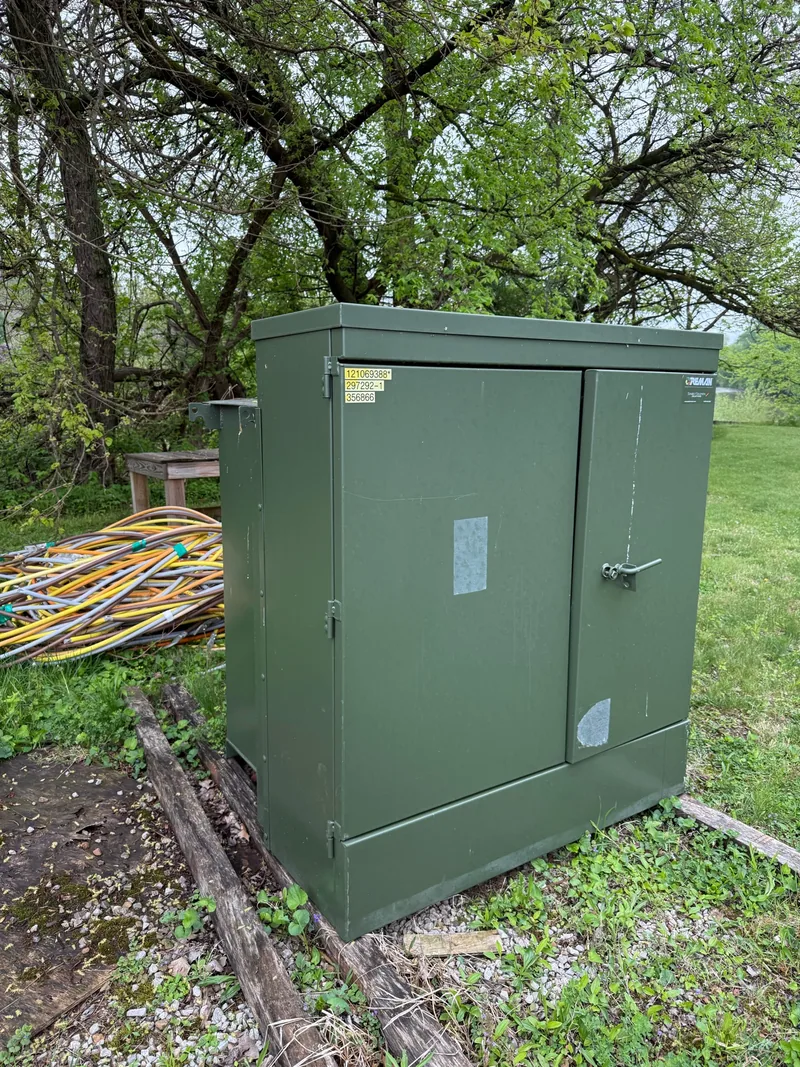
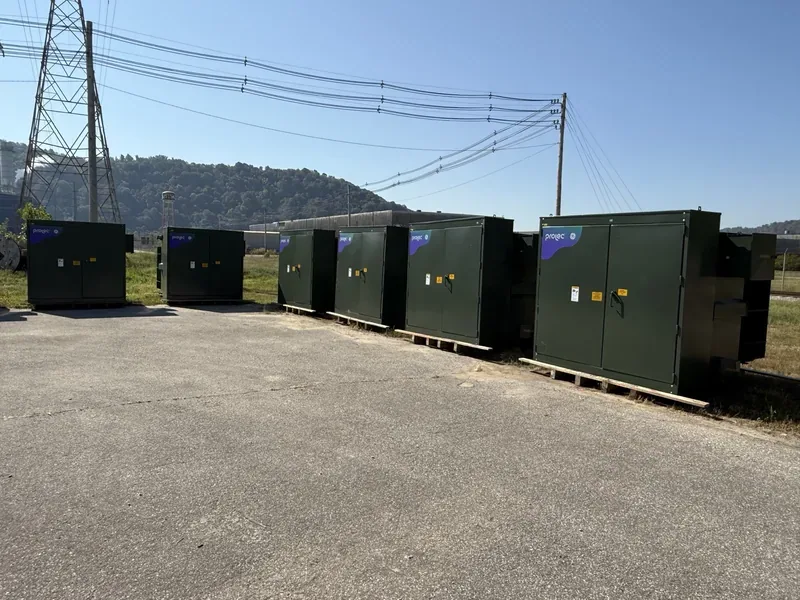
Substation transformers are the larger power transformers used to step voltage up or down between a utility feed, private distribution system, industrial process load, generation source or campus electrical network. They are commonly found at utility substations, manufacturing plants, mills, refineries, mining operations, hospitals, universities, rail systems, airports, solar farms, wind projects and large commercial sites.
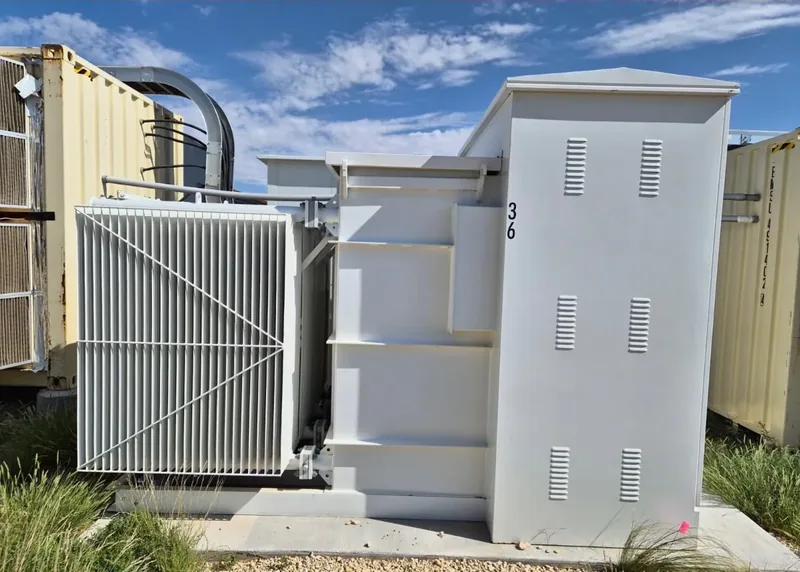
Typical equipment may include liquid filled three phase transformers, pad mounted substation units, station service transformers, mobile substation transformers, rectifier duty transformers, network transformers and large dry type units used in substation rooms. Many are mineral oil filled, while others may use less flammable fluids. Some have conservator tanks, nitrogen blankets, load tap changers, fans, pumps, controls, gauges and radiator banks.
The transformer may be connected to outdoor switchgear, metal enclosed gear, bus duct, cable terminations or overhead conductors. Even when a unit appears simple from the outside, the internal design, insulation system, winding material and voltage class can make a significant difference in how it is valued and handled.
How it works
Common kVA, MVA and Voltage Classes We Review
Substation transformers can range from smaller distribution class units in the hundreds of kVA up through multi MVA power transformers used by utilities and heavy industry. Common ratings include 500 kVA, 750 kVA, 1,000 kVA, 1,500 kVA, 2,500 kVA, 3,750 kVA, 5 MVA, 10 MVA, 20 MVA and larger. A higher rating does not automatically mean a higher net offer, but it usually means more material, more freight planning and a more detailed review.
Voltage class also matters. We regularly review units with primary and secondary voltages such as 4.16 kV, 12.47 kV, 13.2 kV, 13.8 kV, 24.9 kV, 34.5 kV, 69 kV and higher, along with low voltage secondary outputs for plant distribution. BIL ratings, impedance, tap range, cooling class, phase, frequency and vector group can all affect whether a working transformer is attractive as equipment or better suited for material recovery.
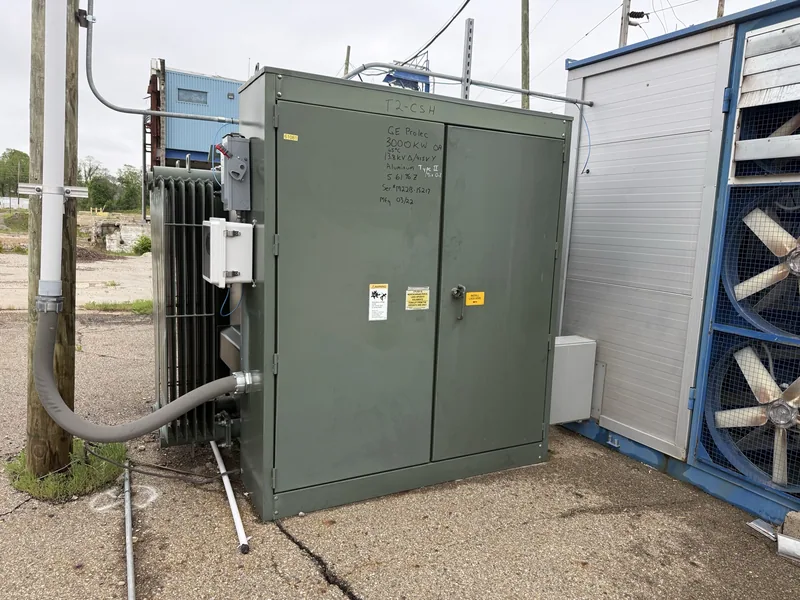
For a seller, the most useful starting point is the nameplate. A clear photograph can tell us manufacturer, serial number, kVA or MVA, high side voltage, low side voltage, oil gallons, total weight, winding connection, impedance, tap changer data and cooling class. If the nameplate is missing, we can still review the unit, but the process is easier when the core data is visible.
Logistics and payment
What Makes a Substation Transformer Worth More
Condition is one of the largest drivers of value. A transformer removed in working condition, stored upright, complete with bushings, gauges, fans, controls and radiators, and supported by recent electrical testing is usually evaluated more favorably than a unit removed after an internal fault. Test reports such as power factor, turns ratio, insulation resistance, winding resistance, oil analysis and dissolved gas analysis can help show whether the transformer has a practical future as equipment.
Winding material is another important factor. Copper windings typically carry more material value than aluminium windings, although both can have value. Size, core steel, tank weight, fluid volume, completeness and removal condition all influence the offer. A transformer with missing radiators, broken porcelain, cut leads, water intrusion or unknown oil condition may still be purchased, but those issues affect handling and risk.
Age is considered, but it is not the only factor. An older transformer that was well maintained, dry inside, properly stored and complete can be more appealing than a newer unit with severe damage. Oil condition, PCB status if known, bushing integrity, tap changer condition, leaks, corrosion, prior overload history and whether the unit is currently energized or already disconnected all help shape the evaluation.
Detail
How Removal, Rigging and Freight Are Handled
Substation transformer removal starts with understanding what is physically involved. The unit may need to be isolated, de-energized, disconnected, drained or capped, lifted from a pad, skidded out of a fenced yard, moved through a plant, or loaded by crane onto a specialized trailer. Transformers Buyers coordinates pickup and freight planning so the equipment can leave your location in an orderly way.
The seller should always have qualified electrical personnel handle de-energizing, lockout, grounding and disconnection on the facility side. Once the transformer is ready for removal, rigging and transport can be arranged based on weight, dimensions, access, overhead clearance, ground conditions and loading options. Heavy units may require cranes, hydraulic gantries, forklifts, jacks, skates, cribbing, lowboy trailers or permitted heavy haul transportation.
Oil filled transformers require attention to valves, leaks, containment and environmental handling. Some units travel with oil in the tank, while others may need fluid removed depending on condition, transport requirements and site rules. We discuss these details before pickup so there is a practical plan for getting the transformer out without confusion on the day of loading.
Also worth knowing
What to Photograph Before Requesting a Cash Offer
Good photographs help us quote faster and avoid repeated questions. Start with the main nameplate, taken close enough to read every line. We want to see kVA or MVA, primary voltage, secondary voltage, serial number, manufacturer, impedance, phase, frequency, cooling class, oil gallons, total weight, tap information and any special rating notes. If there are separate plates for the load tap changer, bushings, fans or control cabinet, photograph those as well.
Next, photograph the whole transformer from all sides. Include radiators, bushings, conservator or nitrogen equipment, gauges, fans, control cabinet, grounding pads, valves, leaks, damaged areas and the base. Wide photos showing access roads, gates, overhead lines, pad layout and nearby obstructions are also useful because logistics affect the net offer.
If the unit failed, show the failure area if visible, but do not open energized or unsafe equipment for pictures. If the transformer has been disconnected and moved, show how it is stored and whether the bushings are protected. If you have test reports, oil results, decommissioning paperwork, weight tickets or rigging notes, those documents can help refine the evaluation.
Condition and testing
A Straightforward Buying Process for Companies
The process begins when you send the equipment details, photographs and location. We review the transformer as a buyer, not as a broker asking you to list it and wait. If the unit fits what we purchase, we provide a cash offer based on condition, size, material content, logistics and current demand for that style of transformer.
After a price is accepted, we coordinate paperwork, pickup timing and site requirements. Businesses often need removal to happen within a shutdown window, after replacement equipment is energized, or before a contractor clears the job. We can work around those practical realities and discuss what must be ready before the truck or rigging crew arrives.
Transformers Buyers purchases across all 50 states and can review one transformer or multiple units from the same location. If you are clearing a substation, closing a facility, upgrading voltage service or removing failed equipment after an incident, we can help turn the transformer into recoverable value while managing the freight side of the transaction.
Other transformers we buy
Common questions
Questions sellers ask
Do you buy substation transformers that failed in service?
Yes. A failed substation transformer can still have strong recovery value because of the windings, core steel, tank, radiators and oil. The offer will depend on size, winding material, completeness, oil condition, access and the type of failure. A working unit may be priced as equipment if it can pass electrical testing, while a failed unit is usually evaluated for material recovery and rebuild potential. Send photos of the nameplate, damage, bushings and all sides of the tank so we can review it.
What nameplate information do you need for a substation transformer quote?
The most important details are kVA or MVA, primary voltage, secondary voltage, phase, frequency, impedance, manufacturer, serial number, oil gallons, total weight, cooling class and tap changer information. If the nameplate shows winding material, BIL, connection type or fluid type, include that too. A clear nameplate photo is usually better than typed notes because it reduces errors. If the plate is unreadable or missing, send wide photos, dimensions, approximate weight if known, and any old test reports or drawings.
Will you handle the freight and rigging for a large transformer?
In many situations, yes. We regularly discuss crane loading, lowboy freight, permitted transportation, site access and heavy equipment handling as part of the purchase. The exact plan depends on the transformer weight, dimensions, whether it is oil filled, where it sits, and what equipment is available on site. Your facility should use qualified personnel for electrical isolation and disconnection. Once the transformer is safe and ready to move, we can coordinate the pickup details.
Do you buy aluminium winding transformers as well as copper winding units?
Yes. Copper winding transformers usually bring more material value, but aluminium winding units are still worth reviewing. The offer depends on more than winding material alone. Size, voltage class, oil volume, core steel, tank weight, overall condition, completeness and freight cost all matter. If you do not know whether the windings are copper or aluminium, send the nameplate and any manufacturer documentation you have. We can often evaluate the likely value range from the available information.
Can you buy a transformer that is still installed in an energized substation?
We can review it before removal, but it must be properly de-energized, isolated and disconnected by qualified electrical personnel before physical pickup. Many sellers contact us during the planning stage, before a replacement transformer is installed or a shutdown is scheduled. That is often helpful because rigging, truck access and timing can be discussed early. Photos of the unit, access route, pad, gate, overhead clearance and nameplate allow us to plan a realistic pickup after the facility is ready.
Do you buy multiple substation transformers from the same site?
Yes. We can review single units, matched pairs, retired banks, spare transformers, failed units and mixed electrical equipment packages. Multiple transformers at one location may change the freight plan and can make removal more efficient. Send a photo set for each unit, including each nameplate, along with the site address or general location. If the transformers vary in size, condition or voltage class, we will evaluate them individually and then discuss the overall purchase and pickup plan.
Ready to move the unit?
If your company has a substation transformer to remove, contact Transformers Buyers before you scrap it locally or let it sit through another budget cycle. Moses Johnson can review photos, nameplate data, condition details and location, then discuss a cash offer and the practical steps for pickup. We buy working, failed, surplus and scrap substation transformers across the country. Call or email today at 954-740-1983 and electricalequipmentbuyers@gmail.com