
Overview
They are enclosed in a secure, tamper-resistant steel cabinet, making them ideal for areas where underground power distribution is preferred or required. These units are a common sight outside shopping centers, schools, hospitals, and industrial parks, quietly performing the essential task of delivering safe and usable electricity. Because of their widespread use and robust construction, padmount transformers hold significant value even after they are removed from service. Whether a facility is upgrading its electrical infrastructure, demolishing an old building, or simply replacing an aging unit, surplus padmount transformers can be liquidated for a substantial return. We specialize in purchasing these units nationwide, providing a straightforward process that turns idle equipment into capital.
Why sell to us
The Design and Construction of Padmount Transformers
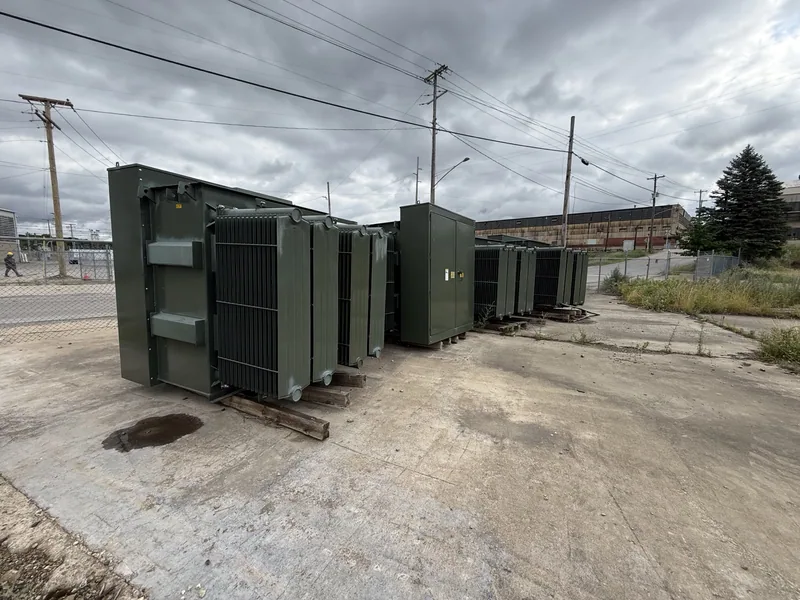
The defining characteristic of a padmount transformer is its ground-level, enclosed design. The outer cabinet is constructed from heavy-gauge steel, engineered to withstand harsh weather conditions and prevent unauthorized access to the high-voltage components inside. This tamper-resistant enclosure is crucial for public safety, as these transformers are often located in accessible areas such as parking lots and pedestrian walkways. Inside the cabinet, the transformer core and windings are typically immersed in insulating oil, which serves both to prevent electrical arcing and to dissipate the heat generated during operation.
Padmount transformers are available in both single-phase and three-phase configurations. Single-phase units are generally smaller and are used primarily for residential developments or light commercial applications. Three-phase units are significantly larger and are designed to handle the heavy electrical loads of industrial facilities, large commercial buildings, and institutional campuses. The internal components, including the copper or aluminum windings and the specialized silicon steel core, are built to endure decades of continuous use, which contributes to the enduring value of the equipment even when it is decommissioned.
What we buy
Applications and Installation Environments
Padmount transformers are the preferred choice for underground power distribution networks. In many modern urban and suburban developments, overhead power lines are considered unsightly and vulnerable to weather-related damage. By routing power lines underground and utilizing padmount transformers, utilities and developers can create a more reliable and aesthetically pleasing electrical infrastructure. These transformers are strategically placed near the buildings they serve, minimizing the distance that low-voltage power must travel and thereby reducing energy losses.
Industrial applications also rely heavily on padmount transformers. Manufacturing plants, data centers, and large-scale agricultural operations require substantial amounts of power, often necessitating multiple high-capacity transformers distributed across the site. When these facilities undergo expansion, reconfiguration, or closure, the existing padmount transformers are frequently removed. These surplus units, whether they are still fully functional or have reached the end of their operational life, represent a valuable asset that can be monetized through the secondary market.
How it works
Understanding Dead-Front vs. Live-Front Configurations
When discussing padmount transformers, it is important to understand the distinction between dead-front and live-front configurations. This terminology refers to the design of the high-voltage compartment inside the transformer cabinet. In a live-front transformer, the high-voltage connections are exposed when the cabinet doors are opened. This design requires specialized tools and extreme caution during maintenance, as the exposed components pose a significant shock hazard. Live-front units are more common in older installations and are gradually being phased out in favor of safer alternatives.
A dead-front transformer, on the other hand, features fully insulated, shielded connections in the high-voltage compartment. The cables are connected using specialized load-break elbows, which enclose the conductive elements and eliminate exposed live parts. This design dramatically increases safety for utility workers and maintenance personnel. Because of their enhanced safety features and compliance with modern standards, dead-front padmount transformers are generally more desirable and hold higher value in the secondary equipment market.
Logistics and payment
Radial Feed vs. Loop Feed Systems
Another critical specification of a padmount transformer is whether it is designed for a radial feed or a loop feed system. A radial feed transformer has a single set of high-voltage bushings and is connected to a single primary power source. If the power supply to that specific line is interrupted, the transformer and the facility it serves will lose power. Radial feed units are typically used in simpler distribution networks or at the end of a power line.
A loop feed transformer is equipped with two sets of high-voltage bushings, allowing it to be connected to two different primary power sources in a continuous loop. If one power source fails or requires maintenance, the transformer can draw power from the other direction, ensuring an uninterrupted supply of electricity to the facility. Loop feed systems provide a higher level of reliability and redundancy, making them the standard choice for commercial and industrial applications where downtime is costly. Consequently, loop feed padmount transformers are highly sought after by buyers.
Detail
The Value of Surplus Padmount Transformers
When a padmount transformer is taken out of service, its value is determined by several key factors, including its kVA rating, voltage specifications, age, and overall condition. Working units that have been removed due to facility upgrades or closures are often priced as reusable equipment. These transformers can be refurbished and placed back into service, making them highly valuable. The presence of copper windings, as opposed to aluminum, also significantly increases the worth of the unit due to the superior conductivity and higher commodity price of copper.
Even if a padmount transformer has failed or is too old to be reused, it still holds substantial scrap value. The heavy steel cabinet, the silicon steel core, and the internal windings represent thousands of pounds of recyclable metal. We evaluate surplus padmount transformers in any condition, providing a cash offer that reflects the true market value of the equipment or its raw materials. By selling your surplus units, you can offset the costs of new equipment or demolition projects.
Also worth knowing
The Process of Selling Your Padmount Transformer
Selling a surplus padmount transformer should be a straightforward and efficient process. The first step is to gather accurate information about the equipment. The most critical piece of information is the transformer nameplate, which is typically a metal tag attached to the outside or inside of the cabinet doors. The nameplate provides the kVA rating, primary and secondary voltages, weight, and winding material. Clear photographs of the nameplate, along with wide shots showing the overall condition of the cabinet, are essential for an accurate valuation.
Once we receive the photos and specifications, we quickly assess the equipment and present a competitive cash offer. If the offer is accepted, we handle all the logistical details. Padmount transformers are heavy and require specialized equipment to lift and transport. We coordinate the freight and rigging, ensuring that the unit is safely removed from your site without disrupting your ongoing operations. Our nationwide reach allows us to purchase and pick up equipment from all 50 states, providing a seamless solution for your surplus assets.
Common questions
Questions sellers ask
Do you buy padmount transformers that are no longer working?
Yes, we purchase padmount transformers in any condition, including units that have completely failed. Even non-operational transformers contain valuable metals such as copper, aluminum, and core steel. We evaluate the scrap value of the unit and provide a cash offer based on its material composition.
What is the difference between a radial feed and a loop feed padmount transformer?
A radial feed transformer connects to a single primary power source, while a loop feed transformer connects to two sources in a continuous loop, providing redundancy. Loop feed units are more common in commercial and industrial settings because they ensure a more reliable power supply. We purchase both types of configurations.
How do I find the specifications of my padmount transformer?
All the necessary specifications are located on the transformer nameplate, which is a metal tag usually riveted to the front of the cabinet or inside the doors. The nameplate lists the kVA rating, high and low voltages, total weight, and whether the windings are copper or aluminum. Sending us a clear photo of this tag is the best way to start the process.
Do you handle the removal and freight of the transformer?
Yes, we manage the entire removal process. Padmount transformers are extremely heavy and require specialized lifting equipment and flatbed transport. We coordinate the rigging and freight, ensuring the unit is safely extracted from your site, regardless of where you are located in the country.
Are copper-wound padmount transformers worth more than aluminum-wound units?
Generally, yes. Copper is a more conductive and more expensive metal than aluminum. Therefore, padmount transformers with copper windings typically command a higher price, both as reusable equipment and as scrap. The nameplate will usually indicate the winding material, allowing us to provide an accurate valuation.
Ready to move the unit?
Understanding the design and function of a padmount transformer highlights why these units are so critical to modern electrical infrastructure. It also explains why they retain such significant value long after they have been decommissioned. Whether you are managing a facility upgrade, a plant closure, or a demolition project, your surplus padmount transformers represent a valuable asset that should not be overlooked. We purchase working, repairable, and failed padmount transformers from businesses nationwide, handling all the heavy lifting and logistics. Turn your idle electrical equipment into a fast cash offer today. Call 954-740-1983 or email electricalequipmentbuyers@gmail.com to get started.