
Overview
These programs are designed to handle the influx of retired equipment, ranging from small pole-mounted units to massive substation transformers. When a transformer is removed from service, it does not simply lose its value. Whether the unit is fully operational, in need of refurbishment, or completely failed, it retains significant worth in the secondary market and through its raw materials. Managing this surplus effectively requires a strategic approach to logistics, environmental compliance, and financial recovery. For utility managers and procurement officers, understanding how to navigate the disposition of these assets can turn a logistical burden into a streamlined revenue stream. We work directly with utilities nationwide to purchase surplus transformers, providing a seamless process that clears out storage yards and returns capital to the organization.
Why sell to us
The Lifecycle of Utility Transformers
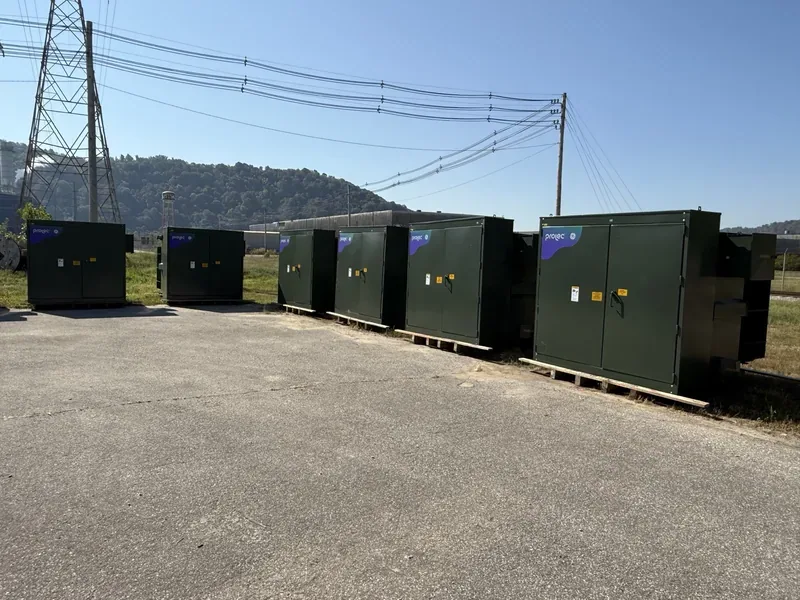
The operational lifespan of a utility transformer can span several decades, but eventually, every unit reaches a point where it must be retired. This retirement can be triggered by a variety of factors, including routine grid modernization, capacity upgrades to handle increased load, or unexpected failures caused by severe weather events. When a transformer is taken offline, it enters the surplus phase of its lifecycle. At this stage, utilities must decide how to manage the equipment, which often involves moving it to a central storage facility or laydown yard.
Once in storage, these transformers can quickly accumulate, taking up valuable space and tying up resources. A well-structured surplus program addresses this accumulation by establishing clear protocols for evaluating, categorizing, and disposing of the equipment. Some units may be kept as emergency spares, but the vast majority are slated for liquidation. By partnering with experienced buyers, utilities can efficiently clear their yards and recover value from assets that are no longer needed for active service.
What we buy
Categorizing Surplus Equipment for Disposition
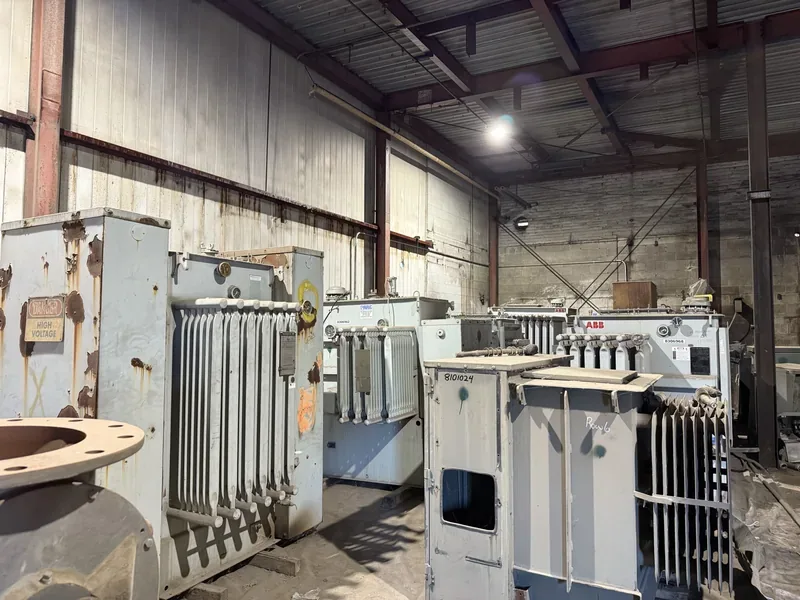
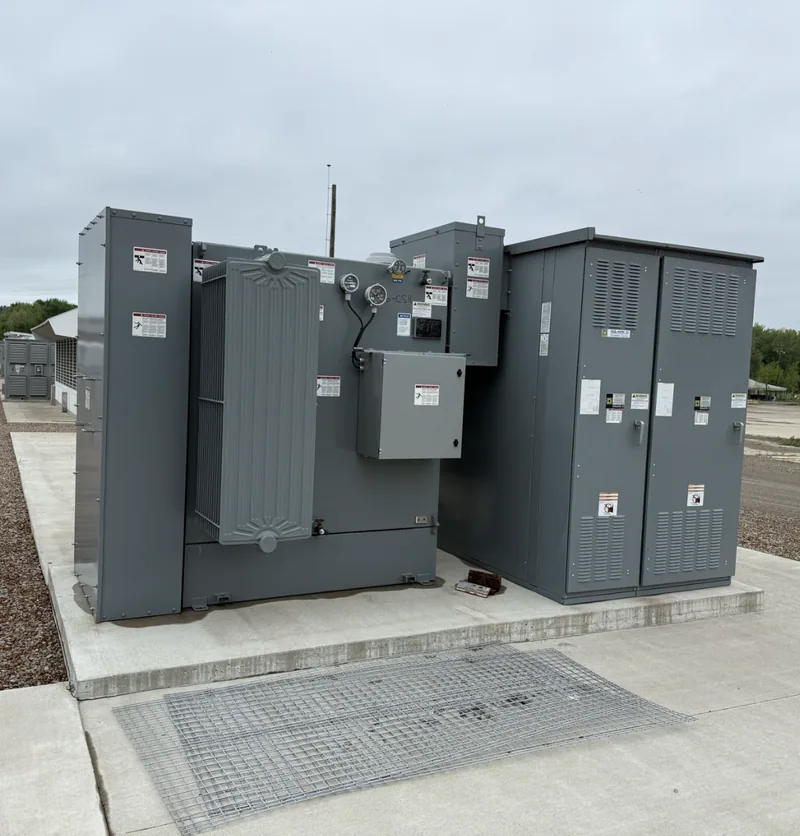
Effective surplus management begins with the accurate categorization of retired transformers. Utilities typically sort their surplus inventory into three main categories: working units, repairable units, and scrap or failed units. Working units are those that have been removed due to capacity upgrades rather than mechanical failure. These transformers often pass standard electrical testing and hold the highest value in the secondary market, as they can be repurposed for industrial applications or private power networks.
Repairable units may have minor issues, such as leaking bushings or degraded oil, but their core components remain intact. Failed units, on the other hand, have suffered catastrophic damage, such as a blown winding or a shorted core. Even in this state, failed transformers are highly valuable due to the substantial amounts of copper, aluminum, and specialized core steel they contain. We evaluate all categories of surplus equipment, offering competitive pricing based on the specific condition and material composition of each unit.
How it works
Environmental Compliance and Oil Management
One of the most complex aspects of managing utility surplus transformers is handling the insulating oil safely and in accordance with environmental regulations. Many older transformers contain mineral oil that must be tested for polychlorinated biphenyls (PCBs) before the unit can be transported or processed. Utilities bear the responsibility of ensuring that all environmental protocols are strictly followed to prevent contamination and avoid severe regulatory penalties.
A robust surplus program integrates comprehensive oil testing and management into the disposition process. When we purchase surplus transformers from utilities, we prioritize environmental compliance at every step. We require accurate nameplate data and, when necessary, recent oil test results to determine the appropriate handling procedures. Our logistics network is equipped to manage the safe transportation of oil-filled equipment across all 50 states, ensuring that the utility's liability is minimized and the equipment is processed responsibly.
Logistics and payment
Logistical Challenges of Substation Removals
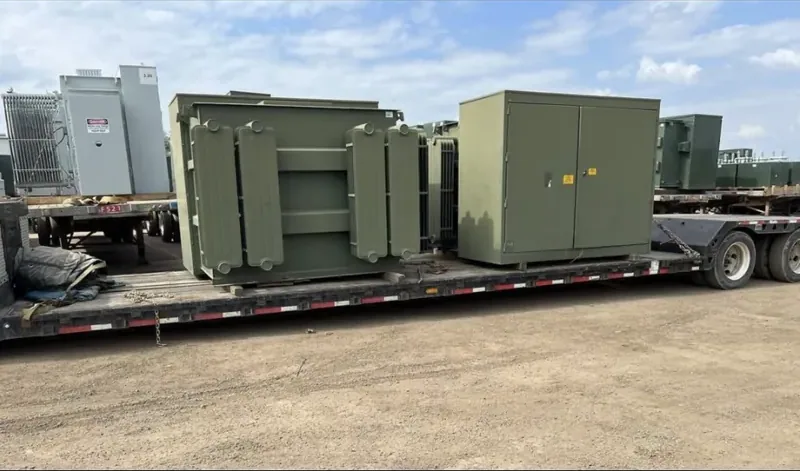
Removing large substation transformers from utility sites presents significant logistical challenges. These massive units can weigh hundreds of thousands of pounds and require specialized rigging, heavy-haul transport, and meticulous route planning. Coordinating the removal of such equipment involves securing the necessary permits, arranging for escorts, and ensuring that the site is prepared for the heavy machinery required to lift and load the transformer.
Utilities often prefer to work with buyers who can handle the entire logistical operation from start to finish. This turnkey approach eliminates the need for the utility to coordinate multiple contractors and manage the complexities of heavy freight. We specialize in the acquisition and removal of large-scale utility equipment, providing the expertise and resources needed to execute safe and efficient extractions. By taking on the burden of freight and rigging, we allow utility personnel to remain focused on their core responsibilities of maintaining the power grid.
Detail
Maximizing Financial Recovery from Surplus Assets
The primary goal of any utility surplus program is to maximize the financial return on retired assets while minimizing the associated costs and administrative burden. Holding onto surplus equipment incurs ongoing expenses, including storage fees, maintenance, and the opportunity cost of tied-up capital. By liquidating these assets promptly, utilities can inject funds back into their operational budgets or offset the costs of new infrastructure projects.
Achieving the best possible return requires an understanding of the current market dynamics for both reusable electrical equipment and scrap metals. The value of a surplus transformer fluctuates based on global commodity prices for copper and steel, as well as the demand for specific voltage classes and kVA ratings. We provide utilities with a straightforward cash offer that reflects the true market value of their equipment. Our transparent valuation process ensures that utilities receive fair compensation without the delays and uncertainties of auction platforms or consignment arrangements.
Also worth knowing
Streamlining the Disposition Workflow
For utility procurement and asset recovery teams, the disposition process can be incredibly time-consuming if not properly streamlined. Documenting inventory, soliciting bids, evaluating proposals, and coordinating logistics can drain resources and delay the removal of equipment. A highly efficient surplus program relies on established partnerships with reliable buyers who can execute transactions swiftly and professionally.
We have designed our purchasing process to align seamlessly with the workflows of major utilities. From the initial submission of inventory lists and nameplate photos to the final payment and pickup, every step is optimized for speed and clarity. We understand the internal approval processes that utilities must navigate, and we provide the necessary documentation and support to facilitate smooth transactions. Whether a utility is clearing out a single laydown yard or managing a statewide infrastructure upgrade, our nationwide capabilities ensure a consistent and reliable disposition solution.
Common questions
Questions sellers ask
Do you buy failed utility transformers?
Yes, we purchase failed and non-operational utility transformers. Even when a unit has suffered a catastrophic failure and cannot be repaired, it retains significant value due to the copper, aluminum, and core steel inside. We evaluate the material composition of failed units and provide a competitive cash offer based on their scrap value.
How do you handle the transportation of large substation transformers?
We manage the entire logistical process for large substation transformers, including heavy-haul freight and specialized rigging. Our team coordinates the necessary permits, route planning, and lifting equipment to safely remove the unit from your site. We handle the complexities of transportation across all 50 states, ensuring a smooth extraction.
What information is needed to evaluate our surplus inventory?
To provide an accurate valuation, we need clear photos of the transformer nameplates, which detail the kVA rating, voltage, weight, and manufacturer. Additionally, overall photos of the equipment showing its current condition and any available oil test reports regarding PCB levels are highly beneficial for expediting the process.
Can you purchase equipment from multiple utility storage yards?
Absolutely. We have the capacity to purchase and remove surplus equipment from multiple storage yards and laydown facilities simultaneously. Our nationwide logistics network allows us to coordinate pickups across different regions, making it easy for utilities to clear out their entire surplus inventory efficiently.
How quickly can you remove surplus transformers from our site?
The timeline for removal depends on the size and location of the equipment, but we prioritize rapid execution. Once an agreement is reached and the necessary site preparations are complete, we can often schedule trucks and rigging crews within a matter of days. Our goal is to clear your space as quickly as possible.
Ready to move the unit?
Managing a utility surplus transformer program does not have to be a logistical headache. By partnering with an experienced buyer, you can efficiently clear your storage yards, ensure environmental compliance, and recover significant capital from retired assets. We purchase all types of utility transformers, from pole-mounted units to massive substation equipment, regardless of their condition. Our team handles the valuation, payment, and all aspects of freight and rigging, providing a seamless experience from start to finish. If your utility has surplus equipment ready for disposition, reach out to us today. Call 954-740-1983 or email electricalequipmentbuyers@gmail.com to discuss your inventory and receive a prompt cash offer.