
Overview
The answer involves a clear process that maximizes material recovery, protects the environment, and can put real money back into your budget. Copper or aluminum windings, grain‑oriented steel cores, tanks, bushings, and even insulating oil all have value streams when handled correctly. The path a unit takes depends on condition, test results, fluid type, and construction. Understanding these steps helps you plan your project, avoid compliance headaches, and choose a buyer who can remove equipment safely and pay promptly. Here’s a practical walkthrough of the lifecycle of a recycled transformer, from de‑energization through teardown, materials recovery, and documentation, plus how to prepare your units for smooth pickup and stronger offers. Beyond the basics, project outcomes are shaped by access constraints, outage windows, and commodity markets that move daily. A capable buyer will coordinate with your safety team and utility, line up rigging and freight, and, when appropriate, reference published pricing indexes so you understand how value is derived. Thorough documentation and predictable scheduling keep capital projects on track and audits clean. The more complete your information up front—photos, oil details, dimensions, and site conditions—the faster you can convert retired assets into dollars without disrupting production or construction schedules.
Why sell to us
Why transformers are recycled and when it happens
Transformers are retired for many reasons: a planned service upgrade, catastrophic failure, flood or fire damage, or a reconfiguration of the electrical system during a facility change. Some units are still operational but become surplus when a substation is rebuilt or when standardization efforts leave odd sizes and voltages behind. Others are beyond repair yet remain valuable for the metals and components inside.
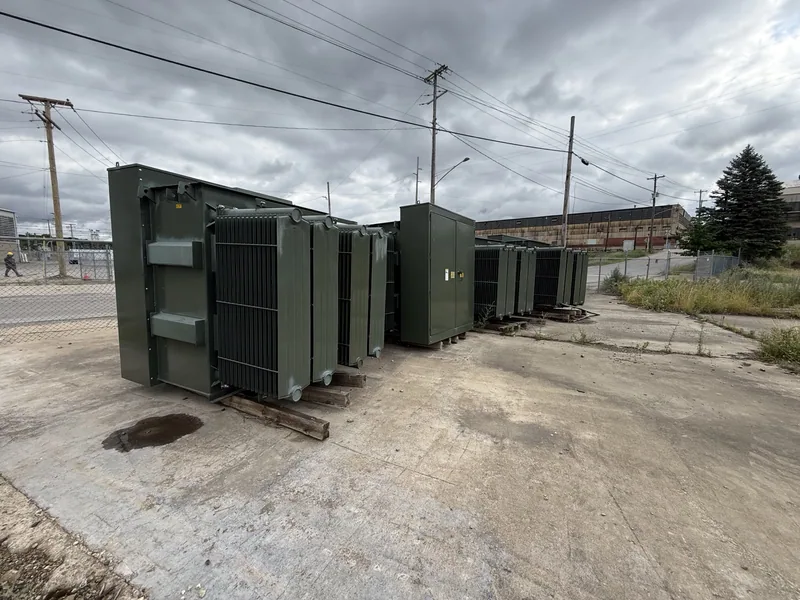
Recycling captures that value while keeping your site clean and compliant. Padmount, polemount, substation, distribution, dry‑type, oil‑filled, control, and industrial transformers all enter the recycling stream. The goal is to separate each component into the highest and best use. Working units that pass electrical tests can be evaluated as equipment. Failed units follow a different path, focused on fluid handling, safe teardown, and material recovery so copper, aluminum, steel, and accessories can be reclaimed responsibly.
Common triggers include reliability upgrades after fault events, insurance‑driven replacements, and storm damage that accelerates retirement schedules. Environmental, social, and governance (ESG) goals and ISO 14001 programs also push organizations to document responsible disposition, making recycling an integral step in decommissioning. Even partial assets—radiators, bushings, and tap‑changer compartments—are harvested for value, while specialized components may be repurposed to support spares programs. During regional storms and wildfire seasons, removal volumes spike; a buyer with scalable trucking and oil capacity helps keep crowded yards clear and eliminates safety hazards from idle, impaired equipment.
What we buy
Decommissioning and on‑site preparation
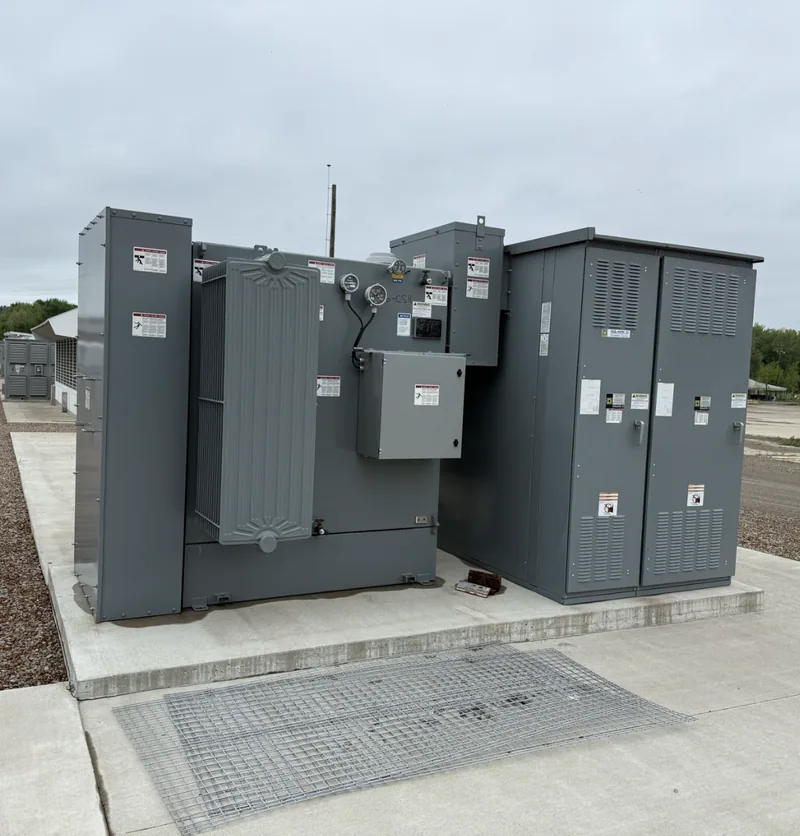
Before anyone touches bolts or bushings, a safe de‑energization plan is carried out. Lockout/tagout, verification of zero energy, and staging of rigging paths help avoid surprises. For oil‑filled units, technicians plan for controlled draining and containment, using compatible totes or vacuum trucks and absorbents to protect concrete and soil. Dry‑types require different handling, often focused on dust control and intact transport.
Rigging plans account for weight, center of gravity, and clearance. On‑site prep may include removing radiators or conservators, isolating cables, and capping ports. The aim is a clean, contained load that can be lifted, skated, or craned without spills or damage to surrounding assets. Good preparation shortens dwell time on your site, reduces risk, and preserves value in the windings and tank.
A thorough plan also factors in arc‑flash boundaries, lift points verified against drawings, ground conditions for crane setup, and protection of paving and landscaping using dunnage or matting. Crews coordinate outage windows, traffic control, and utility locates, and they bring spill kits and drip trays sized for the unit. In facilities, door and aisle measurements are confirmed, mezzanine loads are checked, and hot‑work permits or fire watches are arranged when cutting is anticipated. Weather and stormwater management are addressed too—cold‑weather viscosity, rain covers, and secondary containment ensure the job stays compliant regardless of conditions.
How it works
Testing, grading, and value paths
Once a unit is safe to handle, a buyer will review nameplate data, serials, and visual condition. For oil‑filled equipment, fluid samples may be pulled to check dielectric health and screen for contaminants. Electrical tests on applicable units help determine whether a transformer belongs in the reuse channel or should be processed as scrap. Even if a unit is electrically failed, it often carries substantial value for the windings and core.
Grading affects how a transformer is priced and processed. Equipment that meets test thresholds is often priced as equipment rather than by the pound. Scrap units are priced for their recoverable metals and components. Construction matters too: copper windings are typically worth more than aluminum, and some designs are easier to process. Clear photos, fluid information, and access notes help a buyer form a strong cash offer quickly.
Depending on access and the unit’s condition, buyers may reference tests such as turns ratio (TTR), insulation resistance (megger), winding resistance, or power factor/dissipation factor for larger equipment. Visual indicators like bulged tanks, carbon tracking on bushings, and sludge in sight glasses influence grading. For oil testing, quick screens can identify moisture and flag whether further analysis is necessary. A complete info package—nameplate close‑ups, all four sides, bushings and terminations, radiators, base and lifting lugs, plus context shots for access—accelerates pricing and helps your project lock in value before the rigging crew mobilizes.
Logistics and payment
Oil management, PCBs, and other fluids
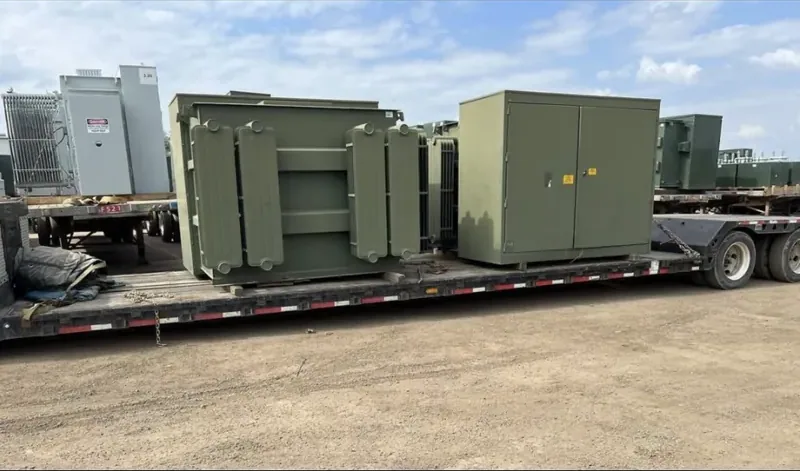
Oil‑filled transformers take a specialized path. First, oil is removed in a controlled manner and transferred to compatible containers. Where required, samples are analyzed to determine whether the fluid can be reclaimed, re‑refined, or must be handled under stricter rules. The condition of gaskets, paint, and fittings also informs the plan for preventing drips during transit and teardown.
Units with PCB‑containing fluids follow documented procedures set by federal and state regulations. Proper labeling, manifests where applicable, segregation from non‑PCB items, and spill prevention practices protect all parties. Non‑PCB mineral oil in suitable condition can often be processed for reuse in industrial applications, while off‑spec fluids may be re‑refined or directed to energy recovery under permitted programs. A thorough approach ensures environmental stewardship while moving the project forward on schedule.
Not every transformer contains the same fluid. Some use silicone oil or natural esters, and certain controls or legacy equipment may include specialty fluids. Each type is identified and routed accordingly. Used oil filters, absorbents, and rags become secondary waste streams and are packed, labeled, and documented to match receiving facility requirements. Where appropriate, buyers deploy vacuum dehydration and filtration to remove moisture and particulates, upgrading non‑PCB mineral oil for beneficial reuse. Throughout, shipping descriptions and containers are matched to regulations, and chain‑of‑custody data is preserved so your environmental files remain complete.
Detail
Mechanical teardown and material recovery
With fluids managed, the focus shifts to the physical structure. Tanks are opened and cleaned for safe access. Bushings, tap changers, radiators, and accessories are removed and sorted. Coils and cores are separated with tools and techniques that prevent cross‑contamination between copper, aluminum, and steel, since clean streams command stronger downstream value.
Grain‑oriented electrical steel laminations head one way, windings another. Paper insulation and pressboard are segregated from metals. In dry‑types, encapsulated coils are cut to liberate windings while minimizing loss. The goal is to upgrade material quality at each step. Better separation lowers disposal needs, reduces landfill material, and turns a bulky asset into organized outbound streams ready for mills, smelters, and re‑refiners.
Experienced processors use shears, saws, and, when needed, torches under fire‑safe procedures to access windings without embedding steel in the copper or aluminum. Porcelain and composite bushings are handled separately from metals, and tap‑changer components are disassembled to capture contact metals and minimize residues. Housekeeping matters: sweeping and magnet passes keep ferrous fines out of nonferrous bales, which preserves premiums for clean metal. The end result is upgraded grades—clean copper, separated aluminum, and prepared steel—rather than mixed scrap that requires down‑rating at the mill.
Also worth knowing
Where the recovered materials go next
Copper windings are typically stripped, chopped, or baled and shipped to refiners or mills where they are melted into new rod or cathode, ultimately returning as wire or components. Aluminum windings take a similar path to foundries or smelters. Clean metals move efficiently, which is why careful separation during teardown pays off.
Grain‑oriented electrical steel is recycled through steel mills and can be used in new steel products. Non‑metallics such as paper insulation and contaminated absorbents are routed to appropriate disposal or energy recovery avenues. Mineral oil that meets quality thresholds is reclaimed or re‑refined into compatible industrial products. The net effect is that a large portion of the transformer reenters productive use, shrinking waste and supporting circular material flows.
Downstream markets reward consistency. Mills and refiners prefer material that matches specification—known chemistry, limited attachments, and predictable bale density—because it melts cleanly and safely. Recovered metals may be priced against widely followed indexes, and some buyers offer indexed formulas to align your payout with market movements. Oil that is successfully reclaimed reduces the need for virgin production, while steel and nonferrous metals reappear in everyday infrastructure. When your buyer manages grading, separation, and paperwork well, the entire chain from pickup to mill gate stays efficient and auditable.
Condition and testing
Paperwork, compliance, and choosing the right buyer
Even a straightforward pickup benefits from clean documentation. Serial numbers, nameplates, photos, oil volumes, and test results help create a clear chain of custody. When fluids are involved, appropriate shipping descriptions, labels, and manifests where required keep everything aligned with transportation and environmental rules. Good recordkeeping reduces headaches during audits and property transfers.
The buyer you choose should understand industrial sites, be comfortable with padmounts, polemounts, substation equipment, dry‑types, and unit substations, and be ready to coordinate freight and rigging. Look for simple, written terms, transparent communication about scheduling, and the ability to operate nationwide. When the process is handled end‑to‑end, your crew spends less time chasing carriers and more time closing the project, while recovered value returns to your budget sooner.
Ask for certificates of recycling or destruction for fluids and scrap, copies of scale tickets, and before/after photos tied to serial numbers. Ensure your partner can furnish insurance certificates meeting site requirements, safety programs and training records, and prequalification credentials when needed. Clear payment terms—ACH or wire with supporting weights—and a single point of contact streamline closeout. The right buyer will deliver a detailed pickup plan, site‑specific safety documents, and paperwork templates in advance so there are no surprises on mobilization day.
Common questions
Questions sellers ask
What happens to transformer oil during recycling?
Oil is removed from the transformer in a controlled manner and placed in compatible containers. Samples are often analyzed to determine quality and whether the fluid is non‑PCB. Depending on results, the oil may be reclaimed, re‑refined, or directed to approved disposal or energy recovery. Proper labeling, containment, and documentation follow the shipment. Managing oil well up front protects your site and helps create a clean path to final disposition without delays.
How does condition affect the value of a scrap transformer?
Condition shapes both logistics and value. Working units that pass electrical tests are often priced as equipment instead of by the pound. Failed units are valued for the recoverable metals, with copper windings generally worth more than aluminum. Clean, accessible locations, accurate oil information, and clear photos help a buyer price fairly. Units that are intact and not intermingled with debris are faster to process, which can reflect positively in a cash offer.
Do I need to drain the oil before a pickup?
No. A qualified buyer can handle oil removal as part of the project. Draining without the right tools can increase spill risk and complicate transport. It’s helpful to provide estimated volumes, fluid type if known, and site access details. From there, the buyer will plan containment, rigging, and appropriate transport so the unit leaves your site safely and the fluid goes to the correct downstream processor.
Can large padmounts, substation transformers, and dry‑types be removed from tight sites?
Yes, with proper planning. Experienced crews assess terrain, door widths, overhead clearance, and floor ratings. They bring the right combination of skates, forklifts, cranes, or gantries, along with drip protection for oil‑filled units. Advance photos and dimensions help align equipment with site constraints. Whether the transformer is inside a plant, on a pad, or on a pole, a coordinated rigging and freight plan keeps the removal controlled and efficient.
What about PCB‑containing transformers and components?
PCB‑containing units and fluids require documented procedures. This includes clear identification, segregation from non‑PCB items, compatible containers, appropriate labels, and manifests where applicable. The downstream path differs from non‑PCB oil and scrap, and appointments may be needed at receiving facilities. Working with a buyer who follows these steps protects your company, keeps the project compliant, and ensures the transformer and fluids reach permitted processors.
Do you buy failed or burned transformers?
Yes. Failed, burned, or storm‑damaged transformers still contain valuable metals and components. Buyers focus on safe handling, fluid management, and material separation to recover copper or aluminum windings, tank steel, and accessories. Providing details about the failure, location, access, and any known fluids or contaminants helps plan the pickup. Even if the unit is heavily damaged, there is often meaningful value to capture through proper recycling.
Ready to move the unit?
If you have transformers coming out of a demolition, service upgrade, plant closure, or substation rebuild, turn them into value with a buyer that handles freight, rigging, and documentation nationwide. TransformersBuyers.com purchases working, failed, and scrap units, including padmount, polemount, substation, distribution, dry‑type, oil‑filled, control, plus switchgear and unit substations, across all 50 states. Get a fast cash offer and a clean pickup plan from Moses Johnson and team. Expect clear pricing, a site‑ready certificate of insurance, and same‑day documentation to keep your project moving. Call 954-740-1983 and electricalequipmentbuyers@gmail.com