
Overview
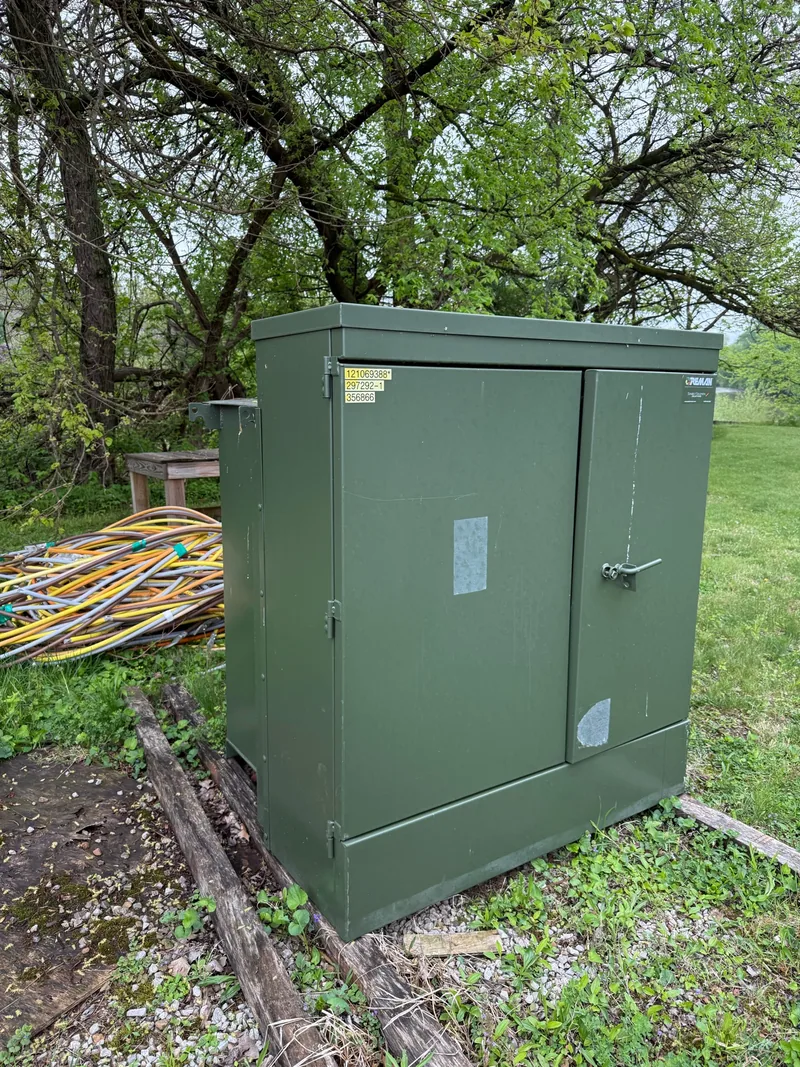
Both materials are widely used in the industry, each offering distinct advantages in terms of conductivity, weight, and manufacturing cost. For businesses looking to sell decommissioned transformers after a plant closure, service upgrade, or demolition project, understanding this difference is essential. We purchase used, surplus, and scrap transformers from businesses nationwide, and the type of winding directly impacts our valuation. While working units are often priced as equipment based on their operational capabilities, failed or scrap units are valued primarily for their material composition. Copper-wound transformers generally command a higher price in the recycling market due to the premium value of copper, but aluminum-wound units still hold substantial worth. We handle the logistics, including freight and rigging, making it easy for you to turn your unused assets into capital, regardless of their internal construction.
Why sell to us
Understanding the Role of Windings in Electrical Transformers
The windings in a transformer are the coils of wire that conduct electrical current and create the magnetic field necessary for voltage transformation. These coils are wrapped around the core steel and are essential to the unit's operation. Historically, copper was the standard material for these windings due to its superior electrical conductivity and mechanical strength. Copper allows for a more compact design, as smaller diameter wires can carry the same amount of current as larger aluminum wires.
In recent decades, aluminum has become increasingly popular, particularly in distribution and dry-type transformers. Aluminum is significantly lighter and less expensive than copper, making it a cost-effective alternative for manufacturers. While aluminum has lower conductivity, requiring larger coils to achieve the same performance, advancements in design and manufacturing have made aluminum-wound transformers highly reliable. Both materials are prevalent in the field today, and facilities upgrading their infrastructure will likely encounter both types when decommissioning older equipment.
When you are preparing to sell surplus transformers, identifying the winding material is a key step. This information is often indicated on the nameplate or in the original manufacturing documentation. We evaluate both copper and aluminum-wound units, providing competitive cash offers based on the specific characteristics and condition of your equipment.
What we buy
How Winding Material Affects the Value of Working Units
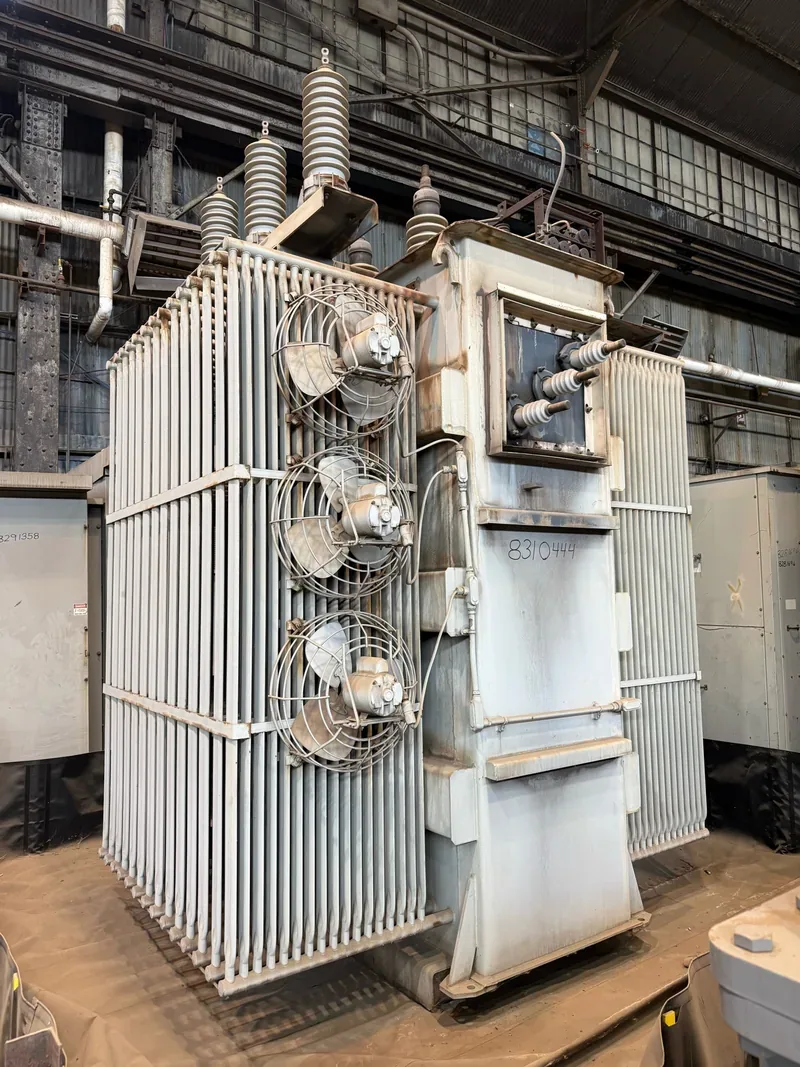
For transformers that are fully operational and pass electrical testing, the winding material is just one of several factors that determine value. Working units are typically priced as equipment, meaning their value is based on their utility, kVA rating, voltage classes, and overall condition. A well-maintained aluminum-wound transformer can be just as valuable to a buyer as a copper-wound unit if it meets the specific requirements of their project.
However, some industries and applications have strict specifications that require copper windings due to their compact size and higher fault-current withstand capability. In these niche markets, a working copper-wound transformer might command a slight premium. Regardless of the material, the key to maximizing the value of a working unit is providing thorough documentation. Recent testing reports, maintenance records, and clear photographs help establish the reliability of the equipment.
We purchase working transformers of all types from businesses across the country. Whether your surplus units feature copper or aluminum windings, we assess their operational value quickly and provide a fair cash offer. Our goal is to put reliable used equipment back into service, helping businesses overcome supply chain shortages and long lead times for new units.
How it works
The Impact of Copper vs Aluminum on Scrap and Failed Transformers
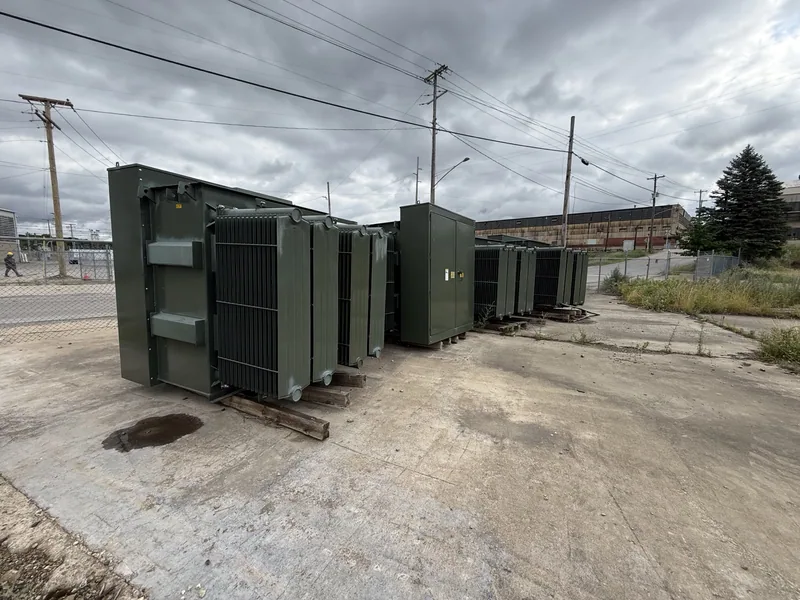
When a transformer has failed or reached the end of its lifecycle, its value shifts from operational utility to material composition. This is where the difference between copper and aluminum windings becomes highly significant. The recycling market heavily favors copper due to its consistently high commodity price and widespread industrial demand. As a result, a scrap transformer with copper windings will generally yield a significantly higher cash offer than a comparable unit with aluminum windings.
Aluminum, while still valuable, trades at a lower price point per pound than copper. However, aluminum-wound transformers are often larger and heavier to achieve the same electrical ratings, which means there is a greater volume of material to recover. Additionally, the specialized core steel and insulating oil present in both types of transformers contribute to the overall scrap value. Even a completely failed aluminum-wound unit holds substantial worth and should not be considered a disposal liability.
We specialize in evaluating and purchasing failed and scrap transformers. By analyzing the nameplate data and understanding the construction of the unit, we provide accurate valuations based on current material markets. Instead of paying for disposal, you can sell your failed equipment to us and generate capital for your business.
Logistics and payment
Identifying the Winding Material in Your Surplus Equipment
Determining whether your surplus transformers have copper or aluminum windings is crucial for getting an accurate valuation. The most reliable way to identify the material is by checking the unit's nameplate. Manufacturers often include specific codes or explicitly state the winding material on the data plate. For example, you might see designations like 'CU' for copper or 'AL' for aluminum. If the nameplate is legible, this information can be quickly relayed to buyers.
If the nameplate is missing or does not specify the winding material, original purchase documents or maintenance manuals can provide the answer. In some cases, particularly with older or heavily weathered units, it may be difficult to determine the material without a physical inspection. However, experienced buyers can often make an educated assessment based on the manufacturer, the age of the unit, and its physical dimensions and weight.
When you contact us to sell your surplus equipment, providing clear photographs of the nameplate and the entire unit is the best first step. Our team has the expertise to analyze this information and determine the likely construction of the transformer. This allows us to provide a firm cash offer quickly, streamlining the disposition process for your facility.
Detail
Logistics and Freight for Heavy Electrical Assets
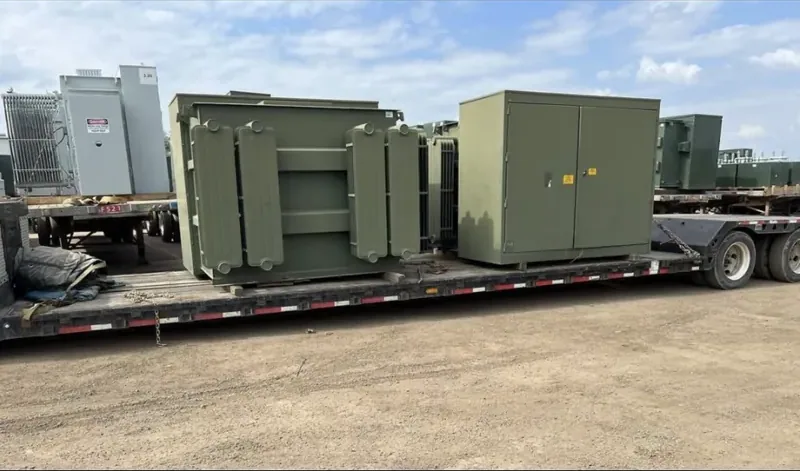
Regardless of whether your transformers are wound with copper or aluminum, they are massive, heavy assets that require specialized handling. Removing these units from a facility involves complex logistics, including the coordination of cranes, heavy-duty forklifts, and flatbed trucks. For a facility manager overseeing a plant closure or a major service upgrade, managing these logistics can be a significant burden that distracts from core operations.
We take the hassle out of the removal process by handling all the freight and rigging. Once we agree on a cash offer for your surplus equipment, our team coordinates the entire extraction. We work with experienced riggers and specialized transportation companies to ensure that the transformers are moved safely and efficiently, adhering to all safety and environmental regulations.
By partnering with us, you do not have to worry about the complexities of transporting heavy electrical equipment. We manage the logistics from start to finish, allowing you to clear valuable space at your facility quickly. Our comprehensive service ensures a seamless transaction, providing you with capital and peace of mind.
Also worth knowing
Turning Surplus Transformers into Capital
Decommissioned transformers, whether working or failed, represent a significant financial opportunity for your business. Instead of letting these assets take up valuable space or paying for their removal, you can turn them into capital. The demand for both reliable used equipment and recyclable materials remains high, making this an ideal time to evaluate your surplus inventory.
We purchase a wide variety of electrical equipment, including padmount, polemount, substation, and dry-type transformers. We evaluate each unit based on its specific characteristics, including the winding material, kVA rating, and overall condition. Our streamlined process is designed to provide you with a fast, competitive cash offer and a hassle-free removal experience.
If you have surplus transformers at your facility, gather the nameplate data and take clear photographs. Reach out to our team to discuss your inventory. We are committed to providing exceptional service and fair valuations, helping businesses nationwide manage their surplus electrical assets efficiently and profitably.
Common questions
Questions sellers ask
Are copper-wound transformers worth more than aluminum-wound units?
For scrap or failed transformers, copper-wound units generally command a higher price due to the premium value of copper in the recycling market. However, for working units that pass electrical testing, the value is often based on the equipment's utility and specifications, meaning an aluminum-wound transformer can still be highly valuable.
How can I tell if my transformer has copper or aluminum windings?
The most reliable way to determine the winding material is by checking the unit's nameplate, which often indicates 'CU' for copper or 'AL' for aluminum. If the nameplate does not specify, original purchase documents or maintenance manuals can provide the information. Providing us with clear photos of the nameplate helps us evaluate the unit.
Do you buy both copper and aluminum-wound transformers?
Yes, we purchase both copper and aluminum-wound transformers from businesses. Whether the units are fully operational, in need of repair, or completely failed, we evaluate the equipment and provide a competitive cash offer based on its utility or material composition.
Who manages the transportation of the transformers?
We handle all the logistics, including freight and rigging. Transformers are heavy and require specialized equipment to move safely. Our team coordinates the cranes and flatbed trucks needed to remove the units from your facility, ensuring a seamless and hassle-free process for you.
What types of businesses do you buy transformers from?
We purchase surplus electrical equipment from a wide range of businesses, including manufacturing facilities, utility companies, data centers, and contractors handling demolition or service upgrades. If your business has decommissioned transformers, we are interested in evaluating your inventory.
Ready to move the unit?
Understanding the construction of your surplus electrical equipment is key to maximizing its value. Whether your decommissioned transformers feature copper or aluminum windings, they represent a significant financial asset for your business. We purchase used, surplus, and scrap transformers nationwide, providing competitive cash offers for both working and failed units. Our team handles all the complex logistics, including freight and rigging, so you can clear valuable space without the hassle of managing transportation. Turn your unused equipment into capital today. Call 954-740-1983 or email electricalequipmentbuyers@gmail.com to discuss your inventory and get a cash offer.