
Overview
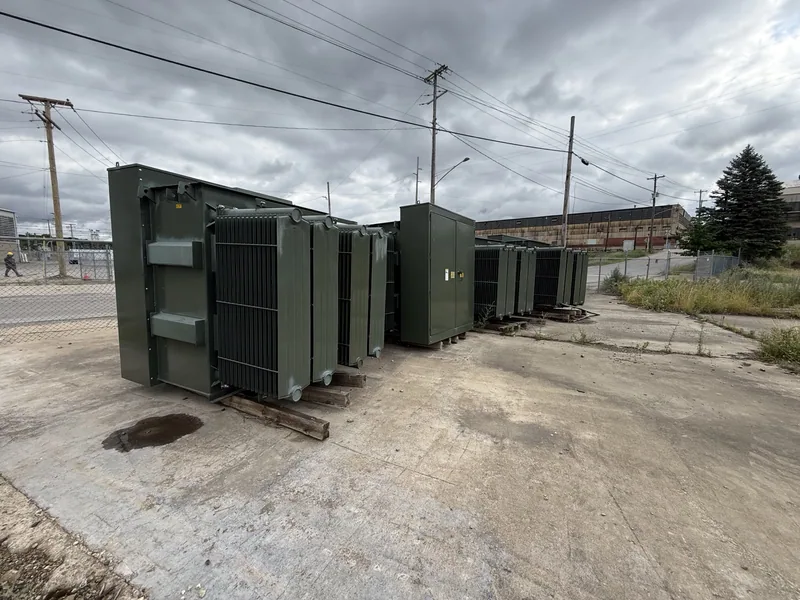
Unlike liquid-filled units, dry-type transformers present unique challenges for material recovery because the coils are often heavily coated or cast in solid epoxy. This encapsulation makes extracting the copper or aluminium windings more labor-intensive, which directly impacts the assessment. We purchase surplus and scrap dry-type transformers from facilities across the United States, managing the complex indoor removal process.
Why sell to us
How Encapsulation Impacts Material Recovery
The primary factor influencing dry type transformer scrap value is the method used to insulate the windings. Cast resin transformers feature coils completely encased in solid epoxy, providing excellent protection against moisture in harsh indoor environments. However, this solid block of resin makes separating the valuable conductive metals from the insulation incredibly difficult during the recycling process.
Vacuum Pressure Impregnated (VPI) units use a varnish that is baked onto the coils. While slightly easier to process than solid cast resin, the varnish still requires specialized mechanical processing to strip away before the core metals can be recovered. Because the extraction requires more energy and labor, the scrap settlement for encapsulated units is adjusted to account for these processing costs.
Despite these recovery challenges, the heavy copper or aluminium content inside these units holds significant intrinsic value. We evaluate the specific type of encapsulation and the total weight of the conductive metals to formulate a fair cash offer.
What we buy
Copper Versus Aluminium Windings in Dry Units
The conductive material used in the coils is the most critical variable when assessing your equipment. Copper-wound dry-type transformers carry noticeably more value than aluminium-wound models due to the higher market price of copper commodities. Many older industrial dry-types were manufactured with heavy copper windings to handle high load capacities in commercial buildings.
Newer units often utilize aluminium windings to reduce manufacturing costs and overall weight. While aluminium is less valuable per pound than copper, large commercial dry-type transformers still contain massive amounts of the metal, making them highly worthwhile to scrap. You can determine the winding material by checking the factory nameplate, which typically lists the conductor type.
Providing a clear photograph of the nameplate allows us to immediately identify the winding material. This information, combined with the total gross weight of the unit, forms the baseline for calculating the scrap settlement we can provide for your facility.
How it works
The Advantage of No Liquid Dielectrics
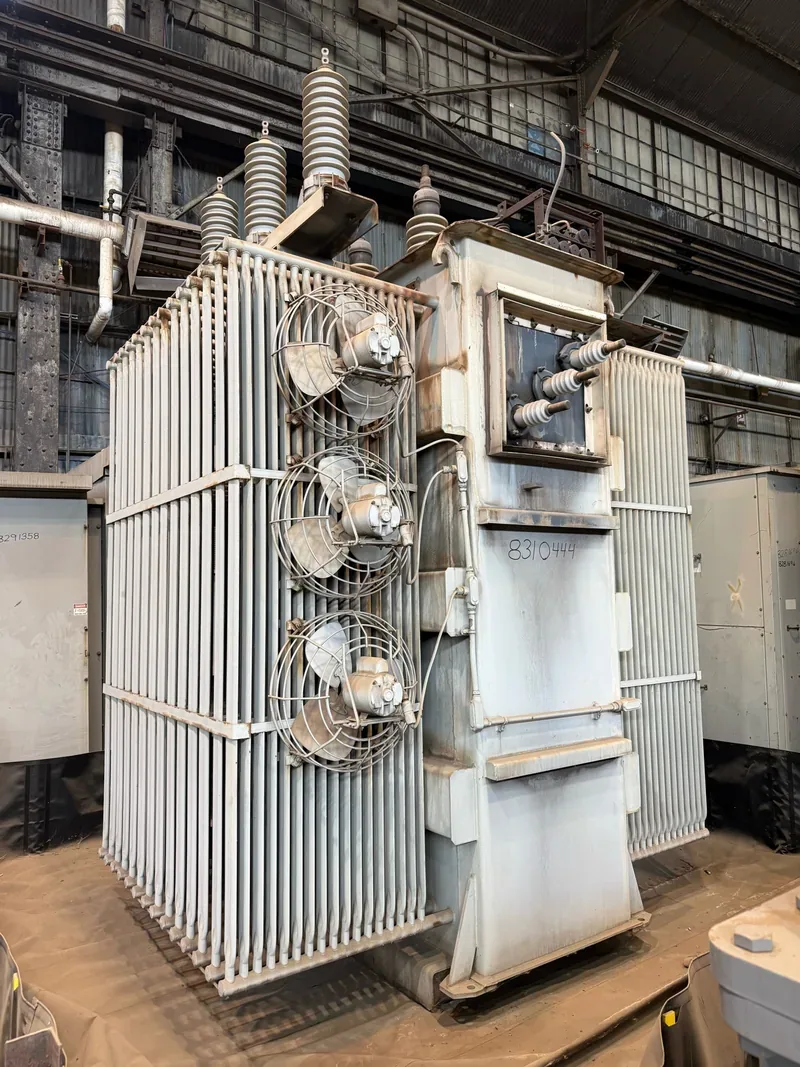
One major benefit of decommissioning dry-type transformers is the complete absence of insulating oil. Liquid-filled units require careful draining, specialized pumping equipment, and rigorous environmental testing to ensure no polychlorinated biphenyls are present before they can be transported. This fluid management adds significant overhead and environmental liability to the removal project.
Dry-type units eliminate these liquid handling requirements entirely. Because they rely on air circulation and solid insulation for cooling, there is no risk of oil spills during the rigging process or transit. This lack of fluid simplifies the environmental compliance aspect of the project, allowing for faster removal from your electrical room.
While the solid encapsulation makes the actual metal recovery harder, the savings realized by skipping the oil pumping and PCB testing phases help balance the overall dry type transformer scrap value. We handle the logistics of moving these heavy units directly from your facility to the processing center.
Logistics and payment
Overcoming Indoor Rigging and Removal Challenges
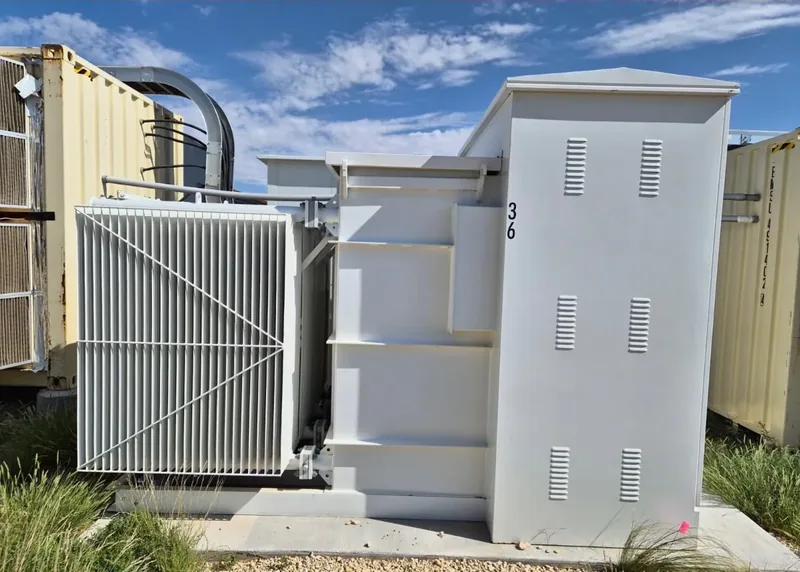
Dry-type transformers are almost exclusively installed indoors, often in locations that are difficult to access. You will frequently find these units tucked away in basement mechanical rooms, elevated electrical closets, or penthouse utility spaces. Removing a transformer that weighs several thousand pounds from deep inside a commercial building requires specialized rigging expertise.
Navigating narrow hallways, standard commercial elevators, and tight stairwells presents a significant logistical hurdle. Standard forklifts and cranes are often useless in these confined indoor spaces. Instead, the removal process requires heavy-duty machinery skates, custom gantry setups, and sometimes partial disassembly of the transformer enclosure to fit through standard doorways.
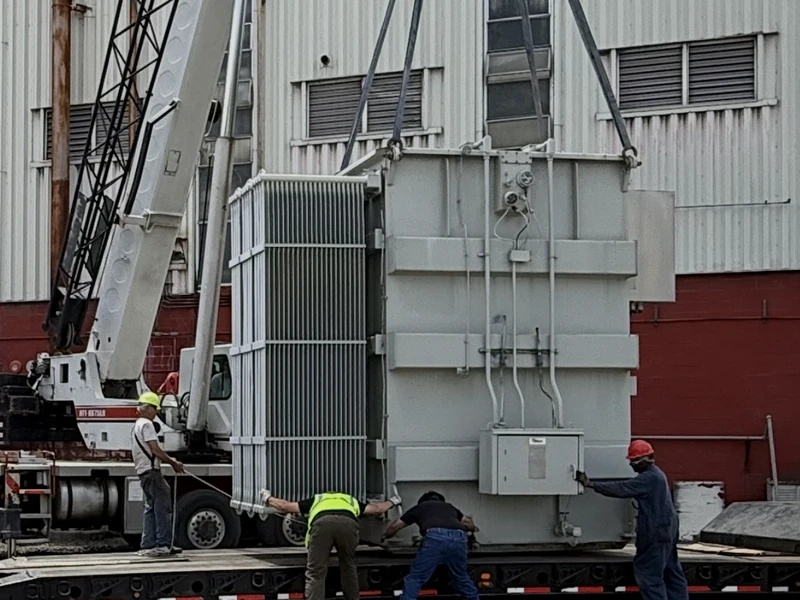
We arrange all the necessary rigging and freight to extract your dry-type units safely. Our network of professionals understands how to protect your facility floors and walls while maneuvering massive electrical equipment out of the building. By managing the entire extraction process, we ensure the equipment is removed efficiently.
Detail
Common Ratings and Industrial Applications
Dry-type transformers are utilized across a wide spectrum of commercial and industrial applications, and we purchase units across all these categories. You will commonly see these transformers used for stepping down voltage in large office buildings, hospitals, data centers, and manufacturing plants where fire safety codes prohibit indoor oil-filled equipment.
We buy dry-type units ranging from small 15 kVA distribution blocks up to massive multi-megawatt substation transformers. The physical size and kVA rating directly correlate with the amount of core steel and winding metal inside the enclosure. A 2500 kVA cast resin transformer removed from a data center will yield a substantially different settlement than a 75 kVA general purpose unit.
Regardless of the specific application or size, we are interested in evaluating your surplus equipment. Whether you are upgrading a single unit in a mechanical room or clearing out obsolete electrical infrastructure, we can assess the inventory and provide a comprehensive buyout solution.
Also worth knowing
Resale Potential Versus Scrap Processing
Not every decommissioned dry-type transformer is destined for the scrap yard. In many cases, a unit that is still in good working condition holds more value on the secondary surplus market than it does as raw metal. If your transformer was recently removed from service, has no signs of overheating, and the enclosure is intact, it may be a candidate for resale.
When we evaluate your equipment, we look at the age, brand, kVA rating, and primary voltages to determine if there is current market demand. Standard voltages like 480V delta to 208Y/120V are highly sought after for commercial building projects. If the unit can be refurbished and redeployed, the cash offer we provide will reflect that higher surplus value.
Even if the unit has suffered a catastrophic failure or the coils are burnt, it still retains its underlying material worth. We will honestly assess the condition of your equipment and determine the most profitable avenue for your surplus electrical assets.
Brands
Brands that hold resale value over scrap value
More on transformer scrap value
Common questions
Questions sellers ask
How do I find out if my dry-type transformer has copper or aluminium windings?
The easiest way to determine the winding material is to check the factory nameplate attached to the outer enclosure. The nameplate will typically state "CU" for copper or "AL" for aluminium. If the plate is missing or illegible, the total weight of the unit compared to its physical dimensions can often indicate whether it contains heavier copper or lighter aluminium coils.
Do you buy cast resin transformers that have suffered a winding failure?
Yes, we purchase cast resin transformers regardless of their operational status. Even if the unit has experienced a catastrophic short circuit or winding failure, the core steel and conductive metals inside still hold significant scrap value. We will evaluate the gross weight and material composition to provide an offer for the damaged equipment.
Can you remove a dry-type transformer from a basement mechanical room?
We specialize in arranging complex indoor rigging and removal for dry-type transformers. Whether the unit is located in a basement, a rooftop penthouse, or a tight electrical closet, we coordinate the necessary machinery skates, gantries, and freight logistics to safely extract the equipment from your facility without causing damage to the building.
Why does the epoxy encapsulation lower the scrap value of the windings?
The solid epoxy resin used in cast resin transformers makes it extremely difficult to separate the valuable copper or aluminium from the insulation. Recycling facilities must use specialized, energy-intensive mechanical crushing or thermal processes to break down the epoxy. The high labor and energy costs associated with this extraction reduce the net value of the recovered metals.
Do I need to provide environmental testing for a dry-type transformer?
No, dry-type transformers do not contain liquid dielectrics, so there is no need for PCB testing or oil sampling. This complete lack of insulating fluid significantly simplifies the removal process. It eliminates the environmental liabilities and regulatory paperwork associated with draining, pumping, and transporting liquid-filled electrical equipment from your commercial facility.
What information do you need to calculate an offer for my equipment?
To provide an accurate assessment, we need clear photographs of the transformer, including a close-up of the data nameplate. We also need to know the current location of the unit within your facility, any specific rigging challenges like stairs or narrow doorways, and whether the unit is already disconnected from the power grid.
Ready to move the unit?
Maximizing your dry type transformer scrap value requires a buyer who understands the complexities of indoor rigging and encapsulated metal recovery. We have the expertise to evaluate your surplus equipment and manage the entire extraction process from your mechanical room to the freight truck. Call or email us today at 954-740-1983 to discuss your inventory and receive a cash offer.