
Overview
Our process centers on clear communication, practical site evaluations, and fast cash offers that reflect the actual condition and market value of the equipment you need to move. We evaluate padmount, polemount, substation, distribution, dry-type and oil-filled transformers, plus switchgear and unit substations. When you contact us, we listen to the specifics — make and model, kVA, primary and secondary voltages, oil condition, and any labeling or serials — then we arrange inspection and transport. Our role is to reduce downtime and remove the burden of disposal or storage while ensuring you are paid promptly. You will work directly with a buyer who understands transformer construction, common deterioration modes like winding failures or oil contamination, and the regulatory considerations for handling used electrical equipment. We handle freight, rigging and required clearances, and we provide a transparent cash offer based on the asset condition and logistics needs.
Why sell to us
What Types of Transformers We Buy
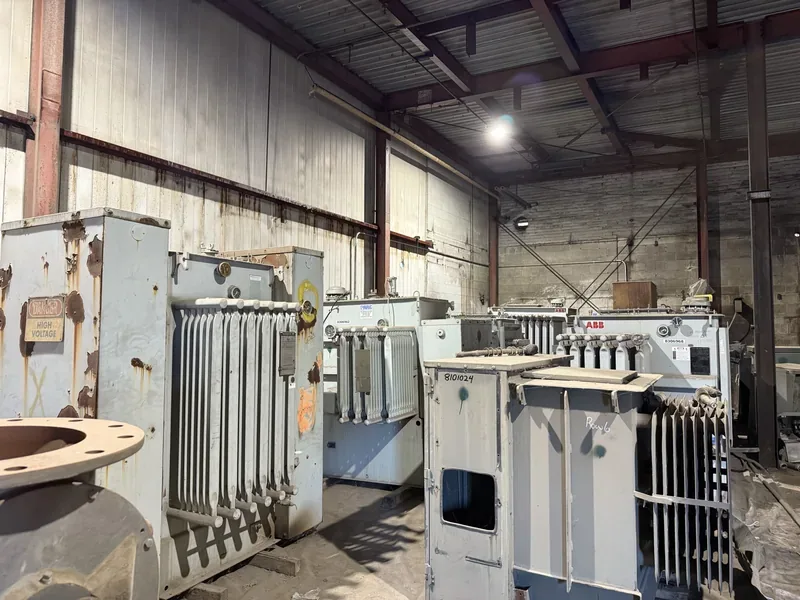
We buy a broad range of transformer styles so businesses can clear yard space and recover value regardless of configuration. Our interest covers padmount and polemount distribution transformers used on utility circuits, substation power transformers and step-up or step-down units from industrial sites. Those components are evaluated on specifications such as kVA rating, phase, tertiary windings, and voltage ratios.
Dry-type transformers and oil-filled units both have resale and recycling pathways, and we consider each according to condition and intended disposition. For dry types we check insulation class, enclosure ratings and evidence of overheating or contamination. For oil-filled units we assess dielectric strength, possible PCB presence, oil level and the integrity of gaskets, bushings and radiators.
We also buy switchgear and unit substations, recognizing that packaged distribution equipment often contains reusable breakers, meters and buswork. When secondary devices are present we inspect connections, control cabinets and protective relays to determine handling needs. If equipment is heavily corroded or otherwise deemed scrap, we still provide a fair cash offer based on recoverable metals and logistics.
What we buy
Condition and Technical Assessment
Our assessment process focuses on technical details that matter to resale, refurbishment and recycling, not broad promises. We ask for transformer nameplates, serial numbers and photos showing bushings, conservators and oil sight glasses if present. We use these data to establish design parameters such as temperature rise rating, tap changer type and cooling class, all of which influence value.
On oil-filled units we consider oil analysis where available, searching for elevated dissolved gases, PCBs, or moisture that affect disposition options. Winding condition, audible tests and evidence of overheating are factored for units that could be refurbished. Core condition and clamping hardware are inspected when possible to identify structural issues that complicate removal or repair.
For nonfunctional or scrapped pieces we quantify recoverable copper, aluminum and steel content while accounting for hazardous material handling. Our technical knowledge allows us to separate units that can be economically repaired from those best routed to recycling, ensuring transparent offers that reflect the practical pathway for each asset.
How it works
How Our Cash Offer Works
When you request a cash offer we review the submitted information promptly and ask clarifying questions about site access, weight estimates and any hazardous material tags. We calculate a cash offer that reflects the transformer’s condition, make and model, the expected refurbishment or recycling route, and transport costs. Our offers are meant to be straightforward and actionable so you can decide quickly.
Offers typically identify whether the price is for pickup-as-is, requires demobilization assistance or assumes onsite oil draining and pre-cleaning. If specialized rigging or permits are needed we include those requirements in the written proposal so there are no surprises. If you approve the offer we schedule pickup and coordinate with your team on timing and safety protocol.
Payment is issued according to the agreement, often as cash or bank transfer at pickup depending on your preference and the scope of the job. We emphasize transparency in how offers are derived so you understand each component of value rather than receiving a single unexplained number.
Logistics and payment
Logistics, Rigging and Freight Handling
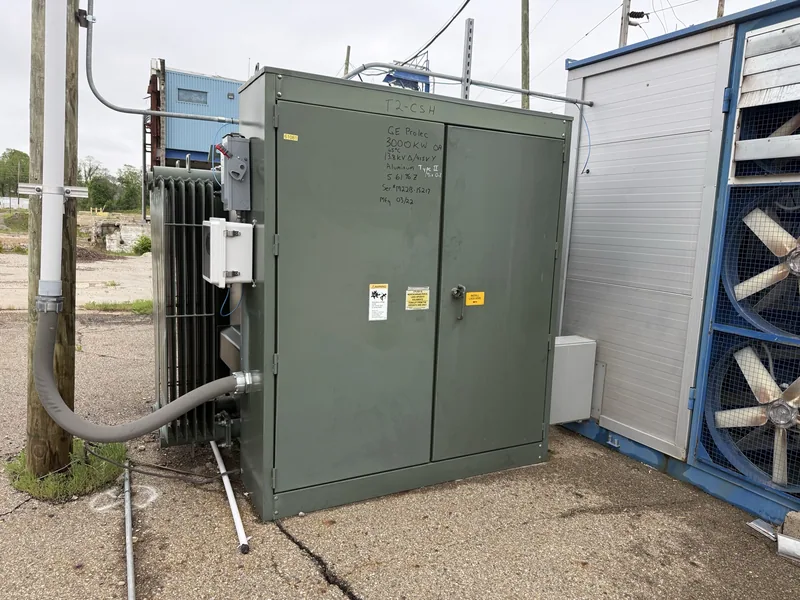
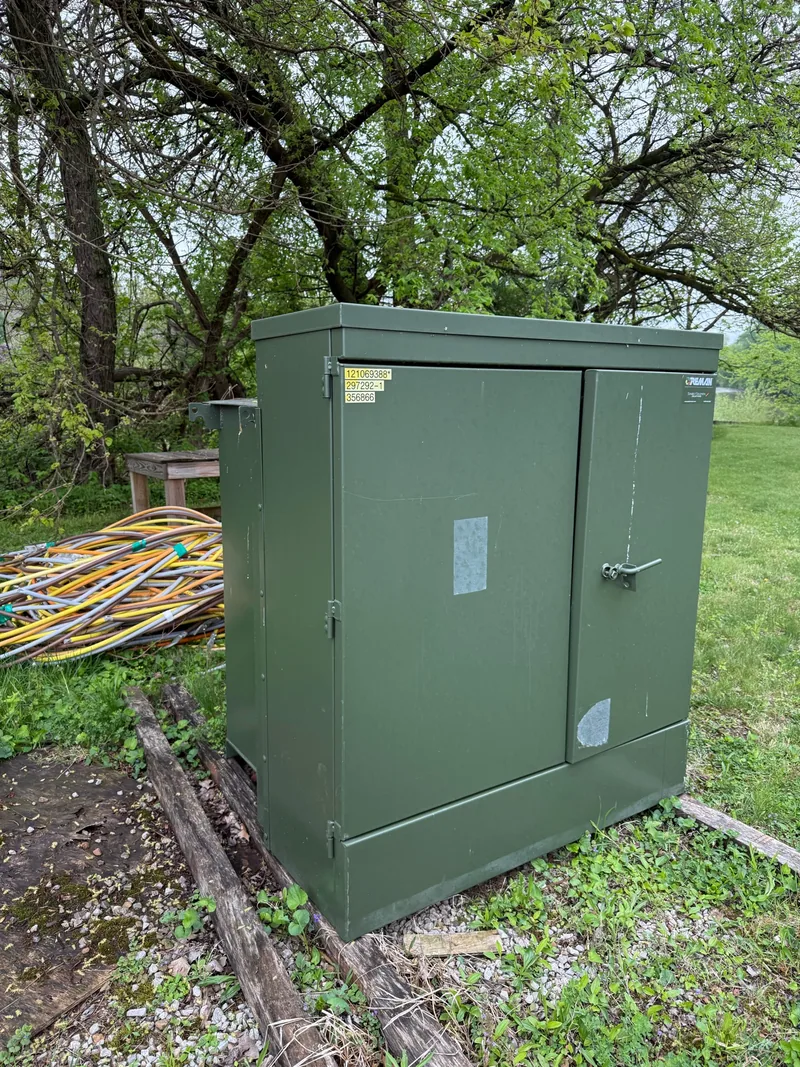
We manage the full logistics chain to remove burdens from your operations. That begins with planning: we review site drawings, access roads, overhead clearances and subgrade ratings so we specify the right trucks, forklifts and cranes. For padmount units situated on concrete pads we assess whether cutting of bolts and blocking will be required and plan accordingly.
Our teams coordinate with on-site personnel to meet safety requirements, arrange temporary road closures or escorts when oversized loads are involved, and secure any necessary permits. For substation transformers that require specialized heavy-lift rigs we arrange contractors and cribbing materials and schedule lifts during agreed windows to minimize impact on your facility.
Once on the truck we manage transport to a designated destination for refurbishment, resale or recycling. We also prepare documentation for chain-of-custody and manifesting when hazardous fluids or regulated components are involved, ensuring the movement of equipment is documented and efficient.
Detail
Environmental Handling and Compliance
Proper handling of oil-filled equipment and any potentially contaminated components is central to our approach. We follow accepted practices for draining dielectric fluids, containing spills, and using approved disposal or reclamation channels. If a transformer contains regulated substances we detail the handling steps before pickup so sites can prepare or obtain permits.
We work with partners who provide lab analysis or controlled disposal for contaminated oil, and we segregate PCB-impacted materials in line with applicable rules. When units will be recycled we ensure that fluids and hazardous waste are removed on schedule and that scrap processing is performed at compliant facilities.
Our aim is to reduce risk for your company by following safe, traceable procedures. That includes labeling shipments, maintaining required manifests, and providing documentation that supports your records for environmental audits or asset disposition reporting.
Also worth knowing
Scheduling and Site Coordination
Scheduling begins with a clear scoping conversation. We ask about the number of units, preferred pickup windows, and onsite point of contact so we can align crews, trucks and any subcontract riggers. We offer flexibility for off-hours or weekend work to minimize downtime for critical facilities.
Prior to arrival we confirm clearance, utility shutdown needs and any lockout-tagout procedures your safety plan requires. When specialized lifts are necessary we provide a lift plan outlining rigging points, spreader bars and cribbing, and we coordinate with your safety team to meet site-specific rules. Our crews arrive with necessary personal protective equipment and lift gear sized to the job.
If delays or changes occur we maintain open lines of communication and adjust schedules accordingly. Our goal is to make removal predictable and professional so your operations can continue without extended disruption.
Condition and testing
Payment and Documentation
We provide a written agreement that spells out the cash offer, scope of pickup, and any responsibilities for prep work. The payment terms are clear: once the equipment is secured and removed as agreed, payment is released in the agreed form. This reduces uncertainty around timing and ensures you know when funds will be available.
Documentation accompanies each transaction, including a bill of sale or transfer of ownership that lists equipment details and serial numbers when applicable. For units containing fluids we provide records of oil handling or test results if those services are performed. If the disposition involves recycling, we supply weight tickets and processing receipts.
Keeping thorough records helps with your asset management and audit trails. We make sure the administrative side of the sale is handled professionally so you can close out assets on your books with confidence.
Freight
Why Work With Us
We concentrate exclusively on buying electrical equipment, which lets us bring focused market insight to each transaction rather than a generalist approach. That technical focus means we speak your language when discussing voltages, kVA ratings, tap changers and bushing conditions. When you call, the conversation moves fast to practical details that influence value and timing.
Our process is designed to minimize your workload: we provide the cash offer, plan and execute pickup, handle freight and rigging, and deliver documentation. For equipment that is not reusable we still provide transparent pricing based on recoverable materials and transport needs so you get a fair result without added hassle.
When disposing of surplus or scrap electrical gear, having a buyer who understands the technical and logistical realities can save time and reduce risk. We focus on straightforward transactions that turn idle assets into cash while managing the complexities of removal and compliance.
Where to go next
Common questions
Questions sellers ask
Do you buy non-functioning or heavily damaged transformers?
Yes. We buy working units, failed units, and scrap transformers. Heavily damaged units are evaluated for recoverable copper, aluminum and steel content as well as the logistics of removal. We provide cash offers based on the most practical disposition, whether refurbishment or recycling.
Which types of transformer documentation should I have available?
Nameplate data is most helpful: kVA, primary and secondary voltages, serial numbers, phase and cooling class. Photos of bushings, conservator and oil sight glass on oil-filled units are useful. If you have recent oil tests, those reports help refine offers but are not always required.
Who handles freight, rigging and permits for removal?
We coordinate and handle freight and rigging as part of the agreed scope. If special permits or utility outages are required we include those needs in the proposal and work with your team to secure them. Our crews plan lifts and transport to minimize downtime and comply with site rules.
How quickly can I get a cash offer?
After you provide basic equipment details and photos we usually respond quickly with a preliminary cash offer or request for clarification. Timelines depend on complexity; simple padmount or polemount units can often be priced fast, while large substation transformers may require a site visit before final offers.
Do you handle environmental concerns like PCB contamination?
Yes. We identify potentially regulated fluids and materials during assessment and outline handling steps in our proposal. We work with partners for testing, controlled removal and disposal when necessary, and we provide documentation of handling and manifests as required.
Can you buy switchgear and unit substations?
Absolutely. We buy switchgear, control gear and unit substations in addition to transformers. Packaged equipment is evaluated for reusable components, protective devices and buswork. We include rigging and transport needs for packaged units in our written offer.
Ready to move the unit?
If you have transformers or electrical distribution equipment to remove, we make selling straightforward: tell us what you have, receive a cash offer, and let us handle pickup, freight and rigging. Our focus is on clear technical evaluation and efficient logistics so your facility can reclaim space and cash without extra headaches. Contact Moses Johnson at 954-740-1983 or electricalequipmentbuyers@gmail.com to begin the process today.