
Overview
This internal construction choice significantly impacts not only the electrical performance and physical weight of the unit but also its intrinsic scrap value when it reaches the end of its operational life. For facilities looking to offload obsolete equipment, knowing what is inside the tank can make a substantial difference in the cash offer received. We purchase transformers nationwide, regardless of whether they feature copper or aluminum windings. Our team handles the logistics, freight, and rigging, providing a streamlined process for businesses looking to clear out their yards or substations. Whether you have a single padmount unit or an entire substation's worth of equipment, understanding the winding material is the first step in assessing its worth.
Why sell to us
The Role of Windings in Electrical Transformers
Windings are the coils of wire inside a transformer that carry the electrical current. They are responsible for creating the magnetic field that allows the transformer to step voltage up or down. The efficiency, heat dissipation, and overall lifespan of the transformer are heavily influenced by the material used for these coils.
In the electrical industry, the choice between copper and aluminum has been a long-standing debate. Each material has its own set of advantages and trade-offs, primarily revolving around conductivity, weight, and cost. When a transformer is decommissioned, these same factors dictate its salvage value. Windings are the coils of wire inside a transformer that carry the electrical current. They are responsible for creating the magnetic field that allows the transformer to step voltage up or down. The efficiency, heat dissipation, and overall lifespan of the transformer are heavily influenced by the material used for these coils.
In the electrical industry, the choice between copper and aluminum has been a long-standing debate. Each material has its own set of advantages and trade-offs, primarily revolving around conductivity, weight, and cost. When a transformer is decommissioned, these same factors dictate its salvage value. Windings are the coils of wire inside a transformer that carry the electrical current. They are responsible for creating the magnetic field that allows the transformer to step voltage up or down. The efficiency, heat dissipation, and overall lifespan of the transformer are heavily influenced by the material used for these coils.
In the electrical industry, the choice between copper and aluminum has been a long-standing debate. Each material has its own set of advantages and trade-offs, primarily revolving around conductivity, weight, and cost. When a transformer is decommissioned, these same factors dictate its salvage value. Windings are the coils of wire inside a transformer that carry the electrical current. They are responsible for creating the magnetic field that allows the transformer to step voltage up or down. The efficiency, heat dissipation, and overall lifespan of the transformer are heavily influenced by the material used for these coils.
In the electrical industry, the choice between copper and aluminum has been a long-standing debate. Each material has its own set of advantages and trade-offs, primarily revolving around conductivity, weight, and cost. When a transformer is decommissioned, these same factors dictate its salvage value.
What we buy
Copper Windings: High Conductivity and Value
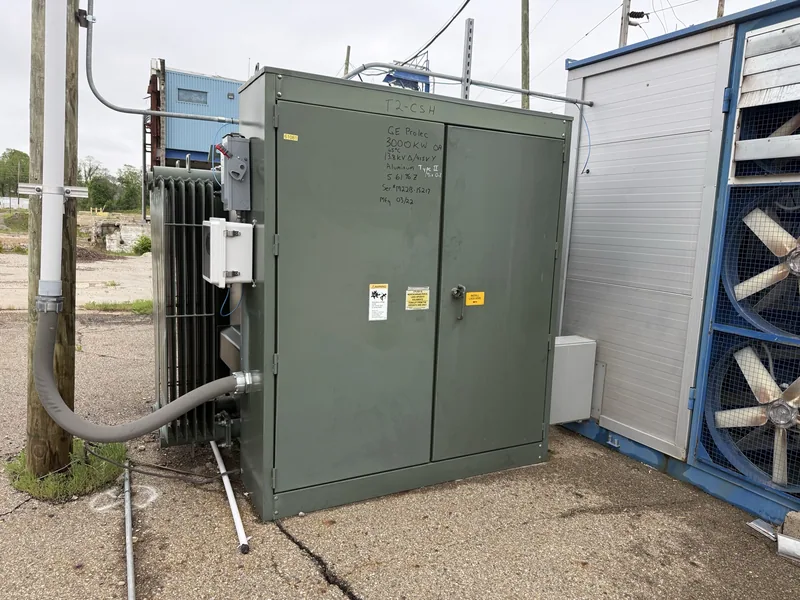
Copper is the gold standard for electrical conductivity. Transformers wound with copper are generally more compact and efficient than their aluminum counterparts. Because copper can carry more current per cross-sectional area, the coils can be smaller, leading to a smaller core and a smaller overall footprint for the transformer.
From a salvage perspective, copper is highly sought after. Failed or scrap transformers with copper windings command a premium price due to the high market value of the metal. When we evaluate a copper-wound unit, the cash offer reflects this inherent material value, making it a lucrative asset even if the transformer is no longer functional.
How it works
Aluminum Windings: Lightweight and Cost-Effective
Aluminum is widely used in transformer manufacturing, particularly in larger distribution and power transformers, due to its lower cost and lighter weight. While aluminum has lower conductivity than copper, this is compensated for by using larger conductors. As a result, aluminum-wound transformers tend to be physically larger than copper units of the same kVA rating.
Although aluminum has a lower scrap value per pound compared to copper, aluminum-wound transformers are still valuable assets. The sheer volume of metal, combined with the core steel and oil, ensures that these units hold significant worth. We regularly purchase aluminum-wound transformers from facilities across all 50 states, providing competitive offers based on current material markets.
Logistics and payment
How to Identify Your Transformer's Winding Material
Determining whether your transformer has copper or aluminum windings is usually straightforward if you know where to look. The most reliable source of this information is the transformer's nameplate. Manufacturers typically indicate the winding material with abbreviations such as 'CU' for copper or 'AL' for aluminum. Sometimes, the nameplate will explicitly state the material for both the primary and secondary windings.
If the nameplate is missing or illegible, identifying the material can be more challenging without opening the unit. In some cases, the physical size and weight of the transformer relative to its kVA rating can provide clues, but this requires specialized knowledge. When you contact us to sell your equipment, providing clear photos of the nameplate allows our experts to quickly determine the winding material and calculate an accurate offer.
Detail
The Impact of Winding Material on Freight and Logistics
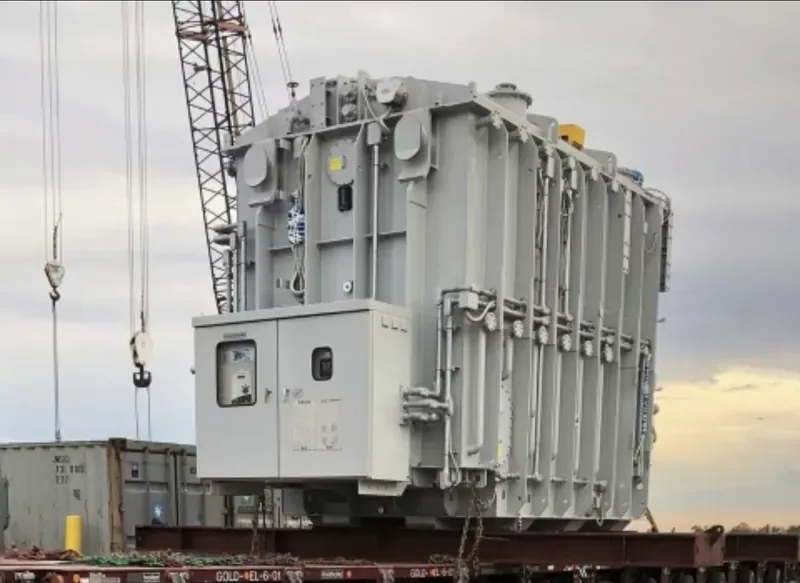
The choice of winding material affects the overall weight of the transformer, which in turn impacts freight and rigging requirements. Copper-wound transformers are denser and heavier for their size, requiring robust lifting equipment and specialized transport. Aluminum-wound units, while larger, may be relatively lighter, but their bulk can still present logistical challenges.
Our comprehensive purchasing process includes handling all aspects of freight and rigging. Whether your surplus transformers are heavy copper units or bulky aluminum ones, we coordinate the specialized transport needed to safely remove them from your site. This turnkey approach ensures that you don't have to worry about the complexities of heavy hauling.
Also worth knowing
Why the Condition of the Windings Matters
For transformers that are being evaluated for potential reuse, the condition of the windings is paramount. Electrical testing, such as Megger and TTR (Transformer Turns Ratio) tests, assesses the integrity of the winding insulation. If the windings have shorted or the insulation has degraded, the transformer is typically relegated to scrap status.
However, even if the windings have failed catastrophically, the underlying metal retains its value. We buy transformers in any condition—working, failed, or scrap. A unit with burnt-out copper windings is still a valuable source of raw material, and our cash offers reflect the recoverable value of the metals inside.
Condition and testing
Maximizing the Value of Your Surplus Equipment
Understanding the winding material of your surplus transformers empowers you to make informed decisions about asset disposition. By recognizing the inherent value of both copper and aluminum units, you can ensure that your facility recovers the maximum possible return on its obsolete equipment.
When you partner with a specialized buyer, you leverage their expertise in evaluating and processing these complex assets. We provide transparent, competitive offers based on the specific characteristics of your transformers, including their winding material, kVA rating, and overall condition. Our goal is to make the selling process as seamless and profitable for you as possible.
Related terms
Common questions
Questions sellers ask
Does a copper-wound transformer have a higher scrap value than an aluminum one?
Yes, copper-wound transformers generally have a significantly higher scrap value due to the higher market price of copper compared to aluminum. However, both types are valuable, and we provide competitive cash offers for both.
How can I tell if my transformer has copper or aluminum windings?
The easiest way is to check the manufacturer's nameplate on the transformer. Look for abbreviations like 'CU' for copper or 'AL' for aluminum. If you send us a clear photo of the nameplate, we can usually identify the material for you.
Do you buy transformers if the windings are burnt out or failed?
Absolutely. We buy failed and scrap transformers. Even if the windings are completely ruined electrically, the copper or aluminum metal inside still holds substantial value, and we will make an offer based on that material worth.
Are aluminum-wound transformers worth selling?
Yes, they are definitely worth selling. While aluminum is less valuable per pound than copper, these transformers still contain a large volume of metal, core steel, and oil. We regularly purchase aluminum-wound units nationwide.
Does the winding material affect how the transformer is removed from my site?
It can affect the weight and dimensions, which influences the rigging and freight requirements. Copper units are heavier, while aluminum units are bulkier. Regardless of the material, we handle all the freight and rigging logistics when we buy your equipment.
Ready to move the unit?
Whether your surplus transformers are wound with high-value copper or cost-effective aluminum, they represent a significant financial asset for your business. We specialize in evaluating, purchasing, and removing electrical equipment across all 50 states, providing a hassle-free solution for your asset disposition needs. Don't let valuable equipment sit idle in your yard or take up space in your facility. Contact us today to turn your obsolete transformers into capital. Call 954-740-1983 or email electricalequipmentbuyers@gmail.com to get a cash offer.