
Overview
At transformersbuyers.com we focus on the seller’s journey: a fast appraisal, a cash offer, and a handled pickup that removes freight and rigging headaches from your plate. We buy working units, failed units, and scrap units—padmount, polemount, substation, dry-type and oil-filled transformers, plus switchgear and unit substations. Whether you are decommissioning, upgrading, or clearing surplus inventory, we provide clear communication and practical logistics to close the deal quickly. This page explains what to expect, how we evaluate equipment, and how we manage permits, oil handling, and site rigging so you can make the right choice for your company and your schedule.
Why sell to us
Why Selling a Transformer Makes Sense Right Now
A transformer that sits idle still consumes value through storage costs and potential liability exposure. Removing old or surplus units can free up yard and warehouse space, reduce insurance exposure, and eliminate ongoing maintenance overhead. When a unit is obsolete or has failed, holding onto it rarely improves its value; converting that asset into cash and clearing the site is often the most efficient option.
Market cycles and project timelines can create windows when selling is especially practical. If you have planned upgrades, a facility closure, or urgent site cleanup, a prompt cash transaction avoids delays and lets you reallocate budget to active projects. We move quickly to provide offers that align with your timing and disposal needs, so you can plan the next steps without uncertainty.
Selling also addresses environmental and safety considerations. Old oil-filled transformers can pose spill risks and require special handling. Converting these items into a managed removal and processing event ensures that oil is drained and disposed of responsibly, lifting the burden from your operations team and reducing regulatory exposure.
What we buy
What Types of Transformers and Equipment We Buy
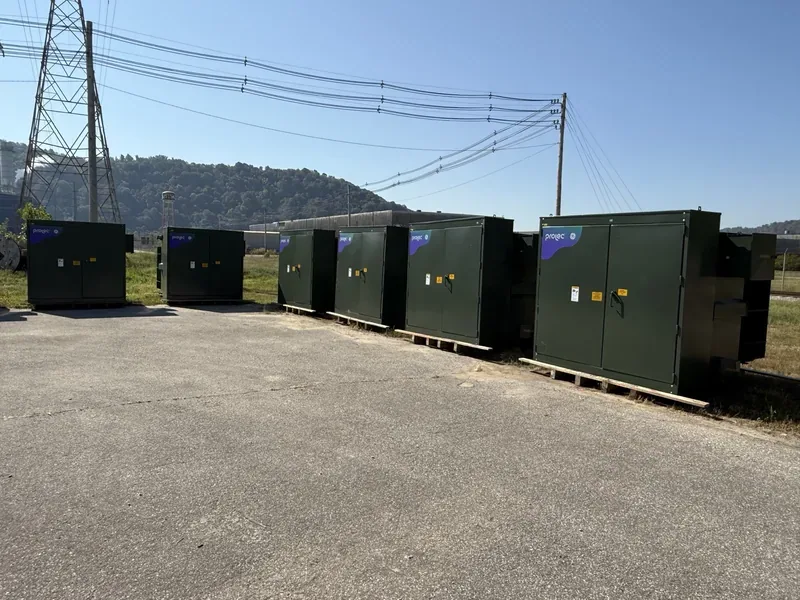
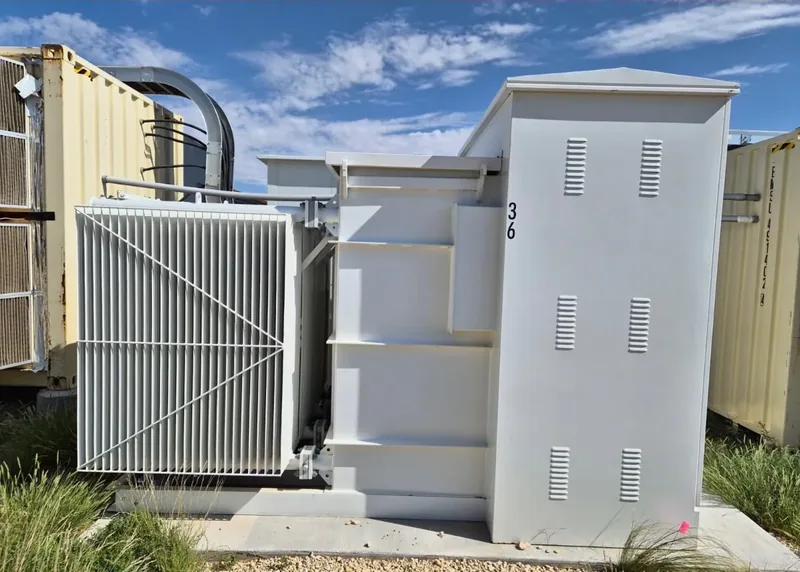
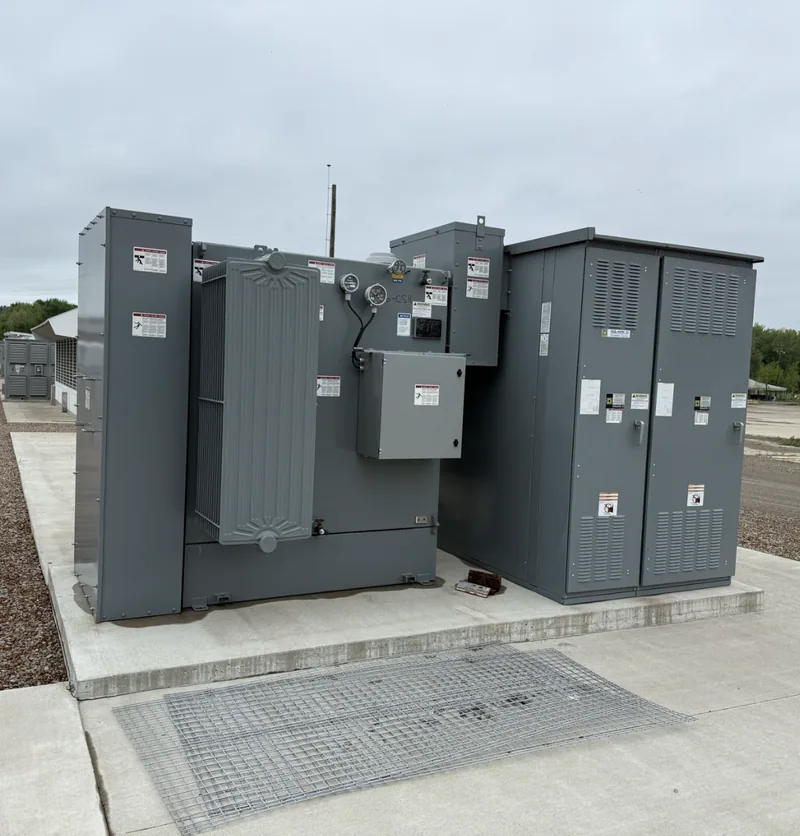
We accept a broad range of transformers and related electrical gear. That includes distribution and power transformers such as padmount and polemount units, substation transformers, dry-type indoor transformers, oil-filled power transformers, step-up and step-down units, and industrial control transformers. We also buy switchgear and unit substations when you need an entire assembly removed from service.
Condition is not a strict barrier: working, failed, or scrap units are all considered. For working units we evaluate nameplate data, impedance, and winding condition. For failed or scrapped items we assess salvage value of the core, copper, and steel, and identify any recoverable components. Every piece is evaluated individually to arrive at a fair cash offer.
If a transformer contains suspect insulating fluid, visible damage, or missing components, we still evaluate it rather than dismissing it. The goal is to provide a clear outcome for every asset on your site, removing guesswork about whether a particular unit is worth handling or sending to landfill.
How it works
How We Evaluate Your Transformer Remotely and On-Site
Initial evaluations often begin with photographs and nameplate information sent by email. High-resolution images of the nameplate, terminals, cooling components, and general condition provide a reliable remote baseline. We ask for key details such as kVA rating, primary and secondary voltages, phase, cooling type, and any known faults or repair history. This allows us to make a timely preliminary cash offer or request an on-site inspection.
When an on-site assessment is needed, our technicians perform visual inspections, oil sampling if applicable, and basic electrical tests. For oil-filled units we note oil level, evidence of leaks, and whether oil must be drained before loading. For dry-type units we check winding integrity and enclosure condition. These observations help refine the offer and determine required rigging and environmental controls.
For scrap or heavily damaged units we evaluate recoverable metals and structural condition. We consider core condition, copper content, and ease of access for removal. All of this goes into a transparent offer that explains the valuation factors so you understand what drives the cash amount.
Logistics and payment
Cash Offers, Contracts, and Payment Timing
We provide straightforward cash offers based on the remote and on-site evaluations. Offers lay out what we will remove, the agreed pickup date window, and any site preparations needed. Unlike listing or auctioning the equipment, this process reduces negotiation time and aligns payment with removal so you are not left holding assets after a sale.
Contracts are simple and focused on logistics and transfer of title. They specify the equipment description, agreed cash amount, pickup responsibilities, and any oil handling provisions. Once signed, our team schedules the removal and coordinates with your site contact on access, permits, and safety requirements.
Payment is arranged to be prompt. In most transactions we provide payment upon completion of removal and transfer of title, using methods that suit your accounting process. We work with company purchase orders and provide documentation to support your internal asset disposition records.
Detail
Logistics: Scheduling, Rigging, and Freight Handling
Transformers are heavy, awkward, and often located in constrained spaces. Good removal planning prevents delays and cost overruns. Our logistics team determines rigging needs, crane or forklift capacity, trailer size, and turnaround time. We communicate these requirements so your site team can schedule access and any road closure or crane permits if necessary.
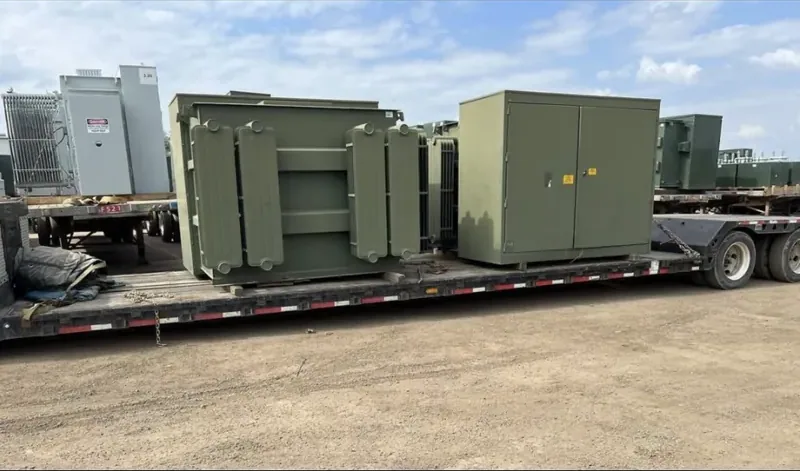
We handle the coordination of carriers and on-site crews, arranging professional rigging and transport to a facility equipped to process or refurbish the equipment. For substation or rooftop units we specify the need for certified riggers and appropriate lifting gear, taking responsibility for arranging those resources so your operations team isn’t scrambling to find outside contractors.
If specialized permits, escorts, or lane closures are required we outline those needs early. Our teams are experienced with municipal requirements and industrial sites, and we work with you to secure approvals and avoid last-minute hold-ups that can extend project timelines.
Also worth knowing
Environmental Handling and Oil Management
Oil-filled transformers require particular care. Before removal we assess whether oil must be drained on-site and whether it contains polychlorinated biphenyls (PCBs) or other contaminants. If draining is required, we bring containment equipment and follow waste handling protocols to minimize spill risk and protect your site. We coordinate disposal or recycling of the oil with licensed facilities and document chain-of-custody for regulatory compliance.
For units with unknown fluid history we recommend oil sampling and analysis. That information affects handling plans and disposal costs, and allows us to refine the offer accordingly. Even when oil must be managed as residual waste, we include those logistics in the scope so you avoid hidden surprises during removal.
Dry-type units avoid oil issues but still require safe handling of insulating materials and decommissioned components. We separate recyclable metals from other waste streams and process them responsibly, providing a documented handoff that helps your environmental reporting.
Condition and testing
Preparing Your Site and Equipment for Pickup
Minimizing removal time reduces disruption. Prior to pickup, clear access routes, confirm gate times, and designate a site contact to coordinate with our rigging crew. Removing loose debris, providing staging space near the lift point, and unlocking padmount cabinets or enclosures speeds the operation. If a transformer sits on a concrete pad, confirm that the pad and surrounding surface can support heavy transport equipment.
Gather any available documentation such as nameplate photos, maintenance records, and previous test reports. These accelerate evaluation and payment processing. If there are special security or safety protocols at your facility, share them in advance so our crew can arrive equipped and compliant with your procedures.
When special equipment like cranes or flatbed trailers is required, we schedule them ahead of time and communicate exact arrival windows. That reduces on-site waiting and helps you coordinate other work around the removal, keeping your project timeline intact.
Freight
Working Units, Failed Units, and Scrap — Different Paths, Same Outcome
A working transformer may be refurbished or placed back into service, and its value is assessed primarily on nameplate ratings and condition. We evaluate winding integrity, cooling systems, and any operational history to determine an offer that reflects its service potential. For buyers seeking replacement parts or ready-to-use equipment, a well-documented working unit can command higher cash offers.
Failed or damaged units still have value. We assess repairability, the cost of refurbishment, and salvageable components. Sometimes a unit with a failed component can be economically repaired, while other times the core, copper, and structural steel are worth more as scrap. We explain the options so you decide whether refurbishment or scrapping makes more sense for your situation.
When a unit is scrap we focus on efficient removal and maximizing recoverable material value. Even heavily damaged transformers can yield significant returns in ferrous and non-ferrous metals, and we handle the dismantling and processing so you are paid without taking on dismantling risk.
Where to go next
Common questions
Questions sellers ask
How quickly can I get a cash offer for my transformer?
You can often get a preliminary cash offer within 24 to 48 hours after providing clear nameplate photos, general condition images, and basic specs such as kVA, voltages, and cooling type. For more complex units or when oil analysis is needed, the offer may take a bit longer while we review test results. If an on-site inspection is required we schedule that promptly and update the offer once the findings are confirmed.
Do you handle draining and disposal of transformer oil?
Yes, we include oil handling and disposal in our removal services when required. Our teams bring containment equipment and coordinate with licensed facilities for proper disposal or recycling. If oil analysis shows contamination, we adjust handling plans and communicate any implications for timing and offer value. We document chain-of-custody for regulatory records so you have the necessary paperwork for environmental compliance.
What paperwork do I need to sell an industrial transformer?
Typical documentation includes a purchase order or signed removal agreement, a transfer of title form, and any required environmental manifests when oil is present. If the transformer was part of a substation or utility project, we may request decommissioning approvals or site access permits. We assist with the paperwork and provide copies of manifests and disposal receipts as part of the transaction to support your asset disposition records.
Can you remove a transformer from a fenced or high-security site?
Yes, we regularly coordinate removals from industrial, utility, and secure facilities. Provide access instructions, gate codes, and any escort or badging requirements in advance so our crew arrives prepared. We work with your site safety protocols, provide necessary certifications for our rigging personnel, and schedule pickups to comply with your operating hours and security procedures.
What happens if my transformer contains PCBs or other regulated materials?
If a transformer is suspected to contain PCBs or other regulated substances we perform or request oil sampling to determine concentration. Handling and disposal follow applicable regulations, and we arrange transport to licensed disposal facilities. This can affect removal timing and the cash offer, but we include the necessary environmental controls and documentation so the disposal is handled correctly and you are not left with regulatory risk.
Do you buy single units or large lots from distributors and contractors?
We purchase both single transformers and larger lots. For bulk dispositions we coordinate logistics to consolidate pickups and streamline payment. Whether you have one obsolete unit or many surplus pieces from a decommissioning project, we provide tailored scheduling, consistent evaluation criteria, and consolidated documentation to simplify the transaction for your accounting and operations teams.
Ready to move the unit?
If you are ready to convert idle or decommissioned transformers into cash, we will make the process simple: quick appraisal, clear cash offer, and full handling of pickup, rigging, and environmental needs. Contact Moses Johnson today to discuss your equipment, schedule an inspection, or get a preliminary offer. We buy working units, failed units, and scrap in all 50 states—call 954-740-1983 or email electricalequipmentbuyers@gmail.com.