
Overview
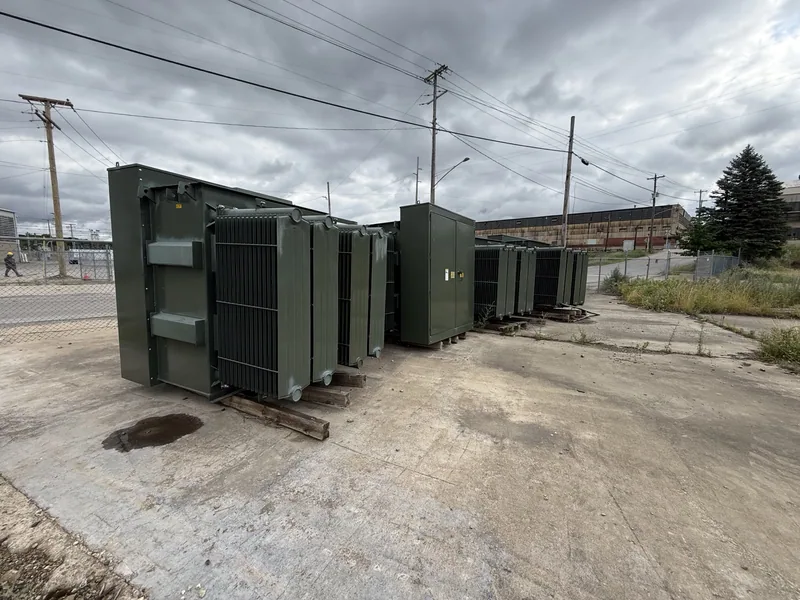
Transformers Buyers purchases dry-type transformers directly from businesses throughout the United States, including working units, failed units, surplus inventory and scrap equipment. You do not need a retail buyer, a storage plan or a freight department. We evaluate the transformer, make a cash offer, coordinate pickup and handle the practical work of moving heavy electrical equipment. Owner Moses Johnson understands that a dry-type transformer is not just a metal box. The kVA rating, voltage class, winding material, enclosure, taps, condition and removal access all affect value. If your company has dry-type transformers ready to leave the site, we are the buyer.
Why sell to us
What Dry-Type Transformers Are and Why They Remain Valuable
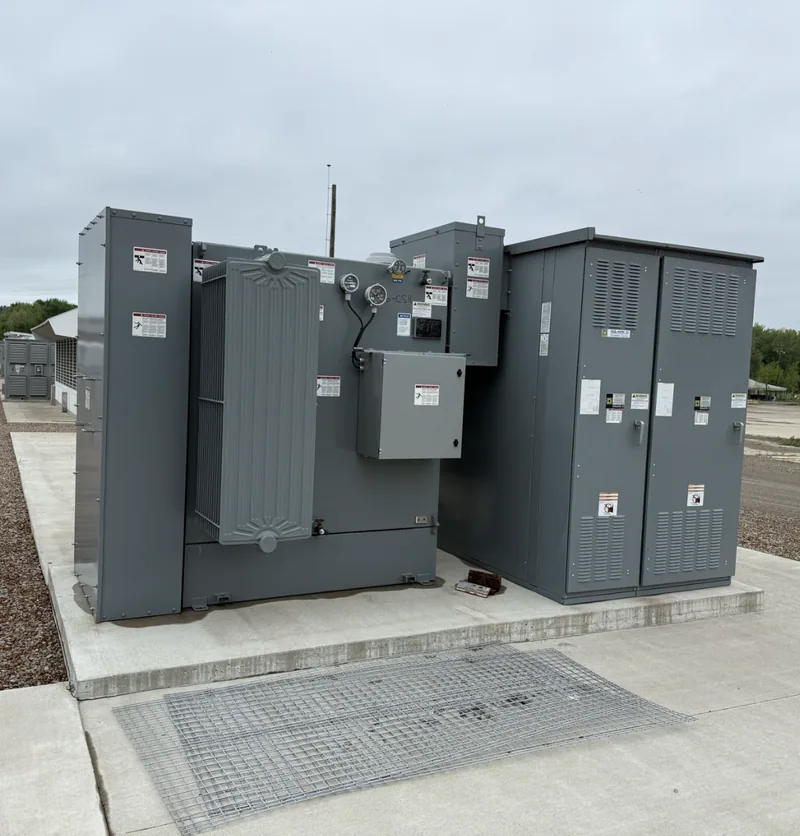
A dry-type transformer uses air and solid insulation instead of liquid insulating oil to cool and isolate the windings. These units are often found indoors because they avoid the containment concerns associated with liquid-filled equipment. They may be ventilated, enclosed, open core and coil, cast coil or vacuum pressure impregnated, depending on the duty and environment. Even when a unit is older or no longer suited for your application, the copper or aluminium windings, core steel, cabinet, bus connections and other recoverable materials can make it worth more than ordinary scrap.
Working dry-type transformers can be valued as usable electrical equipment when they are complete, nameplated and able to pass electrical evaluation. Failed units may not have reuse value, but they still contain heavy windings and magnetic core material. That is why we buy both categories. A burnt, noisy, shorted or weather-damaged transformer is not automatically worthless. The question is how much recoverable material is inside, how it is built and what it will take to remove and transport it safely.
What we buy
Where Dry-Type Transformers Are Commonly Used
Dry-type transformers are used anywhere voltage must be stepped down or isolated without placing a liquid-filled unit in the electrical space. They are common in office towers, retail centers, manufacturing plants, food facilities, warehouses, campuses, apartment buildings, hospitals and transit properties. Many sit near switchgear, panelboards, motor control centers, UPS systems, HVAC equipment or production lines. Others are stored after tenant improvements, plant closures, utility changes or equipment modernization projects.
The units we buy may come from demolition contractors, electrical contractors, property managers, maintenance departments, industrial plants, data centers and institutional facilities. Some are clean surplus from a canceled job. Others have run for decades and are being removed because the building service changed or the load profile no longer fits. We focus on purchasing the equipment from your business and taking responsibility for the logistics needed to get it off your floor, pad, mezzanine or dock.
How it works
Typical kVA Ratings and Voltage Classes We Consider
Dry-type transformers appear in a wide range of sizes. Smaller commercial units may be 15 kVA, 30 kVA, 45 kVA or 75 kVA. Larger building and industrial units are often 112.5 kVA, 150 kVA, 225 kVA, 300 kVA, 500 kVA, 750 kVA, 1000 kVA, 1500 kVA, 2000 kVA or larger. The bigger the unit, the more important rigging, access and weight become, but size alone does not determine value. A complete, modern, copper-wound 500 kVA unit can be more attractive than a damaged unit of similar size with missing parts and poor access.
Common low-voltage configurations include 480 delta to 208Y/120, 480 to 240, 480Y/277, 600 volt class units and isolation transformers for sensitive loads. Medium-voltage dry-type units may involve 2400, 4160, 7200, 12470 or 13.8 kV primary classes, depending on the facility. Nameplate voltage, phase, frequency, impedance, temperature rise and enclosure type all help us understand the transformer quickly. If the nameplate is legible, one clear photograph can save time and lead to a more accurate offer.
Logistics and payment
What Makes One Dry-Type Transformer Worth More Than Another
The first value factor is condition. A working transformer that has not been overheated, flooded, stripped or modified can be evaluated as equipment, especially if the enclosure is sound and the leads, taps, terminal boards and data plate are present. A unit with successful electrical testing, clean insulation and intact components is generally stronger than one that has failed catastrophically. However, failed transformers still carry value because copper, aluminium, core steel and enclosure steel can be recovered.
Winding material matters. Copper-wound transformers are usually more valuable than comparable aluminium-wound units because the winding metal carries greater recovery value. Age also matters, but it is not the only issue. A well-kept older unit may be more useful than a newer unit that was badly damaged, stripped or stored outdoors with the cabinet open. Dry-type transformers normally have no insulating oil, so oil condition is not a price factor on the dry-type unit itself. If your project includes liquid-filled transformers too, oil leaks, oil condition and bushings may matter for those pieces. On dry-type equipment, intact porcelain or epoxy bushings, terminal supports, lugs, fans and temperature controls can still affect the equipment value.
Detail
Working, Failed, Burnt and Scrap Units Are All Reviewed
Many businesses assume that a failed transformer has to be treated like a disposal problem. In reality, a failed dry-type transformer often contains substantial recoverable metal. Units that hum excessively, trip breakers, show insulation failure, have overheated coils, suffered water exposure or were removed after a fault can still be purchased. We do not need the transformer to be pretty. We need accurate information about what it is, where it sits and whether key parts are still present.
Working units receive a different type of review. If a dry-type transformer is complete, recently removed, stored indoors and has known operating history, it may be priced closer to equipment value instead of simple material recovery. Testing records, megohm readings, maintenance notes, photos of clean terminations and confirmation that the unit was running before removal can all help. If those records are not available, we can still evaluate the transformer based on the nameplate, condition, construction and removal details.
Also worth knowing
How Pickup, Rigging and Freight Are Handled
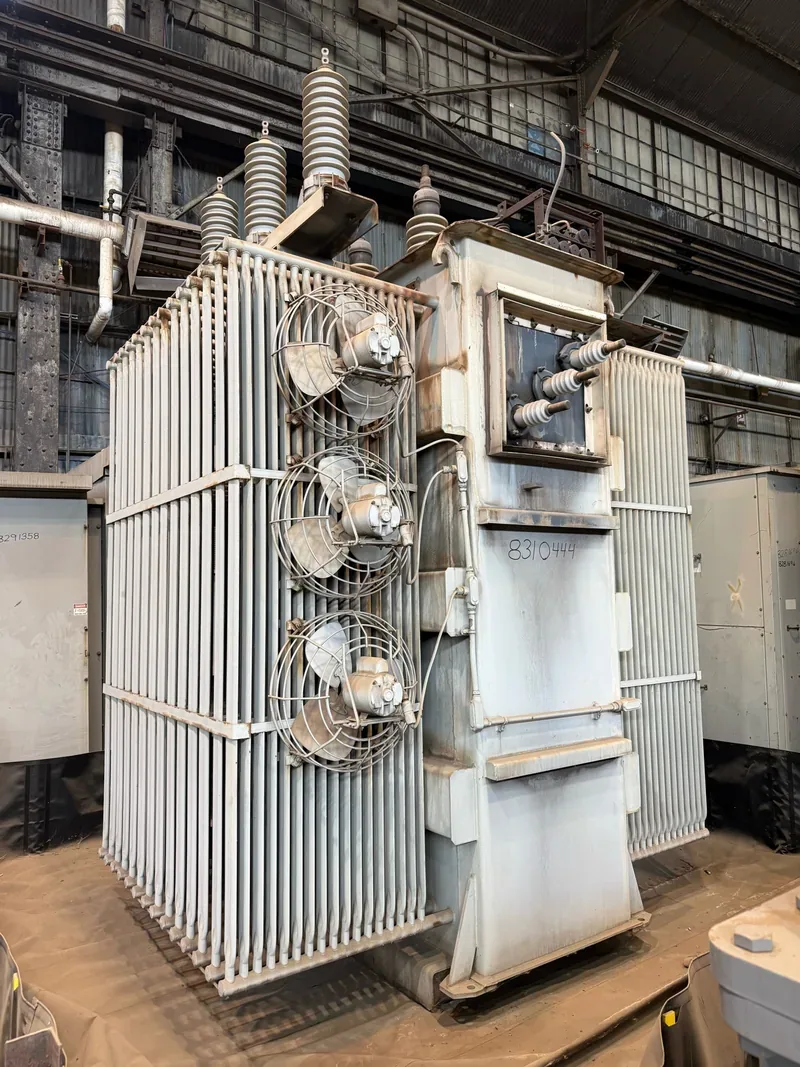
Dry-type transformers can be deceptively difficult to move. A compact 300 kVA unit may still be heavy enough to require a forklift, pallet jack, gantry, rollback, crane, machinery skates or specialty rigging. Access conditions matter just as much as weight. A transformer on a ground-level dock is a different job than one inside an electrical room behind narrow doors, on a roof, in a basement or on a mezzanine with limited headroom. We ask practical questions because removal planning protects your property and prevents delays.
When we purchase your transformer, we coordinate freight and the removal plan around the actual site. That may involve scheduling around facility hours, arranging proper trucks, confirming lift points, understanding whether disconnect work is already complete and reviewing loading access. We do not expect your company to become a shipping department for obsolete electrical equipment. Our role is to pay for the transformer and manage the pickup process so your team can clear space and move on.
Condition and testing
What to Photograph Before Requesting an Offer
The most useful photo is the nameplate. It should show the manufacturer, serial number, kVA, primary voltage, secondary voltage, phase, frequency, impedance, temperature rise, insulation class, enclosure rating and weight if listed. A sharp nameplate photo lets us identify the transformer without repeated back-and-forth. If the nameplate is faded, take one close image and one wider image of the entire side where it is mounted. Sometimes the cabinet, core and coil style, cooling vents or terminal layout help fill in missing details.
Additional photos should show the whole transformer from multiple sides, the inside if the doors can be opened safely, the terminations, any damage, the bottom base channels and the path out of the building. Photos of the dock, doorway, stairs, roof hatch, elevator or forklift access can be just as valuable as photos of the transformer. If the unit has bushings, fans, temperature monitors, tap changers or missing panels, show those clearly. Good photos help us quote faster and plan a cleaner removal.
Other transformers we buy
Common questions
Questions sellers ask
Do you buy dry-type transformers that no longer work?
Yes. We buy failed, burnt, shorted, outdated and scrap dry-type transformers as well as working units. A failed transformer may not have equipment value, but it can still contain copper or aluminium windings, core steel and other recoverable material. The offer depends on size, winding material, completeness, access and transportation cost. Send the nameplate and condition photos, and we will review it as a purchase, not as a disposal favor.
What information do you need from the nameplate?
The nameplate should show kVA, primary voltage, secondary voltage, phase, frequency, impedance, temperature rise, manufacturer, serial number and weight if available. For medium-voltage dry-type transformers, voltage class and insulation details are especially helpful. A clear nameplate photo often answers most valuation questions. If the plate is missing or unreadable, send photos of the whole unit, cabinet, terminations and any job records or drawings that identify the transformer.
Are copper-wound dry-type transformers worth more than aluminium units?
In many cases, yes. Copper-wound transformers usually have stronger recovery value than similar aluminium-wound units because the winding metal is more valuable. That said, total value is not based on winding material alone. A complete working aluminium unit in good condition may be more attractive than a damaged copper unit with missing parts and difficult removal. We review the full picture, including kVA, voltage, age, condition, access and freight.
Can you remove a transformer from inside an electrical room?
Yes, we can coordinate removal from electrical rooms, mechanical spaces, warehouses, docks, rooftops, basements and other facility locations. The details matter. We need to know whether the unit is disconnected, how wide the path is, whether there are stairs or elevators, and what lifting equipment can be used. Photos of the route out help us plan rigging and trucking before pickup so the job is handled efficiently.
Do dry-type transformers have oil that affects the offer?
Dry-type transformers normally do not contain insulating oil. Their windings are cooled by air and solid insulation systems rather than liquid. For that reason, oil condition is usually not part of valuing a dry-type unit. If your site also has padmount, substation or other liquid-filled transformers, oil leaks, oil condition and bushings may affect those separate pieces. We can review mixed groups of electrical transformers together.
Do you buy one transformer or only large lots?
We buy single dry-type transformers, multiple units from a project and larger groups from plant closures, upgrades or contractor inventory. One heavy, desirable transformer can be worth reviewing on its own, especially if it is complete and accessible. Larger lots may include working units, failed units and scrap together. Send photos, quantities, locations and nameplate details, and we will determine whether the purchase and pickup make sense.
Ready to move the unit?
If your company has a dry-type transformer sitting idle, removed from service or scheduled for demolition, turn it into a cash offer instead of letting it occupy valuable space. Transformers Buyers can evaluate the equipment, purchase working or failed units, and coordinate the freight and rigging needed to remove them. Contact Moses Johnson with photos, location details and nameplate information at 954-740-1983 and electricalequipmentbuyers@gmail.com