
Overview
Plant managers and electrical contractors often face a choice between local scrap yards, specialized metal recyclers, and dedicated electrical equipment buyers. Each option carries distinct trade-offs regarding how they value the internal components and who handles the heavy lifting. We purchase surplus and obsolete units directly from facilities nationwide, managing the entire extraction process.
Why sell to us
Local Scrap Yards and Basic Metal Valuation
Many facility managers initially contact local scrap yards when looking to dispose of obsolete electrical infrastructure. These facilities are generally convenient and willing to take mixed loads of industrial waste. However, standard scrap yards typically evaluate electrical equipment based strictly on gross weight and basic ferrous metal content. They rarely possess the expertise to differentiate between valuable internal components like copper windings and standard steel enclosures.
Because they operate on volume rather than specialized knowledge, local yards often provide the lowest overall return for heavy electrical assets. They expect you to deliver the unit to their scale, which means you must arrange and pay for your own rigging and flatbed transportation. If the unit still contains dielectric fluid, most standard yards will refuse the load entirely or require you to drain and certify the unit before arrival. This places the burden of environmental compliance squarely on your shoulders.
What we buy
Specialized Metal Recyclers and Oil Handling Fees
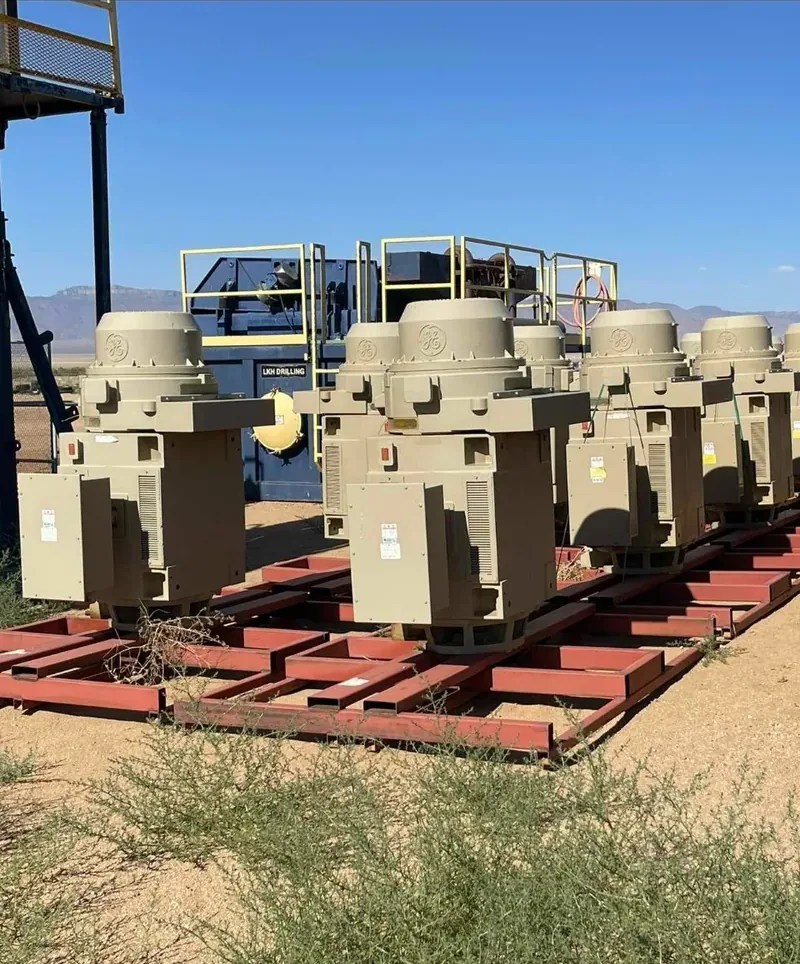
Specialized metal recyclers offer a step up from basic scrap yards because they understand how to extract non-ferrous metals from industrial machinery. These operations recognize the difference between copper and aluminum cores, and they adjust their offers based on the anticipated yield of these more valuable materials. They have the processing equipment necessary to tear down heavy steel tanks and separate the internal coils for melting.
Despite their better understanding of metal values, recyclers often introduce significant hidden costs into the transaction. Many of these facilities charge steep processing fees for handling oil-filled transformers, especially if the dielectric fluid requires testing for PCB content. They might offer a higher initial rate for the metal but then deduct environmental processing charges, draining fees, and disposal costs from your final payment. You must carefully review their terms to understand exactly what deductions will be applied to the gross offer.
How it works
Used Equipment Dealers and Resale Requirements
Another category of buyers includes used equipment dealers who acquire assets specifically to refurbish and place back into service. When dealing with these companies, the valuation is based on the potential secondary market demand for your specific kVA rating, primary voltage, and configuration. If you have a highly sought-after padmount or substation unit in excellent working condition, a dealer might present a strong offer based on its resale potential.
The primary drawback of working with resale dealers is their strict acceptance criteria. They are typically only interested in late-model units that require minimal reconditioning. If your equipment is damaged, weathered, missing its original nameplate, or simply too old for modern applications, dealers will likely pass on the opportunity. They do not want to tie up capital or yard space with units that can only be scrapped for raw materials, leaving you to find another solution for your older inventory.
Logistics and payment
Direct Electrical Equipment Buyers
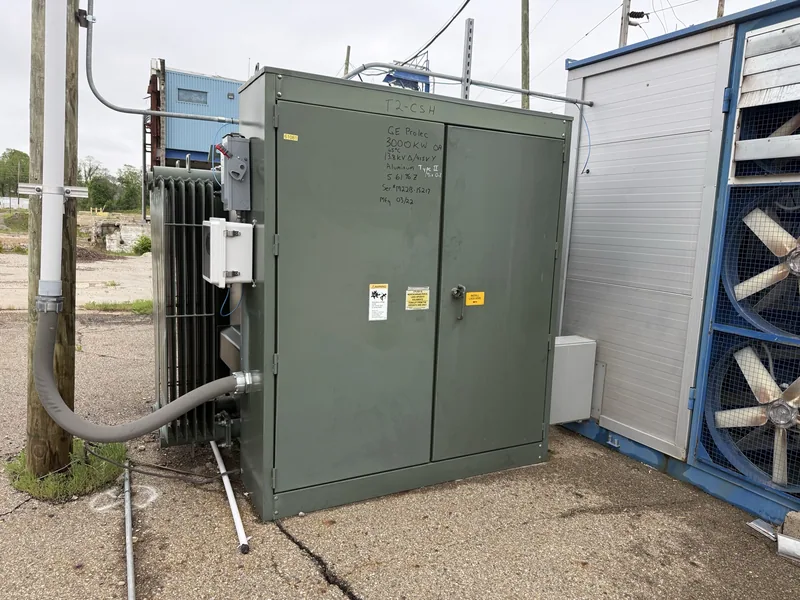
Working with a direct buyer that specializes in all conditions of electrical infrastructure provides a more comprehensive solution for facility managers. These buyers evaluate units based on both their potential for reuse and their intrinsic material value. Whether you have a pristine 100 MVA substation transformer or a burnt-out 15 kVA polemount unit, a dedicated buyer can assess its true worth and make a firm cash offer.
The most significant advantage of this route is the consolidation of services. A specialized buyer understands the complexities of extracting heavy electrical assets from active plants or remote utility sites. They coordinate the specialized rigging required to lift units weighing tens of thousands of pounds and arrange the appropriate heavy-haul freight. This approach eliminates the need for you to hire third-party crane operators or logistics brokers, streamlining the entire asset recovery process.
Detail
Essential Questions to Ask Before Accepting an Offer
Before signing an agreement with any buyer, you must clarify exactly who is responsible for the logistical and environmental aspects of the transaction. Always ask if the quoted price is a firm offer or if it is subject to deductions for freight, rigging, or processing. Many initial quotes look attractive until the buyer subtracts the cost of sending a crane and a lowboy trailer to your facility.
You must also establish clear expectations regarding dielectric fluid. Ask the buyer if they handle oil-filled units and who is responsible for testing, draining, and licensed disposal. If the unit is located inside a building or behind secure fencing, confirm that the buyer has the capability to perform complex extractions. Getting these details in writing prevents unexpected invoices and ensures that the removal process does not disrupt your ongoing operations.
Also worth knowing
How Transformer Specifications Influence the Final Valuation
Regardless of which type of buyer you choose, the physical characteristics of your equipment dictate its baseline value. The most critical factor is the winding material. Copper-wound units carry noticeably more value than aluminum-wound alternatives due to the higher commodity price of copper. Buyers will inspect the factory nameplate to verify the core material, total weight, and impedance specifications.
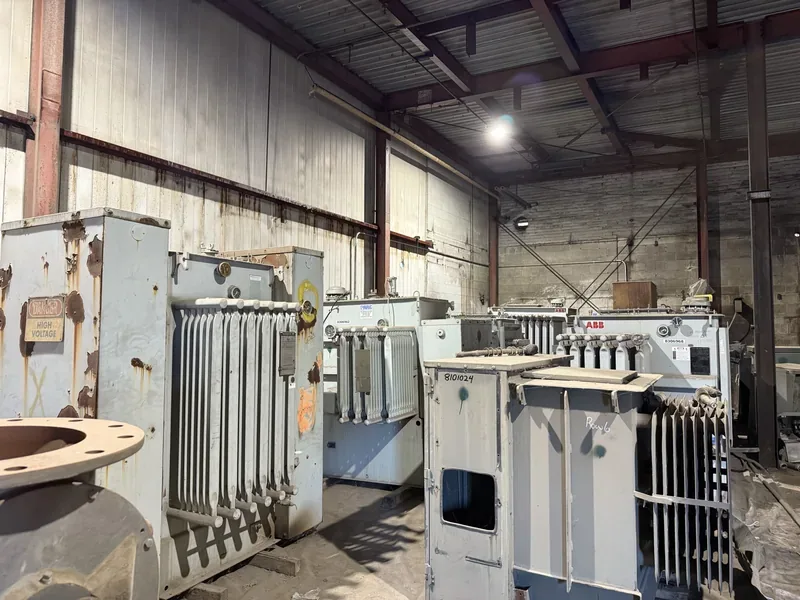
The physical size and capacity, measured in kVA or MVA, also play a major role in determining the offer. Larger substation and unit substation transformers contain massive amounts of recoverable metal, making them highly desirable even if they are completely non-functional. The condition of the external tank, the presence of cooling radiators, and the type of dielectric fluid all factor into the final assessment. Providing clear photographs of the unit and its data plate allows buyers to calculate an accurate valuation without requiring an immediate site visit.
Condition and testing
Managing the Logistics of Heavy Equipment Removal
The physical removal of a decommissioned transformer is often the most challenging part of the disposal process. These units are incredibly dense and awkwardly shaped, requiring specialized lifting plans and heavy-duty rigging equipment. Attempting to move a large padmount or dry-type unit with standard warehouse forklifts can result in severe property damage or workplace injuries.
Partnering with a buyer who manages the extraction logistics protects your facility and your personnel. Experienced buyers dispatch crews equipped with the proper jacks, skates, and cranes to safely navigate the equipment out of tight electrical rooms or away from active switchgear. By transferring the responsibility of rigging and freight to the buyer, you eliminate logistical headaches and ensure the equipment is removed safely, efficiently, and in full compliance with transportation regulations.
Brands
Brands that hold resale value over scrap value
More on transformer scrap value
Common questions
Questions sellers ask
Do companies that buy scrap transformers require the oil to be drained first?
This depends entirely on the type of buyer you select. Standard scrap yards usually require you to drain the dielectric fluid and provide documentation before they will accept the unit. In contrast, specialized electrical equipment buyers handle oil-filled units intact. They manage the testing, draining, and disposal through licensed channels, relieving your facility of the environmental processing burden.
How do buyers determine the value of a non-working transformer?
Buyers assess non-working units based primarily on their internal material composition and total gross weight. The most significant factor is whether the internal coils are wound with copper or aluminum, as copper yields a much higher return. The kVA rating, overall dimensions, and the current commodity prices for scrap metal also heavily influence the final cash offer.
Will the buyer pay for the rigging and freight costs?
Local recyclers typically expect you to deliver the equipment to their facility at your own expense. However, dedicated direct buyers usually factor the cost of removal into their offer. They arrange and pay for the necessary cranes, rigging crews, and heavy-haul flatbeds required to transport the equipment from your site to their processing facility.
What information should I provide to get an accurate purchase offer?
To receive a precise valuation, you should provide clear photographs of the entire unit and a close-up image of the factory nameplate. The nameplate contains crucial data including the kVA rating, primary and secondary voltages, total weight, and winding materials. You should also note any access restrictions at your facility that might complicate the removal process.
Can I sell a transformer if it has been sitting outside for years?
Yes, weathered or heavily rusted units still retain significant value due to their internal core materials. While severe external corrosion might eliminate the possibility of refurbishing the unit for resale, the internal copper or aluminum windings remain highly recoverable. Direct buyers will evaluate the unit based on its scrap material yield regardless of its external cosmetic condition.
Do buyers purchase dry-type transformers as well as oil-filled units?
Yes, specialized buyers purchase all configurations of electrical infrastructure, including indoor dry-type units, padmounts, and large substation transformers. Dry-type units are often easier to process because they do not contain dielectric fluid, eliminating the need for environmental testing and draining. The valuation for dry-type units relies heavily on the core winding material and total weight.
Ready to move the unit?
When you are ready to clear out obsolete electrical infrastructure, working with a direct buyer ensures a smooth and profitable transaction. We handle the valuation, rigging, and freight for all types of surplus equipment across the United States. Call or email us today at 954-740-1983 to discuss your inventory and receive a firm cash offer.