
Overview
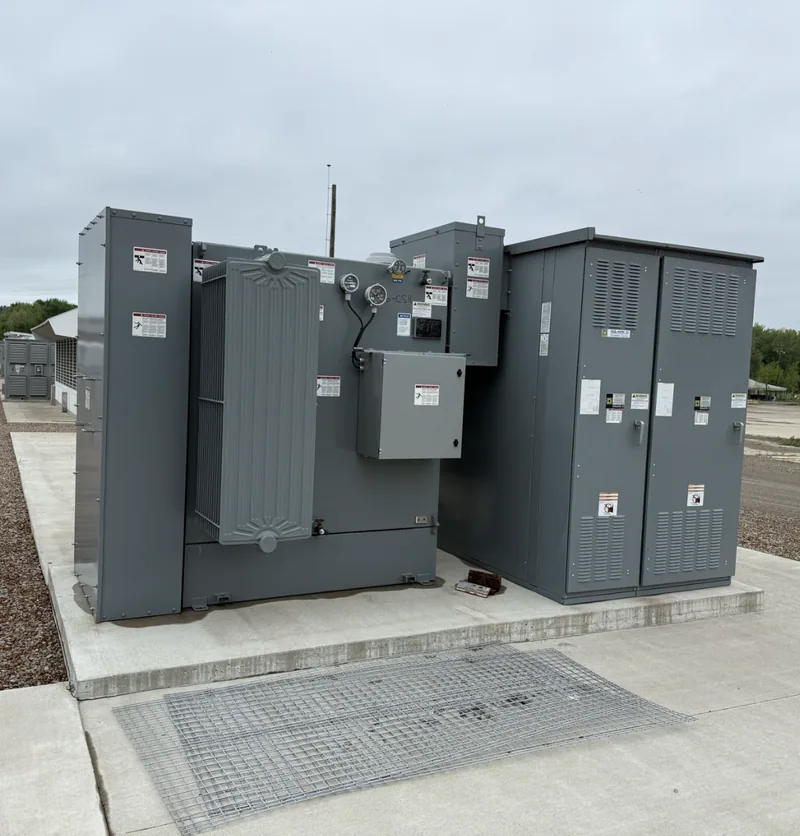
Whether you have a substation unit sitting idle or a padmount transformer scheduled for replacement, we evaluate the equipment based on its specifications and condition. Our team handles the heavy lifting, including rigging, freight, and removal from your facility. We work through licensed channels to ensure that older units are processed correctly. Contact us to turn your obsolete electrical infrastructure into recovered capital without the usual logistical headaches.
Why sell to us
Understanding the Need for Testing Older Units
When dealing with older oil-filled electrical equipment, assuming a unit is free of contaminants without proper documentation can lead to significant compliance issues. Transformers manufactured before the late 1970s were frequently filled with dielectric fluids containing polychlorinated biphenyls due to their excellent fire resistance and stability. Even if a facility has maintained a unit for decades, the original manufacturing standards dictate that it must be treated as suspect until a laboratory test confirms the actual concentration in the oil.
Testing is the only definitive way to establish the status of the dielectric fluid. A simple visual inspection or relying on the age of the equipment alone is insufficient for modern environmental compliance. We evaluate transformers based on their kVA rating, copper or aluminum windings, and overall condition, but the fluid status plays a critical role in how the unit is transported and processed. By securing an accurate test, facility managers can proceed with the removal process confidently.
What we buy
Decoding Nameplate Labels and Non-PCB Designations
The nameplate on a transformer provides essential data regarding its capacity, voltage, and manufacturing origins, but its statements about dielectric fluid require careful interpretation. A factory label stating that the unit was originally filled with non-PCB mineral oil reflects the condition at the time of manufacture. However, over decades of service, maintenance activities such as oil filtering, topping off, or refurbishing could have introduced contaminants from shared equipment or hoses.
Because cross-contamination was common in the industry before strict handling protocols were established, a non-PCB label does not eliminate the need for current testing. Regulatory bodies recognize that historical maintenance practices often compromised the original purity of the fluid. When we assess a transformer for purchase, we look at the nameplate to determine the core value drivers like weight and winding material, but we also require up-to-date fluid analysis to determine the appropriate handling and transport protocols.
How it works
The Three Regulatory Tiers of Concentration
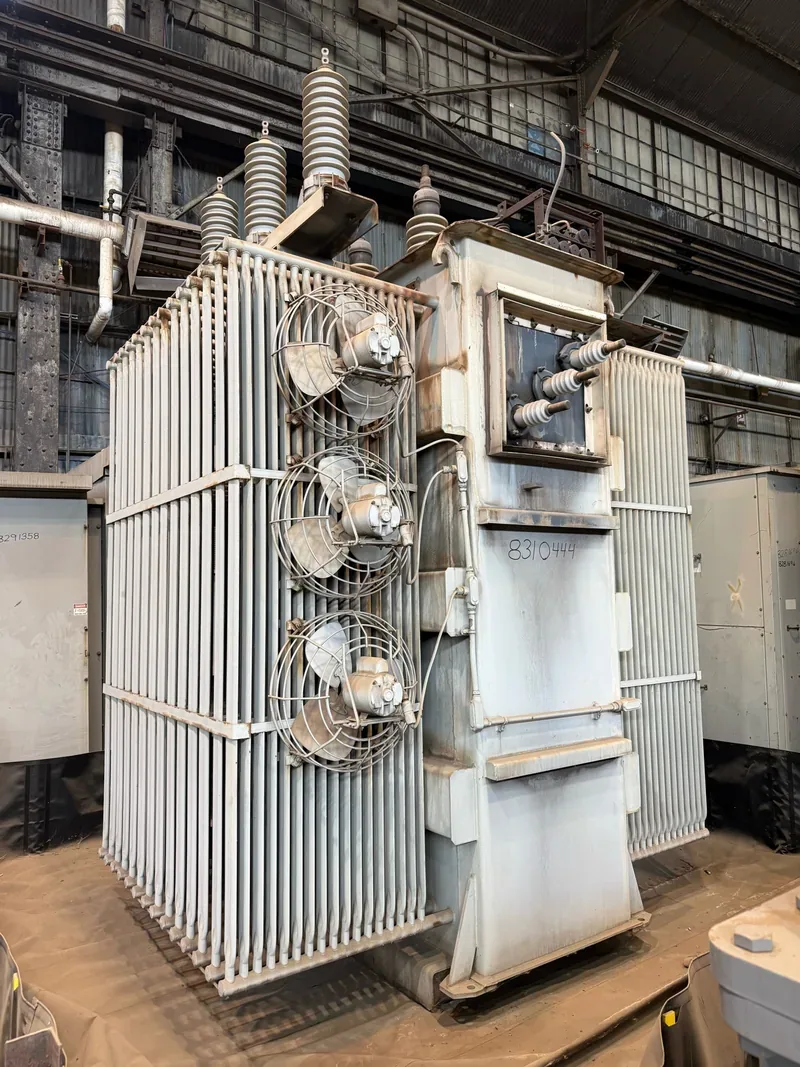
The classification of a transformer depends entirely on the parts per million concentration of polychlorinated biphenyls found in its dielectric fluid. Units testing below 50 parts per million are classified as non-PCB, which simplifies the logistics of removal and processing. These transformers can be transported and handled using standard industrial protocols, making the transaction straightforward for the facility owner.
Transformers with concentrations between 50 and 499 parts per million fall into the PCB-contaminated category, requiring specific handling, labeling, and transport procedures. Units testing at 500 parts per million or higher are classified as PCB transformers and are subject to the most stringent regulatory controls. Regardless of the tier, the presence of these compounds changes the paperwork and transport requirements rather than making the unit unsellable. We coordinate with licensed channels to ensure that equipment in any category is managed correctly during the removal process.
Logistics and payment
Why Fluid Status Impacts Logistics Rather Than Value
A common misconception among plant managers is that discovering contaminants in a transformer renders the equipment worthless or impossible to remove. In reality, the core value of the unit remains tied to its physical characteristics, such as the weight of the copper or aluminum windings, the size of the steel core, and the overall kVA rating. The fluid status primarily dictates the logistical path the unit must take once it leaves your facility.
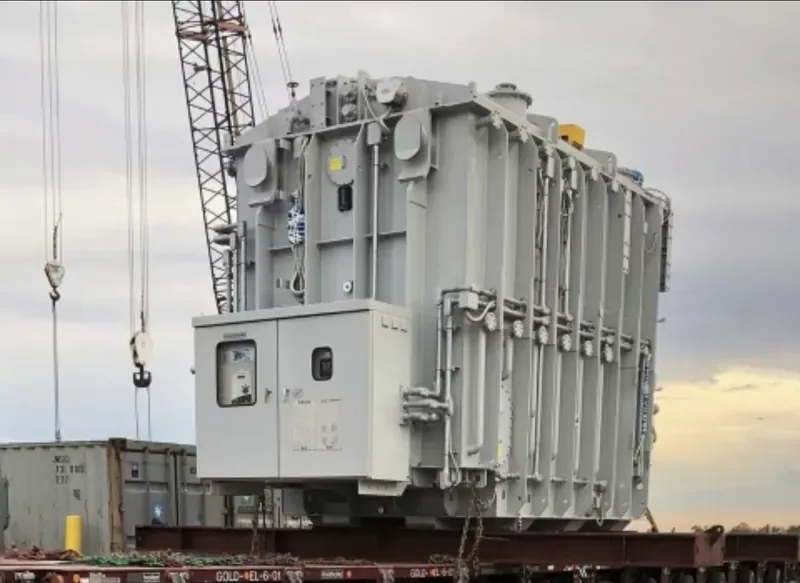
Higher concentrations require specialized transport vehicles, specific hazardous waste manifests, and processing at designated facilities equipped to handle the fluid safely. These additional logistical steps require careful coordination, but they do not negate the intrinsic value of the metals and components inside the transformer. We arrange the necessary freight and rigging, ensuring that the unit is transported in full compliance with environmental regulations while still providing a financial return for the surplus equipment.
Detail
Critical Mistakes to Avoid Before Removal
When preparing a transformer for removal, facility owners must avoid taking actions that could complicate the process or create environmental liabilities. One of the most critical rules is to never drain the oil from a suspect unit. Draining the fluid without proper containment and licensing can lead to spills, soil contamination, and severe regulatory penalties. The oil must remain securely inside the transformer until it reaches a facility authorized to process it.
Additionally, site personnel should never attempt to cut into the tank, remove the core, or move a leaking unit without specialized equipment. Disturbing the structural integrity of the transformer increases the risk of a spill and makes the eventual rigging and transport much more difficult. Our process involves assessing the unit exactly as it sits on your pad or in your substation. We handle the safe removal and transport, allowing your team to focus on their primary operational duties without taking on unnecessary risks.
Also worth knowing
How We Manage the Purchasing and Removal Process
Our approach to acquiring surplus electrical equipment is designed to minimize disruption to your facility while ensuring strict adherence to all handling protocols. Once you provide the nameplate data, photos, and any available testing documentation, we evaluate the transformer based on its specifications. We purchase a wide range of equipment, from 15 kVA polemounts to 100 MVA substation units, regardless of whether they are dry-type or oil-filled.
After reaching an agreement, we coordinate the entire removal operation. This includes scheduling the appropriate rigging equipment, securing the necessary freight transport, and ensuring that all paperwork aligns with the fluid classification of the unit. We travel to sites across the United States, managing the heavy lifting so that your personnel do not have to. By working through licensed channels, we provide a seamless transition for your obsolete equipment, turning idle assets into capital while handling the complex logistics of older oil-filled units.
Brands
Brands that hold resale value over scrap value
More on transformer scrap value
Common questions
Questions sellers ask
Does a non-PCB label on my transformer nameplate mean the oil is clean?
A factory label only indicates the fluid status at the exact time of manufacture. Over decades of use, maintenance procedures like oil filtering or topping off often introduced contaminants from shared hoses and equipment. Because cross-contamination was common, older units must be tested to confirm their current status before removal and transport.
Will you still buy my transformer if it tests positive for high concentrations?
Yes, the presence of contaminants changes the required transport and paperwork protocols rather than making the unit unsellable. The underlying value is based on the copper or aluminum windings, the steel core, and the kVA rating. We coordinate with licensed channels to manage the specialized freight and processing required for these units.
Should our maintenance team drain the oil before you pick up the transformer?
No, you should never drain the fluid from a transformer before removal. Draining the oil increases the risk of spills, environmental contamination, and regulatory violations. The fluid must remain securely inside the tank during transport. We assess the unit as it sits and arrange for proper handling through authorized facilities.
How do you determine the value of an older oil-filled transformer?
We evaluate the equipment based on its physical specifications, including the kVA rating, primary and secondary voltages, and whether it features copper or aluminum windings. Copper-wound units carry noticeably more value than aluminum-wound models. We also factor in the overall weight, condition, and the logistical requirements dictated by the fluid status.
Do you handle the rigging and freight for large substation transformers?
We arrange all the necessary rigging, heavy lifting, and freight for the transformers we purchase. Whether you have a small padmount unit or a massive 100 MVA substation transformer, we coordinate the logistics to remove the equipment safely from your site. We travel anywhere in the United States to manage the extraction.
What types of transformers do you typically purchase from facilities?
We buy a wide variety of surplus and decommissioned equipment, including padmount, substation, polemount, dry-type, and oil-filled transformers. Our purchasing scope covers distribution, step-up, step-down, unit substation, network, and pole-type units ranging from 15 kVA up to 100 MVA. We evaluate each unit based on its specifications and current condition.
Ready to move the unit?
If you have surplus or decommissioned transformers sitting idle at your facility, we are ready to evaluate your equipment and manage the entire removal process. We handle the complexities of older oil-filled units so you can clear your site safely and efficiently. Call or email us at 954-740-1983 to discuss your available equipment today.