
Overview
It contains all the critical specifications required to understand the unit's capabilities, its original design parameters, and its potential value in the secondary market. For facility managers, demolition contractors, and electrical professionals looking to liquidate surplus equipment, knowing how to read and interpret a transformer nameplate is essential. The data on this plate dictates whether a unit is suitable for a specific application, how it must be transported, and ultimately, how much it is worth. Without the nameplate, evaluating a transformer becomes a complex and uncertain process. We rely heavily on nameplate data to provide accurate, competitive cash offers for used and surplus transformers. By understanding the key fields on the nameplate, you can streamline the selling process and ensure you receive the maximum return for your equipment. We purchase transformers nationwide, and a clear photo of the nameplate is the first step in our seamless acquisition process.
Why sell to us
Locating the Transformer Nameplate
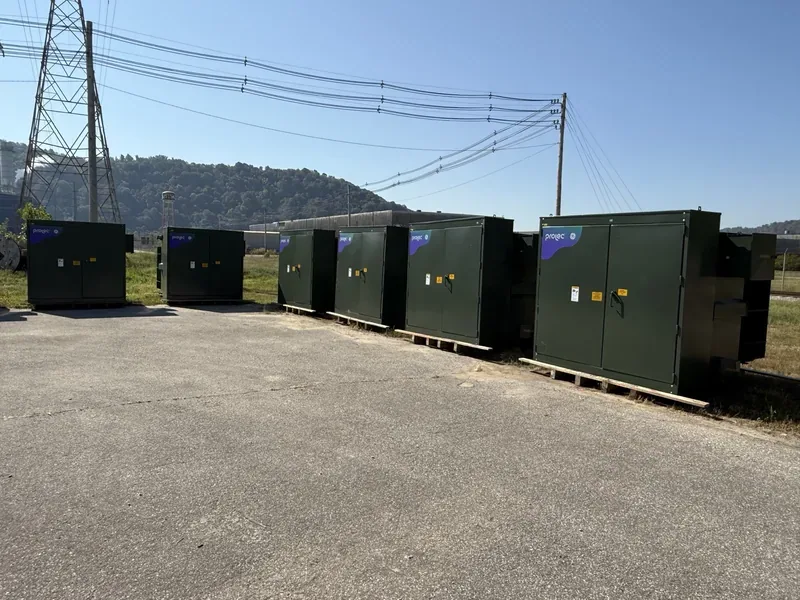
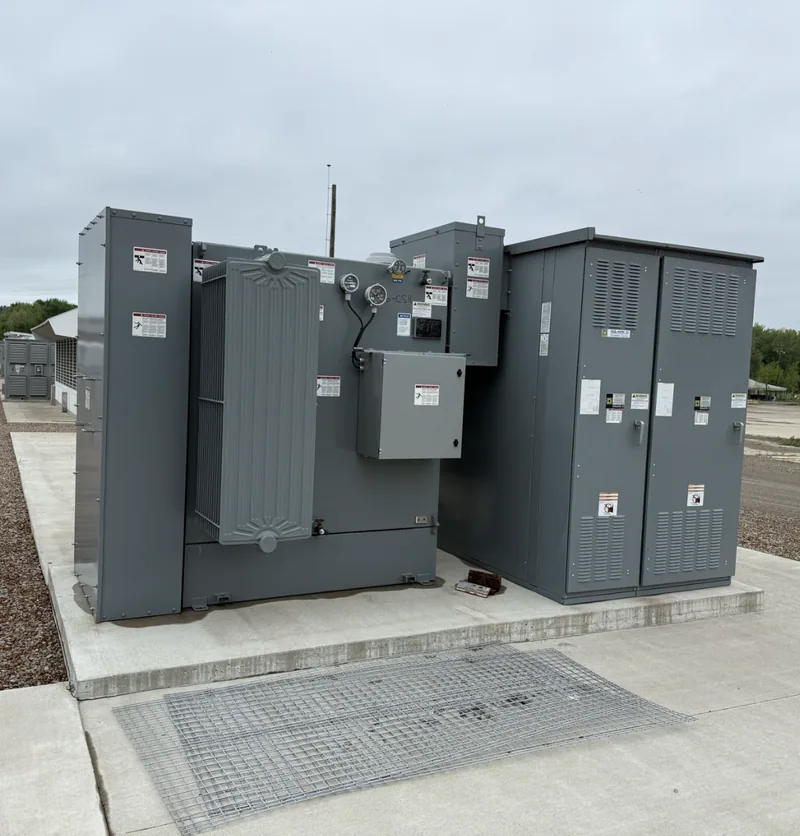
Before you can read the nameplate, you must first locate it. On most large liquid-filled transformers, such as substation or pole-mounted units, the nameplate is typically riveted or welded to the main tank, often near the control cabinet or the primary bushings. It is usually positioned at eye level to allow for easy reading by maintenance personnel. On padmount transformers, the nameplate is frequently located inside the low-voltage compartment door, protecting it from weather and vandalism.
For dry-type transformers, the nameplate is generally found on the front or side of the ventilated enclosure. Over time, nameplates can become dirty, painted over, or corroded, making them difficult to read. It is important to carefully clean the plate with a non-abrasive cloth and mild solvent if necessary, ensuring that the stamped or engraved numbers remain legible. A clear, high-resolution photograph of the entire nameplate is the most effective way to transmit this critical data to a buyer, as it eliminates the risk of transcription errors.
What we buy
Understanding kVA Rating and Capacity
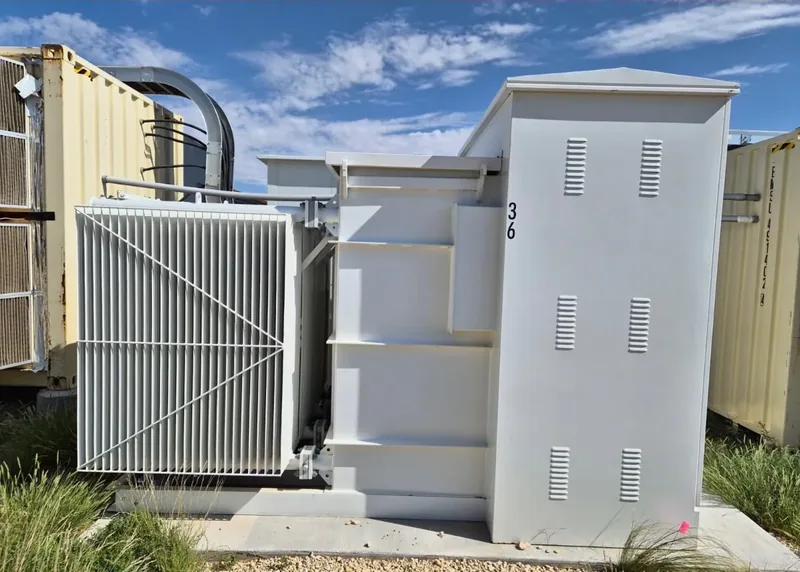
The most prominent specification on any transformer nameplate is the kVA (kilovolt-ampere) rating. This number represents the apparent power capacity of the transformer, indicating the maximum load it can safely handle under normal operating conditions. The kVA rating is a primary determinant of the transformer's physical size, weight, and value. Small pole-mounted units might have a rating of 25 kVA or 50 kVA, while massive substation transformers can be rated for tens of thousands of kVA.
In the secondary market, the kVA rating helps buyers quickly categorize the equipment and match it with potential applications. Higher kVA transformers generally contain more copper or aluminum and more core steel, making them inherently more valuable both as reusable equipment and as scrap. When submitting information for a cash offer, the kVA rating is the first metric we look at to establish a baseline valuation for the unit.
How it works
Decoding Primary and Secondary Voltages
The primary and secondary voltage ratings are crucial for determining how the transformer integrates into an electrical system. The primary voltage, often referred to as the high voltage (HV), indicates the input voltage the transformer is designed to receive from the utility or power source. The secondary voltage, or low voltage (LV), indicates the output voltage the transformer delivers to the facility or load. These figures are typically expressed in volts (V) or kilovolts (kV).
The nameplate will also indicate whether the transformer is configured for single-phase or three-phase power. Three-phase transformers will often display complex voltage ratings, such as 12470Y/7200 for the primary and 480Y/277 for the secondary, indicating both the phase-to-phase and phase-to-neutral voltages. Understanding these voltage specifications is vital because a transformer can only be reused if its voltage ratings perfectly match the requirements of the new installation. Units with common, highly sought-after voltage configurations often command a premium price.
Logistics and payment
Identifying Winding Material: Copper vs. Aluminum
The material used for the transformer's internal windings significantly impacts its value, weight, and performance. The nameplate will explicitly state whether the windings are made of copper (Cu) or aluminum (Al). In some cases, a transformer may have a combination of both, such as copper primary windings and aluminum secondary windings. This information is usually found in the technical specifications section of the plate.
Copper is a superior conductor of electricity compared to aluminum, allowing for a more compact design and greater efficiency. Because copper is a more expensive commodity, transformers with copper windings are generally worth considerably more than their aluminum counterparts. This holds true whether the transformer is being sold as a working unit or being recycled for its raw materials. Accurately identifying the winding material from the nameplate is essential for receiving an accurate and fair valuation.
Detail
Weight and Oil Capacity Specifications
Logistics play a major role in the acquisition and removal of surplus transformers, making the weight and oil capacity specifications on the nameplate incredibly important. The nameplate will list the total weight of the transformer, often broken down into the weight of the core and coils, the weight of the tank and fittings, and the weight of the insulating fluid. For liquid-filled transformers, the volume of the oil is also provided, typically in gallons.
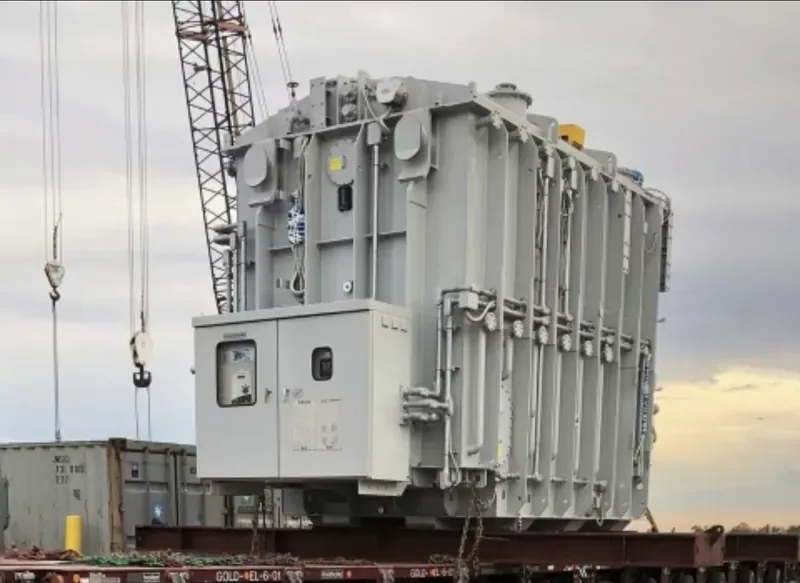
Knowing the exact weight is necessary for coordinating the appropriate heavy-haul freight and rigging equipment. A transformer that weighs 10,000 pounds requires vastly different logistical planning than one that weighs 100,000 pounds. Furthermore, the oil capacity informs the environmental and handling procedures required during transportation and processing. We use this data to calculate the precise costs of freight and extraction, ensuring that our cash offer is comprehensive and that the removal process is executed safely and efficiently.
Also worth knowing
Impedance and Vector Group Data
For electrical engineers and technicians looking to reuse a transformer, the impedance (%Z) and vector group are critical specifications found on the nameplate. Impedance is a measure of the opposition to current flow within the transformer and is expressed as a percentage. This value is essential for calculating short-circuit currents and ensuring that transformers can be safely operated in parallel. If two transformers have significantly different impedance values, they cannot be connected together without risking severe damage.
The vector group, typically found on three-phase transformers, indicates the configuration of the winding connections (such as Delta or Wye) and the phase shift between the primary and secondary voltages. Common vector groups include Dyn1 or YNd11. This information is highly technical but absolutely necessary for integrating the transformer into a complex electrical grid. While these details may not directly impact the scrap value of a failed unit, they are vital for determining the resale potential of a working transformer.
Common questions
Questions sellers ask
Why is the transformer nameplate so important when selling surplus equipment?
The nameplate provides all the essential technical specifications, including the kVA rating, voltages, weight, and winding material. This data allows us to accurately determine the transformer's capabilities, its logistical requirements for removal, and its true market value, ensuring we can provide a precise cash offer.
What should I do if the nameplate is missing or unreadable?
If the nameplate is missing or completely illegible, evaluating the transformer becomes more difficult but not impossible. We can often estimate the specifications based on the physical dimensions, the manufacturer, and the original installation documents. However, having a clear nameplate significantly speeds up the valuation process.
Does the nameplate indicate if the transformer contains PCBs?
The nameplate typically indicates the type of insulating fluid originally used, such as mineral oil or a specific brand name like Askarel, which contains PCBs. However, the nameplate does not ensure the current PCB concentration, as the oil may have been replaced or contaminated over time. Separate oil testing is often required.
How does the winding material listed on the nameplate affect the value?
The nameplate will specify whether the windings are copper or aluminum. Copper is a more valuable commodity and a better conductor, so transformers with copper windings are generally worth more money, both as reusable electrical equipment and as scrap material.
Why do you need a photo of the nameplate instead of just the numbers?
A clear photograph eliminates the risk of transcription errors and provides us with the complete context of the data. Nameplates often contain complex diagrams, vector groups, and specific manufacturer codes that are difficult to accurately type out but are easily understood by our evaluation team.
Ready to move the unit?
The transformer nameplate is the key to unlocking the value of your surplus electrical equipment. By understanding how to read the kVA rating, voltage specifications, winding material, and weight, you can better assess the assets you have on hand. Whether you are clearing out a storage yard, upgrading a facility, or managing a demolition, this small metal tag provides the critical data needed to facilitate a smooth and profitable transaction. We make the process of selling your surplus transformers simple and straightforward. Just send us a clear photo of the nameplate, and our team will quickly evaluate the equipment and provide a competitive cash offer. We handle all the logistics, freight, and rigging across all 50 states. Call 954-740-1983 or email electricalequipmentbuyers@gmail.com today to turn your surplus transformers into capital.