
Overview
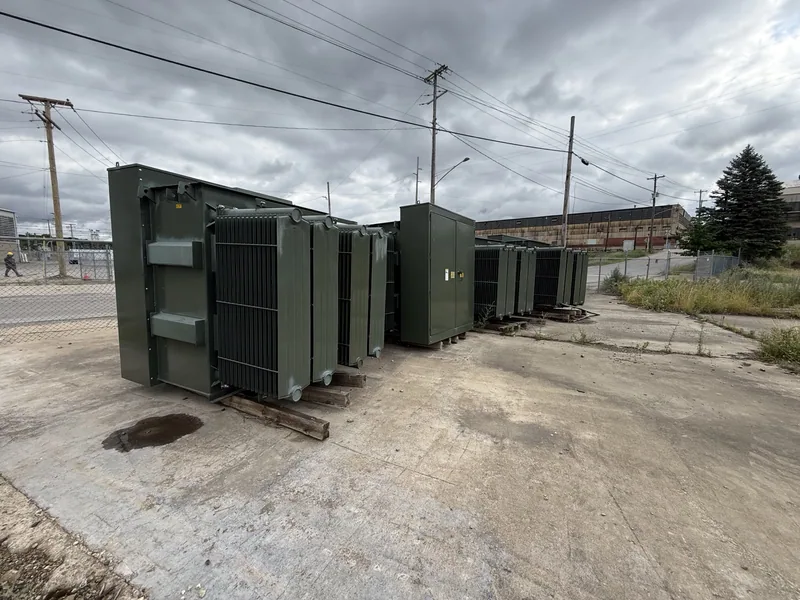
Many facility managers and contractors possess valuable electrical assets but are unsure how to interpret the dense technical data stamped onto these metal plates. We buy transformers from businesses across all 50 states, and our valuation process begins with the details found on the nameplate. Understanding how to read this information not only helps you communicate effectively with buyers but also ensures you receive an accurate cash offer for your equipment. This guide breaks down the key components of a transformer nameplate, explaining what terms like kVA, primary voltage, impedance, and winding material mean in the context of selling your surplus infrastructure. By mastering the nameplate, you can streamline the disposition process and maximize your return.
Why sell to us
Locating the Nameplate and Basic Information
The first step is simply locating the nameplate on the transformer. For padmount and substation transformers, it is typically a metal plate riveted or screwed to the exterior casing, often near the control cabinet or primary bushings. On dry-type transformers, it is usually found on the front enclosure panel. The nameplate contains the manufacturer's name, the serial number, and the date of manufacture. The serial number is crucial for tracking the unit's history and verifying its specifications with the original builder.
The date of manufacture provides immediate context regarding the transformer's age and potential design standards. While older transformers can still hold significant value, especially if they are copper-wound, age can influence the likelihood of PCB contamination in the insulating oil of older liquid-filled units. Providing a clear, legible photograph of the entire nameplate is the most efficient way to convey this basic information when requesting a cash offer for your surplus equipment.
What we buy
Understanding kVA Rating and Capacity
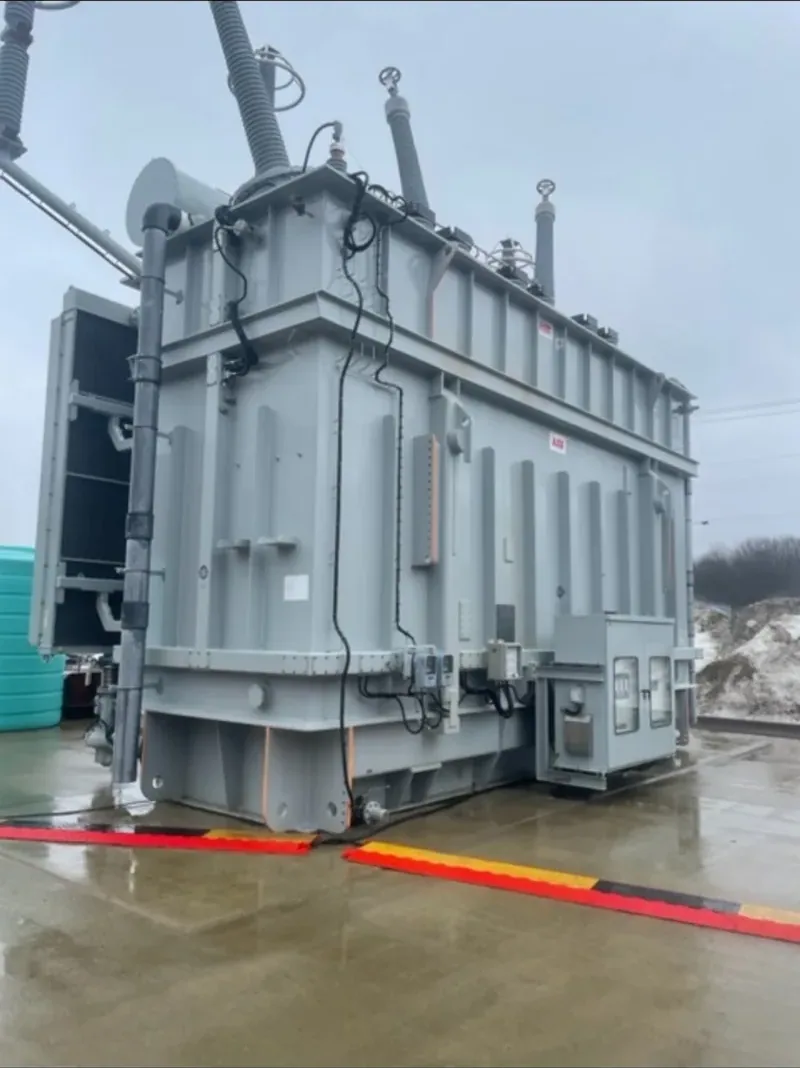
The kVA (kilovolt-ampere) rating is arguably the most prominent specification on the nameplate. It indicates the apparent power capacity of the transformer—essentially, how much electrical load the unit can handle. Common kVA ratings for distribution transformers range from 15 kVA up to 5000 kVA or more for larger industrial units. The kVA rating directly correlates to the physical size and weight of the transformer, which are major factors in determining both its resale value and its scrap value.
Larger kVA transformers contain more core steel and winding material, making them inherently more valuable in a scrap scenario. In the resale market, standard kVA sizes that are frequently used in commercial and industrial applications tend to have higher demand. When you contact us to sell your equipment, the kVA rating is one of the first metrics we use to establish a baseline valuation for your surplus assets.
How it works
Decoding Primary and Secondary Voltages
The voltage ratings on the nameplate describe the electrical transformation the unit performs. The primary voltage (often labeled as High Voltage or HV) is the input voltage from the utility or source, while the secondary voltage (Low Voltage or LV) is the output voltage delivered to the facility or load. These are typically expressed in a format like 12470GrdY/7200 for primary and 480Y/277 for secondary. The letters 'Y' (Wye) and 'Delta' indicate the configuration of the internal windings.
The specific voltage combination is critical for determining the transformer's resale potential. Standard voltage configurations, such as stepping down 12470V to 480V, are highly sought after in the secondary market because they are widely used across various industries. Highly specialized or non-standard voltages may limit the pool of potential buyers, potentially shifting the unit's valuation closer to its scrap material worth. We evaluate all voltage configurations, providing cash offers based on current market demands.
Logistics and payment
Identifying the Winding Material: Copper vs. Aluminum
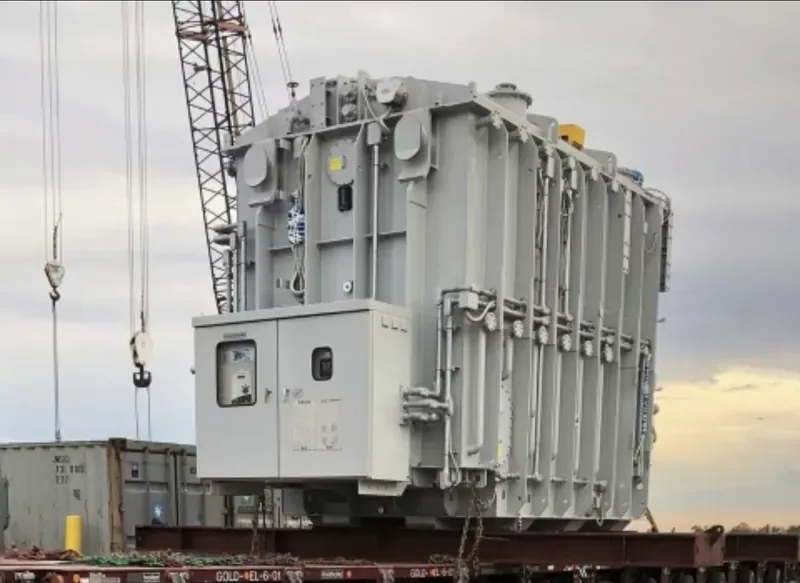
One of the most vital pieces of information for determining a transformer's value, particularly in a scrap scenario, is the material used for the internal windings. The nameplate will often indicate whether the windings are made of copper (Cu) or aluminum (Al). Sometimes this is explicitly stated, while other times it may be abbreviated or included in the model number nomenclature. Copper is significantly more conductive and heavier than aluminum, and it commands a much higher price on the commodities market.
If a transformer has failed and is being sold for scrap, a copper-wound unit will yield a substantially higher cash offer than an identically sized aluminum-wound unit. Even for working transformers, copper windings are often preferred for their durability. If the nameplate does not clearly state the winding material, our experienced team can often determine it based on the manufacturer, model year, and total weight of the unit. We ensure that your equipment is accurately assessed so you receive the maximum value for its components.
Detail
Impedance and Vector Group Specifications
Impedance, usually expressed as a percentage (%Z), is a measure of the opposition to current flow within the transformer. It is a critical factor when engineers are designing electrical systems, particularly for calculating short-circuit currents and coordinating protective devices. While impedance might seem like an obscure technical detail, it is essential information for anyone looking to purchase a transformer for reuse. A unit with a standard impedance is much easier to integrate into an existing system.
The vector group (e.g., Dyn1) describes the phase shift between the primary and secondary windings and the winding connections. This is crucial when transformers need to be operated in parallel. Providing this information by sharing the nameplate allows us to quickly determine if your surplus transformer matches the specific requirements of buyers in the secondary market, thereby maximizing its potential resale value.
Also worth knowing
Streamlining the Selling Process with Nameplate Data
The nameplate is the key to unlocking the value of your surplus electrical equipment. By understanding the data it presents, you can better anticipate the valuation of your assets. However, you do not need to be an electrical engineer to sell your transformers. The most effective step you can take is to capture a high-resolution photograph of the nameplate and send it to a specialized buyer. This single image provides almost all the technical data required to formulate an accurate offer.
We simplify the disposition process for businesses nationwide. Once we receive your nameplate photos and a brief description of the equipment's condition, we quickly assess its value—whether for resale or scrap—and present a cash offer. We handle all the complex logistics, including heavy freight and rigging, ensuring a smooth and efficient removal of the equipment from your facility. Turn your idle transformers into capital today by sharing your nameplate data with our team.
Common questions
Questions sellers ask
Where is the nameplate usually located on a transformer?
On padmount and substation transformers, the metal nameplate is typically attached to the exterior casing, often near the primary bushings or control cabinet. On dry-type units, it is usually found on the front panel of the enclosure.
Why is the kVA rating important when selling a transformer?
The kVA rating indicates the power capacity and physical size of the transformer. Larger kVA units contain more core steel and winding material, making them more valuable for both resale and scrap purposes.
How can I tell if my transformer has copper or aluminum windings?
The winding material is often listed on the nameplate as 'Cu' for copper or 'Al' for aluminum. If it is not explicitly stated, our team can usually determine the material based on the manufacturer, model, and total weight.
Do I need to understand all the technical data to sell my equipment?
No, you do not need to understand all the technical specifications. Simply taking a clear, legible photograph of the entire nameplate and sending it to us provides all the information we need to evaluate the equipment and make a cash offer.
Will you buy my transformer if the nameplate is missing or unreadable?
Yes, we still buy transformers without legible nameplates. While it makes the initial valuation slightly more complex, we can use physical dimensions, weight, and visual inspection to determine the unit's specifications and provide a cash offer.
Ready to move the unit?
Your transformer's nameplate holds the critical information needed to turn surplus equipment into working capital. Whether your units are destined for the secondary market or are valued for their raw materials, accurate identification is the first step. We buy used, surplus, and scrap transformers from businesses across all 50 states, providing competitive cash offers based on the true specifications of your equipment. We handle all the heavy lifting, rigging, and freight, making the selling process effortless. Contact us today at 954-740-1983 or email electricalequipmentbuyers@gmail.com to get started.