
Overview
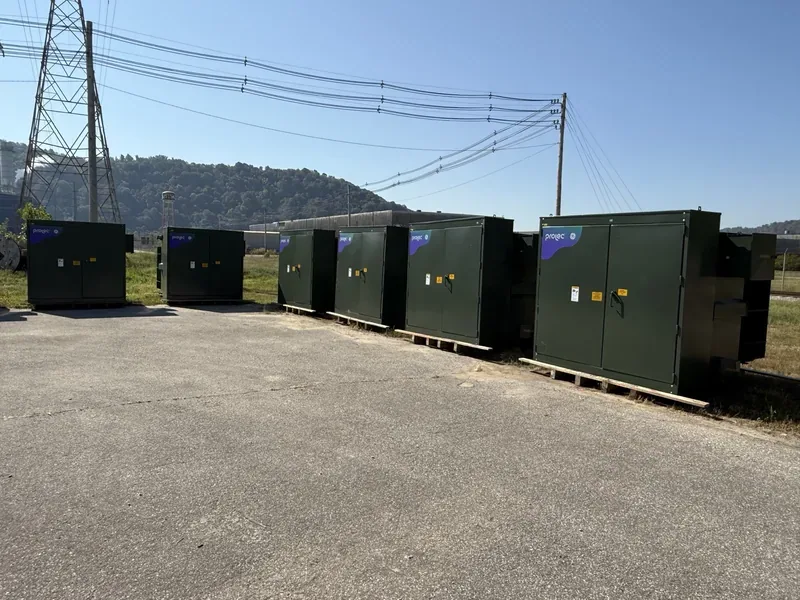
We specialize in buying used, surplus, and failed transformers from businesses, contractors, and utilities. We understand the intricate details of how these units are constructed and exactly what materials they contain. Whether you are clearing out a storage yard full of old polemounts or decommissioning a massive substation unit, we evaluate the equipment to provide a fair cash offer based on its material worth. We handle the heavy lifting, managing the freight and logistics across all 50 states, so you can efficiently dispose of your failed equipment and recover capital. Understanding how scrap value is calculated can help you make informed decisions when managing your surplus electrical assets.
Why sell to us
The Core Components of Scrap Value
The scrap value of a transformer is primarily determined by three main materials: the conductive windings, the magnetic core, and the outer casing or tank. The most valuable component is typically the winding material, which is made of either copper or aluminum. Copper is significantly more valuable per pound than aluminum, so identifying the winding material is a crucial first step in the valuation process.
The magnetic core is constructed from specialized electrical steel. While not as valuable as copper, the sheer weight of the core in larger transformers means it contributes substantially to the overall scrap value. This steel is highly recyclable and sought after in the scrap metal market. Finally, the outer tank, usually made of carbon steel, adds to the total weight and value, though at a lower rate than the internal components.
When we evaluate a failed transformer, we analyze the nameplate data and the physical dimensions to estimate the weight and type of these internal materials. This allows us to calculate a precise scrap value and present you with a competitive cash offer, ensuring you receive fair compensation for the raw materials contained within your obsolete equipment.
What we buy
Copper vs. Aluminum Windings
The distinction between copper and aluminum windings is the single most significant factor in determining a transformer's scrap value. Historically, copper was the standard due to its superior conductivity and compact size. Older transformers are more likely to contain copper windings, making them highly valuable in the scrap market.
In recent decades, aluminum has become increasingly common, especially in dry-type and smaller distribution transformers, due to its lower cost and lighter weight. While aluminum is still a valuable recyclable material, a transformer wound with aluminum will have a noticeably lower scrap value compared to an identically sized unit wound with copper.
Determining the winding material isn't always straightforward just by looking at the outside of the tank. We rely on our extensive experience, manufacturer data, and specific details found on the nameplate to accurately identify whether a unit contains copper or aluminum. This expertise ensures that our cash offers accurately reflect the true material value of your surplus transformers.
How it works
The Role of Transformer Oil
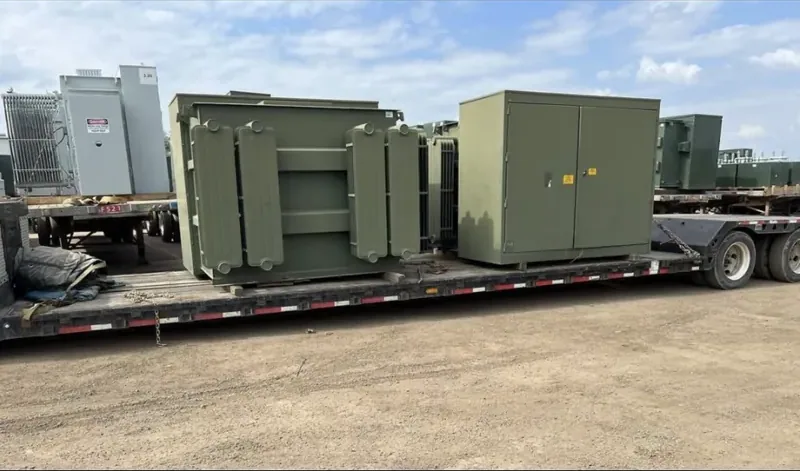
Many transformers, particularly padmount, polemount, and substation types, are filled with dielectric oil to provide insulation and cooling. When evaluating the scrap value of these units, the presence and condition of this oil must be considered. The oil itself is not typically a value-add in the scrap process; in fact, it represents a logistical and environmental responsibility.
The oil must be safely drained, transported, and either recycled or disposed of in accordance with environmental regulations. This process requires specialized equipment and expertise. If a transformer contains older oil that may be contaminated with PCBs (Polychlorinated Biphenyls), the handling and disposal costs increase significantly, which can impact the net scrap value.
When you sell your failed or obsolete transformers to us, we manage these environmental responsibilities. We handle the logistics of safely transporting oil-filled units and ensure that the oil is processed correctly. You do not need to drain the units before we pick them up; we factor the management of the oil into our comprehensive evaluation and cash offer.
Logistics and payment
Size and Weight Considerations
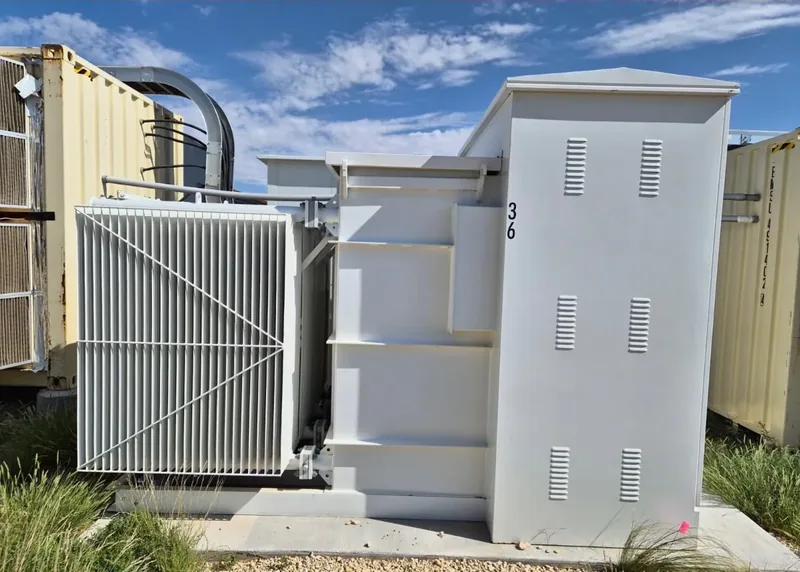
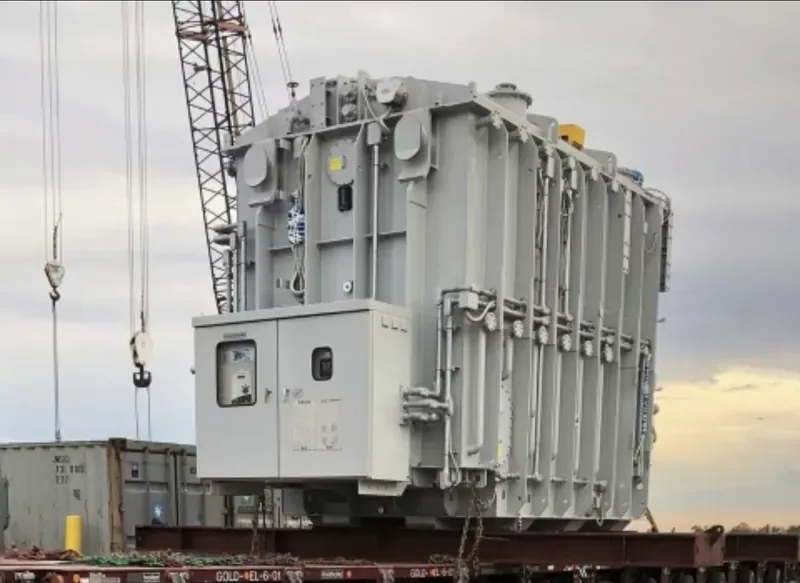
The physical size and total weight of a transformer are direct indicators of its potential scrap value. Larger units, such as those used in substations or heavy industrial applications, contain massive amounts of steel and conductive metals. A single large substation transformer can weigh tens of thousands of pounds, translating to a substantial material value.
However, the size and weight also dictate the complexity and cost of the logistics required to remove the unit. Extracting a massive transformer from a facility requires heavy-duty rigging, specialized cranes, and specialized freight transport. These logistical costs are a necessary part of the process of realizing the scrap value of the equipment.
We specialize in managing these complex logistics. We operate nationwide and have the network and expertise to handle the freight and rigging for transformers of any size. When we provide a cash offer, it accounts for the material value of the unit while absorbing the logistical challenges, providing you with a seamless and profitable disposition solution.
Detail
Why Sell for Scrap Value?
Businesses often hold onto failed or obsolete transformers, unsure of what to do with them. These units take up valuable space in storage yards or facilities, tying up resources and potentially posing environmental risks if they begin to leak. Selling these units for their scrap value is the most efficient way to clear space and recover capital from assets that are no longer operational.
Attempting to scrap a transformer internally is rarely cost-effective for a business. It requires specialized labor to safely dismantle the unit, separate the materials, and manage the hazardous components like the dielectric oil. Furthermore, selling the raw materials to a general scrap yard often results in lower returns, as they may not fully appreciate the specific value of the electrical steel or the exact copper content.
By selling to a specialized buyer like us, you bypass these challenges. We understand the precise composition of electrical transformers and offer competitive prices based on that knowledge. We handle the entire process, from evaluation to pickup, allowing you to focus on your core business operations.
Also worth knowing
Our Evaluation and Buying Process
Our process for buying transformers for their scrap value is designed to be straightforward and transparent. We focus exclusively on purchasing from businesses and do not sell equipment, which means our sole objective is to provide you with the best possible offer for your surplus assets.
To begin the evaluation, we typically request clear photos of the transformer and a close-up of the manufacturer's nameplate. The nameplate provides critical data, such as the total weight, core and coil weight, and sometimes the winding material, which allows us to accurately estimate the scrap value. Based on this information, we will quickly present you with a cash offer.
Once you accept the offer, we take over the logistics. We coordinate the freight and any necessary rigging to safely remove the equipment from your site, whether you are located in a major metropolitan area or a remote industrial site. We operate in all 50 states, ensuring a smooth and efficient transaction from start to finish.
Common questions
Questions sellers ask
How do I know if my transformer has copper or aluminum windings?
Sometimes the nameplate will explicitly state the winding material (e.g., 'CU' for copper or 'AL' for aluminum). If it doesn't, we use our experience, the manufacturer's data, and the unit's weight-to-kVA ratio to determine the material. You can send us a photo of the nameplate, and we can usually identify it for you.
Do I need to drain the oil before selling a transformer for scrap?
No, you do not need to drain the oil. We handle the logistics of transporting oil-filled units safely and in compliance with environmental regulations. We manage the proper recycling or disposal of the oil as part of our comprehensive service.
Will you buy a transformer if it is completely burnt out or severely damaged?
Yes, we buy transformers in any condition, including those that have suffered catastrophic failures, fires, or severe physical damage. The scrap value is based on the raw materials—the copper, aluminum, and steel—which retain their value regardless of the unit's operational state.
How is the scrap value calculated?
Scrap value is calculated by estimating the weight of the different materials inside the transformer, primarily the copper or aluminum windings and the steel core. We use the nameplate data and physical dimensions to make these estimates and then apply current market rates for those specific metals to generate a cash offer.
Do you cover the cost of freight and rigging for scrap transformers?
Yes, we handle and cover the costs of freight and rigging. When we provide a cash offer for your surplus or failed transformers, it is a comprehensive offer that includes the logistics of removing the equipment from your site, anywhere in the country.
Ready to move the unit?
Failed, obsolete, or damaged transformers still hold significant value in their raw materials. Don't let these heavy units take up space and become a liability. We are serious buyers of scrap transformers, offering competitive cash offers based on the true material worth of the copper, aluminum, and steel inside. We make the process effortless by handling all the complex logistics, including nationwide freight and rigging. Turn your end-of-life electrical equipment into capital today. Call Moses Johnson at 954-740-1983 or email electricalequipmentbuyers@gmail.com for a fast and fair evaluation.