
Overview
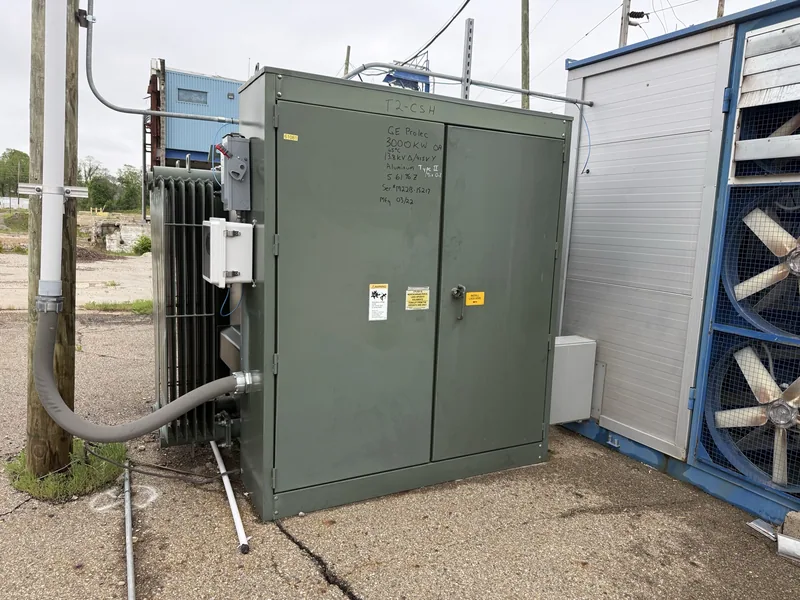
By physically changing the number of active turns in the high-voltage winding, the mechanism compensates for voltage drop across long distribution lines. When facility managers evaluate their surplus electrical equipment, the type and condition of the tap changer play a significant role in determining the asset's residual value. These mechanisms are complex assemblies of copper contacts, insulating boards, and mechanical linkages submerged in dielectric fluid. Because they contain moving parts that experience mechanical wear and electrical arcing, they are often the focal point of maintenance and a common point of failure. Understanding the tap changer's physical state is essential before you get your equipment ready to sell.
Why sell to us
The Mechanics of Voltage Regulation Through Turns Ratio Adjustment
Voltage transformation relies on the ratio of turns between the primary and secondary coils. When the incoming grid voltage fluctuates, the tap changer allows the operator to select a different connection point along the winding. This adjustment changes the effective turns ratio, raising or lowering the secondary output voltage to keep it within the strict tolerances required by industrial machinery.
In most distribution transformers, the taps are located on the high-voltage primary winding. This design choice is deliberate because the high-voltage side carries significantly less current. Switching lower currents reduces the size of the contacts required and minimizes the severity of electrical arcing. The mechanism physically moves a conductive bridge between stationary contacts, each connected to a different point on the winding coil. The precision of this adjustment is vital for maintaining power quality, as even a slight deviation in voltage can cause motors to overheat.
What we buy
De-Energized Versus On-Load Switching Mechanisms
Tap changers are broadly categorized into two distinct types based on when they can be safely operated. The most common type found on standard commercial transformers is the De-Energized Tap Changer (DETC). The transformer must be completely disconnected from the power source before the operator can change the tap position. Attempting to operate a de-energized switch while the unit is live will result in catastrophic arcing, explosive failure of the dielectric fluid, and severe danger to personnel.
Conversely, On-Load Tap Changers (OLTC) are designed to adjust the voltage while the transformer remains energized and actively supplying power. These complex mechanisms are usually found on large substation power transformers where shutting down the grid for a voltage adjustment is impossible. On-load systems utilize a combination of selector switches, diverter switches, and transition resistors to briefly bridge two tap positions simultaneously. This make-before-break action ensures an uninterrupted flow of current to the load while safely managing the massive electrical energy involved.
How it works
Physical Location and External Actuation on the Tank
Locating the tap changer mechanism requires understanding the external layout of the transformer tank. For standard padmount and dry-type transformers equipped with de-energized tap changers, the operating handle is usually located on the front faceplate or inside the secure high-voltage compartment. The handle is often secured with a padlock or a specialized locking pin to prevent unauthorized operation. The external handle connects to an insulated operating shaft that penetrates the tank wall and links directly to the internal rotary switch assembly submerged in the oil.
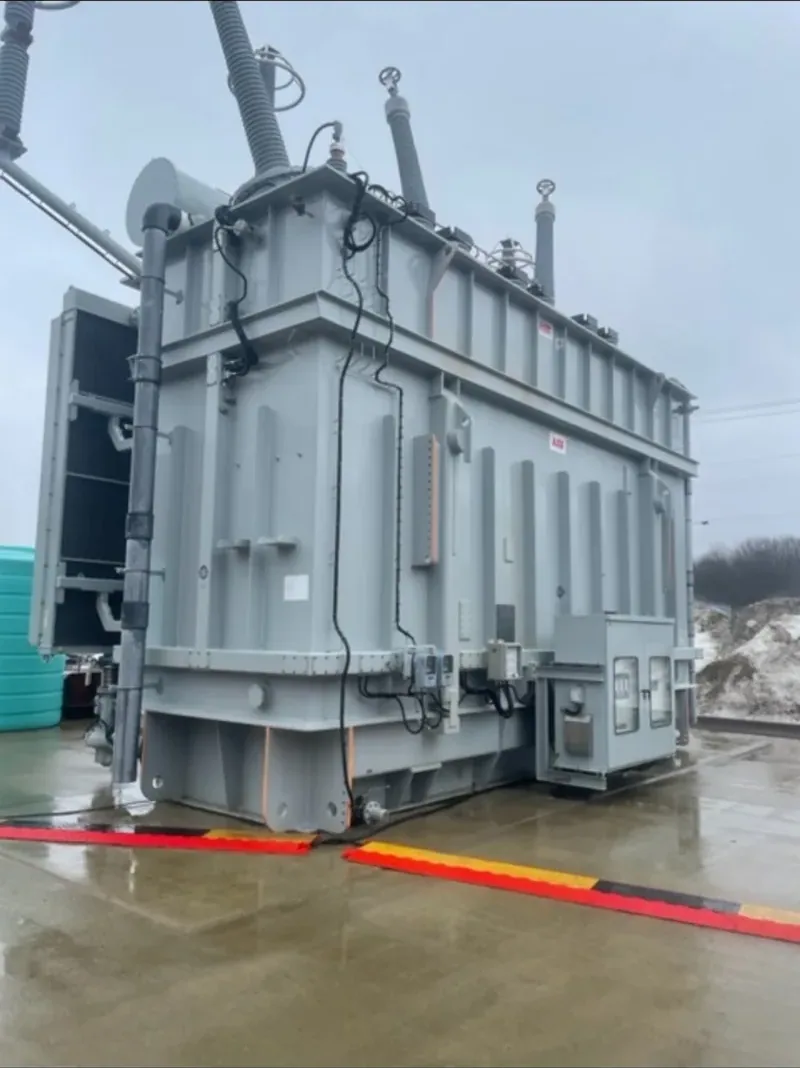
On larger power transformers, the external components of an on-load tap changer are much more prominent. You will typically find a large, weatherproof motor drive cabinet mounted on the side of the main tank. This cabinet houses the electric motor, contactors, position indicators, and control relays that drive the internal switching sequence. A mechanical drive shaft extends from this cabinet, running vertically up the side of the tank, to connect with the diverter switch head located in a separate compartment.
Logistics and payment
Typical Adjustment Ranges and Standard Voltage Steps
The adjustment capability of a tap changer is defined by its range and the size of its individual steps. For standard distribution transformers with de-energized tap changers, the industry norm is a five-position switch. This configuration typically provides two taps above the nominal voltage and two taps below, with each step representing a two and a half percent change in voltage. This yields a total adjustment range of plus or minus five percent, allowing facilities to fine-tune their incoming power.
On-load tap changers on large power transformers offer a much wider range of adjustment and finer increments. A common configuration involves thirty-three tap positions, providing sixteen steps above nominal, sixteen steps below, and one neutral position. Each step might represent a five-eighths of a percent change, allowing for a total regulation range of plus or minus ten percent. This granular control is necessary for utility substations to actively manage grid voltage profiles as consumer demand fluctuates throughout the day.
Detail
Common Failures and Their Impact on Salvage Value
Because tap changers involve moving mechanical parts and electrical contacts, they are highly susceptible to wear over decades of operation. The most frequent issue in de-energized tap changers is the degradation of the stationary and moving copper contacts. If the switch is left in the same position for many years, a microscopic layer of insulating carbon builds up. When the switch is eventually moved, this film increases electrical resistance, leading to localized heating. In severe cases, this heating causes the contacts to melt together or degrades the surrounding insulating board, leading to an internal short circuit.
When a transformer fails, the tap changer is often the culprit. However, even a unit with a catastrophically failed tap changer retains significant value. The massive copper or aluminum windings in the core, the specialized electrical steel, and the heavy carbon steel tank are all highly sought-after commodities. Buyers specializing in surplus electrical equipment possess the expertise to safely extract these materials, ensuring that heavily damaged units yield a strong cash offer based on their raw material content.
Also worth knowing
Preparing Transformers with Complex Tap Changers for Freight
When you are ready to remove a surplus transformer from your facility, managing the logistics of the tap changer components is a critical step in the freight preparation process. For standard padmount units, preparation is relatively straightforward. Ensure that the external operating handle is securely locked in position to prevent any internal movement during transit. If the handle is broken or missing, the opening must be sealed to prevent dielectric fluid from leaking out and environmental contaminants from entering the tank.
Handling the transportation of heavy electrical equipment requires specialized rigging and heavy-haul trucking expertise. Professional buyers take responsibility for the entire logistical operation, from lifting the unit off its concrete pad to securing it on a specialized lowboy trailer. By managing the complex freight requirements, including the specific needs of intricate tap changer assemblies, the buyer ensures a smooth and efficient removal process for the seller, eliminating the need for the facility to coordinate specialized transport.
Common questions
Questions sellers ask
Do you buy transformers if the tap changer is completely seized or broken?
Yes, we purchase transformers regardless of the tap changer's condition. While a fully functional tap mechanism allows the unit to be valued as working equipment, a seized or broken switch simply means we evaluate the transformer based on the heavy copper, aluminum, and electrical steel inside. We make a strong cash offer for failed units and handle the entire removal process.
How can I tell if my transformer has a de-energized or on-load tap changer?
You can identify the type by looking at the exterior of the tank and reading the specifications on the nameplate. De-energized tap changers usually have a simple rotary handle or pin mechanism located on the front faceplate. On-load tap changers, which are typically found on large substation units, feature a large external motor drive cabinet and complex mechanical linkages running up the side of the main tank.
What information about the tap changer do you need to make an offer?
We need clear photographs of the transformer's nameplate, which details the tap voltages and configuration. Additionally, photos of the external tap changer handle or motor drive cabinet are very helpful. If you know the operational history or if the unit failed due to a tap changer fault, providing that context allows us to calculate the most accurate valuation for your surplus equipment.
Do I need to drain the oil from the tap changer compartment before you pick it up?
No, you do not need to drain the oil from the main tank or the tap changer compartment. We handle all aspects of the fluid management and freight. For large substation units with separate on-load tap changer compartments, our specialized rigging and transportation teams will take responsibility for safely draining the oil and securing the equipment before it is loaded onto the truck.
Will a damaged tap changer prevent you from removing the transformer from our site?
Not at all. A damaged tap changer does not hinder our ability to rig and transport the equipment. We specialize in removing heavy, failed electrical assets from complex industrial and commercial sites nationwide. We manage the heavy lifting, secure the load, and make certain the unit is safely transported away from your facility, regardless of internal mechanical failures.
Ready to move the unit?
Understanding the intricacies of your transformer's tap changer helps clarify the true value of your surplus electrical assets. Whether you are decommissioning a standard distribution unit with a simple de-energized switch or a massive substation transformer with a complex on-load mechanism, that equipment holds significant value in its copper, aluminum, and steel components. We buy used, surplus, and scrap transformers from businesses across all 50 states, providing a seamless transaction and a strong cash offer. We handle the heavy rigging, manage the specialized freight, and make certain the entire removal process is executed safely. When you need to clear space and monetize your surplus electrical equipment, call or email us today. Phone 954-740-1983. Email electricalequipmentbuyers@gmail.com.