
Overview
We pay you, arrange pickup, and handle the freight and rigging so your team can stay focused on production. From small control transformers in panels to large dry-type and oil-filled step-down units, we know the equipment, the safety steps, and the logistics. Send photos and basic nameplate data, and we’ll put a firm cash offer together quickly. For immediate help, call 954-740-1983 or email electricalequipmentbuyers@gmail.com to reach Moses Johnson and get your project moving.
Why sell to us
Control vs. Industrial Transformers: What You Have
Control transformers are compact, low-kVA devices designed to provide stable low-voltage power for relays, contactors, PLCs, solenoids, and machine controls. They are most often dry-type and mounted inside panels or on skids near equipment. You’ll see common secondaries at 24 V, 120 V, or 240 V, with multi-tap primaries to accommodate different plant voltages. Isolation and autotransformers in this category tame noise, match voltages, and keep control circuits steady during inrush events.
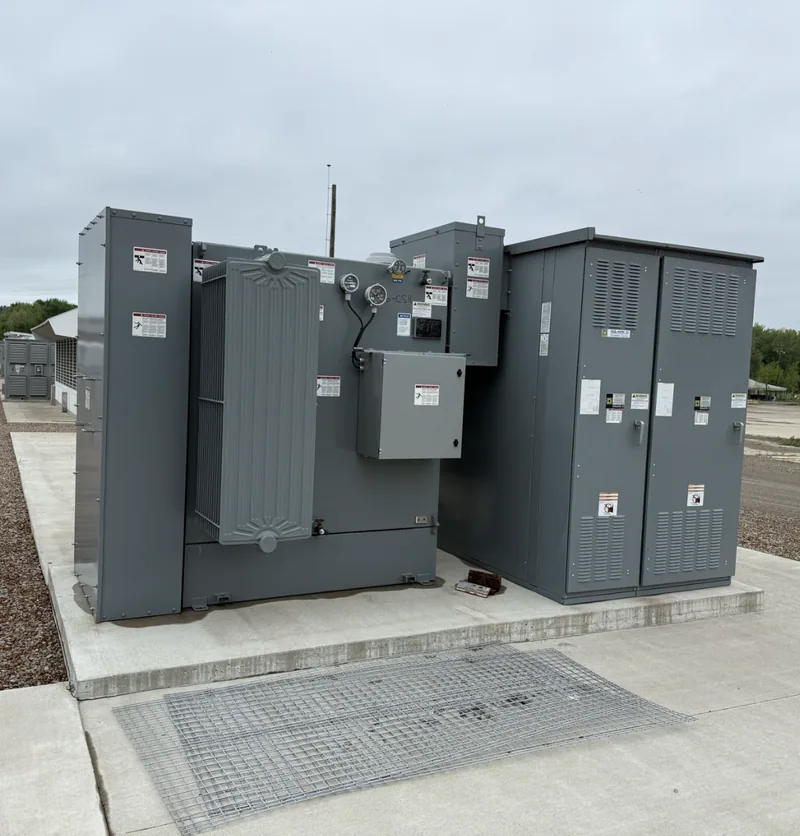
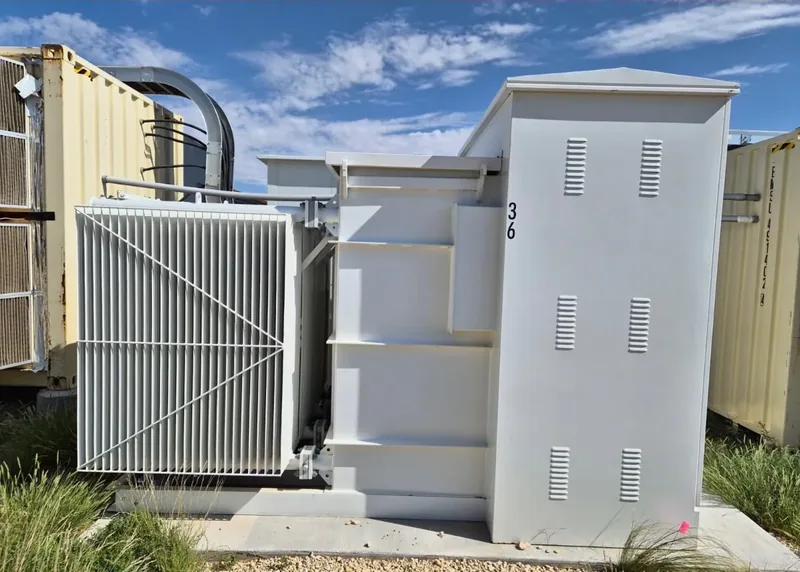
Industrial transformers are larger distribution or step-down units that feed entire panels, MCCs, drives, and lighting systems. These can be low-voltage dry-type floor units or medium-voltage dry-type and oil-filled units with radiators and bushings. They’re built for continuous duty, higher fault withstand, and demanding environments. Whether yours is a compact encapsulated NEMA 3R transformer or a multi-ton substation unit, we understand how to identify it, value it, and remove it without disrupting your site.
What we buy
Where These Units Live in the Field
Across manufacturing, control transformers live in OEM machine panels, conveyor lines, packaging equipment, stamping presses, and anywhere logic power is required. They also sit in HVAC units, pumps, boiler rooms, and utility rooms providing 24 V or 120 V control power. You’ll find them in water and wastewater facilities, food processing plants, and educational campuses that standardize controls across multiple buildings.
Industrial transformers are sprinkled throughout plants and campuses in electrical rooms, e-houses, mezzanines, rooftops, and outdoor pads. They feed MCCs, VFD lineups, switchboards, and process skids. In energy and heavy industry, medium-voltage units reduce 4.16 kV or 13.2 kV down to 480Y/277 for motors and lighting. Hospitals, data centers, warehouses, oil and gas sites, mines, and ports all rely on these units, and we routinely buy them when systems are upgraded or decommissioned.
How it works
Typical kVA Sizes and Voltage Classes
Control transformers generally run from 50 VA up to a few kVA, with common sizes including 250 VA, 500 VA, 1 kVA, 2 kVA, and 5 kVA. Many models have dual or multi-tap primaries such as 208/230/460 V or 240/480 V and secondaries at 24 V, 120 V, or 240 V. Frequency is typically 60 Hz in the U.S., and you’ll often see Class B, F, or H insulation and ratings that describe inrush support for contactors.
Industrial distribution transformers span from 15 kVA to 2,500 kVA in dry-type and oil-filled designs. Low-voltage primaries include 480 V, 600 V, and 208 V, while medium-voltage primaries include 2.4 kV, 4.16 kV, 12.47 kV, and 13.2/13.8 kV. Secondaries commonly land at 208Y/120, 480Y/277, or 240/120. Nameplates will show impedance (often in the 3% to 6% range for dry-type), temperature rise (80C, 115C, 150C), and sometimes K-factor and BIL ratings for harmonic and surge performance.
Logistics and payment
What Drives Value: Condition, Materials, and Specs
Working transformers with clean tests and intact enclosures command more than failed or incomplete units. For dry-type, clean windings, undamaged core steel, tight through-bolts, and zero evidence of overheating are positive signals. For oil-filled units, clear fluid, sound bushings, and leak-free radiators help value. If you have recent test results, such as insulation resistance or turns ratio on dry-type, or oil dielectric tests on liquid-filled, that transparency speeds our evaluation.
Copper-wound units, especially in larger kVA ranges, are typically worth more than similar aluminum designs. Age, efficiency level, K-factor ratings, and special voltages can further influence value. Intact bushings and tap changers, original nameplates, and complete accessories matter. Even failed or burned units retain value for materials recovery, but completeness, winding metal, and contamination status affect the number. We look at all of this holistically and price each unit accordingly.
Detail
The Nameplate Photos That Speed Your Cash Offer
Clear, straight-on photos of the main nameplate are the fastest path to a strong offer. We look for kVA, primary and secondary voltages, phase, frequency, temperature rise, impedance, insulation class, and any K-factor or efficiency marks. On medium-voltage units, BIL ratings and basic insulation levels are useful. Tap information, such as two above and four below at 2.5%, helps us understand flexibility and compatibility with other systems.
For oil-filled units, include the fluid type, gallons, and any non-PCB statement printed on the plate. Capture serial and catalog numbers, manufacture date, total weight, and enclosure rating such as NEMA 1 or 3R. If the plate is missing, photograph coil tags, control diagrams on the door, terminal labels, and bushing markings (H1, H2, X1, X2). Exterior shots from each side, close-ups of bushings, radiators, and any damage complete the picture.
Also worth knowing
Safe De-energizing and Removal on Your Schedule
Once we agree on terms, we plan removal around your downtime. Your team or ours will follow lockout-tagout, verify zero energy, and confirm all sources are isolated. Control power leads, conduits, and busway are disconnected, then cables are dressed and tagged to avoid confusion for future work. Dry-type cores are secured and panels reinstalled to protect coils during handling. On oil-filled units, we assess whether removal occurs with fluid in place or after a controlled drain.
Our rigging plan matches the unit and space. We evaluate clearances, weight, center of gravity, and lift points, then bring the right gear. Floor-mounted dry-types are typically skated or forked to the door and transferred to a pallet or skid. Larger units may need gantries, dollies, or cranes. We protect floors, door frames, and finishes as we move and coordinate with your safety team to keep the area controlled and clean.
Condition and testing
Packing and Freight: From Pallet to Lowboy
Small and mid-size dry-type transformers are palletized, blocked, banded, and shrink-wrapped for LTL or dedicated box truck service. We aim to keep forks under the frame rails or base, not under coils, and we use cribbing to prevent movement. Sensitive components like temperature probes and terminal blocks are protected. For larger dry-types, custom skids with cross-bracing minimize transport vibration and tip risk. We tag all lifting points clearly for the receiving crew.
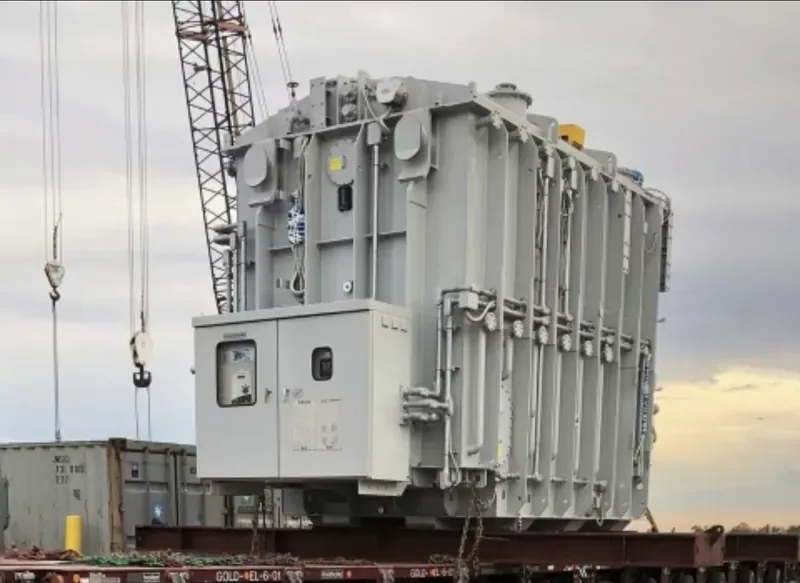
Oil-filled and medium-voltage units typically ship on flatbeds or step-decks with tarps or crates as needed. Bushings get covers, radiators are strapped or, when removable, crated separately, and drip containment is used where required. We manage all paperwork, including the bill of lading and any site-specific documentation. Pickup and delivery windows are coordinated so your dock stays clear, and our carriers cover all 50 states, including remote sites and busy metro areas.
Freight
How Our Purchase Process Works
Start by emailing photos of the nameplate, overall unit, and any accessories, plus approximate dimensions, weight, and pickup zip code. Tell us if the unit is working, failed, or scrap, and share any recent test results. We evaluate quickly and reply with a straightforward cash offer and a pickup plan. If you accept, we issue a purchase order and coordinate schedules with your team so there are no surprises on removal day.
On pickup, our crew handles rigging, loading, and freight. We provide the necessary documentation and settle as agreed. Whether you have a single control transformer or a lineup of plant transformers after a power upgrade, we make the transaction efficient and professional. Many sellers come back to us because the process is clear, the logistics are handled, and the communication is direct. When you’re ready, call 954-740-1983 or email electricalequipmentbuyers@gmail.com.
Other transformers we buy
Common questions
Questions sellers ask
What photos do you need to quote my control or industrial transformer?
Please send a clear, straight-on photo of the main nameplate so we can read kVA, primary and secondary voltages, phase, frequency, temperature rise, impedance, insulation class, and any K-factor or BIL ratings. Include the serial or catalog number and manufacture date if visible. For oil-filled units, capture fluid type, gallons, and any non-PCB statement. Add four exterior shots, close-ups of bushings or terminals, and any visible damage. Approximate dimensions, weight, and the pickup zip code help us turn around a strong, fast offer.
Do you buy failed or burned control transformers and dry-types?
Yes. We purchase working, failed, and scrap transformers. Failed or burned units are typically valued for materials recovery and completeness, while working units are valued for both function and materials. Copper windings usually add value over aluminum. Clear photos, notes on what failed, and whether any components are missing help us price accurately. If you have test results or a brief maintenance history, include them. Even rough units can be worth money, so it’s always worth sending details for a firm number.
How fast can you pick up once I accept the offer?
We move quickly. After we agree on the offer and removal plan, pickups are scheduled based on site access, rigging needs, and truck availability. Small palletized units can often move on standard LTL or a box truck with short lead times. Larger dry-type and oil-filled units that require cranes or special trailers may take a few extra days to coordinate. Share target dates early, and we’ll align our schedule to keep your project on track without tying up your dock or crew.
Can you buy oil-filled transformers with unknown or PCB-labeled oil?
We’ll need to review the nameplate and any available documentation. If the plate states non-PCB oil, include a photo. For older or unlabeled units, an oil test or records are helpful. Units labeled as containing PCBs are handled on a case-by-case basis, as additional requirements may apply. Send what you have, and we’ll advise the next steps. Our goal is to keep the process straightforward while following the appropriate environmental and handling practices for the unit in question.
How does copper vs. aluminum windings affect my offer?
In general, copper windings add value compared to aluminum windings of the same kVA and condition, especially in larger transformers. That said, working condition, completeness, special voltages, and accessories can outweigh winding metal in some cases. For example, a clean, modern aluminum-wound dry-type with in-demand voltages can outpace an older copper unit in poor shape. Nameplate photos, coil or conductor markings, and a clear look at the windings help us identify the material and price accurately.
What if I don’t have a forklift or crane on site for loading?
No problem. We arrange the right rigging based on the transformer’s size, weight, and location. Share access details, door sizes, floor type, ceiling heights, and any obstacles. Site photos are helpful. For small and mid-size units, we can bring pallet jacks, skates, and appropriate forklifts. For heavier or elevated units, we plan gantry or crane support as needed. Our team coordinates everything, from protection of floors and walls to safe loading, so your staff doesn’t have to scramble for equipment.
Ready to move the unit?
When it’s time to clear out control or industrial transformers, make it easy and profitable. We buy single units and full plant loads, handle rigging and freight, and pay you promptly. Send photos and basic details for a quick cash offer, then let our team do the heavy lifting. Reach out to Moses Johnson now to discuss your equipment and schedule pickup. Call 954-740-1983 or email electricalequipmentbuyers@gmail.com.