
Overview
This glossary entry explains the term, highlights the technical signs to look for on a job site, and clarifies how remanufacturing differs from repairs or refurbishment. Sellers who can identify remanufactured units and document the work performed often get clearer offers and faster pickups. If you have transformers to sell, this reference will help you understand what buyers look for and how remanufacturing affects transport, testing, and pricing.
Why sell to us
A precise definition of remanufactured transformer
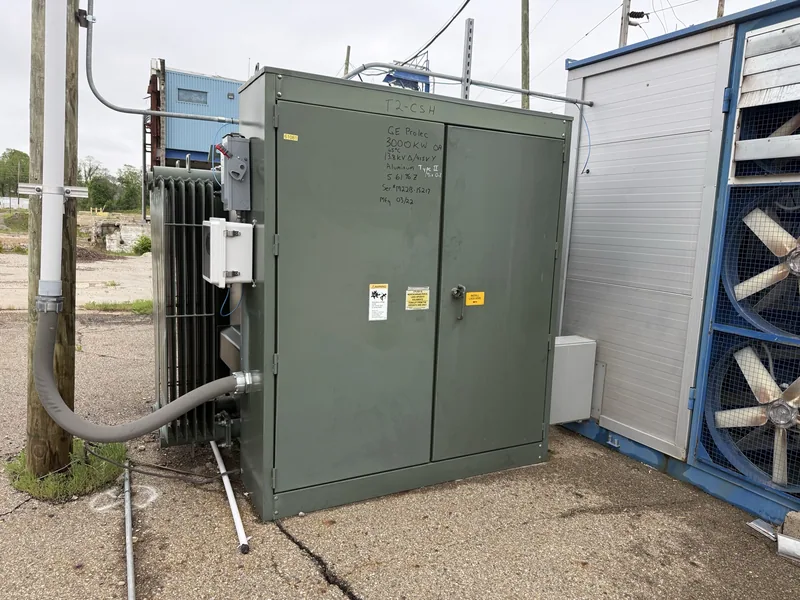
A remanufactured transformer is a unit that has been disassembled and rebuilt so that its electrical and mechanical characteristics meet a defined specification. That process typically addresses the core, the windings, insulating systems, bushings, tap changer mechanisms, and liquid dielectric. The goal of remanufacturing is to restore electrical performance and mechanical integrity, not merely to patch a fault. This often means replacing or rewinding windings, reconditioning cores, renewing insulation systems, and performing a full suite of electrical tests that demonstrate performance against measurable criteria.
Remanufacturing differs from simple field repair in scope and documentation. A repair may address a single failed component to get the unit running again, while remanufacturing treats the transformer as a system and verifies that the unit meets targeted parameters across multiple tests. Remanufacturing usually produces test reports and updated nameplate or tags showing the work performed, which is an important distinction for buyers and for anyone evaluating the unit’s market value.
What we buy
Why remanufacturing matters to the value of a transformer
Remanufacturing affects value because it reduces uncertainty about remaining service life and performance. A transformer that has been remanufactured and comes with documentation and test results typically commands a higher offer than a comparable unverified unit, because the buyer can rely on measurable outcomes rather than guessing at condition. Conversely, undocumented work or incomplete remanufacturing can introduce unknowns that lower a buyer’s offer, because the cost of additional inspections or repairs must be absorbed by the purchaser.
For sellers, the presence or absence of remanufacturing influences decisions about whether to market a unit as reusable equipment or to treat it as material for scrap. A well-documented remanufactured transformer can be attractive for substitution in non-critical applications or for stocking as a spare, which adds transactional options. When negotiating, buyers will weigh the scope of remanufacture, test data, and any remaining warranty or performance statement when making a cash offer.
How it works
How to identify a remanufactured transformer on site
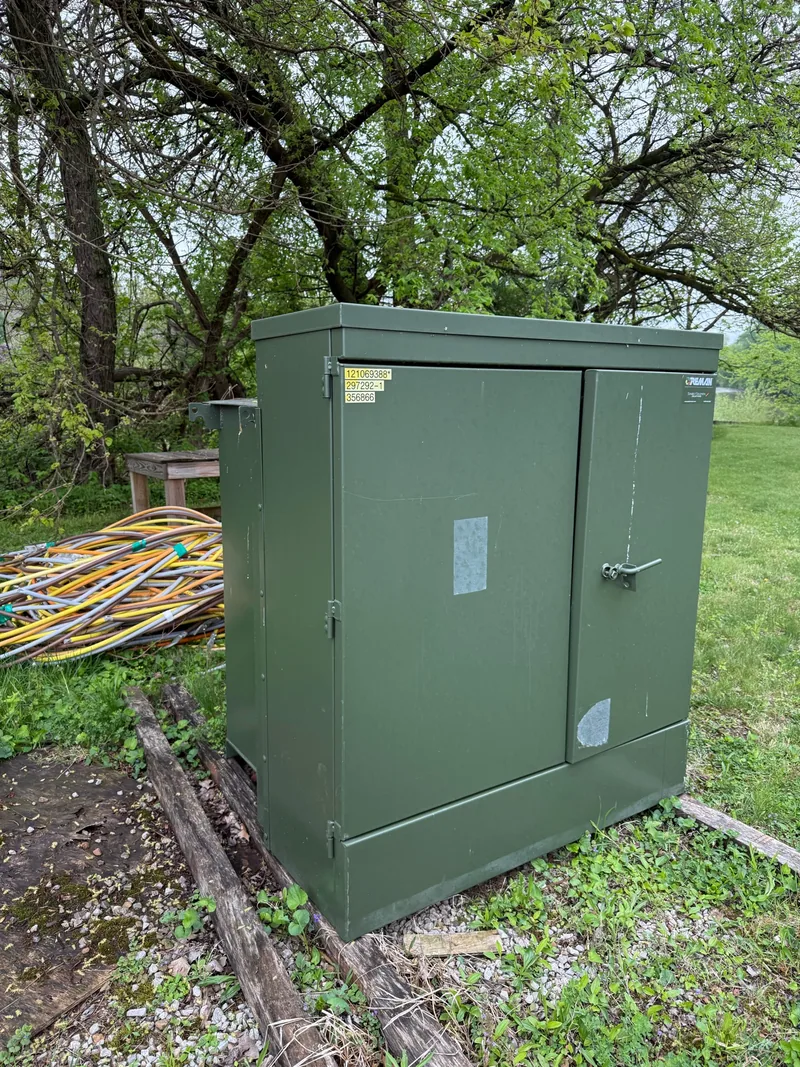
Start with the nameplate and adjacent tags. A remanufactured transformer often carries an updated nameplate, a remanufacture tag, or a stamped service plate referencing a shop job number and date. Look for a stamped or riveted plate that lists the shop or contractor, procedures performed, and final test results. Newer paint or replaced hardware alone are not proof, but a readable tag with a test report reference is a clear indicator. Serial number inconsistencies between the original nameplate and any added tags are a strong clue that the unit has had major internal work.
Beyond tags, check internal and external components. Rewound units may show new coil ends, insulation that differs from expected aging patterns, or replacement bushings and tap-changer parts. Oil color and smell can change after filtration or replacement, and recent VPI (vacuum pressure impregnation) work leaves characteristic varnish on coils. If access is available, documented dielectric tests, turns-ratio reports, and short-circuit test sheets are definitive evidence. When in doubt, ask for the remanufacture paperwork before accepting an offer.
Logistics and payment
What remanufacturing typically includes: technical steps
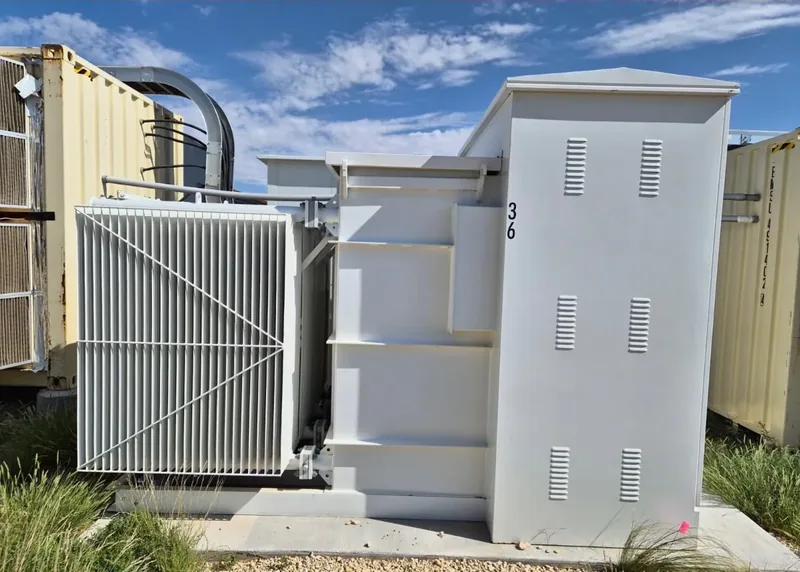
Remanufacturing is a multi-step technical process that begins with detailed inspection and diagnostic testing. The unit is usually cleaned, de-oiled, and disassembled. Core inspection follows to identify lamination damage or misalignment. Windings are measured, and if required, coils are rewound or repaired. Insulation systems are inspected and often replaced or re-impregnated. Many shops use vacuum pressure impregnation (VPI) to re-saturate insulation and improve dielectric strength. All replaced parts should meet or exceed the original equipment specifications.
After reassembly, the transformer undergoes a sequence of electrical tests to verify performance. Typical post-remanufacture tests include turns ratio, insulation resistance (megger), power factor or dissipation factor tests, induced voltage tests, and short-circuit impedance checks. Oil is filtered, replaced, or analyzed for contaminants, water, and PCB presence where applicable. Final steps include mechanical checks of tap changers and bushings, sealing, painting, and the issuance of test reports and job documentation that describe the work completed and the measured results.
Detail
Common misconceptions about remanufactured transformers
One common misconception is that remanufactured automatically means inferior. In reality, the quality of remanufacturing depends on the shop, procedures followed, and the thoroughness of testing. Proper remanufacturing can restore a transformer close to its original performance, while poor or undocumented repairs can leave lingering issues. Another false assumption is that remanufactured equals the same as refurbished or rebuilt. Those terms are used loosely in the market, so it is important to get specifics: refurbished might mean cosmetic work, rebuilt may be partial, while remanufactured implies a system-level restoration with testing.
Sellers also mistakenly think that a fresh coat of paint or a new oil fill is sufficient evidence of remanufacturing. Cosmetic changes do not replace electrical testing or documentation. Buyers will look for measurable test results and clear records of what internal components were replaced or reconditioned. If you intend to claim a unit is remanufactured, be prepared to present the shop report and test data, because those are what inform a serious cash offer.
Also worth knowing
Related terms and how they differ (rewound, rebuilt, reconditioned)
The industry uses several terms that overlap but have distinct meanings. Rewound refers specifically to the replacement of one or more windings or coils; the core and other systems might remain unchanged. Rebuilt often suggests more extensive work than a simple repair but may not include full system testing or documentation. Reconditioned generally means the unit has been cleaned and had some components restored, but the depth of work and verification varies. Remanufactured is used when a systematic restoration to defined performance standards has been carried out.
For sellers, these differences matter because buyers will price a unit according to the scope and certifiability of the work. A rewound transformer with test reports can be nearly as valuable as a remanufactured unit, while a cosmetically reconditioned unit without testing will trade closer to scrap. When you prepare equipment before selling, note the exact terms used in service records and request copies of test sheets and shop work orders so buyers can assess the scope accurately.
Condition and testing
Practical guidance for sellers: documentation, testing, and pickup
When you have a transformer that may be remanufactured, gather any documentation you already have before contacting a buyer. Look for job tickets, rewinding certificates, VPI reports, dielectric test sheets, and oil analysis. Photograph nameplates, tags, and any shop plates. These files help buyers evaluate condition quickly and can translate into faster cash offers. If paperwork is missing, at minimum note observed signs such as replaced bushings, newer paint, or non-original hardware and be transparent about unknowns.
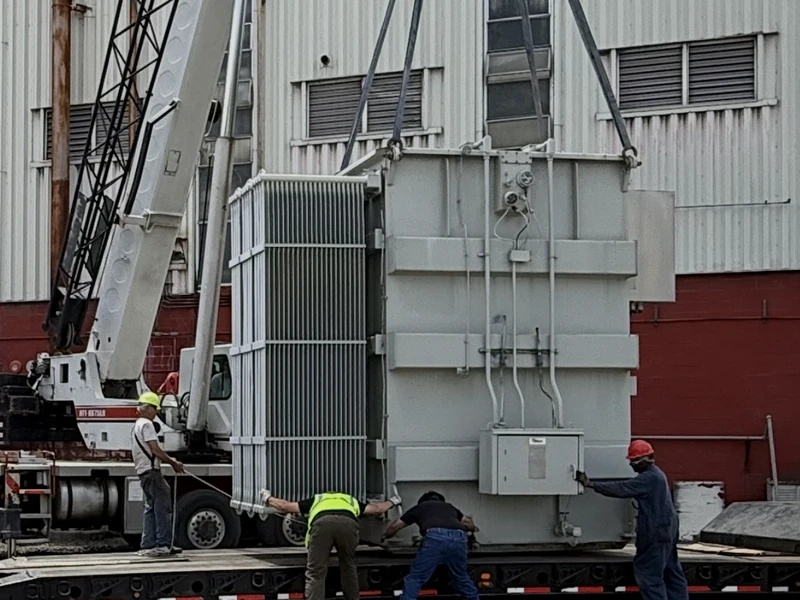
Prepare the unit for pickup by marking correct lift points, clearing access routes, and organizing any permits or site rules for rigging. Disclose known oil-handling requirements or contamination concerns like suspected PCBs, because safe handling affects logistics and cost. A buyer who intends to make a cash offer will account for freight, rigging, and environmental handling; clear, honest information accelerates decision-making and reduces surprises at removal.
Related terms
Common questions
Questions sellers ask
How can I tell if my transformer was remanufactured without opening it?
Start with external evidence: look for an additional nameplate, a stamped remanufacture tag, or a shop plate riveted to the tank. Check for non-original serial number tags, recent hardware, or replaced bushings. Cosmetic changes alone are not definitive, but accompanying documentation such as test reports, turns ratio sheets, or oil analysis is the strongest proof. If paperwork isn’t immediately available, photograph the nameplate and any tags and share them with the buyer to help verify remanufacture remotely.
Does remanufacturing always increase a transformer’s market value?
Remanufacturing can increase value by reducing performance uncertainty, but the effect depends on the scope of work, documentation, and remaining service life. A fully remanufactured unit with complete test reports typically attracts higher offers than an unverified unit. However, partial or undocumented work may not add value and can even lower offers, since buyers factor in the cost of additional testing and unknown repairs. Clear paperwork and measurable test results are what convert remanufacturing into tangible value.
What test reports should I provide to prove remanufacturing?
Useful test documentation includes turns-ratio tests, insulation resistance (megger) readings, power factor or dissipation factor results, induced voltage tests, short-circuit impedance measurements, and any post-work load or thermal tests. Oil analysis reports and VPI or winding treatment certificates also support claims of remanufacture. The more specific and dated the documentation, the easier it is for a buyer to evaluate condition and make a cash offer.
Is a rewound transformer the same as a remanufactured transformer?
Not necessarily. Rewound specifically refers to replacement of windings, which can be part of remanufacturing but does not alone define it. Remanufacturing typically includes system-level work—core, insulation, mechanical parts, oil treatment, and a suite of tests—followed by documentation. A rewound unit with comprehensive testing and other restored systems may effectively be remanufactured, but a simple rewind without broader verification should be described accurately to potential buyers.
What should I disclose about remanufactured units when requesting an offer?
Disclose any remanufacture paperwork, which shop performed the work, dates of the work, parts replaced, and post-work test results. Note any known issues since the remanufacture event, such as repeated faults or new damage. Also disclose environmental information on the oil and any contamination concerns. Honest, complete information helps buyers calculate handling and transport costs and results in faster, more accurate cash offers.
If I have a remanufactured transformer, should I scrap it or try to sell it as equipment?
That decision depends on documented condition and market demand. A well-documented remanufactured transformer with recent test results can attract buyers looking for spares or replacements and may yield a higher cash offer than scrap. If documentation is missing or the unit has suffered subsequent damage, scrapping may be more realistic. Contacting a buyer and sharing the available records and photos will quickly clarify whether the unit is more valuable as reusable equipment or as scrap material.
Ready to move the unit?
If you have remanufactured, rebuilt, or scrap transformers on your site, we can help you identify value, offer cash, and manage pickup and rigging anywhere in the process. Moses Johnson handles purchases personally and will review documentation, arrange freight, and provide a clear cash offer when possible. To arrange an inspection or get a quote, call or email 954-740-1983 or electricalequipmentbuyers@gmail.com