
Overview
We evaluate every padmount, substation, and dry-type unit to determine its highest possible yield before making a cash offer. Some units are perfectly suited for the secondary market, while others are only viable for their copper or aluminium weight. Our purchasing team handles the entire assessment process, ensuring you receive the optimal payout for your specific equipment. We arrange all rigging and freight nationwide, removing the logistical burden from your site.
Why sell to us
The Core Differences Between Functional and Material Yields
The fundamental distinction between functional and material yields dictates how your surplus equipment is priced. When a unit retains its operational integrity and meets current industry standards, it commands a premium based on its utility to another facility. This functional route requires the equipment to be in working condition, free from major defects, and built to common specifications.
Conversely, material yield focuses entirely on the raw commodities housed within the steel casing. The primary drivers are the weight of the copper or aluminium windings, the electrical steel in the core, and the structural metal of the enclosure. When a unit fails electrical testing or features obsolete voltage configurations, its worth defaults to these base metals.
Our evaluation process weighs both potential avenues for every unit we review. We look at the nameplate data, physical condition, and current market demand to determine which path offers the highest return. You receive a cash offer based on the more lucrative of these two distinct valuation methods.
What we buy
Key Factors That Push a Unit Toward the Secondary Market
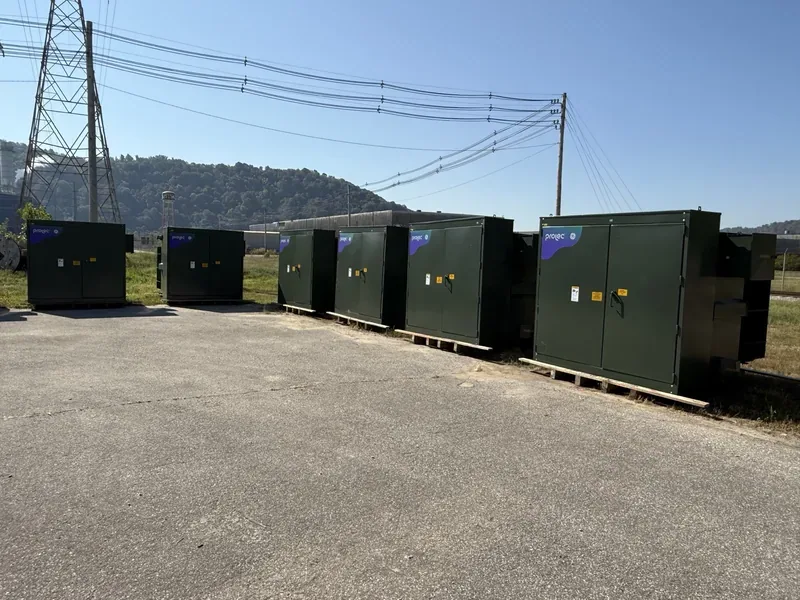
Certain characteristics strongly position a surplus unit for the secondary market rather than the recycling yard. Recent manufacture dates play a significant role, as newer equipment generally complies with modern efficiency standards. Units built within the last decade often find immediate demand among contractors looking to bypass long factory lead times.
Standard voltage configurations and common kVA ratings also increase the likelihood of a functional purchase. A standard 480V step-down padmount transformer is highly liquid because countless facilities utilize that exact specification. Desirable brands with strong reputations for reliability further enhance the appeal, as buyers prefer recognizable nameplates.
Finally, the physical and operational condition must be sound. Units that have been properly decommissioned, stored securely, and show no signs of oil leaks are prime candidates. When these factors align, the equipment is valued as a working asset rather than a collection of raw materials.
How it works
When Base Metal Recovery Becomes the Only Option
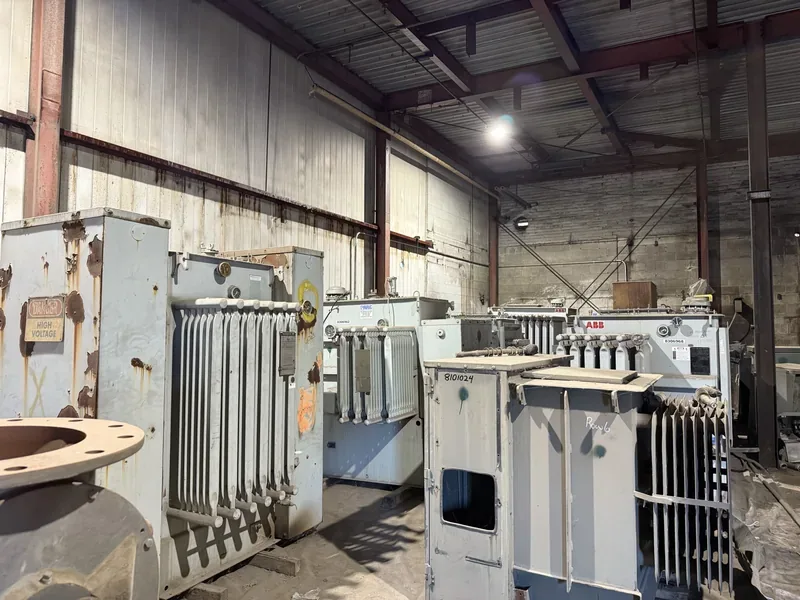
Despite the higher potential returns of the secondary market, many units simply cannot be repurposed and must be valued for their raw materials. Catastrophic failures, such as blown windings or severe core damage, immediately remove a unit from functional consideration. The cost to rewind heavily damaged equipment almost always exceeds the cost of sourcing a functional replacement.
Obsolete specifications also force equipment into the material recovery category. Custom-built units with highly unusual voltage configurations rarely find a second life because the specific application they were designed for no longer exists. Similarly, extremely old units that fall far below modern efficiency standards are typically rejected by facility planners.
Environmental complications further dictate this outcome. Units with severe oil degradation, significant rust, or PCB complications require specialized handling and disposal protocols. In these scenarios, the value is strictly derived from the recoverable copper, aluminium, and steel, offset by the necessary environmental processing.
Logistics and payment
How Copper and Aluminium Windings Impact the Assessment
The internal construction of the coils is the most critical variable when assessing material worth. Copper-wound units carry noticeably more value than aluminium-wound counterparts due to the higher commodity price of copper. The density and conductivity of copper make it a highly sought-after material, driving up the baseline offer for any unit containing it.
Aluminium windings, while common in many modern dry-type and distribution units, yield a lower return per pound. However, large aluminium-wound units still hold substantial material worth simply due to the sheer volume of metal involved. The nameplate typically indicates the winding material, allowing our buyers to calculate the expected metal yield accurately.
During our assessment, we analyze the kVA rating and total weight to estimate the internal coil mass. This calculation forms the foundation of our material-based offers. Whether your surplus equipment contains copper or aluminium, we provide a direct cash offer that reflects the current industrial metal markets.
Detail
The Role of Testing and Oil Status in Valuation
The condition of the insulating fluid in oil-filled transformers heavily influences the final purchasing decision. Units that have been regularly tested and maintain clean, uncontaminated oil are much easier to position as functional assets. A clean fluid history indicates that the internal components have been protected from moisture and arcing, preserving the operational lifespan.
Conversely, oil that tests positive for high moisture content, dissolved gases, or PCB contamination severely limits the options. PCB-tested units require strict adherence to environmental regulations and must be processed through licensed channels. We handle these complex logistical requirements, ensuring that even problematic units are removed safely and legally from your property.
When testing reveals internal faults or fluid degradation, the unit is automatically shifted toward a material valuation. We factor in the costs associated with draining, transporting, and processing the oil when formulating our offer. This comprehensive approach ensures you receive a fair assessment regardless of the internal fluid condition.
Also worth knowing
Streamlining the Removal and Freight Process
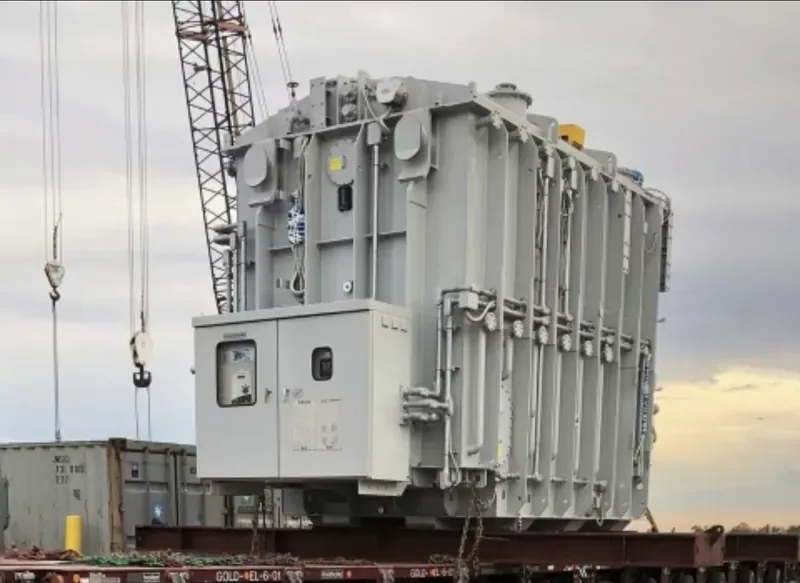
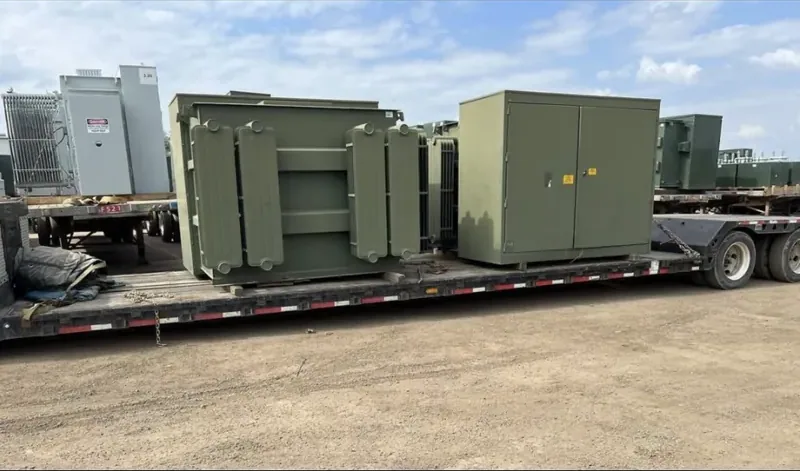
The logistical challenge of moving heavy electrical equipment often deters facility managers from clearing out their surplus inventory. Whether a unit is destined for another plant or a processing facility, the physical extraction requires specialized heavy rigging and flatbed transport. We arrange all rigging, freight, and removal as part of our purchasing agreement, eliminating this burden from your internal team.
Our logistics coordinators manage the entire extraction process, from scheduling the cranes to securing the necessary transport permits. We travel to sites nationwide, handling everything from single polemount units to massive substation transformers weighing tens of thousands of pounds. This turnkey approach allows your personnel to remain focused on active plant operations.
By absorbing the transportation and rigging responsibilities, we ensure a smooth transaction from the initial assessment to the final departure. You receive your cash offer and the equipment is removed efficiently, clearing valuable space on your concrete pads or in your storage yards.
Brands
Brands that hold resale value over scrap value
More on transformer scrap value
Common questions
Questions sellers ask
How do you determine if my transformer is worth more as a functional unit or as scrap?
We evaluate the nameplate data, age, brand, and physical condition. If the unit features standard voltages, recent manufacture dates, and is in working order, it is typically valued as a functional asset. If it has failed windings, obsolete specs, or severe damage, we base the offer on the recoverable copper, aluminium, and steel.
Does the type of winding material affect the final cash offer?
Yes, the internal winding material is a major factor in our valuation. Copper-wound units carry noticeably more value than aluminium-wound units due to the higher commodity price of copper. We use the nameplate data and total weight to estimate the metal yield and formulate our offer accordingly.
Will you buy my transformer if it has oil leaks or PCB complications?
We purchase oil-filled units in various conditions, including those with known fluid issues or contamination. We handle oil-filled and PCB-tested units through licensed channels, managing all the necessary environmental protocols on your behalf. The cost of safely processing and disposing of the fluid is simply factored into the material valuation of the equipment.
Do I need to arrange the crane and flatbed for the removal?
No, you do not need to handle the logistics. We arrange all rigging, freight, and removal for the equipment we purchase. Our team coordinates the heavy lifting and transportation nationwide, ensuring the unit is safely extracted from your facility without disrupting your daily plant operations.
What information do you need to provide an accurate valuation?
To begin the assessment, we need clear photos of the equipment, especially the data nameplate. The nameplate provides the kVA rating, voltages, winding material, and total weight. Information regarding the operational history, current condition, and any recent testing reports also helps us determine the most accurate value for your specific unit.
How quickly can you remove a large substation transformer from our plant?
Once we agree on the purchase and finalize the cash offer, our logistics team immediately begins scheduling the necessary rigging and freight. While the exact timeline depends on the specific location and the size of the unit, we prioritize efficient removal to clear your space as quickly as possible.
Ready to move the unit?
Understanding the true worth of your surplus equipment ensures you maximize your return when clearing out idle assets. Whether your unit is destined for a second life or material recovery, we provide direct cash offers and handle all the heavy lifting. Call or email us at 954-740-1983 to discuss your inventory and receive a comprehensive valuation today.