
Overview
Whether you are upgrading a facility, decommissioning an old plant, or simply clearing out long-term storage, knowing what you have is the first step. We purchase all types of transformers, including those with loop-feed configurations, providing a streamlined process to turn your unused assets into capital. Our team evaluates working, failed, and scrap units, ensuring you receive a fair assessment based on the current market for copper, aluminum, and core steel. If you have equipment to offload, we handle the logistics, freight, and rigging, making the transaction as smooth as possible across all 50 states. The loop-feed design is particularly common in underground distribution networks where multiple transformers are connected in a series or loop.
Why sell to us
What is a Loop-Feed Transformer?
A loop-feed transformer refers to a specific design within electrical distribution equipment that allows power to flow through the unit to other transformers down the line. This terminology is used to describe the physical construction and connection method of the unit, specifically the presence of multiple primary bushings. Understanding this term helps facility managers and electrical contractors accurately identify their equipment when preparing for asset disposition.
These transformers are commonly found in commercial, industrial, and utility applications where specific reliability requirements must be met, particularly in residential subdivisions or commercial parks. The design choices inherent in a loop-feed configuration impact how the transformer is installed, maintained, and eventually decommissioned. When evaluating these units for purchase, we look closely at the overall condition, the materials used in construction, and the specific application it was designed for.
Whether the unit is part of a larger substation setup or a standalone padmount, the loop-feed aspect is a key identifier. It helps determine the potential reuse value or the scrap value of the internal components, such as the copper or aluminum windings and the core steel. A loop-feed unit typically has six primary bushings (two for each phase) allowing the incoming power cable to connect and then continue on to the next transformer.
What we buy
The Role of Loop-Feed Designs in Electrical Systems
In complex electrical networks, the loop-feed feature provides specific advantages related to reliability and fault tolerance. This functionality is critical for maintaining stable power delivery to commercial buildings, industrial plants, or residential neighborhoods by allowing power to be fed from two different directions. The specific role varies depending on whether the transformer is used for step-up, step-down, or isolation purposes, but the core benefit remains the same: enhanced network resilience.
Facilities that utilize these transformers often require high reliability and specific operational characteristics, especially in areas where power outages must be minimized. When these units reach the end of their service life, or when a facility undergoes a major electrical upgrade, the transformers must be safely removed and disposed of. This is where our expertise comes in, offering a reliable avenue to offload these heavy assets.
We understand the technical nuances of loop-feed transformers and how they fit into the broader electrical infrastructure. This knowledge allows us to accurately assess the value of your surplus equipment, whether it is a fully functional unit ready for testing or a failed unit destined for material recovery. The presence of a loop-feed design often indicates a more robust distribution network, which can sometimes correlate with better overall maintenance.
How it works
Factors Influencing the Value of Loop-Feed Units
The value of a used or surplus loop-feed transformer depends on several key factors. First and foremost is the condition of the unit. Working transformers that can pass rigorous electrical testing are often priced as equipment, yielding a higher return. However, even failed units hold significant value due to the raw materials they contain, primarily copper, aluminum, and specialized core steel.
The age, kVA rating, and voltage class also play a major role in determining the offer. Larger units with higher capacities generally contain more recoverable materials. Additionally, the condition of the insulating oil and the physical integrity of the tank and bushings are assessed during the evaluation process. We take all these variables into account to provide a comprehensive and fair cash offer.
When you contact us to sell your loop-feed transformer, providing clear photographs of the nameplate and the overall unit helps expedite the valuation. The nameplate contains vital information about the manufacturer, specifications, and the specific configuration, allowing our team to quickly determine the equipment's worth. The presence of internal fusing or switching capabilities can also slightly influence the desirability of the unit on the secondary market.
Logistics and payment
How to Identify a Loop-Feed Configuration
Identifying a loop-feed transformer in your inventory involves checking the manufacturer's nameplate and observing the physical connections in the primary compartment. The nameplate is the most reliable source of information, detailing the exact specifications, voltage ratings, and design features of the unit. It is essential to locate and photograph this plate when preparing to sell your equipment.
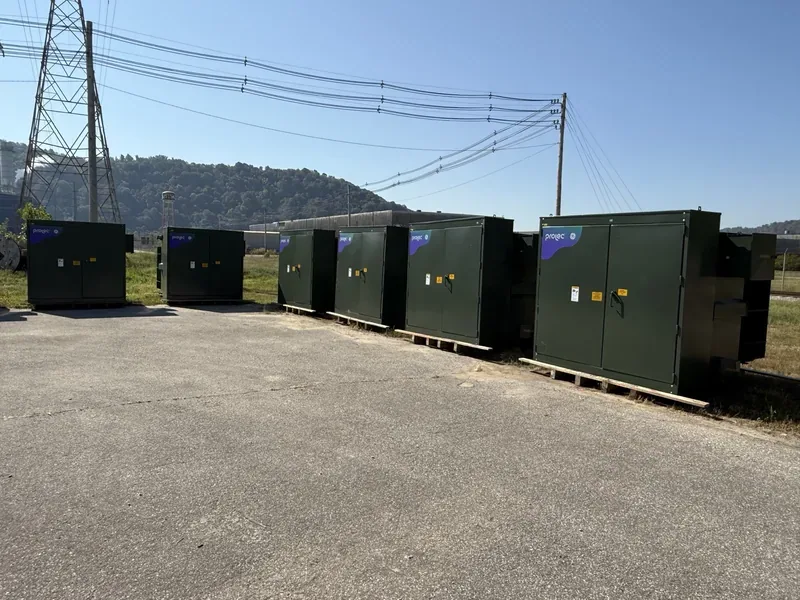
In addition to the nameplate, the physical layout of the terminals is the most obvious indicator. If you open the primary cabinet of a three-phase padmount and see six primary bushings (often arranged in a V-shape) rather than three, you are looking at a loop-feed design. Our team can assist you in identifying your equipment based on the photos and descriptions you provide.
Accurate identification ensures that you receive the most accurate valuation for your surplus assets. Whether you are dealing with a single unit from a small commercial upgrade or multiple transformers from a large industrial plant closure, knowing exactly what you have streamlines the entire selling process. Distinguishing between loop-feed and radial-feed is one of the first questions we will ask when evaluating a padmount transformer.
Detail
The Process of Selling Your Loop-Feed Equipment
Selling your surplus loop-feed transformers to us is a straightforward process designed to minimize disruption to your operations. It begins with you reaching out via phone or email with details about the equipment you wish to offload. Providing clear photos of the units, especially the nameplates and the primary compartments, allows us to quickly assess the value and formulate a cash offer.
Once an agreement is reached, we handle all the logistical challenges associated with moving heavy electrical equipment. Our team coordinates the freight, rigging, and transportation, ensuring the transformers are safely removed from your site. This comprehensive service is available nationwide, covering all 50 states, making it easy for you to clear space and generate capital regardless of your location.
We purchase units in any condition, from working transformers to scrap units. You do not need to worry about testing or repairing the equipment before selling; we evaluate the assets as-is and provide a fair offer based on the current market for electrical equipment and raw materials. Our goal is to make the disposition of your heavy assets as seamless as possible.
Also worth knowing
Common Misconceptions About Loop-Feed Transformers
A frequent misconception regarding loop-feed transformers is that they hold no value once they fail or are taken out of service. In reality, the internal components, such as the copper or aluminum windings and the core steel, retain significant scrap value. Even if a unit cannot be refurbished, it is still a valuable asset that can be converted into capital.
Another misunderstanding is that selling heavy electrical equipment is a logistical nightmare. While moving transformers requires specialized rigging and freight services, we handle all these aspects for you. Our nationwide network allows us to efficiently pick up equipment from any location, removing the burden from your facility management team.
Finally, some believe that only very large or specific types of transformers are worth selling. We buy a wide variety of equipment, including padmount, polemount, dry-type, and oil-filled units across various kVA ranges. Regardless of the size or specific loop-feed configuration, your surplus transformers have value. The routing capabilities of a loop-feed unit do not diminish its intrinsic material worth when it reaches the end of its operational life.
Common questions
Questions sellers ask
Do you buy failed loop-feed transformers?
Yes, we purchase failed loop-feed transformers. Even if the unit is no longer operational, it contains valuable raw materials like copper, aluminum, and core steel. We evaluate the scrap value of these components and provide a cash offer based on the current market rates, handling all the removal logistics.
How do I know if my transformer has a loop-feed design?
The best way to identify a loop-feed design is to look inside the primary compartment. If there are six primary bushings (two per phase) instead of three, it is a loop-feed unit. You can also check the manufacturer's nameplate attached to the unit. If you are unsure, send us photos of the unit and the nameplate, and our team will help identify it.
What information do you need to make an offer on a loop-feed unit?
To provide an accurate cash offer, we need clear photos of the transformer, specifically the nameplate showing the kVA rating, voltage, and manufacturer details. Information about the unit's condition, whether it is working, failed, or scrap, and its current location will also help us expedite the valuation process.
Do you handle the freight for loop-feed transformers?
Absolutely. We handle all the freight, rigging, and transportation required to remove the loop-feed transformers from your facility. Our logistics team coordinates the entire pickup process nationwide, ensuring the heavy equipment is safely and efficiently transported away from your site.
Are loop-feed transformers priced as equipment or scrap?
The pricing depends on the condition of the unit. Working loop-feed transformers that pass electrical testing are often priced as equipment, which generally yields a higher value. Failed or older units are evaluated based on their scrap value, focusing on the recoverable copper, aluminum, and steel.
Ready to move the unit?
If you have surplus, used, or scrap loop-feed transformers taking up valuable space at your facility, we are ready to make a cash offer. We handle all the heavy lifting, including freight and rigging, to ensure a smooth removal process from anywhere in the country. Turn your unused electrical assets into capital today. Call Moses at 954-740-1983 or email electricalequipmentbuyers@gmail.com to get started.