
Overview
However, as environmental regulations evolved, the handling and disposal of these units became highly regulated. If your facility is decommissioning older transformers, especially those manufactured before 1979, navigating the complexities of PCB testing and compliance can be daunting. We purchase used, surplus, and scrap transformers from businesses nationwide, and we understand the nuances of dealing with legacy equipment. Whether your units are fully operational or completely failed, they still hold significant value for their core steel, copper, or aluminum windings. We handle the logistics, including freight and rigging, ensuring a seamless process. By working with experienced buyers, you can turn your surplus equipment into capital while ensuring proper handling and compliance.
Why sell to us
Identifying Potential PCB Transformers in Your Inventory
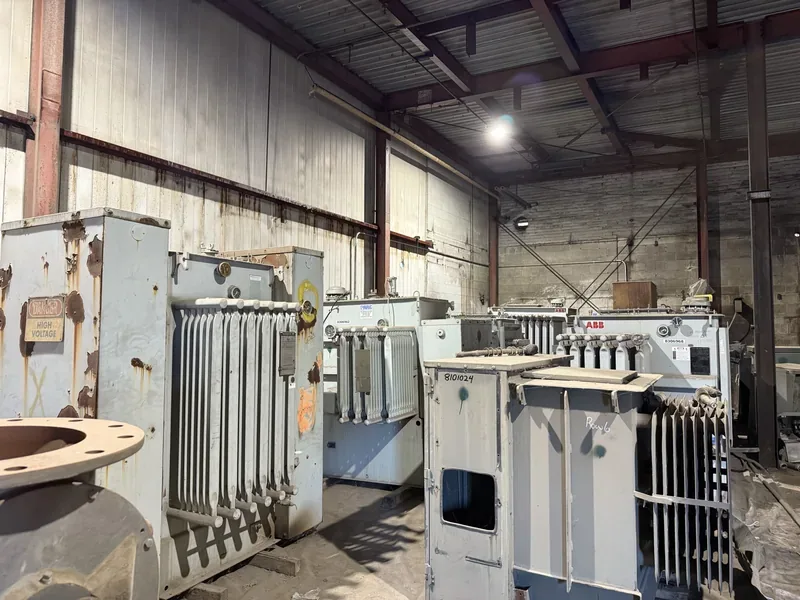
The first step in managing older electrical equipment is identifying whether your transformers might contain PCBs. Units manufactured before 1979 are the most likely candidates, as the production of PCBs was banned in the United States shortly thereafter. However, even newer units can sometimes be contaminated if they were serviced with equipment that previously handled PCB fluids. Checking the nameplate data is crucial; it often indicates the type of dielectric fluid originally used, such as Askarel, Pyranol, or Inerteen, which are known trade names for PCB mixtures.
If the nameplate is missing or illegible, or if the unit has a complex service history, testing the oil is the only definitive way to determine PCB concentration. Facilities upgrading their infrastructure often uncover these older units during demolition or service upgrades. Proper identification is essential not only for environmental compliance but also for determining the true value of the asset. Even if a transformer is classified as PCB-contaminated, the internal metals—such as copper windings and core steel—remain highly valuable in the recycling market.
We specialize in evaluating all types of surplus transformers, regardless of their age or condition. When you provide us with the nameplate data and any available testing records, we can quickly assess the equipment and provide a competitive cash offer. Our team understands the complexities of legacy equipment and can guide you through the process of turning these assets into capital.
What we buy
The Importance of Accurate Oil Testing and Documentation
Accurate oil testing is a critical component when dealing with older transformers. The Environmental Protection Agency (EPA) strictly regulates the handling, transportation, and disposal of PCB-containing materials. Transformers are generally classified into three categories based on their PCB concentration: non-PCB (less than 50 ppm), PCB-contaminated (50 to 499 ppm), and PCB transformers (500 ppm or greater). Knowing the exact classification of your equipment is necessary to ensure compliance and avoid costly penalties.
When preparing to sell your surplus transformers, having recent and accurate oil test results can significantly expedite the process. If you have already conducted testing, providing these records allows buyers to make a more accurate valuation. If testing has not been performed, it is often a necessary step before the equipment can be transported. We work with businesses to navigate these requirements, ensuring that all necessary documentation is in place before any equipment is moved.
Beyond environmental compliance, documentation such as maintenance records and original purchase details can also enhance the value of your equipment. Buyers look for well-documented assets because it reduces uncertainty and risk. By maintaining thorough records, you not only ensure compliance with environmental regulations but also maximize the return on your surplus electrical equipment.
How it works
Navigating the Logistics of Legacy Equipment Removal
Removing heavy electrical equipment from a facility is a complex logistical challenge, and dealing with older, potentially regulated units adds another layer of difficulty. Transformers are massive, oil-filled assets that require specialized handling, rigging, and transportation. Coordinating cranes, flatbed trucks, and securing the necessary permits can be overwhelming for a facility manager whose primary focus is on core operations. This is especially true during a plant closure or major service upgrade, where multiple projects are happening simultaneously.
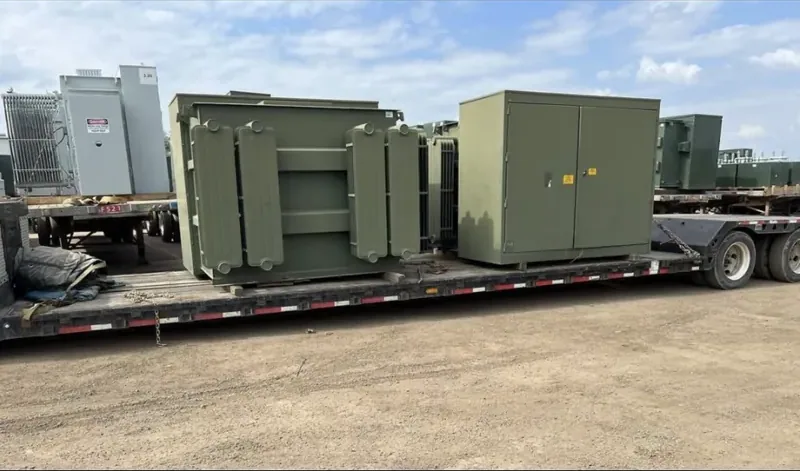
We take the burden of logistics off your shoulders. Our team manages the entire removal process, from securing the load to handling the freight. We work with experienced riggers and specialized transportation companies to ensure that your equipment is moved safely and efficiently. Whether your transformers are located in a tight urban substation or a sprawling industrial complex, we have the expertise to handle the extraction without disrupting your ongoing operations.
By partnering with us, you eliminate the need to coordinate multiple contractors and manage complex transportation logistics. We provide a comprehensive solution that includes a fair cash offer for your equipment and complete management of the removal process. This allows you to focus on your next project, knowing that your surplus assets are being handled professionally and efficiently.
Logistics and payment
Maximizing the Value of Failed or Scrap Transformers
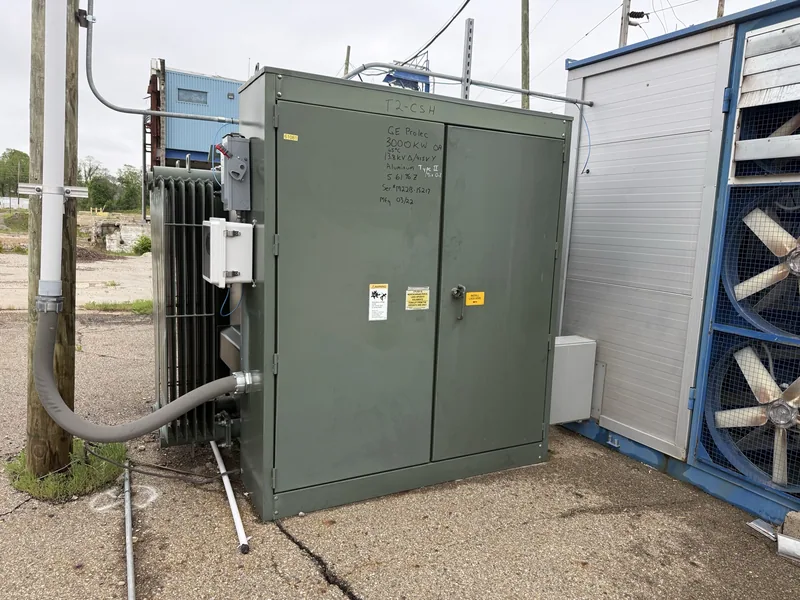
It is a common misconception that a failed or obsolete transformer has no value. Even if a unit is no longer operational or has reached the end of its lifecycle, the materials inside are highly sought after. Transformers are constructed with significant amounts of copper or aluminum windings, specialized core steel, and insulating oil. These materials hold substantial value in the recycling market, making even scrap units a valuable asset for your business.
When evaluating failed units, the internal composition is the primary driver of value. Copper-wound transformers generally command a higher price than aluminum-wound units due to the higher market value of copper. The weight and quality of the core steel also contribute significantly to the overall valuation. We purchase scrap and failed transformers from businesses across the country, providing competitive cash offers based on the current market value of these materials.
Instead of paying for the disposal of failed equipment, you can turn it into capital. We handle the logistics and freight, making it easy for you to clear out valuable space at your facility. Whether you have a single failed padmount transformer or an entire substation of decommissioned units, we have the capacity to purchase and remove your surplus equipment efficiently.
Detail
The Role of Experienced Buyers in Asset Disposition
Managing the disposition of surplus electrical equipment requires specialized knowledge and experience. The electrical industry is complex, and the value of equipment can fluctuate based on market demand, material prices, and technological advancements. Working with experienced buyers ensures that you receive a fair and accurate valuation for your assets. We have years of experience evaluating, purchasing, and transporting all types of transformers, from small dry-type units to massive substation transformers.
Our process is designed to be straightforward and transparent. We start by reviewing the information you provide, such as nameplate data, photographs, and any available testing records. Based on this information, we provide a competitive cash offer. Once an agreement is reached, we coordinate all the logistics, including rigging and freight, to remove the equipment from your site. This seamless process minimizes disruption to your operations and ensures a quick return on your surplus assets.
By choosing to work with us, you are partnering with a team that understands the unique challenges of the electrical equipment market. We are committed to providing exceptional service and fair valuations, helping businesses across the country turn their unused or decommissioned transformers into valuable capital.
Also worth knowing
Preparing Your Equipment for Evaluation and Sale
To ensure a smooth transaction and receive the best possible offer for your surplus transformers, proper preparation is key. The more information you can provide upfront, the faster and more accurately we can evaluate your equipment. Start by gathering all available documentation, including the original nameplate data, recent oil test results, and maintenance records. This information provides a comprehensive overview of the unit's specifications and condition.
Clear, well-lit photographs are also essential. Take pictures of the entire unit from multiple angles, ensuring that the nameplate is clearly visible and legible. If there is any visible damage, such as leaks or broken bushings, be sure to document those as well. Providing a complete and accurate picture of the equipment helps us provide a firm cash offer without the need for extensive on-site inspections.
Finally, consider the accessibility of the equipment. If the transformers are located in a difficult-to-reach area, such as a basement or a crowded substation, let us know in advance. This allows us to plan the logistics and rigging accordingly, ensuring a smooth and efficient removal process. By taking these steps, you can expedite the sale of your surplus equipment and maximize your return.
Common questions
Questions sellers ask
Do you buy transformers that have tested positive for PCBs?
We evaluate all types of surplus electrical equipment, but the handling of PCB-containing units is subject to strict environmental regulations. If your equipment has tested positive for PCBs, please provide the exact concentration levels and testing documentation. We can discuss the specific details of your inventory and determine the best course of action for your surplus assets.
What information do you need to make a cash offer?
To provide an accurate cash offer, we need the nameplate data, which includes the kVA rating, voltage classes, and manufacturing details. Clear photographs of the unit from multiple angles, including a close-up of the nameplate, are also essential. Any available maintenance records or recent oil test results will further help us evaluate the equipment quickly.
Who handles the freight and rigging for the transformers?
We handle all the logistics, including freight and rigging. Transformers are heavy, specialized assets, and our team coordinates the cranes, flatbed trucks, and specialized transportation required to remove the equipment safely from your facility. You do not have to worry about the complex logistics of moving heavy electrical equipment.
Do you buy failed or scrap transformers?
Yes, we purchase failed and scrap transformers. Even if a unit is no longer operational, it holds significant value for its internal materials, such as copper or aluminum windings and core steel. We provide competitive cash valuations based on the material composition of the failed equipment.
How quickly can you remove the equipment from our site?
We understand that clearing space is often a priority during a plant closure or service upgrade. Once we agree on a cash offer, we work quickly to coordinate the logistics and schedule the removal. Our goal is to handle the freight and rigging as efficiently as possible to minimize disruption to your operations.
Ready to move the unit?
If your facility is decommissioning older electrical equipment or managing a plant closure, do not let surplus transformers become a liability. We purchase used, surplus, and scrap transformers from businesses nationwide, providing competitive cash offers and handling all the complex logistics. Whether your units are fully operational or completely failed, they hold significant value. Our team manages the freight and rigging, ensuring a seamless removal process so you can focus on your core operations. Turn your unused assets into capital today. Call 954-740-1983 or email electricalequipmentbuyers@gmail.com to discuss your inventory and get a cash offer.