
Overview
We buy used and scrap oil-filled transformers from utilities, industrial plants, and electrical contractors across the United States. Our purchasing process includes arranging the necessary rigging, freight, and licensed handling of the oil. Whether your unit is a massive substation transformer or a smaller polemount model, we provide a cash offer that accounts for the complete removal. Call or email us to turn your idle equipment into recovered capital without the logistical headaches.
Why sell to us
The Reality of Liquid Dielectric Containment
When a facility decommissions a liquid-cooled unit, the primary concern is always the dielectric fluid. You cannot simply lift and transport these heavy assets without first addressing the hundreds or thousands of gallons of oil inside. The fluid adds immense weight and presents a significant environmental hazard if the tank is breached during rigging.
A buyer who ignores the condition of the oil or attempts to move a fully loaded, aging tank without proper containment protocols is a massive liability to the seller. If a spill occurs on your property during removal, your facility is left dealing with the environmental cleanup and regulatory fallout.
We approach every purchase with the oil as the first logistical priority. Before any heavy lifting begins, the fluid status is evaluated to determine if the unit should be drained on site or if it is safe for transport. We arrange all the necessary licensed handling to ensure the dielectric fluid is managed correctly, protecting your site from contamination risks while securing the value of the scrap metal and core components.
What we buy
Clean Mineral Oil Versus Contaminated Fluid
The type and condition of the fluid inside your equipment directly impacts how the removal is executed. Many modern units contain clean mineral oil, which is relatively straightforward to manage and transport. However, older equipment or units that have experienced internal faults may contain degraded oil, high moisture levels, or carbonized fluid from arcing.
Understanding the difference between clean and contaminated oil is crucial for safe extraction. Contaminated fluid requires specific pumping equipment and containment vessels to prevent cross-contamination and ensure safe transit to a processing facility. The presence of sludge or heavy carbon deposits also changes how the internal core and coils are accessed once the unit reaches the dismantling stage.
Regardless of the fluid condition, we are prepared to make a cash offer for your equipment. We factor the cost of proper fluid management into our valuation, meaning you do not have to pay out of pocket for specialized disposal services before selling the unit. Our team coordinates the licensed extraction and transportation, taking the burden off your maintenance staff.
How it works
PCB Testing and Regulatory Compliance
Older oil-filled transformers carry the historical risk of polychlorinated biphenyls, commonly known as PCBs. Even if a unit was manufactured after the ban on PCBs, cross-contamination during maintenance or oil top-offs over the decades can introduce these regulated compounds into the tank.
Testing the oil before transport is a mandatory step for any responsible buyer. Moving a unit without knowing its PCB status violates federal transportation regulations and exposes the originating facility to severe penalties. We require accurate nameplate data and, when necessary, recent fluid test results to determine the exact regulatory status of the equipment.
If your unit has already been tested and classified as non-PCB, the purchasing and removal process moves rapidly. For units that require testing or fall under specific regulated categories, we arrange the appropriate licensed channels to handle the fluid and the carcass. You receive a cash offer for the recoverable metals, and we manage the complex compliance requirements associated with the dielectric fluid.
Logistics and payment
Managing Spill Risks on the Concrete Pad
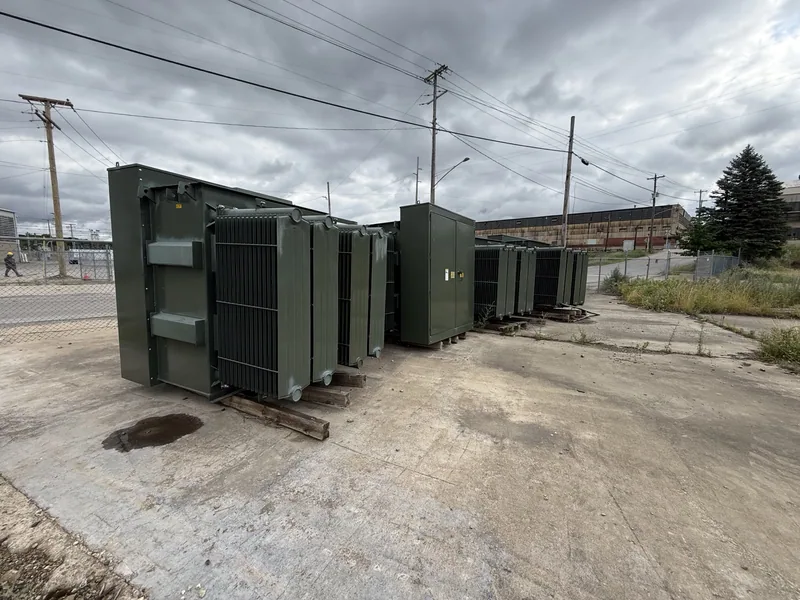
Transformers that have been sitting idle on a concrete pad for years often develop slow leaks around the bushings, radiators, or drain valves. A leaking unit creates an immediate slip hazard and a long-term environmental issue as the oil seeps into the concrete and surrounding soil.
Many facility managers assume that a leaking or previously failed unit has no value and must be treated entirely as hazardous waste. This is incorrect. Even if the tank has lost fluid or suffered a catastrophic internal failure, the copper or aluminium windings and the silicon steel core retain significant scrap value. We purchase leaking and failed units regularly.
During the removal process, our rigging partners utilize secondary containment measures to prevent any remaining oil from reaching the ground. Drip pans, absorbent booms, and specialized lifting techniques are employed to keep the pad clean while the unit is maneuvered onto the specialized heavy-haul trailer. Your site remains protected while you recover the scrap value of the damaged equipment.
Detail
Valuation Factors for Liquid-Cooled Equipment
When we assess the value of an oil-filled transformer, we look at several specific data points found on the manufacturer nameplate. The total weight of the unit and the kVA rating give us a baseline for the amount of recoverable metal inside the tank.
The material used for the internal windings is a major factor in the final cash offer. Copper-wound units carry noticeably more value than aluminium-wound units due to the higher commodity price of copper. We also evaluate the core design, the overall dimensions, and the logistics required to extract the unit from your specific location.
The condition of the oil and the distance to the nearest processing facility are factored into the freight and handling costs. By providing clear photos of the equipment, the nameplate, and the surrounding access routes, you enable us to calculate an accurate and aggressive offer. We handle the complex math of freight, rigging, and oil processing so you receive a straightforward purchase price.
Also worth knowing
Coordinating the Rigging and Freight
Removing a large oil-filled substation transformer requires specialized heavy rigging equipment and experienced personnel. These units can weigh tens of thousands of pounds, and their center of gravity can shift if the fluid sloshes during a lift. Standard forklifts and flatbed trailers are entirely inadequate for this type of work.
We arrange all the necessary cranes, jack-and-slide systems, and multi-axle lowboy trailers required to safely remove the equipment from your facility. Our logistics team coordinates with your plant managers to schedule the removal during optimal hours, minimizing disruption to your ongoing operations.
The entire process is designed to be turnkey for the seller. From the moment you accept our cash offer, we take over the logistical planning. We ensure that the rigging crews have the correct containment gear for the oil and that the freight carriers are properly licensed to transport liquid-filled electrical apparatus across state lines.
Brands
Brands that hold resale value over scrap value
More on transformer scrap value
Common questions
Questions sellers ask
Do you buy oil-filled transformers that are currently leaking?
Yes, we purchase units that are actively leaking or have previously failed. A leaking tank does not eliminate the scrap value of the internal copper or aluminium windings and the steel core. We arrange for the proper containment and licensed handling of the remaining fluid during the removal process, ensuring your site is protected while you recover the equipment's value.
What information do you need to make an offer on my equipment?
To provide an accurate cash offer, we need clear photographs of the transformer and a close-up picture of the manufacturer nameplate. The nameplate provides the kVA rating, total weight, winding materials, and fluid capacity. We also need to know the physical location of the unit and any access restrictions for heavy rigging equipment.
Will you drain the oil on site before moving the transformer?
The decision to drain the oil on site depends on the size of the unit, the condition of the tank, and the specific logistical requirements of the removal. For very large substation units, draining is often necessary to reduce the weight for transport. We arrange all licensed pumping and transportation of the fluid when on-site draining is required.
Do I need to provide a recent PCB test before selling?
While having a recent PCB test accelerates the purchasing process, it is not always strictly required for us to make an initial evaluation. However, older units without clear documentation will eventually require testing to ensure compliance with federal transportation and disposal regulations. We can help coordinate this testing through licensed channels as part of the transaction.
Who pays for the rigging and freight when you buy my transformer?
We arrange and cover the costs of all rigging, heavy freight, and licensed oil handling. These logistical expenses are calculated and factored into the cash offer we present to you. You do not have to hire separate crane operators or hazardous materials transporters; we manage the entire removal process from start to finish.
Ready to move the unit?
Stop letting obsolete liquid-cooled equipment take up valuable space and create environmental liabilities at your facility. We provide a streamlined purchasing process that handles the heavy lifting, the freight, and the licensed fluid management. Call 954-740-1983 or email electricalequipmentbuyers@gmail.com today to get a cash offer for your surplus oil-filled transformers.