
Overview
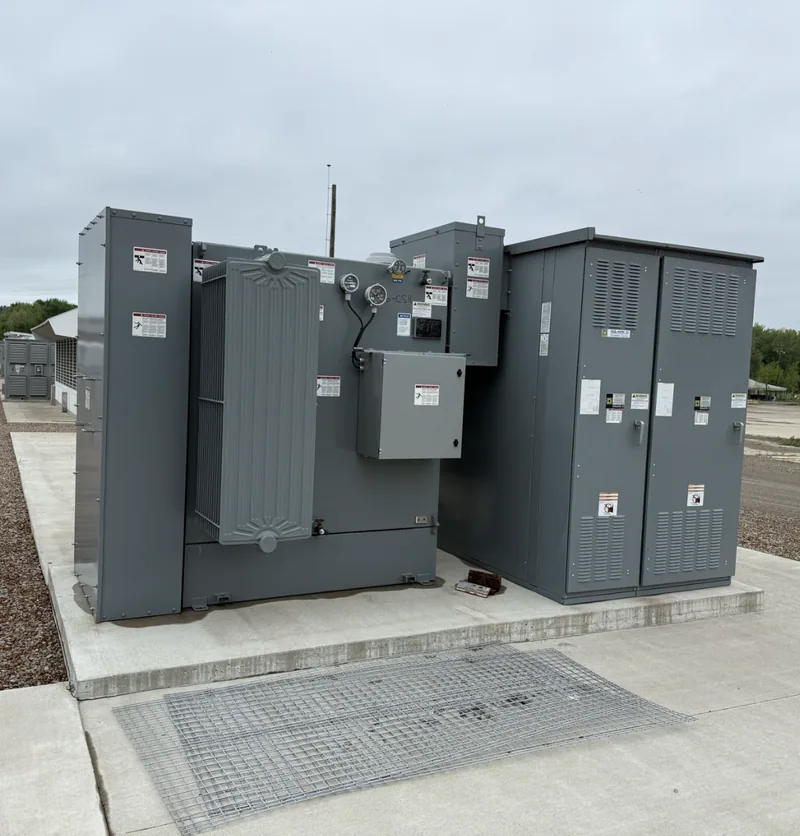
Because the enclosure is designed for public areas, all live parts are shielded and cable connections are made in sealed compartments. Most padmounts are liquid-filled, dead-front designs with separable elbow connectors on the high side and enclosed lugs on the low side. Ratings commonly range from 25 kVA up into the thousands, with primary voltages like 4.16 kV, 12.47 kV, 13.2 kV, or 24.9 kV, and secondaries such as 120/240 V, 208Y/120 V, or 480Y/277 V. If you have one from a demolition, service upgrade, or site closure, understanding exactly what it is and what’s on its nameplate is the fastest path to a strong cash offer and smooth removal.
Why sell to us
What “Pad-Mounted” Means in Power Distribution
Pad-mounted describes both where the transformer sits and how it’s built. Instead of being hung on a pole or tucked into indoor gear, a padmount lives outdoors on a concrete pad, inside a low-profile cabinet that the public can walk past without exposure to live parts. To achieve that, it uses a tamper-resistant enclosure with interlocked doors and shrouded components.
Electrically, it is a distribution-class transformer receiving medium voltage and delivering utilization voltage to a building, campus, or subdivision. The cabinet has two main compartments: a high-voltage side for the primary terminations, switches, and under-oil fusing; and a low-voltage side for secondary lugs. Cooling is by natural convection through oil-filled tanks with fins or corrugations, typically designated ONAN on the nameplate. This category covers single‑phase and three‑phase units and includes radial-feed and loop-feed configurations.
What we buy
How to Identify a Padmount on Your Site
Start with the enclosure. Most padmount transformers are olive or dark green, rectangular, and roughly chest height, with double front doors secured by penta-head bolts. They sit on a poured concrete pad and often have yellow stencil markings indicating kVA. Warning decals like “Caution High Voltage” are common. When opened by qualified personnel, you will see two separate compartments, usually with a steel barrier between high and low voltage sides.
On the primary side, look for dead-front bushings that accept 200 A or 600 A separable elbows, feed-through devices, and sometimes a visible position indicator for an internal switch. On the secondary side, you will see enclosed lugs or a spade arrangement for building feeders. The nameplate is typically riveted to the inside of a door or the tank wall and lists kVA, primary and secondary voltages, impedance, BIL, serial number, fluid type, and weights. A photo of that nameplate plus overall photos from each side gives us what we need to identify and value the unit.
How it works
Nameplate Data That Drives Resale or Scrap Value
The kVA rating is the starting point, because it hints at both market demand and core size. Common single‑phase ratings are 25–250 kVA, while three‑phase padmounts range from 75 kVA into the 3000 kVA class. Primary voltage matters as well: 12.47 kV grounded wye and 13.2 kV delta are prevalent in some regions, while others favor 24.9/14.4 kV systems. A versatile dual-voltage primary, multi-tap arrangement, or common secondary outputs like 480Y/277 V can expand the buyer pool when a unit tests good.
Impedance percentage and BIL rating help determine interchangeability and fault duty compatibility. The nameplate fluid line tells us whether the unit is filled with mineral oil or a natural ester like FR3, and whether the fluid was factory-filled. Pre‑1980 manufacture dates may trigger PCB screening for safe handling. Finally, the nameplate weights, including total and oil weight, hint at copper versus aluminum windings and core steel mass, which directly affects scrap value if the unit is not reusable.
Logistics and payment
Construction Features: Cabinet, Bushings, Fuses, and Oil
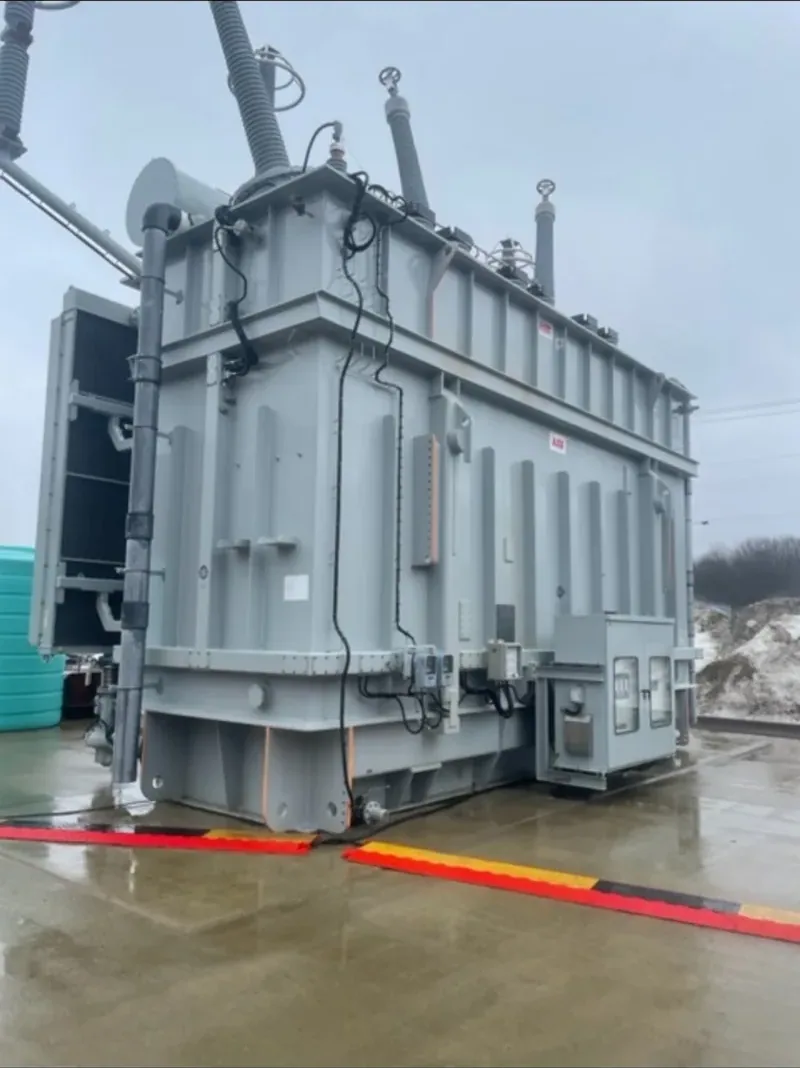
Padmount cabinets are engineered for tamper resistance: interlocked doors prevent access to the high-voltage side unless the low-voltage door is open, and removeable panels are designed to deter unauthorized entry. The tank is welded steel with radiators or corrugations to increase surface area. Some coastal or chemical sites specify stainless steel tanks and hardware. Pressure relief devices, liquid level gauges, and thermometer wells are common.
Most modern padmounts are dead-front, meaning all primary terminations are insulated and touch-safe with elbows. Inside the tank, you may find a two-position or four-position switch for radial or loop service, along with fusing such as bayonet expulsion fuses and under-oil current-limiting fuses that coordinate with system protection. Cooling is natural (ONAN), and load tap changers on padmounts are typically off-circuit manual tap changers, not energized LTCs. The fluid is usually inhibited mineral oil or, on newer units, a high-fire-point natural ester. Fluid type and condition influence both environmental steps and value.
Detail
Common Variants: Phase, Feed, and Conductor Materials
Single‑phase padmounts are common in residential and light commercial settings, often with a 120/240 V secondary. Three‑phase units serve larger buildings, data centers, and industrial loads and may provide 208Y/120 V or 480Y/277 V. Radial-feed designs have one primary cable set, while loop-feed adds a second set of bushings or feed-throughs to sectionalize and maintain continuity, a feature utilities favor for reliability.
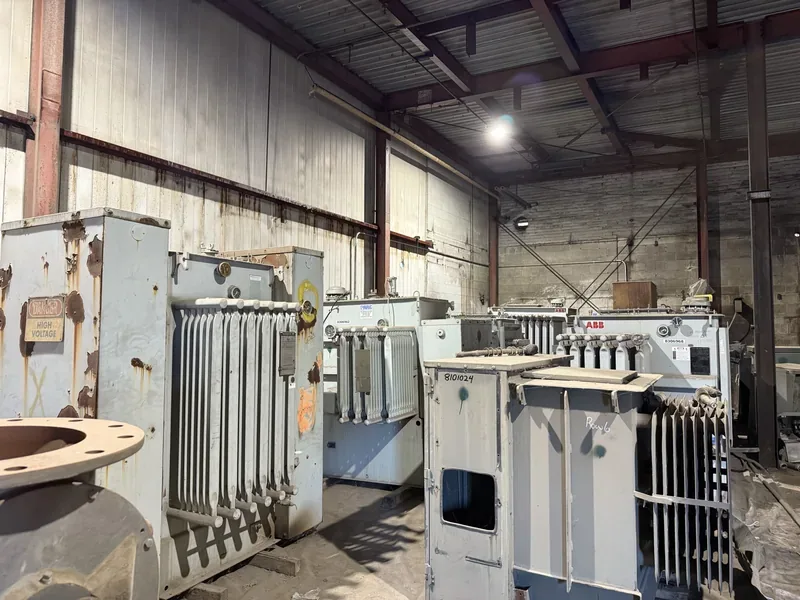
Windings may be copper or aluminum. Copper-wound units often carry a premium in both equipment and scrap scenarios due to copper’s higher conductivity and residual value. Aluminum is lighter and often more common in larger kVA classes. Cabinets range from painted mild steel to stainless for harsh environments. You may encounter older live-front padmounts with exposed porcelain bushings under the door; these are less common now but still serviceable and readily recyclable. Recognizing these variants helps set expectations for testing, handling, and the likely buyer base.
Also worth knowing
Value Factors We Consider When Making a Cash Offer
Marketability as equipment comes first. If the padmount passes standard electrical tests, has a desirable voltage combination, and shows good cosmetic condition with intact doors, hinges, and compartments, it can be valued as a reusable transformer rather than by the pound. Loop-feed three‑phase units with common voltages and moderate impedance often attract strong interest. Optional accessories, like fault indicators or stainless construction, can add value.
If testing isn’t feasible or the unit is failed, value shifts to recoverable materials: copper or aluminum windings, core steel, the tank, and the fluid. Evidence of severe overheating, internal arcing, or cracked bushings tilts the equation toward scrap. Manufacture date and fluid labeling affect handling; units suspected of PCB content require sampling and compliant disposal pathways, which we manage but must account for in pricing. Location, pad access, and rigging complexity also influence the net cash offer because freight, cranes, and site conditions vary widely across all 50 states.
Condition and testing
Removal, Environmental Handling, and Nationwide Logistics
Padmount transformers are dense. Even modest units can weigh thousands of pounds, and large three‑phase gear can exceed 20,000 pounds. Our team plans removal with the right tools: forklifts, roll-offs, tilt-beds, or cranes as the site dictates. Clearances, fence lines, landscaping, and nearby utilities all factor into the lift plan. When secondary conductors remain connected or the primary is still energized, we coordinate with your electrical contractor or utility to schedule safe de-energization prior to pick-up.
Fluids are addressed per regulation. We sample when needed, manage spill prevention, and transport under proper documentation. Whether your transformer is reusable or scrap, we handle the entire chain from loading to final destination. That includes purchasing associated padmount switchgear or unit substation components on the same trip if you want the yard cleared in one mobilization. We operate nationwide, so one call or email gets you a pickup window and a straightforward path to turn idle equipment into cash.
Common questions
Questions sellers ask
What is a padmount transformer used for?
A padmount transformer accepts medium-voltage incoming power and steps it down to building or campus service voltages at ground level. It’s engineered for public or accessible areas, with all live parts shielded inside a lockable cabinet. You’ll find them feeding neighborhoods, schools, hospitals, retail centers, warehouses, and industrial plants. Single‑phase units often serve small loads, while three‑phase models supply larger facilities with 208Y/120 V or 480Y/277 V. If you’re retiring one after a service upgrade or demolition, we purchase working, failed, and scrap units and handle removal.
How can I tell if my padmount transformer has PCB oil?
Check the nameplate and any fluid decals first. Labels that state “Non‑PCB” or list natural ester (FR3) or mineral oil filled after 1979 are good signs. Pre‑1980 manufacturing dates, missing decals, or units with an unknown service history warrant sampling to confirm. Many older transformers are Non‑PCB, but only a lab screen provides certainty. We arrange sampling, manage compliant handling, and reflect any testing and disposal requirements in our pricing, so you don’t have to line up multiple vendors or guess about environmental steps.
What photos and details help you price a padmount transformer?
Start with clear overall photos from all sides, plus close-ups of the nameplate, door interiors, and any damaged areas. A shot of the high-voltage compartment showing bushings or elbows, and the low-voltage lugs, is helpful. Note kVA, primary and secondary voltages, impedance, fluid type, and manufacture date from the nameplate. Include approximate dimensions, pad access constraints, and whether the unit is de-energized. Email everything to electricalequipmentbuyers@gmail.com or call 954-740-1983, and we’ll respond quickly with a cash offer and a pickup plan.
Do you buy failed or leaking padmount transformers?
Yes. Failed units still contain valuable metals and steel, and we purchase them as scrap if they’re not suitable for reuse. Minor weeps or gasket leaks are common in older units and can be managed during handling. Significant leaks or suspected PCB content require additional precautions and may affect pricing, but we take care of sampling, containment, and transport. Whether your equipment is working, failed, or scrap, we price it accordingly and coordinate safe removal so your yard or jobsite can be cleared in one visit.
How are padmount transformers priced: by kVA or by the pound?
If a unit passes electrical testing and has in-demand voltages, it’s often priced as equipment, with kVA, voltage combination, impedance, and condition driving value. That can exceed simple scrap calculations. If a transformer is failed or not testable, pricing shifts toward recoverable materials, considering copper or aluminum windings, core steel, tank weight, and fluid handling. Location and rigging complexity also matter. Share photos and nameplate data, and we’ll explain the options so you can choose the best path to maximize your net return.
How heavy is a padmount transformer and what access do you need?
Weights vary widely. Small single‑phase units may weigh under a ton, while large three‑phase padmounts can exceed 10 tons. We ask about gate widths, turning radii, overhead obstructions, and concrete pad condition to match the right equipment, from forklifts and tilt-beds to cranes. If fencing or landscaping complicates removal, we plan around it. Providing a few site photos and dimensions with your email helps us schedule the safest, most efficient pickup and firm up the offer with accurate rigging and freight included.
Ready to move the unit?
If you have a padmount transformer coming out of service, in storage, or sitting on a demolition list, we’re ready to buy it and handle the logistics. Working, failed, or scrap, we’ll assess the nameplate, photos, and site conditions and follow through with turnkey removal anywhere in all 50 states. Contact Moses Johnson for a fast cash offer and a pickup date that fits your schedule. Call 954-740-1983 or email electricalequipmentbuyers@gmail.com.