
Overview
Whether your transformers are fully functional, have failed, or are scrap, knowing what affects their value aids in making informed decisions. This guide walks you through the key factors that determine the cash value of oil-filled and dry-type transformers, explains how buyers assess them, and offers practical advice for businesses looking to sell these units. With nationwide pickup and freight handled by the buyer, the process is straightforward once you understand how your equipment’s characteristics impact its price.
Why sell to us
Basic Differences Between Oil-Filled and Dry-Type Transformers
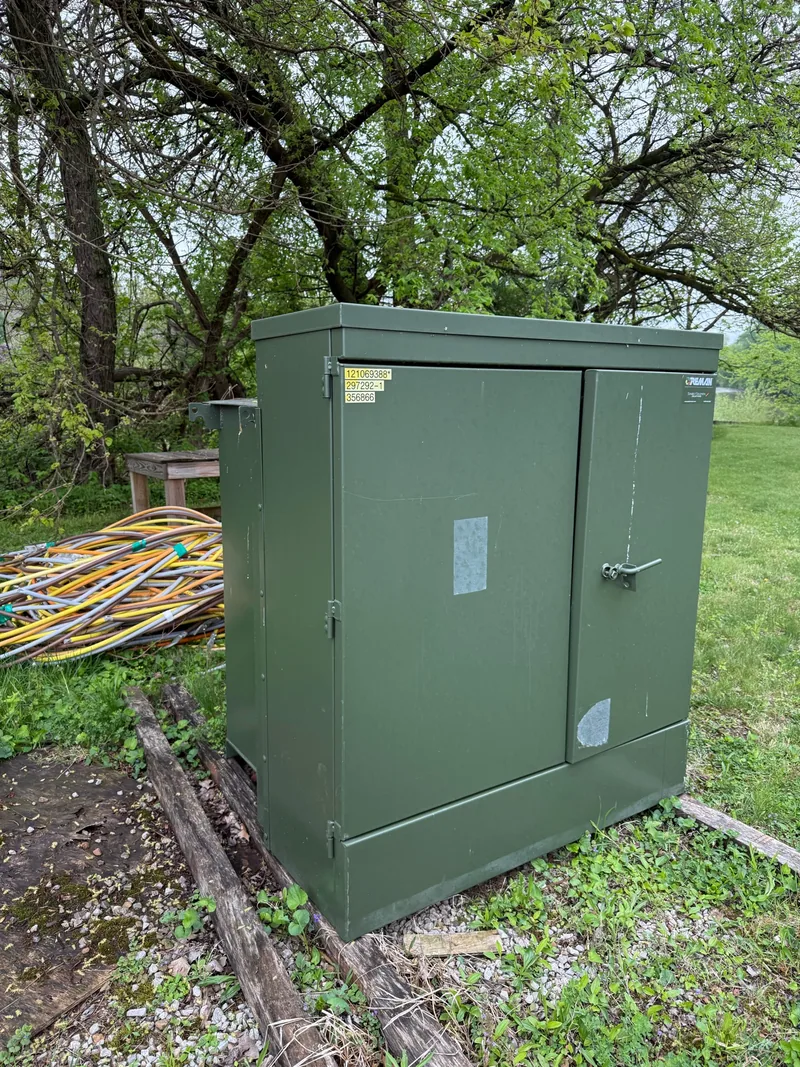
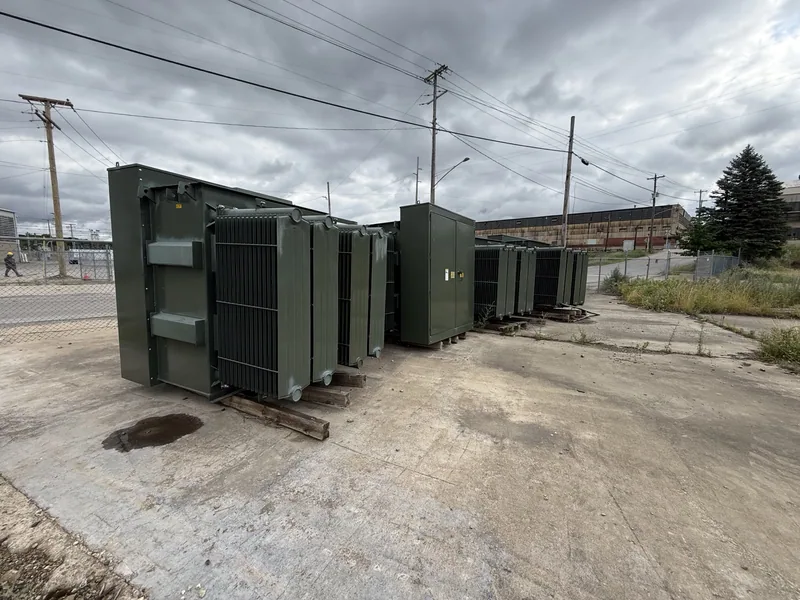
Oil-filled transformers use mineral oil or other insulating fluids to cool and insulate the internal windings and core. This oil helps dissipate heat efficiently and provides electrical insulation, which allows the transformer to handle higher power loads in a compact design. Dry-type transformers, by contrast, rely on air circulation for cooling and use solid insulation materials such as epoxy resins or fiberglass. This makes dry-type units inherently safer in environments sensitive to oil leaks or fires, like indoor facilities or areas with strict environmental regulations. The construction differences influence not just where these transformers are used but also their maintenance needs and eventual resale or scrap value.
What we buy
Material Composition and Impact on Salvage Value
At the core of transformer value is the content of copper or aluminum windings and the steel in the core. Oil-filled transformers often contain more copper or aluminum due to design requirements for efficient cooling and insulation. The oil itself also has salvage value but must be handled and disposed of properly due to environmental regulations, which can affect net returns. Dry-type transformers have less copper or aluminum and no oil, but their solid insulation materials add some value, though typically less than oil. Buyers skilled in equipment appraisal evaluate the weight and quality of these metals along with the condition of insulating materials to determine a fair cash offer.
How it works
Condition and Testing Influence on Transformer Pricing
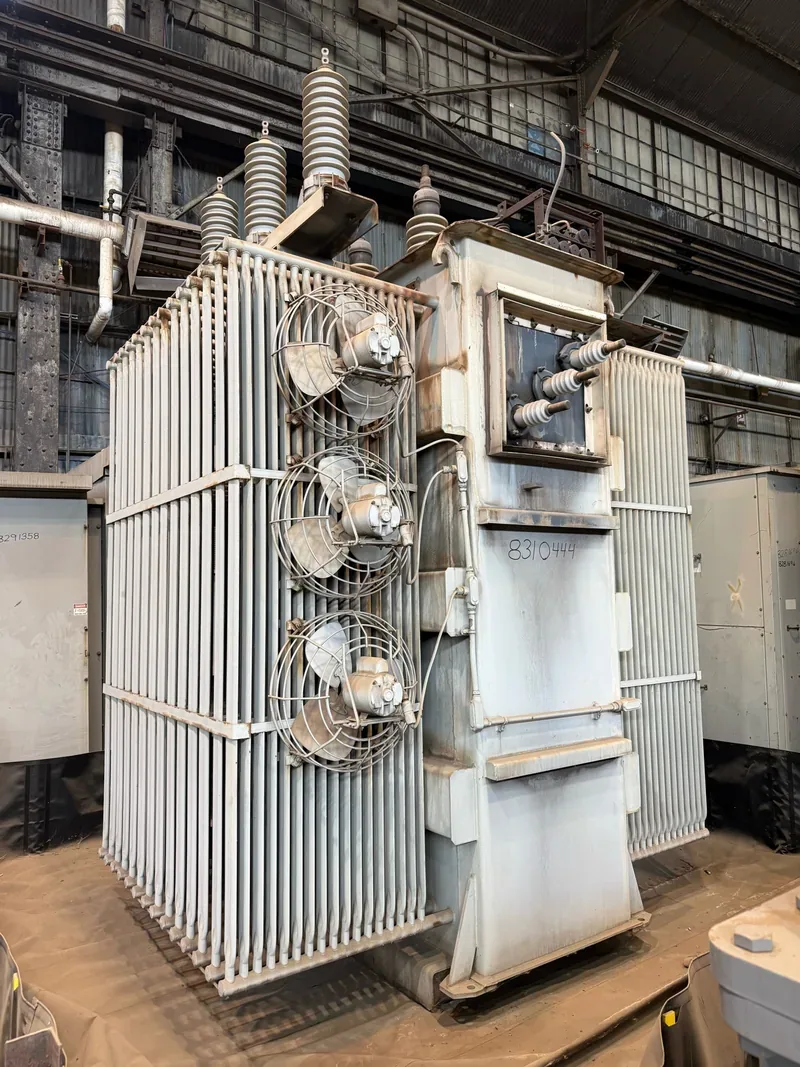
Whether a transformer is fully operational, partially failed, or scrap significantly impacts its price. Working oil-filled or dry-type transformers that pass electrical testing are valued as equipment and command higher offers. Failed units still hold value for their metals and oil content but at reduced prices. Buyers assess the condition through diagnostic testing, visual inspection, and oil quality analysis when applicable. Dry-type units are often easier to test on site due to the absence of oil, while oil-filled units require additional handling precautions for oil sampling. Understanding these testing procedures can help sellers prepare their equipment and set realistic price expectations.
Logistics and payment
Environmental and Safety Considerations Affecting Value
Oil-filled transformers may contain PCBs or other hazardous substances depending on their age. This can complicate removal, transportation, and disposal, potentially lowering the net value due to extra handling costs and regulatory compliance. Dry-type transformers offer fewer environmental risks since they do not contain oil, making them more attractive for indoor use and easier to manage from a safety standpoint. Buyers factor these considerations into their cash offers, especially when arranging logistics and rigging for pickup. Sellers should disclose any known hazards to ensure transparency and proper handling.
Detail
Logistics and Freight Handling for Both Transformer Types
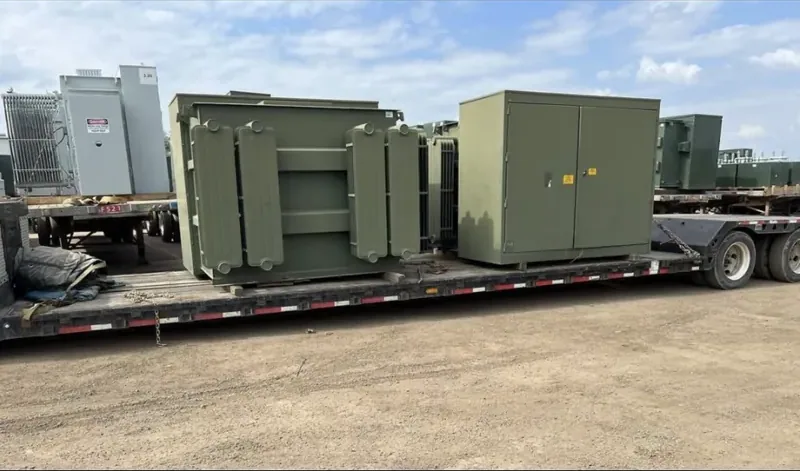
Both oil-filled and dry-type transformers can be large and heavy, requiring specialized rigging and freight arrangements. Oil-filled transformers may need additional precautions to prevent oil spills during transport. Dry-type transformers, although oil-free, can still be bulky and require careful handling to avoid damage to the insulation. Buyers like transformersbuyers.com handle all logistics, including rigging and freight, nationwide across all 50 states. This turnkey service reduces the seller’s workload and risk, making it easier to sell units regardless of type or condition.
Also worth knowing
How to Prepare Oil-Filled and Dry-Type Transformers before selling
Preparing your transformers to maximize their value starts with accurate inventory documentation and clear communication about condition and specifications. For oil-filled units, it helps to provide oil test results if available and disclose any leaks or past repairs. Dry-type transformers should be free of dust and debris, with accessible nameplates and wiring details. Removing any non-original attachments or accessories that could complicate handling is advisable. Providing photos and detailed descriptions expedites the evaluation process and helps the buyer make a competitive cash offer quickly.
Condition and testing
Choosing a Buyer Who Understands Transformer Value
Not all buyers have the expertise to accurately appraise both oil-filled and dry-type transformers. Selecting a company experienced in electrical equipment, knowledgeable about materials, testing, environmental regulations, and logistics ensures you receive a fair cash offer. Companies that specialize in buying used and scrap transformers nationwide, such as transformersbuyers.com, can provide transparent pricing and handle freight and rigging. This professional approach minimizes surprises and maximizes your return regardless of transformer type or condition.
Common questions
Questions sellers ask
Do oil-filled transformers sell for more than dry-type transformers?
Typically, oil-filled transformers can fetch higher prices due to their heavier copper or aluminum content and the salvage value of the oil. However, this depends on condition, size, and market demand. Dry-type transformers are often valued lower but have fewer environmental and handling concerns.
Can I sell a transformer that has failed electrical testing?
Yes. Even failed transformers have value because of their metal components and, in oil-filled units, the insulating oil. Buyers will offer cash based on scrap value and the condition of recoverable materials.
How does the presence of PCBs in oil-filled transformers affect value?
Transformers containing PCBs require special handling and disposal, which can reduce their net value due to increased costs. It’s important to disclose any PCB contamination upfront for accurate pricing and compliance.
Do I need to remove the oil before selling an oil-filled transformer?
No, buyers typically handle oil removal, recycling, or disposal as part of their services. Sellers should ensure the transformer is accessible for pickup and disclose any leaks or oil conditions.
Is pickup and freight included when selling transformers?
Many buyers, including transformersbuyers.com, arrange and pay for pickup, rigging, and freight nationwide. This simplifies the selling process and reduces seller liability.
What details should I provide to get an accurate cash offer?
Provide transformer type, size, condition, electrical testing results if available, oil condition for oil-filled units, and any known damages or hazards. Photos and serial numbers help expedite evaluation.
Are dry-type transformers easier to sell than oil-filled units?
Dry-type transformers are often easier to handle and pose fewer environmental concerns, which can make logistics simpler. However, their salvage value is usually lower due to less metal and no oil.
Ready to move the unit?
Selling your oil-filled or dry-type transformers can be straightforward when you understand what affects their value. Whether your units work or are scrap, knowing these key differences helps you secure a fair cash offer with professional nationwide pickup and freight included. To start the process or get a free consultation, contact Moses Johnson today at 954-740-1983 or email electricalequipmentbuyers@gmail.com.