
Overview
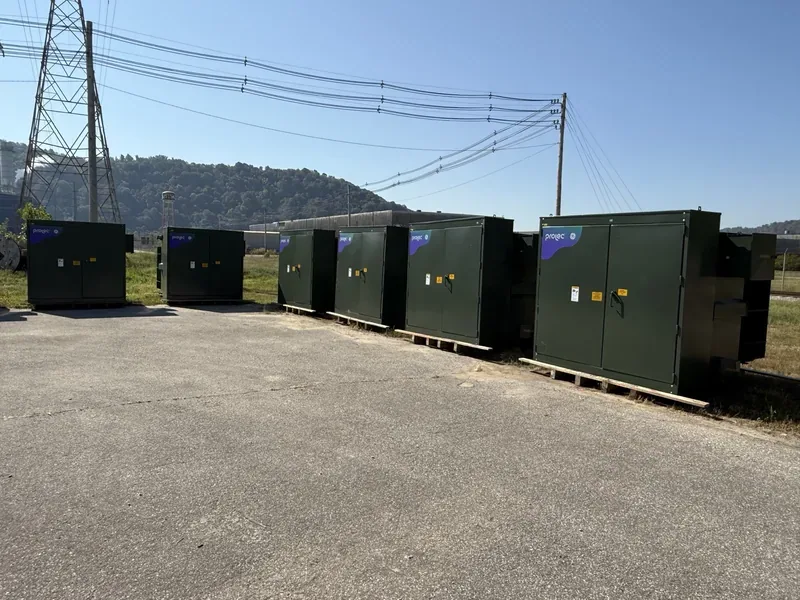
They are the heavy lifters of the electrical grid, engineered to handle immense power loads and operate continuously under demanding conditions. For utility companies, large-scale industrial facilities, and specialized demolition contractors, the decommissioning or replacement of a substation transformer is a major logistical and financial event. These units are enormous, often weighing tens or even hundreds of thousands of pounds, and contain vast quantities of valuable copper, aluminum, core steel, and dielectric oil. Whether a substation transformer is being retired due to age, upgraded for increased capacity, or removed after a catastrophic failure, it represents a highly valuable asset. We purchase used, surplus, and scrap substation transformers nationwide, providing the expertise and logistical support necessary to turn these massive units into a substantial cash offer.
Why sell to us
The Function of Substation Transformers in the Grid
The electrical power grid is a complex network designed to generate, transmit, and distribute electricity efficiently over vast distances. Substation transformers are strategically positioned at key junctions within this network to manage voltage levels. When electricity is generated at a power plant, it is stepped up to extremely high voltages—often between 115 kV and 765 kV—by a step-up substation transformer. This high voltage minimizes energy loss as the power travels across long-distance transmission lines.
Once the power reaches a regional or local destination, it must be stepped down to safer, more manageable levels before it can be distributed to homes and businesses. This is the primary role of the step-down substation transformer. It takes the high transmission voltage and reduces it to medium distribution voltages, typically ranging from 4 kV to 34.5 kV. This medium-voltage power is then sent out along overhead lines or underground cables to smaller polemount or padmount transformers, which perform the final step-down to standard utilization voltages.
Because they handle the aggregated power demands of entire cities, industrial parks, or large regions, substation transformers are built with massive kilovolt-ampere (kVA) or megavolt-ampere (MVA) ratings. A single unit can easily be rated for 10 MVA, 50 MVA, or even higher. When these critical assets reach the end of their service life or are replaced to accommodate grid expansion, their sheer size and material composition make them incredibly valuable in the secondary and scrap markets.
What we buy
Core and Coil Construction
The internal construction of a substation transformer is a marvel of electrical engineering, designed to manage immense magnetic forces and thermal stress. The core is constructed from thousands of thin, stacked laminations of high-grade silicon steel. This massive steel structure provides a low-reluctance path for the magnetic flux generated during operation. The quality and design of the core are critical for minimizing no-load losses, which is a major efficiency metric for utility operators.
Surrounding the core are the primary and secondary windings, which are typically constructed from heavy-gauge copper or aluminum conductors. In substation transformers, copper is frequently the material of choice due to its superior electrical conductivity and mechanical strength, allowing for a more compact design despite the massive power ratings. The windings are meticulously insulated with specialized paper and solid insulation materials to prevent short circuits under extreme high-voltage conditions.
The sheer volume of metal contained within the core and coil assembly is the primary driver of a substation transformer's scrap value. A single unit can contain thousands of pounds of high-grade copper and tens of thousands of pounds of steel. When we evaluate a decommissioned substation transformer, understanding the internal construction—specifically the weight and material of the windings—is essential for calculating an accurate and highly competitive cash offer.
How it works
Cooling Systems and Radiators
Substation transformers generate a tremendous amount of heat during operation due to electrical resistance in the windings and magnetic losses in the core. To prevent the insulation from degrading and the unit from failing, this heat must be continuously and effectively dissipated. The core and coils are submerged in a massive steel tank filled with thousands of gallons of dielectric fluid, typically highly refined mineral oil, which acts as both an electrical insulator and a heat transfer medium.
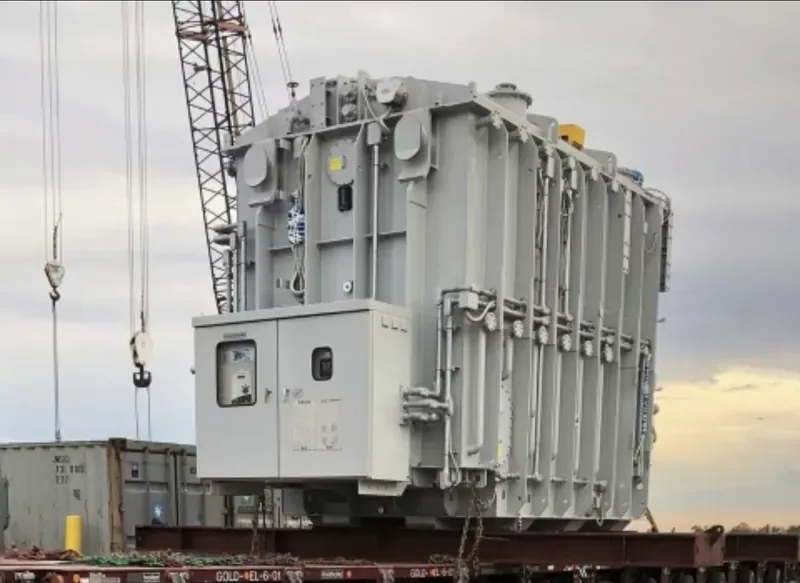
To cool the oil, substation transformers are equipped with extensive external cooling systems. The hot oil rises to the top of the tank and flows outward into large banks of external radiators or heat exchangers. As the oil circulates through the thin fins of the radiators, it transfers its heat to the surrounding ambient air before returning to the bottom of the tank. This natural convection process is known as ONAN (Oil Natural Air Natural) cooling.
For higher load conditions, forced cooling methods are employed. Large industrial fans are mounted on the radiators to force air across the fins (ONAF - Oil Natural Air Forced), and specialized pumps may be used to actively circulate the oil through the core and radiators (OFAF - Oil Forced Air Forced). When dismantling a substation transformer for scrap, these external radiators, fans, and pumps must be carefully removed and processed. The heavy steel construction of the radiators adds to the overall scrap weight and value of the unit.
Logistics and payment
Bushings, Tap Changers, and Accessories
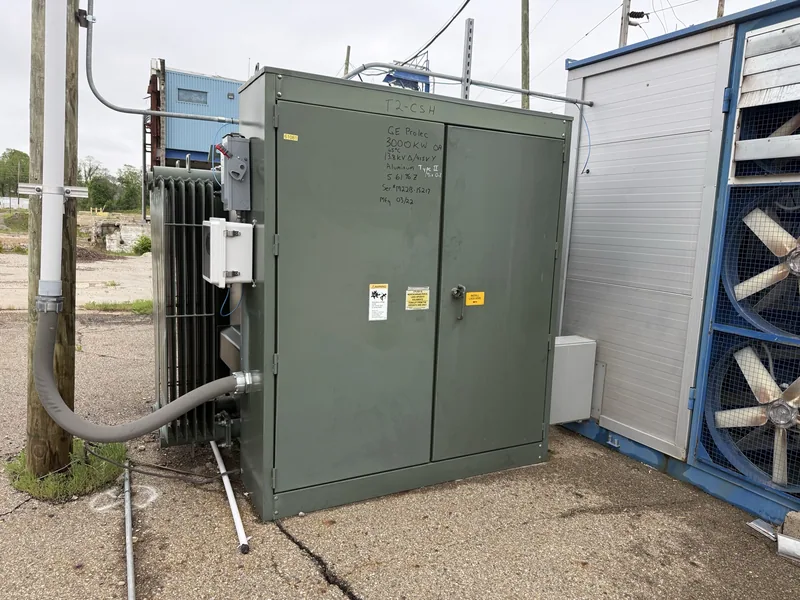
The exterior of a substation transformer is fitted with numerous critical components that allow it to interface with the power grid and be monitored by operators. The most prominent of these are the high-voltage and low-voltage bushings. These large, often ceramic or polymer structures protrude from the top or sides of the tank, providing an insulated path for the electrical conductors to pass through the grounded steel casing. High-voltage bushings are complex assemblies in themselves, often oil-filled or utilizing condenser grading to manage the intense electrical stress.
Another vital component is the Load Tap Changer (LTC) or De-Energized Tap Changer (DETC). Tap changers allow the utility to adjust the turns ratio of the transformer, thereby regulating the output voltage to compensate for fluctuations in grid demand. An LTC can make these adjustments while the transformer is energized and carrying a load, making it a highly complex and mechanically intricate device housed in its own oil-filled compartment attached to the main tank.
Additionally, substation transformers are equipped with a suite of monitoring and protection accessories, including sudden pressure relays, oil temperature indicators, winding temperature monitors, and dissolved gas analysis (DGA) valves. While these accessories are critical for the operational life of the transformer, they are generally removed and recycled as mixed metals during the scrapping process. The primary value remains concentrated in the massive core, the copper or aluminum windings, and the heavy steel tank.
Detail
Assessing the Value of Decommissioned Units
Valuing a decommissioned substation transformer is a complex process that requires specialized knowledge of heavy electrical equipment. For units that are relatively modern, well-maintained, and fully functional, there is a strong secondary market. Utilities and large industrial users often seek out refurbished substation transformers to serve as emergency spares or to bypass the long lead times—often stretching to several years—required to manufacture a new unit. These working transformers command premium prices.
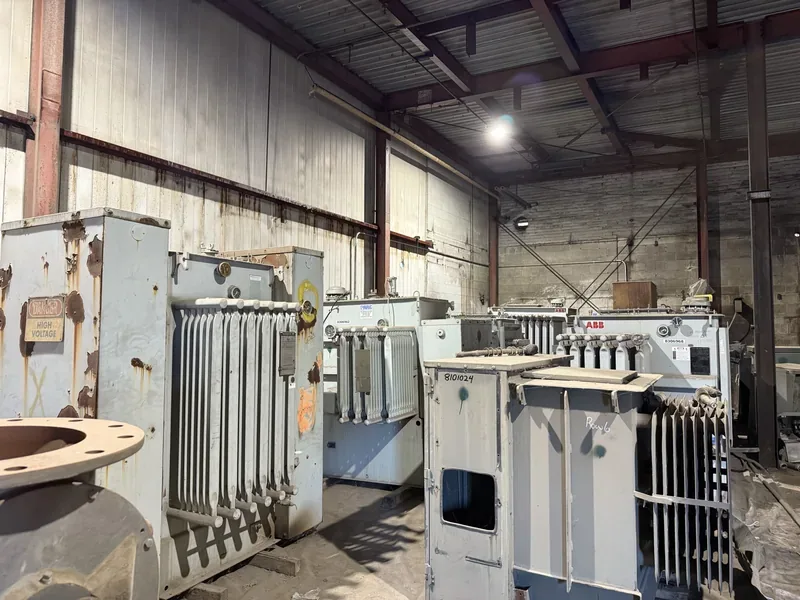
However, many substation transformers are decommissioned only after they have suffered a catastrophic failure, such as an internal short circuit or a lightning strike, or when they have simply aged beyond their reliable service life. For these units, the value is determined entirely by their raw material content. The gross weight of the transformer, which can exceed 100,000 pounds, is just the starting point. The critical factor is the "tear-down" yield—the exact percentage of copper, aluminum, silicon steel, and carbon steel that can be recovered.
To provide a cash offer, we require detailed information from the transformer's nameplate, including the MVA rating, high and low voltages, total weight, core and coil weight, and the winding material. General arrangement drawings or factory test reports, if available, are incredibly helpful in confirming the internal composition. By analyzing this data, we can accurately project the recoverable commodity value and present an offer that reflects the true worth of the asset, far exceeding what a general scrap yard could provide.
Also worth knowing
Environmental Compliance and Oil Handling
The decommissioning and removal of a substation transformer present significant environmental challenges, primarily due to the massive volume of dielectric oil involved. A single unit can contain anywhere from 1,000 to over 10,000 gallons of mineral oil. Ensuring that this oil is handled, transported, and recycled or disposed of in strict accordance with environmental regulations is paramount to prevent soil and water contamination and avoid severe regulatory penalties.
Furthermore, older substation transformers manufactured before the late 1970s may contain polychlorinated biphenyls (PCBs), a highly regulated hazardous substance. Even if a transformer has been retrofilled or classified as "non-PCB," it must be tested and documented properly before it can be moved or scrapped. The Environmental Protection Agency (EPA) mandates rigorous protocols for the handling of any equipment that contains or previously contained PCBs.
When you sell a substation transformer to a specialized buyer, you mitigate these environmental liabilities. While we do not perform on-site environmental remediation, we coordinate with specialized logistics and heavy-haul partners who are experienced in the safe, compliant transportation of large oil-filled equipment. We ensure that the oil is properly managed and that the entire process adheres to industry best practices, protecting your company's reputation and bottom line.
Condition and testing
The Complex Logistics of Heavy Hauling
Moving a substation transformer is not a standard freight operation; it is a major heavy-haul logistics project. Due to their immense size and weight, these units cannot be transported on standard flatbed trailers. They require specialized multi-axle heavy-haul trailers, often referred to as lowboys or Schnabel trailers, designed to distribute the extreme weight across numerous axles to comply with highway load restrictions.
The logistics process begins long before the truck arrives. The transformer must typically be prepped for transport, which often involves draining the thousands of gallons of oil to reduce weight, removing the fragile high-voltage bushings, and detaching the external cooling radiators. Heavy cranes or specialized hydraulic jacking and sliding systems are required to lift the massive tank off its concrete pad and secure it onto the transport trailer. Route planning is also critical, as the oversized load must navigate bridge weight limits, overpass clearances, and local traffic regulations, often requiring highway patrol escorts and specialized permits.
We understand the complexities of heavy hauling and factor these logistical challenges into our purchasing process. We work closely with your on-site contractors, rigging teams, and utility personnel to coordinate a seamless extraction. Our comprehensive cash offers account for the significant costs associated with this specialized freight, ensuring that you receive a clear, bottom-line figure for your equipment without the headache of managing the heavy-haul logistics yourself.
Freight
Why Choose a Nationwide Transformer Buyer
Disposing of a substation transformer is a high-stakes transaction. Relying on a local scrap yard is almost always a mistake, as they lack the heavy-haul capabilities, the environmental expertise, and the specialized knowledge required to accurately value the internal copper and steel. They will likely offer a low-ball price based on generic scrap iron rates, resulting in a massive loss of potential revenue for your organization.
By partnering with a specialized, nationwide transformer buyer, you ensure that you are maximizing the return on your high-value assets. We have the technical expertise to accurately assess the tear-down value of massive MVA units and the industry connections to place working units in the secondary market. This specialized focus allows us to offer highly competitive prices that reflect the true commodity or equipment value of your substation transformers.
Moreover, our nationwide reach means we can execute these complex transactions anywhere in all 50 states. Whether your substation is located in a dense urban center, a remote rural area, or a secure industrial facility, we have the logistical network to manage the extraction and transportation safely and efficiently. We provide a streamlined, professional process that turns your massive decommissioned liabilities into significant capital, allowing you to focus on your core operations and infrastructure upgrades.
Common questions
Questions sellers ask
What documents do I need to provide to sell a substation transformer?
The most critical document is a clear photograph of the transformer's nameplate, which details the MVA rating, weights, and voltages. If available, general arrangement drawings, factory test reports, and recent dissolved gas analysis (DGA) or PCB test results are highly valuable and will help us provide the most accurate and competitive offer.
Do you buy substation transformers that are still energized or connected to the grid?
No, we do not perform live electrical work or disconnect equipment from the grid. The transformer must be fully de-energized, disconnected, and made safe by your qualified utility personnel or electrical contractors before we can coordinate the rigging and transportation.
Who is responsible for draining the oil from the substation transformer?
In most cases, the oil must be drained prior to transport to reduce the weight and comply with heavy-haul regulations. While we do not perform on-site oil draining, we can often recommend specialized contractors, or we will coordinate with your team to ensure the unit is properly prepped for our heavy-haul freight partners.
Can you handle the transportation of a transformer that weighs over 100,000 pounds?
Yes, we routinely coordinate the logistics for massive substation transformers. We work with specialized heavy-haul freight companies equipped with multi-axle trailers, cranes, and the necessary permits to safely transport oversized and overweight electrical equipment across all 50 states.
How do you determine the scrap value of a failed substation transformer?
The scrap value is calculated based on the total weight of the unit and the specific materials used in its construction. We analyze the nameplate data and drawings to determine the exact weight of the copper or aluminum windings and the silicon steel core, applying current commodity market prices to generate a competitive cash offer.
How long does the process take from getting an offer to the equipment being removed?
We can typically provide a cash offer within 24 to 48 hours of receiving the necessary photos and documentation. The timeline for removal depends on the complexity of the rigging, the need for heavy-haul permits, and your site's schedule, but we work diligently to coordinate the logistics and execute the pickup as efficiently as possible.
Ready to move the unit?
Decommissioning a substation transformer is a massive undertaking, but disposing of the unit shouldn't be a source of lost revenue. These enormous pieces of electrical infrastructure contain vast amounts of valuable copper, steel, and reusable components. Whether you are a utility company upgrading a regional grid, an industrial facility replacing an aging unit, or a contractor managing a site demolition, we are here to maximize your return. We buy used, surplus, and scrap substation transformers nationwide, offering competitive pricing backed by deep industry expertise. We handle the complex valuation and coordinate the specialized heavy-haul freight, providing a seamless transaction from start to finish. Contact us today to discuss your equipment and receive a comprehensive cash offer. Call or email us at 954-740-1983 or electricalequipmentbuyers@gmail.com.