
Overview
We buy used, surplus, and scrap transformers from utilities, plants, and contractors across the United States. Our team evaluates your equipment based on the nameplate data and photos to determine its true material worth. You do not need to dismantle the unit yourself, as we handle the removal and freight.
Why sell to us
Where The Copper Actually Sits Inside The Unit
The primary source of non-ferrous value in these electrical units is found within the primary and secondary windings. These coils are wrapped around the steel core and are responsible for stepping the voltage up or down. In a copper-wound unit, these massive coils account for the vast majority of the recoverable metal weight.
Beyond the main windings, smaller amounts of high-grade copper are located in the leads, bushing stems, and tap changer contacts. While these components represent a fraction of the total weight compared to the coils, they are still critical elements of the overall material assessment. Every internal connection point adds to the total yield when the unit is properly processed.
It is important to note that not all transformers contain copper coils. Many modern distribution and padmount units are manufactured with aluminium windings to reduce production costs. This is why checking the nameplate is the only reliable way to confirm the internal composition before planning a removal project.
What we buy
Why Copper Percentage Falls As Absolute Weight Rises
A common misconception in the scrap industry is that larger transformers yield a higher percentage of copper relative to their total mass. In reality, as the kVA rating and physical size of the unit increase, the proportion of copper actually decreases. A small dry-type transformer might have a relatively high ratio of coil weight to core weight.
Conversely, massive substation and step-down transformers require enormous steel cores and heavy outer casings to manage the immense electrical loads and physical stresses. They also hold hundreds or thousands of gallons of insulating oil. While the absolute weight of the copper in a 10 MVA unit is substantial, it makes up a much smaller percentage of the total gross weight compared to a smaller unit.
This shifting ratio impacts how the equipment is valued for recovery. The heavy steel casing, the massive laminated core, and the dielectric fluid all add significant gross weight that must be transported and processed. Our evaluation process accounts for these variables to provide an accurate assessment of the recoverable materials.
How it works
The Complexities Of The Teardown Process
Extracting the valuable metals from a scrap transformer is a labor-intensive process that requires specialized equipment and strict environmental protocols. The teardown begins with the safe draining and capture of the insulating oil. This fluid must be handled through licensed channels, especially if there is any history of PCB contamination, to ensure full compliance with environmental regulations.
Once the fluid is removed, the heavy steel casing is cut open or unbolted to expose the internal assembly. The core and coil structure is then hoisted out of the tank. Separating the copper windings from the laminated steel core is the most challenging part of the operation. The coils are tightly wound and often impregnated with varnish or heavy insulation, requiring industrial shears and stripping machinery to break them apart.
Because of the heavy machinery and environmental safeguards required, dismantling these units on site is rarely practical or safe for a facility manager. We arrange the rigging, freight, and removal of the intact unit, taking the burden of the teardown process off your hands entirely.
Logistics and payment
Core Steel As A Separate Settlement Factor
While the windings draw the most attention, the laminated steel core is a massive component of any electrical transformer. This core is constructed from specialized electrical steel designed to minimize magnetic losses. During the recovery process, this steel is separated from the non-ferrous coils and processed as a distinct material stream.
The value of the core steel is entirely separate from the copper content. Electrical steel is a heavy, dense material that contributes significantly to the overall gross weight of the unit. However, it trades at a different market rate than non-ferrous metals. When we evaluate a surplus or scrap transformer, we factor in the recovery value of both the windings and the heavy steel core.
Understanding this distinction helps clarify why the gross weight of a transformer does not directly translate to its copper value. A unit may weigh ten thousand pounds, but the majority of that mass will be the steel tank, the core, and the oil. We analyze the specific model and kVA rating to accurately estimate the proportion of each material.
Detail
The Unreliability Of Guessing Content From The Outside
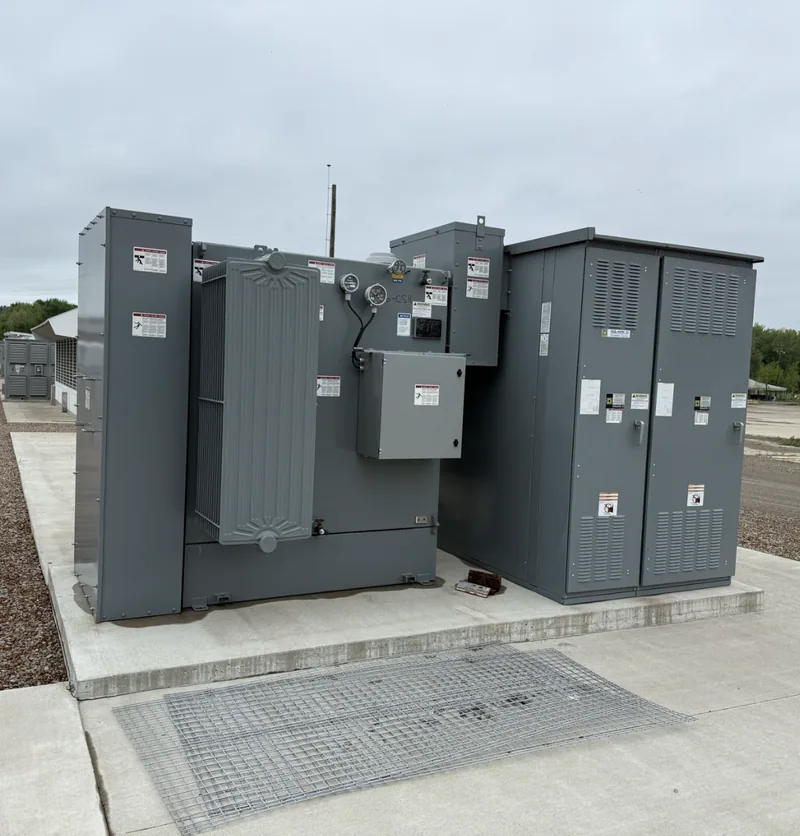
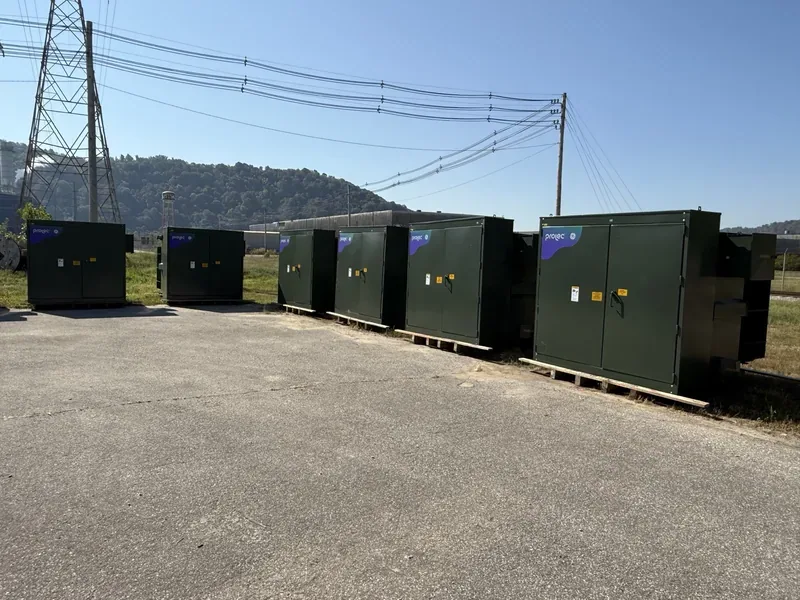
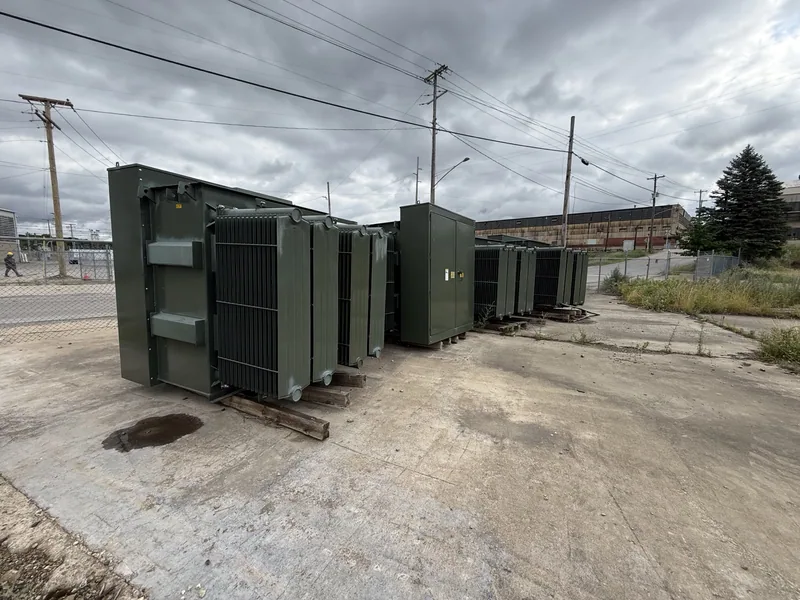
Attempting to estimate the internal metal content of a transformer simply by looking at its exterior casing is highly inaccurate. Two units sitting side by side on a concrete pad might have identical dimensions and similar gross weights, yet contain entirely different internal components. One might feature heavy copper coils, while the other utilizes lighter aluminium windings paired with a bulkier steel core.
The exterior tank provides no definitive clues about the winding material or the exact ratio of core steel to coil weight. Even the age of the unit is not a perfect indicator, as both metals have been used extensively in different applications for decades. Guessing the composition based on physical size often leads to wildly inaccurate valuations and logistical complications.
The only definitive way to determine the internal makeup without tearing the unit apart is by reading the manufacturer nameplate. This metal tag contains the exact specifications, including the winding materials, total weight, core weight, and oil capacity. Providing clear photos of this nameplate allows us to calculate the precise material value.
Also worth knowing
How Nameplate Data Drives Our Valuation
When you contact us to sell a surplus or scrap transformer, the first thing we request is a clear photograph of the manufacturer nameplate. This small metal tag is the blueprint of the equipment. It tells us the kVA rating, the primary and secondary voltages, the total gross weight, and crucially, whether the windings are copper or aluminium.
Using this data, our team can reference manufacturer specifications to determine the exact material breakdown of the unit. We can calculate the weight of the coils, the mass of the steel core, and the volume of the insulating oil. This precise information allows us to make a firm cash offer based on the actual recoverable materials rather than rough estimates.
By relying on the nameplate data, we eliminate the guesswork and provide a transparent valuation process. You do not need to drill into the casing or attempt to inspect the coils yourself. Simply send us the photos, and we will handle the complex calculations and arrange the logistics to remove the equipment from your facility.
Brands
Brands that hold resale value over scrap value
More on transformer scrap value
Common questions
Questions sellers ask
Can I determine the copper weight just by knowing the kVA rating?
The kVA rating alone is not enough to determine the exact non-ferrous weight. While higher kVA units generally contain more metal, the specific design, manufacturer, and whether the unit uses aluminium or copper windings drastically change the internal composition. The manufacturer nameplate provides the necessary details to calculate the true material breakdown accurately.
Do you buy transformers that have aluminium windings instead of copper?
Yes, we purchase units with both types of winding materials. While aluminium-wound units have a different material profile and scrap value compared to their copper counterparts, they still contain valuable core steel and components. We evaluate all types of surplus and scrap electrical equipment, regardless of the internal coil composition.
Is it worth dismantling the transformer myself to extract the coils?
Dismantling a transformer is dangerous and requires specialized heavy machinery, especially when dealing with insulating oil and massive steel cores. Environmental regulations also dictate strict handling procedures for the dielectric fluids. It is much safer and more efficient to sell the intact unit to us, as we arrange the rigging, freight, and proper processing.
Where is the highest grade metal located inside the unit?
The highest grade non-ferrous metal is found in the primary and secondary windings, which make up the bulk of the coil weight. Additional high-value material is located in the internal leads, bushing stems, and tap changer contacts. All of these components are separated and processed during the professional teardown operation.
How does the insulating oil affect the scrap value of the equipment?
Insulating oil adds significant gross weight to the unit but must be drained and processed through licensed environmental channels. The cost of safely handling, testing, and recycling this fluid is factored into the overall valuation of the equipment. We manage all aspects of the oil removal and processing when we purchase your unit.
What information do you need to make an offer on my equipment?
We need clear photographs of the equipment, focusing specifically on the manufacturer nameplate. The nameplate provides the kVA rating, gross weight, winding material, and other critical specifications. With these photos and details about the physical location of the unit, we can accurately assess its value and arrange the logistics for removal.
Ready to move the unit?
Understanding the material composition of your surplus electrical equipment is the first step in recovering its true value. We make the process simple by evaluating your units based on nameplate data and handling all the heavy lifting and freight. Call or email us today at 954-740-1983 to discuss your equipment and receive a cash offer.