
Overview
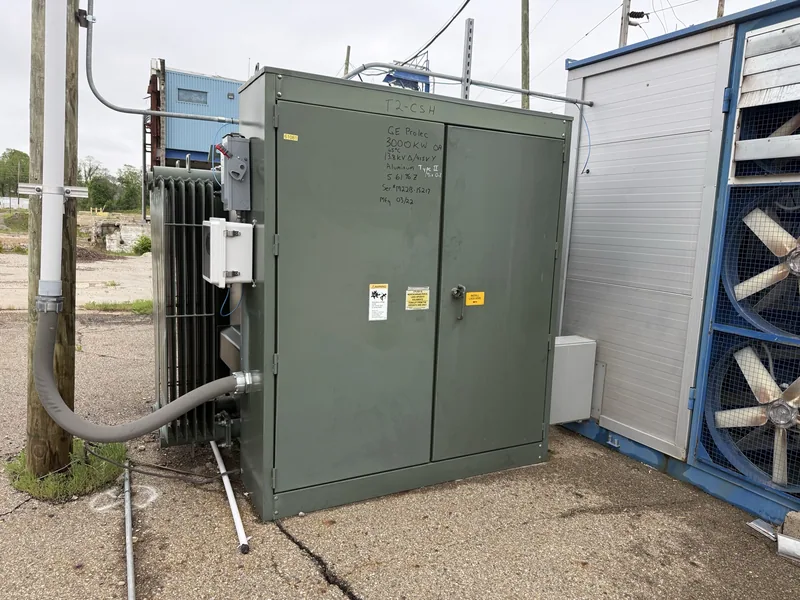
We explain the difference between an operational transformer priced as equipment and a nonfunctional or scrap unit valued for its metals and oil. You will learn what information to collect, how on-site inspections and testing affect offers, and what logistics—like rigging and freight—will look like when a buyer collects from your site. When you are ready to proceed, call or email to start the appraisal and receive a cash offer.
Why sell to us
How buyers determine transformer value
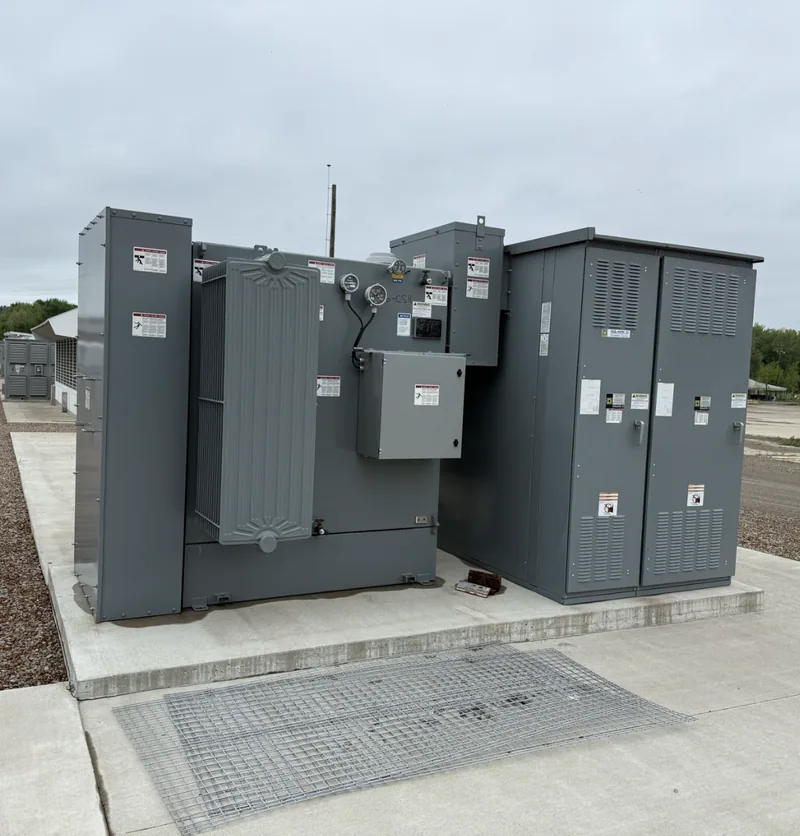
Valuation starts with condition. A transformer that powers equipment reliably and passes electrical testing is evaluated as usable equipment, which brings value for resale or reuse. Buyers look at rated kVA, primary and secondary voltages, type (padmount, polemount, dry-type, oil-filled), and any recent testing or maintenance records you can provide. The more documentation you can supply, the faster and more accurate the initial appraisal will be.
When a unit has failed or is out of service, its value shifts from functional equipment to recoverable materials. Copper or aluminum windings, core steel, and any contained insulating oil still represent real monetary value. The proportion of copper to steel, whether the windings are copper or aluminum, and the presence of valuable components like tap changers and conservators influence the scrap valuation. Buyers will also account for the cost of decontamination, handling, and disposal when making an offer.
An informed buyer separates the appraisal into equipment value and scrap value categories and explains how they arrive at a total offer. Knowing which category your transformer most likely falls into before the inspection saves time and avoids surprises during negotiation.
What we buy
What to document before you call
Before contacting a buyer, gather key technical details. Make a simple list that includes manufacturer and serial numbers, nameplate kVA and voltage ratings, type (for example, padmount or dry-type), approximate weight if available, and any recent test reports such as turns ratio, insulation resistance or power factor. Photographs from several angles—nameplate close-up, overall condition, and any visible damage—are invaluable for a prompt remote appraisal.
Also note operational history and why the unit is being retired. If it failed, describe symptoms and any troubleshooting performed. If it is being replaced, note whether the removal will be coordinated with the buyer or handled by your team. Clear documentation reduces uncertainty and shortens the time between inquiry and a cash offer.
If your site has access limitations, heavy equipment restrictions, or required safety clearances, write those details down as well. Buyers that handle pickup and rigging will want to know about gate hours, weight limits, and on-site equipment so they can plan transport safely and efficiently.
How it works
Photos, remote assessments and on-site inspections
Initial assessments usually begin with photos and information you provide. Close-up images of the nameplate, bushing connections, cooling fans, conservator tanks, and any external rust or oil leakage help a buyer form a realistic offer. Photos also allow a buyer to identify whether a unit is likely to be marketable as equipment or more valuable as scrap.
For higher-value or questionable units the next step is an on-site inspection and electrical testing. A buyer may perform turns ratio tests, insulation resistance measurements, and a visual inspection of internal components when safe and practical. These tests confirm the condition and identify internal faults that are not visible from the outside.
If you prefer not to schedule an on-site visit, many buyers will still provide a conditional cash offer based on documentation and photos, with final payment adjusted after collection and verification. Discuss this option up front so there are no surprises at pickup.
Logistics and payment
Key factors that affect price
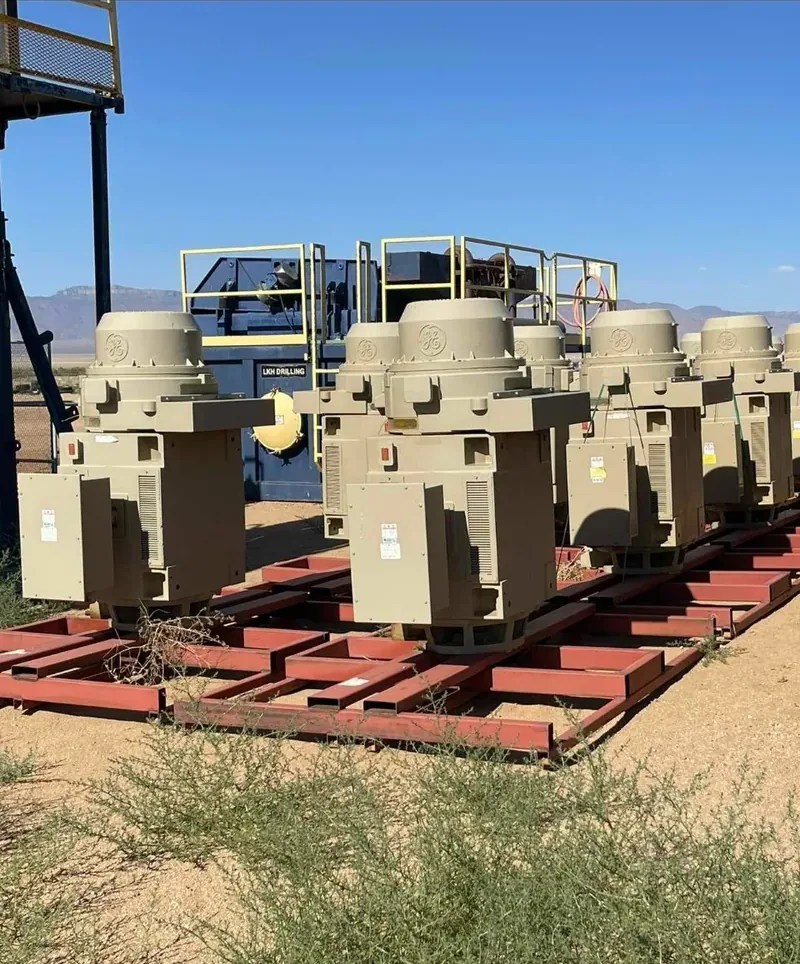
Material composition is central to scrap value. Copper windings fetch more than aluminum, and larger percentage of copper in a winding increases recoverable value. Core steel quality, thickness, and lamination condition affect recycling value, while the presence and condition of the transformer oil can add to the total if it is reusable or recyclable. Buyers will evaluate each of these components to calculate an accurate scrap assessment.
Market conditions for metals and transportation costs also play a role. While buyers do not make speculative promises, they build offers that reflect current material demand, regional freight, and the effort required to remove and transport the unit. Locations requiring special equipment for removal or confined-space permits may lower the net offer to account for those added costs.
Regulatory and environmental considerations can affect timing and cost. Units that require special handling for PCBs or contaminated oil will need additional steps before transport. Honest buyers outline those steps and how they impact the offer so you can weigh the options for removal and payment.
Detail
Removal, rigging and freight — what to expect
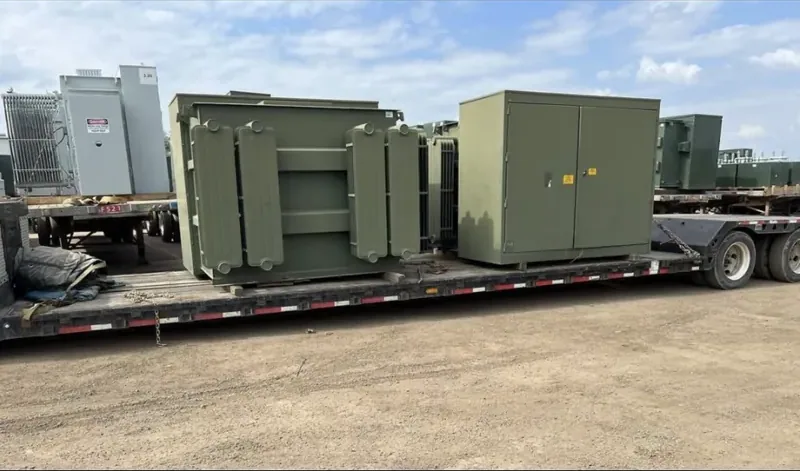
A full-service buyer will coordinate removal, rigging, and freight to simplify the process for your team. That includes bringing the right lifting equipment, arranging for flatbeds or lowboys, and handling load securement. Buyers experienced with transformer work can manage permits and traffic control when heavy haulage or special routing is required.
Be prepared to provide site access details, contact information for site safety personnel, and any required insurance or contractor credentials. If your organization prefers to arrange removal with its contractor, most buyers will work with that plan and will schedule pickup once the unit is staged and ready. When buyers handle the removal, they assume responsibility for organizing the fleet and arranging safe load-out.
Pickup timelines vary with location and the buyer’s schedule. If speed is important, communicate desired pickup dates early so the buyer can prioritize logistics. For high-value equipment there may be a brief hold for final verification testing prior to loading.
Also worth knowing
Paperwork, payment and environmental compliance
When a buyer makes a cash offer, they will outline the paperwork required for transfer of ownership and transport. Expect a bill of sale or purchase agreement that states the unit is being sold ‘‘as is’’ for the stated amount. The buyer should provide a clear invoice or receipt at the time of payment and explain any deductions that occur after final inspection, such as for major contamination or unexpected structural damage.
Payment methods vary by buyer. Many offer immediate cash payment on site or electronic funds transfer at pickup. Confirm payment timing and method before scheduling removal so both parties have aligned expectations. Buyers will also describe how they document chain-of-custody for oil and hazardous materials so that regulatory responsibilities are clear.
For units containing oil or other regulated materials, buyers should explain disposal, sampling, and testing procedures. Transparent buyers will outline who handles sampling, whether oil testing is required before transport, and how any regulated waste streams will be managed in compliance with local rules.
Condition and testing
How to get a fast, reliable cash offer
Start with a clear inquiry including nameplate photos, basic specs, and condition notes. Provide contact information and the site address so the buyer can estimate haul distances and plan logistics. The more complete your initial submission, the quicker you will receive a practical cash offer.
Ask the buyer to explain what the offer includes: is it a straight purchase for equipment, a scrap-value offer, or a conditional quote pending inspection? Clarify whether the buyer handles pickup, rigging, permits, and freight or whether those services will be billed separately. A transparent buyer will outline each step and the timeline from offer to payment.
When you receive an offer, compare not just the dollar figure but what is included. A slightly lower net offer that includes pickup, rigging, and disposal can be more valuable than a higher price that leaves you responsible for logistics. If you have questions, call or email to get clarification before accepting.
Common questions
Questions sellers ask
What information should I provide to get an accurate offer?
Provide clear photos of the nameplate, overall unit, bushings and any visible damage. List nameplate kVA and voltage ratings, manufacturer and serial number if available, type (padmount, polemount, dry-type, etc.), and a brief operational history. Note any recent testing results you have. Also tell the buyer about site access, lift limitations, and whether your team will stage the unit for pickup. The more detail you give, the faster and more accurate the cash offer.
Can you buy transformers that no longer work or are contaminated?
Yes. Nonfunctional units and contaminated equipment still have value for their copper or aluminum windings, core steel and sometimes oil. Buyers factor in the cost of decontamination, disposal and regulatory handling into the offer. For units with potential contamination, expect additional sampling or testing steps that will be discussed up front. Ask the buyer how they manage contaminated oil and what documentation they will provide for regulatory compliance.
Do you handle removal and rigging or do we need to arrange our own contractors?
Many buyers provide full-service removal including rigging, lifting equipment and freight, which simplifies the process for your team. If you prefer to use your own contractor, most buyers will coordinate pickup once the unit is staged and ready. Communicate site constraints, hours, and any special permit needs early so the buyer can plan accordingly. Confirm who will be responsible for load securement, traffic control and other site services before scheduling pickup.
How long does it take to receive payment after I accept an offer?
Payment timing depends on the terms agreed upon. Some buyers issue immediate cash payment on site at the time of pickup, while others make an electronic transfer once final inspection is complete. Clarify the payment method and timing before accepting an offer. For units sold as scrap, final payment may follow a brief verification after removal to confirm weight and condition.
Will you buy single transformers or only large lots?
Buyers typically purchase both individual units and larger lots. Whether you have one retired transformer or a fleet from a decommissioned site, a buyer can evaluate each piece and make a tailored cash offer. For multiple units, logistics can be coordinated to reduce transport costs. Provide a list with photos and locations of each unit to help the buyer plan pickup and present a consolidated offer.
Do I need to be on-site during removal?
You do not always need to be present, but the buyer will need an authorized contact and any necessary site clearances. If your facility requires security escorts, permits, or lockout/tagout procedures, arrange for the appropriate personnel to be available. Buyers often ask for a site contact who can confirm access and staging. If you prefer, you can authorize the buyer to perform the pickup with agreed documentation and signatures handled electronically or by your facilities team.
How do you handle environmental regulations and oil testing?
Responsible buyers outline oil testing and handling procedures before pickup. If oil sampling is required for regulatory reasons, the buyer will either perform sampling or request recent test results. For oil or components classified under any regulated material rules, the buyer will describe the chain-of-custody, transport manifests and disposal or recycling steps. Ask for a written summary of how the buyer will manage environmental compliance so you understand the obligations and documentation provided at handover.
Ready to move the unit?
Ready to find out what your transformer is worth? Collect a few photos, note the nameplate details and call or email us to start the appraisal. We buy working, failed and scrap units, handle pickup, rigging and freight, and present a clear cash offer. Call Moses Johnson at 954-740-1983 or email electricalequipmentbuyers@gmail.com