
Overview
When a facility undergoes an electrical upgrade, a plant closure, or a routine equipment replacement, these heavy assets often become surplus. We specialize in purchasing used, decommissioned, and failed oil-filled transformers from businesses in all 50 states. Whether you have a massive substation unit weighing tens of thousands of pounds or a smaller polemount transformer, we have the expertise to evaluate its worth. We understand the complexities involved in moving these fluid-filled giants and take on the burden of freight and heavy rigging. By offering a streamlined purchasing process, we help companies clear valuable space and recover capital from their idle electrical infrastructure. A quick assessment of your equipment's specifications allows us to present a competitive cash offer.
Why sell to us
The Role of Oil in Electrical Transformers
In an oil-filled transformer, the dielectric fluid serves two critical functions: electrical insulation and thermal management. The core and the copper or aluminum windings are completely submerged in this oil. As high-voltage electricity passes through the coils, it generates a significant amount of heat. The oil absorbs this heat and circulates it away from the active components, often transferring it to external cooling radiators or fins. This continuous cooling cycle is essential for preventing the transformer from overheating and failing under heavy electrical loads.
Beyond cooling, the oil acts as a powerful insulator. It prevents electrical arcing between the closely packed windings and the grounded steel tank. Traditional mineral oil has been the industry standard for decades due to its excellent dielectric properties and stability. However, newer synthetic and natural ester fluids are also used in modern designs. When we evaluate your surplus equipment, the type and volume of oil inside the tank are important factors, as they influence the total weight and the logistical requirements for safe transportation.
What we buy
Types of Oil-Filled Transformers We Buy
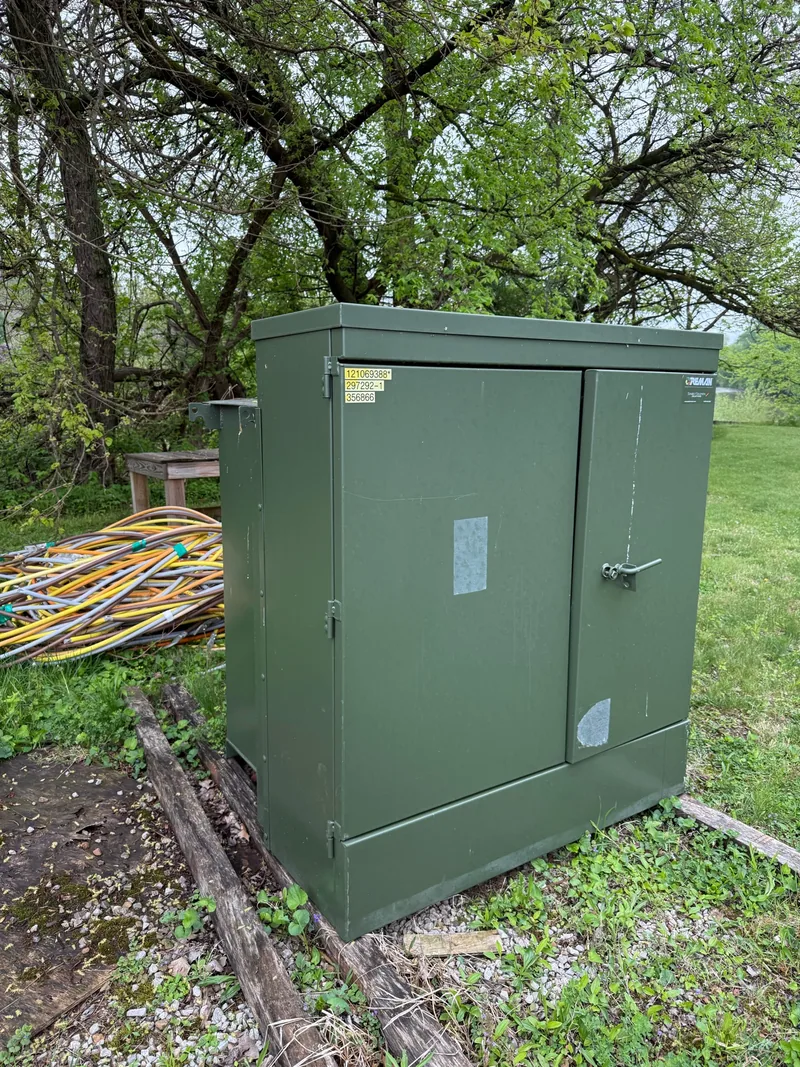
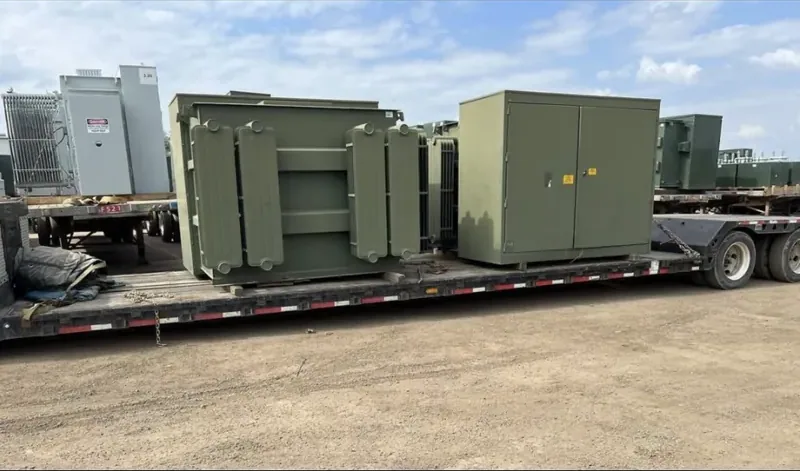
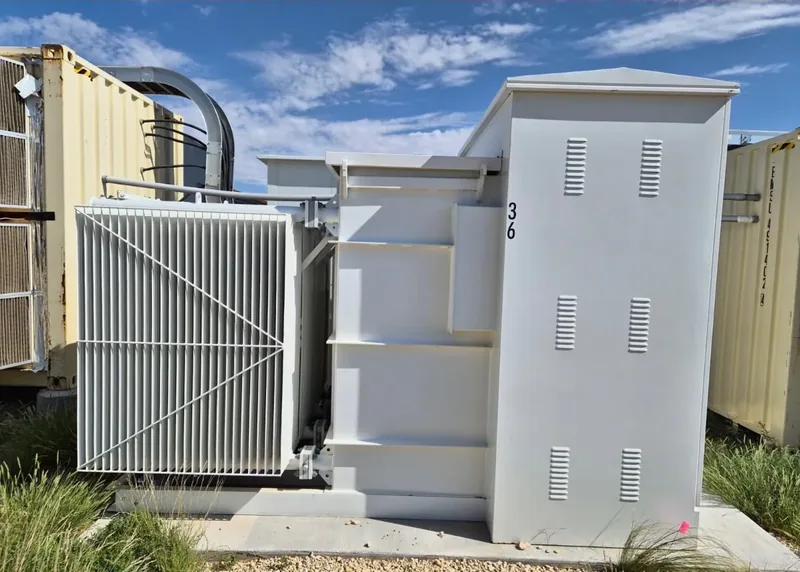
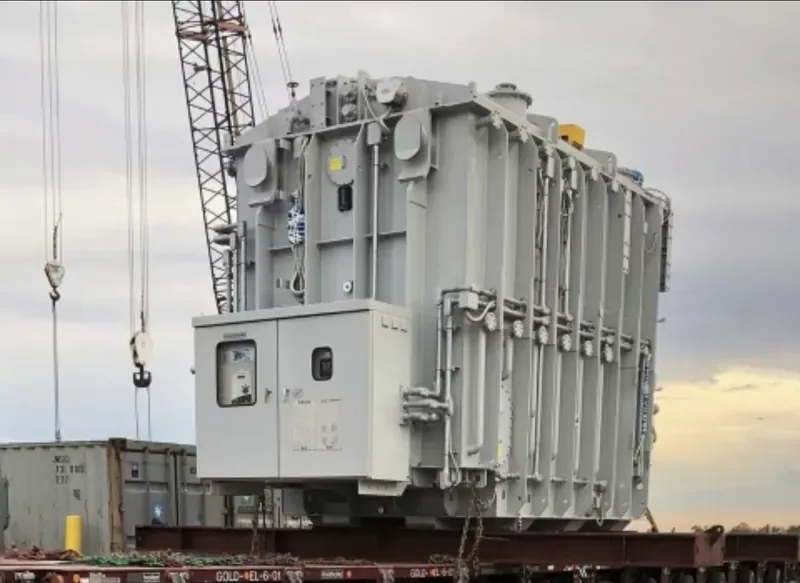
The category of oil-filled transformers encompasses a wide variety of designs tailored for specific applications. Padmount transformers are commonly seen outside commercial buildings and in residential developments, enclosed in secure, tamper-resistant metal cabinets. Polemount units are cylindrical transformers elevated on utility poles to step down voltage for local distribution. Substation transformers are much larger, designed to handle massive power loads at utility or heavy industrial sites. We purchase all these variations, regardless of their size or original application.
We also buy specialized oil-filled units, such as step-up transformers used in power generation and step-down units used in manufacturing facilities. Whether your equipment was used in a data center, a petrochemical refinery, or a municipal utility grid, we are interested in evaluating it. Our nationwide reach means we can coordinate the purchase and removal of these units from virtually any commercial or industrial location. We provide a cash offer based on the specific characteristics and condition of your equipment.
How it works
Evaluating Working vs. Failed Units
The operational status of an oil-filled transformer significantly impacts how it is valued. A working unit that has been removed due to a facility upgrade or capacity change can often be repurposed. If the transformer passes standard electrical testing and the oil is in good condition, it is typically priced as reusable equipment. These units are highly sought after for emergency replacements or new installations where lead times for factory-new equipment are too long.
Conversely, if a transformer has suffered a catastrophic failure, such as a lightning strike, an internal short circuit, or severe oil degradation, it can no longer be used for its original purpose. However, these failed units still hold substantial value. The heavy steel core and the extensive copper or aluminum windings inside the tank are highly valuable materials. We buy both working and failed oil-filled transformers, ensuring that you receive a fair evaluation regardless of the equipment's operational state. We handle the extraction of the oil and the processing of the metals efficiently.
Logistics and payment
Information Needed for an Accurate Evaluation
To provide you with an accurate cash offer for your surplus oil-filled transformer, we need some basic information about the equipment. The most crucial detail is the manufacturer nameplate, usually riveted to the exterior of the tank. This metal plate contains the unit's vital statistics, including the kVA rating, primary and secondary voltages, phase, impedance, total weight, and the volume of oil it holds. Taking clear, legible photographs of this nameplate is the best way to start the process.
In addition to the nameplate, photographs showing the overall condition of the transformer are very helpful. Images that capture the cooling radiators, the high and low voltage bushings, and any visible signs of leaks or physical damage allow us to assess the logistical requirements for removal. If you have recent oil test reports or maintenance records, providing those can also aid in our evaluation. Once you call or email us with these details, our team can quickly analyze the information and present an offer.
Detail
Logistics, Rigging, and Freight
One of the biggest challenges businesses face when disposing of oil-filled transformers is the sheer size and weight of the equipment. A large substation transformer can weigh over one hundred thousand pounds and require specialized cranes and heavy-haul trailers to move. Even smaller padmount units require forklifts or boom trucks for safe handling. When you sell your equipment to us, we take on the entire burden of these logistics. You do not need to worry about hiring riggers or coordinating flatbed freight.
Our team has extensive experience managing the safe extraction of heavy electrical equipment from complex industrial environments. Whether the transformer is located in a tight urban alleyway, inside a decommissioned manufacturing plant, or out in a remote utility yard, we arrange the necessary equipment and personnel to get the job done. We operate across all 50 states, ensuring that no matter where your facility is located, we can execute a smooth and professional removal process.
Also worth knowing
Environmental Considerations and Oil Handling
Handling oil-filled transformers requires strict adherence to environmental and safety protocols. The dielectric fluid must be managed carefully to prevent spills and ensure proper processing. Older transformers, in particular, may require testing to confirm the absence of regulated contaminants before they can be transported or processed. We are well-versed in these requirements and ensure that all equipment is handled responsibly and in compliance with industry standards.
When we purchase your surplus transformer, the responsibility for the safe handling of the unit and its contents transfers to us. We coordinate with specialized freight carriers who are experienced in transporting fluid-filled electrical equipment. Upon reaching our processing facilities, the oil is safely drained and either reclaimed, recycled, or disposed of according to environmental regulations. This comprehensive approach protects your company from the liabilities associated with improper disposal and provides peace of mind that the equipment is being managed correctly.
Common questions
Questions sellers ask
Do you buy oil-filled transformers that are currently leaking?
Yes, we purchase transformers in all conditions, including those that have developed leaks. Please inform us of the leak when you call or email so we can arrange the appropriate containment measures and specialized freight required to transport the unit safely from your facility.
How do you determine the value of a failed oil-filled transformer?
The value of a failed unit is primarily based on the recoverable metals inside. We calculate the worth of the heavy steel core and the copper or aluminum windings. The kVA rating and total weight listed on the nameplate help us estimate the volume of these valuable materials to provide a cash offer.
Will you drain the oil before moving the transformer?
In most cases, we transport the transformer with the oil still inside, as the fluid helps stabilize the internal components during transit. However, for exceptionally large substation units, it may be necessary to drain some or all of the oil on-site to meet highway weight restrictions before freighting.
What information do I need to provide to get an offer?
The most important piece of information is a clear photograph of the manufacturer nameplate on the transformer tank. This plate details the kVA, voltages, weight, and oil capacity. Additionally, a few wide photos showing the overall condition of the unit will help us finalize our evaluation.
Do I need to arrange the crane or forklift to load the transformer?
No, you do not need to arrange any lifting equipment. We handle all the heavy rigging and freight logistics. Once we agree on a purchase, our team will coordinate the necessary cranes, forklifts, and trucks to safely remove the transformer from your property.
Ready to move the unit?
If your business has surplus, obsolete, or failed oil-filled transformers, we are ready to buy them. We purchase electrical equipment from companies nationwide, providing a seamless solution for asset recovery. Our team manages the complex logistics, heavy rigging, and specialized freight required to remove these massive units from your site, allowing you to focus on your primary operations. Whether you are clearing a single padmount unit or decommissioning an entire substation, we deliver a straightforward process and a competitive cash offer. Call or email us today with photos of your equipment to get started. Reach us at 954-740-1983 or electricalequipmentbuyers@gmail.com.