
Overview
They were frequently used as the insulating fluid in transformers located in areas where fire safety was a paramount concern, such as inside commercial buildings, industrial plants, and underground vaults. However, due to their environmental persistence and significant health risks, the manufacture of PCBs was banned in the United States in 1979. Today, managing older electrical equipment requires a clear understanding of PCB regulations and identification methods. When facilities upgrade their infrastructure and look to sell surplus or obsolete transformers, the PCB status of the oil is a critical factor. We specialize in purchasing non-PCB transformers across all 50 states, providing a streamlined process for businesses looking to safely and profitably dispose of their decommissioned electrical assets.
Why sell to us
The History of PCBs in Electrical Equipment
From the 1920s until the late 1970s, PCBs were the insulating fluid of choice for many high-reliability electrical applications. They were marketed under various trade names, the most famous being Askarel. Transformers filled with Askarel were considered state-of-the-art for indoor installations because they would not support combustion, significantly reducing the risk of catastrophic fires in confined spaces.
The widespread use of PCBs came to a halt when their severe environmental and health impacts became apparent. PCBs do not readily break down in the environment and can accumulate in the food chain. Consequently, the EPA heavily regulates the handling, storage, and disposal of any equipment containing PCBs, making the management of legacy transformers a complex compliance issue. From the 1920s until the late 1970s, PCBs were the insulating fluid of choice for many high-reliability electrical applications. They were marketed under various trade names, the most famous being Askarel. Transformers filled with Askarel were considered state-of-the-art for indoor installations because they would not support combustion, significantly reducing the risk of catastrophic fires in confined spaces.
The widespread use of PCBs came to a halt when their severe environmental and health impacts became apparent. PCBs do not readily break down in the environment and can accumulate in the food chain. Consequently, the EPA heavily regulates the handling, storage, and disposal of any equipment containing PCBs, making the management of legacy transformers a complex compliance issue. From the 1920s until the late 1970s, PCBs were the insulating fluid of choice for many high-reliability electrical applications. They were marketed under various trade names, the most famous being Askarel. Transformers filled with Askarel were considered state-of-the-art for indoor installations because they would not support combustion, significantly reducing the risk of catastrophic fires in confined spaces.
The widespread use of PCBs came to a halt when their severe environmental and health impacts became apparent. PCBs do not readily break down in the environment and can accumulate in the food chain. Consequently, the EPA heavily regulates the handling, storage, and disposal of any equipment containing PCBs, making the management of legacy transformers a complex compliance issue. From the 1920s until the late 1970s, PCBs were the insulating fluid of choice for many high-reliability electrical applications. They were marketed under various trade names, the most famous being Askarel. Transformers filled with Askarel were considered state-of-the-art for indoor installations because they would not support combustion, significantly reducing the risk of catastrophic fires in confined spaces.
The widespread use of PCBs came to a halt when their severe environmental and health impacts became apparent. PCBs do not readily break down in the environment and can accumulate in the food chain. Consequently, the EPA heavily regulates the handling, storage, and disposal of any equipment containing PCBs, making the management of legacy transformers a complex compliance issue.
What we buy
Identifying PCB-Containing Transformers
Determining whether a transformer contains PCBs is an essential step before any decommissioning or sale can occur. The first place to look is the transformer's nameplate. If the nameplate indicates that the insulating fluid is Askarel, Pyranol, Inerteen, or another known PCB trade name, the unit must be handled as PCB-containing equipment.
Additionally, many older transformers were retroactively tested and labeled. You may find blue or yellow stickers on the tank indicating the PCB concentration in parts per million (ppm). A label stating 'Non-PCB' generally means the fluid contains less than 50 ppm of PCBs, which is the regulatory threshold for non-PCB classification.
How it works
The Importance of Oil Testing
If a transformer's nameplate simply states 'Mineral Oil' or 'Transformer Oil,' and there are no testing labels present, you cannot assume it is PCB-free, especially if the unit was manufactured before 1980. Cross-contamination during maintenance, oil filtering, or topping off was common in the past, meaning even mineral oil transformers can contain regulated levels of PCBs.
In these cases, the only definitive way to determine the PCB status is through laboratory testing of the oil. A sample must be drawn and analyzed using gas chromatography to establish the exact parts per million. Having certified test results is crucial when preparing to sell surplus oil-filled transformers.
Logistics and payment
How PCB Status Affects Transformer Value
The presence of PCBs drastically alters the economics of disposing of a transformer. Equipment containing regulated levels of PCBs (50 ppm or greater) carries significant environmental liability and requires specialized, costly disposal methods, such as high-temperature incineration at permitted facilities. Because of these liabilities and costs, PCB-containing transformers generally have a negative value.
Conversely, transformers certified as Non-PCB (less than 50 ppm) are valuable assets. Whether they are working units suitable for reuse or failed units destined for scrap, the copper, aluminum, and steel they contain hold substantial worth. We actively purchase Non-PCB transformers, providing competitive cash offers based on the equipment's specifications and material value.
Detail
Our Purchasing Criteria for Oil-Filled Transformers
When evaluating oil-filled transformers for purchase, verifying the Non-PCB status is a mandatory part of our process. We require clear documentation, either in the form of a factory nameplate explicitly stating 'Non-PCB' (for newer units) or certified laboratory test results showing less than 50 ppm for older equipment.
Once the Non-PCB status is confirmed, we can proceed with evaluating the transformer based on its kVA rating, voltage class, winding material, and overall condition. Our goal is to make the transaction as smooth as possible, but strict adherence to environmental regulations regarding PCBs is non-negotiable.
Also worth knowing
Handling the Logistics of Non-PCB Equipment
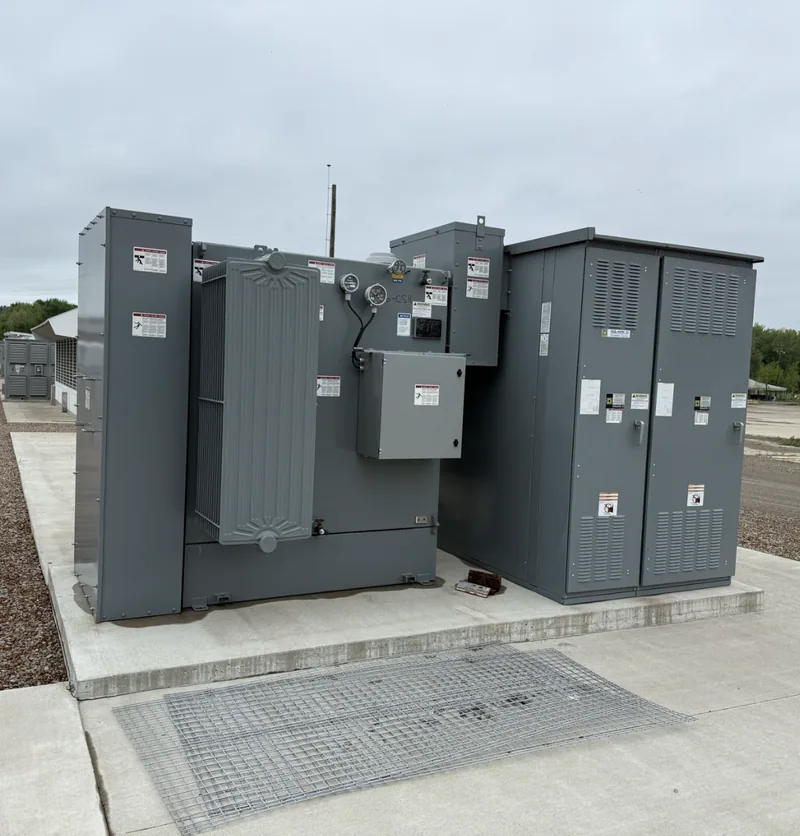
Selling your surplus Non-PCB transformers to a specialized buyer eliminates the logistical headaches associated with heavy electrical equipment. We handle all aspects of the freight and rigging, coordinating the specialized transport required to safely remove the units from your facility.
Whether you are clearing out a single padmount transformer or an entire substation array, our nationwide network allows us to execute pickups efficiently across all 50 states. You receive a cash offer for your assets, and we take care of the heavy lifting and transportation.
Condition and testing
Partnering for Safe and Profitable Asset Disposition
Navigating the legacy of PCBs in electrical infrastructure requires diligence and expertise. By properly identifying and documenting the PCB status of your surplus transformers, you protect your company from environmental liability and unlock the value of your Non-PCB assets.
We are committed to providing a transparent, compliant, and profitable solution for your obsolete electrical equipment. Our team understands the complexities of transformer evaluation and logistics, ensuring that your asset disposition process is handled professionally from start to finish.
Common questions
Questions sellers ask
What does PCB stand for in transformers?
PCB stands for Polychlorinated Biphenyls. They are synthetic chemicals that were used as insulating and cooling fluids in many older transformers due to their fire-resistant properties, before being banned in 1979.
Do you buy transformers that contain PCBs?
No, we only purchase transformers that are certified as Non-PCB (containing less than 50 parts per million of PCBs). Equipment with regulated levels of PCBs requires specialized environmental disposal.
How can I prove my transformer is Non-PCB?
You can prove it is Non-PCB by providing a photo of the manufacturer's nameplate if it explicitly states 'Non-PCB' (common on newer units), or by providing certified laboratory oil test results showing less than 50 ppm.
If my transformer says 'Mineral Oil', is it safe to assume it has no PCBs?
Not necessarily. If the transformer was manufactured before 1980, it could have been cross-contaminated with PCBs during past maintenance. Laboratory testing is often required to confirm it is Non-PCB.
What happens after I prove my transformers are Non-PCB?
Once we verify the Non-PCB status, we will evaluate the transformers based on their specifications and condition, provide you with a cash offer, and arrange for all the freight and rigging to remove them from your site.
Ready to move the unit?
Managing the disposition of legacy electrical equipment requires careful attention to environmental regulations, particularly concerning PCBs. By confirming the Non-PCB status of your surplus transformers, you can turn obsolete infrastructure into a valuable source of capital. We specialize in purchasing Non-PCB transformers of all types and sizes, offering a seamless, nationwide service that includes all freight and rigging logistics. Don't let valuable assets become a liability. Contact us today to discuss your surplus equipment. Call 954-740-1983 or email electricalequipmentbuyers@gmail.com to receive a competitive cash offer.