
Overview
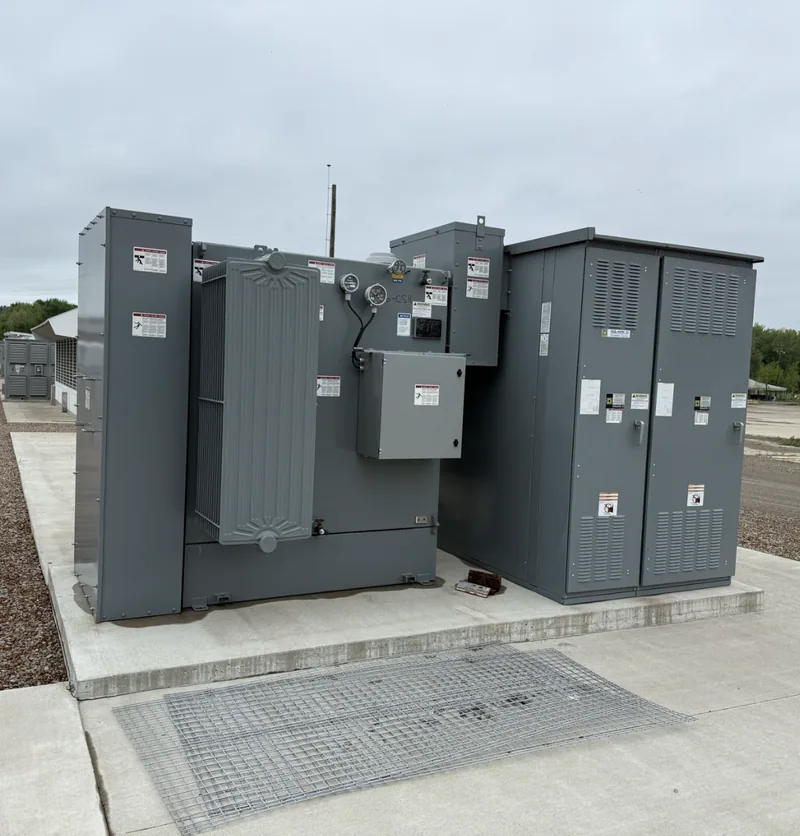
Many sellers possess equipment that was taken offline during a facility upgrade or plant closure, leaving them uncertain about its current functional state. We buy transformers nationwide, providing cash offers for both working units and those that have failed. Understanding the basic indicators of electrical health can help you set accurate expectations for your equipment's value. This guide outlines the common signs of transformer failure, the standard tests used to verify electrical integrity, and how the condition of your unit influences the buying process. Whether your transformer is ready to be returned to service or is destined for material recovery, we offer a straightforward solution for its removal and monetization.
Why sell to us
Visual Indicators of Transformer Health
Before any formal testing occurs, a thorough visual inspection can provide significant clues about a transformer's condition. For oil-filled units, the most obvious red flag is a severe leak. While minor seepage around bushings or valves is common and often repairable, a major rupture in the tank or a completely drained unit suggests severe internal issues or exposure to moisture. Additionally, check the condition of the bushings; cracked, broken, or heavily flashed porcelain insulators indicate past electrical stress or physical damage that compromises the unit.
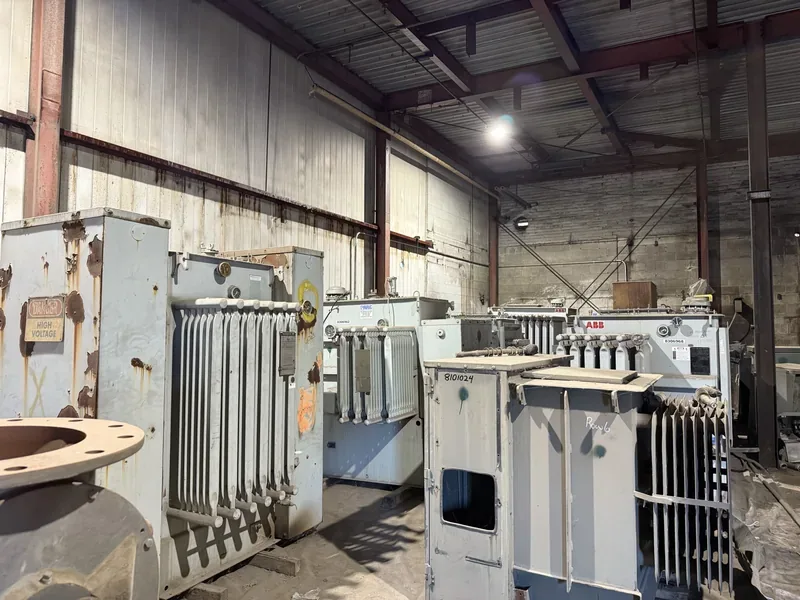
Another critical visual check involves the external casing and cooling fins. Severe rust that has compromised the structural integrity of the tank can render a transformer unusable, even if the internal components are intact. For dry-type transformers, look for signs of excessive heat, such as scorched insulation, melted components, or a strong burnt odor. These visual cues often point to a catastrophic failure, meaning the unit will likely be valued for its scrap metal content rather than its operational capabilities.
What we buy
The Importance of the Megger Test
The insulation resistance test, commonly known as a Megger test, is the primary diagnostic tool for assessing a transformer's electrical health. This test measures the resistance of the insulation between the primary windings, the secondary windings, and the ground. Over time, insulation can degrade due to heat, moisture ingress, or electrical stress. A Megger test applies a high DC voltage to the windings and measures the resulting leakage current. High resistance readings indicate healthy insulation, while low readings suggest that the insulation has broken down.
If a transformer fails a Megger test, it is generally considered unsafe for operation and cannot be resold as a functional unit without extensive and often cost-prohibitive rewinding. When we evaluate surplus equipment, the results of insulation resistance testing are a major factor in determining whether we can offer pricing based on equipment value or if the unit must be relegated to scrap value. We purchase units regardless of the test outcome, but the valuation shifts accordingly.
How it works
Understanding Turns Ratio Testing
Another fundamental assessment is the Transformer Turns Ratio (TTR) test. This test verifies that the ratio of the primary windings to the secondary windings matches the specifications listed on the transformer's nameplate. The turns ratio dictates the voltage transformation; if the ratio is off, the transformer will not output the correct voltage. A failed TTR test usually indicates that some of the internal windings have shorted together, bypassing a portion of the coil.
Shorted windings are a fatal flaw for a transformer's operational status. Unlike external components like gauges or bushings, internal winding damage cannot be easily repaired. A unit that fails a turns ratio test is almost exclusively valued for the copper or aluminum contained within its core. When you sell your surplus equipment to us, we factor in the likelihood of these internal faults based on the unit's history and visual condition, ensuring a fair cash offer for the asset.
Logistics and payment
Evaluating Oil Condition in Liquid-Filled Units
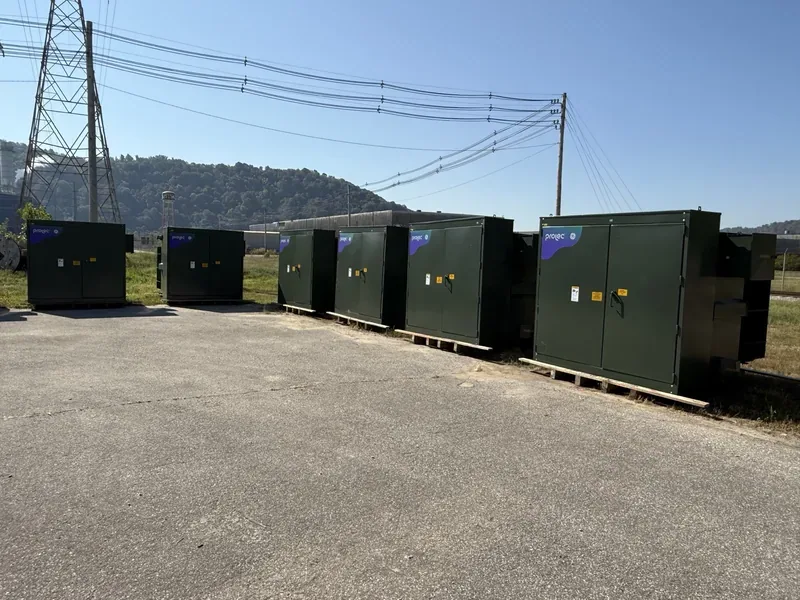
For padmount, polemount, and substation transformers, the condition of the insulating fluid is a vital indicator of internal health. The oil serves both as an electrical insulator and a coolant. Over time, the oil can absorb moisture, become contaminated with particulates, or break down due to high operating temperatures. A simple visual check of the oil can sometimes reveal severe degradation, such as a dark, sludgy appearance or a strong burnt smell, which often accompanies an internal fault.
More comprehensive analysis involves drawing an oil sample for dissolved gas analysis (DGA) and dielectric breakdown testing. DGA can detect trace gases produced by arcing or overheating within the transformer, providing an early warning of impending failure. While sellers are not typically expected to perform these advanced tests before selling, understanding that oil condition reflects internal health is important. We buy oil-filled transformers in all conditions across all 50 states, managing the safe handling and processing of the insulating fluids.
Detail
The Impact of Storage Conditions on Electrical Integrity
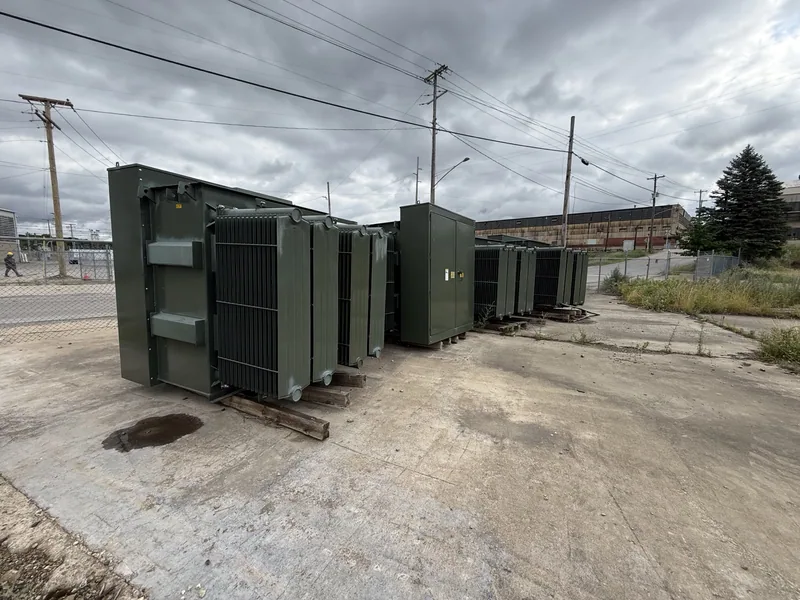
How a transformer has been stored since it was taken offline significantly impacts its current electrical status. A unit that was functioning perfectly when decommissioned can quickly deteriorate if stored improperly. Exposure to the elements, particularly rain and high humidity, can lead to moisture ingress, which rapidly degrades the internal insulation. Transformers stored outdoors without proper sealing or nitrogen blanketing are at a high risk of failing subsequent electrical testing.
Conversely, transformers kept in a dry, climate-controlled environment are much more likely to retain their electrical integrity. When discussing your surplus equipment with us, providing details about its storage history helps us accurately assess its potential value. Even if a unit has been stored poorly and suffered moisture damage, it still retains significant value for its raw materials. We provide cash offers for equipment regardless of its storage history, handling the complex logistics of removal from your site.
Also worth knowing
Selling Your Transformer Regardless of Condition
Determining the exact electrical condition of a surplus transformer can be complex, but it should not delay your decision to liquidate unused assets. Whether your equipment is ready to be plugged back into the grid or has suffered a catastrophic internal failure, it holds tangible value. We specialize in purchasing electrical infrastructure from businesses, contractors, and utilities, offering a streamlined process that eliminates the guesswork for the seller.
We do not require you to perform extensive electrical testing before reaching out. By providing clear photos of the equipment, particularly the nameplate, and a brief history of its use and storage, we can formulate a competitive cash offer. We handle all the freight, rigging, and transportation, making the disposition process effortless. Turn your idle transformers into capital, regardless of their electrical status, by partnering with a nationwide buyer.
Common questions
Questions sellers ask
Do I need to test my transformer before selling it to you?
No, you do not need to perform electrical testing before selling. We can evaluate the equipment based on nameplate data, visual condition, and operational history to provide a cash offer. We buy both tested working units and untested or failed units.
What happens if my transformer fails a Megger test?
If a transformer fails a Megger test, it indicates insulation breakdown and the unit is generally considered non-operational. In this case, we will still buy the transformer, but the cash offer will be based on its scrap value, primarily the copper or aluminum windings.
Can a rusted transformer still be electrically sound?
Yes, surface rust on the exterior casing does not necessarily mean the internal electrical components are damaged. However, severe rust that compromises the tank's integrity or allows moisture inside will likely lead to electrical failure.
Do you buy transformers that have been sitting outside for years?
Yes, we buy transformers that have been stored outdoors for extended periods. While outdoor storage increases the risk of moisture damage and electrical failure, the units still hold significant value for their raw materials, and we will provide a cash offer.
How does the condition of the oil affect the value?
The oil condition is a strong indicator of internal health. Contaminated or burnt oil often points to internal faults, reducing the unit to scrap value. We handle the safe removal and processing of the oil regardless of its condition when we purchase the equipment.
Ready to move the unit?
Navigating the disposition of surplus electrical equipment is easier when you work with a specialized buyer. Whether your transformers are electrically sound and ready for reuse or have failed and are valued for their core materials, we are prepared to purchase them. We buy all types of transformers, including padmount, dry-type, and substation units, from businesses across all 50 states. We manage the heavy freight and logistics, providing a seamless transaction from start to finish. Call us today at 954-740-1983 or email electricalequipmentbuyers@gmail.com to receive a cash offer for your surplus equipment.