
Overview
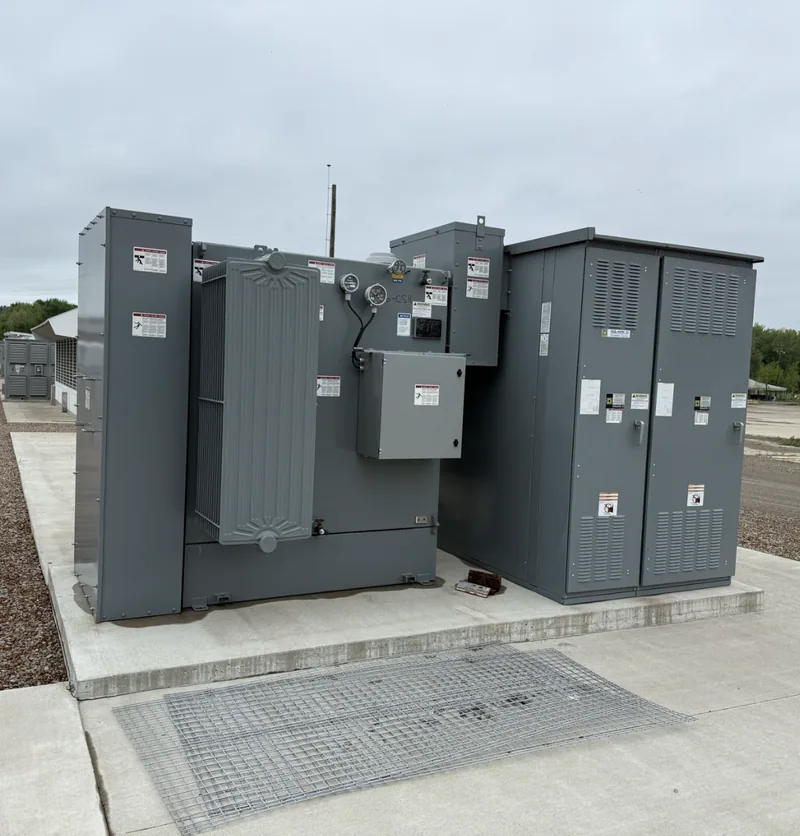
kVA is a fixed electrical characteristic printed on the nameplate. Demand is the measured or expected load over time and can be lower or higher than nameplate ratings depending on duty cycle and load factor. Lead time is the practical schedule from agreement to physical pickup, which affects how readily a buyer will pay a cash offer and how the unit is classified for immediate reuse, refurbishment, or scrap. This entry explains how to identify kVA and demand on your equipment, shows how lead time changes the commercial picture, and dispels common misconceptions that confuse rating, load, and logistics. It focuses on the technical readings you can verify, the documentation to pull from site records, and the practical examples buyers use to price working units, failed units, and scrap cores, windings, and oil.
Why sell to us
What kVA on the nameplate actually denotes
The kVA figure stamped on a transformer's nameplate is the maximum apparent power the unit was designed to handle continuously at the specified temperature rise and cooling conditions. It reflects the combination of voltage and current the windings and core can withstand without exceeding thermal limits, not the real power in kilowatts that the load consumes. That distinction matters because a transformer's thermal life and maximum allowable current are governed by kVA under rated temperature and frequency.
Nameplate information typically includes primary and secondary voltages, ∆/Y configuration, frequency, impedance, and often the maximum ambient temperature and cooling class. When you read kVA, treat it as a design ceiling. Buyers compare that ceiling to measured demand and test results to decide whether the unit can be put back into service as equipment or whether its value lies primarily in recoverable materials.
What we buy
Defining demand and load factor: how the unit was used
Demand is the average or peak load drawn from the transformer over a defined interval, often expressed as kVA or kW for billing and analysis. Utilities and industrial sites measure demand for billing cycles, which in turn reflect how much of the transformer's nameplate capacity was actually used. Load factor is the ratio of average load to peak load over a period and reveals whether the transformer ran near capacity intermittently or continuously.
For a seller, knowing whether your transformer operated at 25 percent or 95 percent of its nameplate kVA changes a buyer's perspective. A unit that consistently ran at a low load factor may have long remaining life if tests are good. A unit that ran near capacity may be thermally aged even if it never failed. Buyers factor historical demand records into pricing for working units and into expectations about internal insulation condition when considering failed or scrap units.
How it works
Lead time: scheduling, pickup, and commercial impact
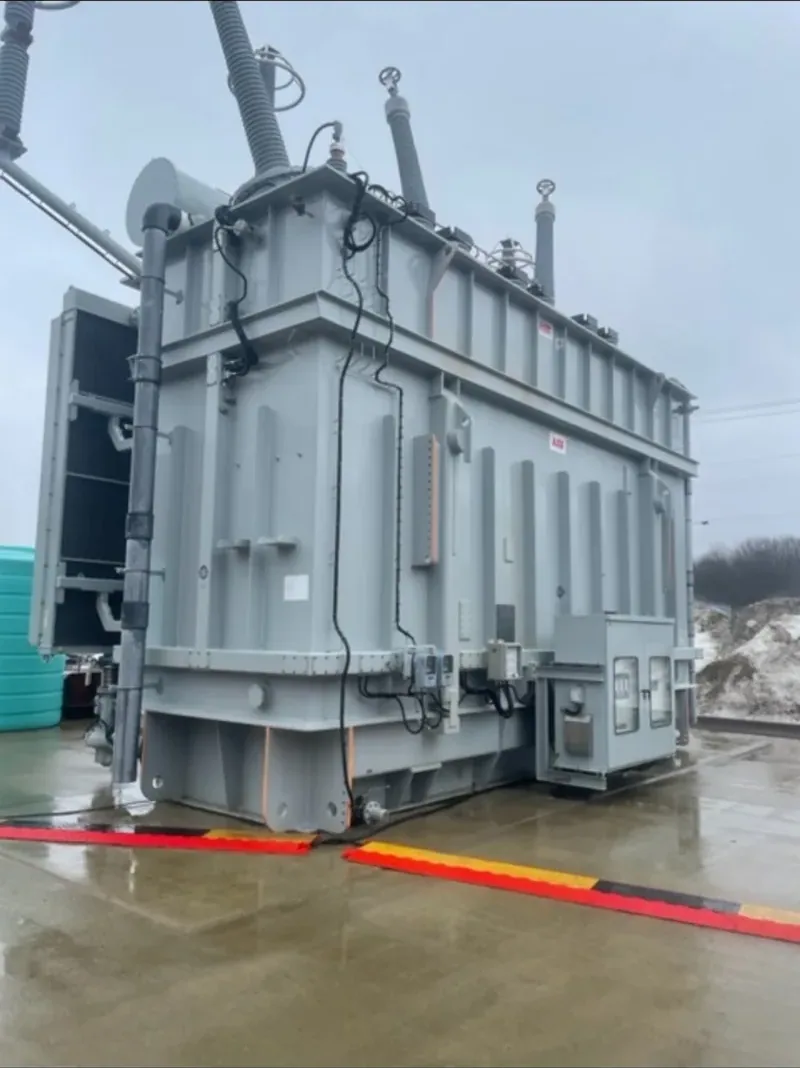
Lead time in this context is the period between a seller accepting a cash offer and the physical removal of the transformer. It includes time needed to arrange permits, rigging, crane lifts, traffic controls, and freight. Manufacturers and buyers treat lead time as a commercial parameter: short lead times improve liquidity for sellers and reduce staging costs for buyers, while long lead times increase storage risk and often reduce the cash offer.
Buyers who purchase across all 50 states price in logistics. If a unit can be rigged and loaded within a few days, it will attract a stronger cash offer as an equipment candidate. If site constraints mean weeks of scheduling and permits, many buyers prefer to treat the unit as scrap and make an offer based on recoverable copper, steel, and oil rather than on equipment value. When you call or email a buyer, describe site access, lift capability, pad conditions, and any permit windows to get an accurate lead-time assessment.
Logistics and payment
How kVA, demand and lead time combine to determine value
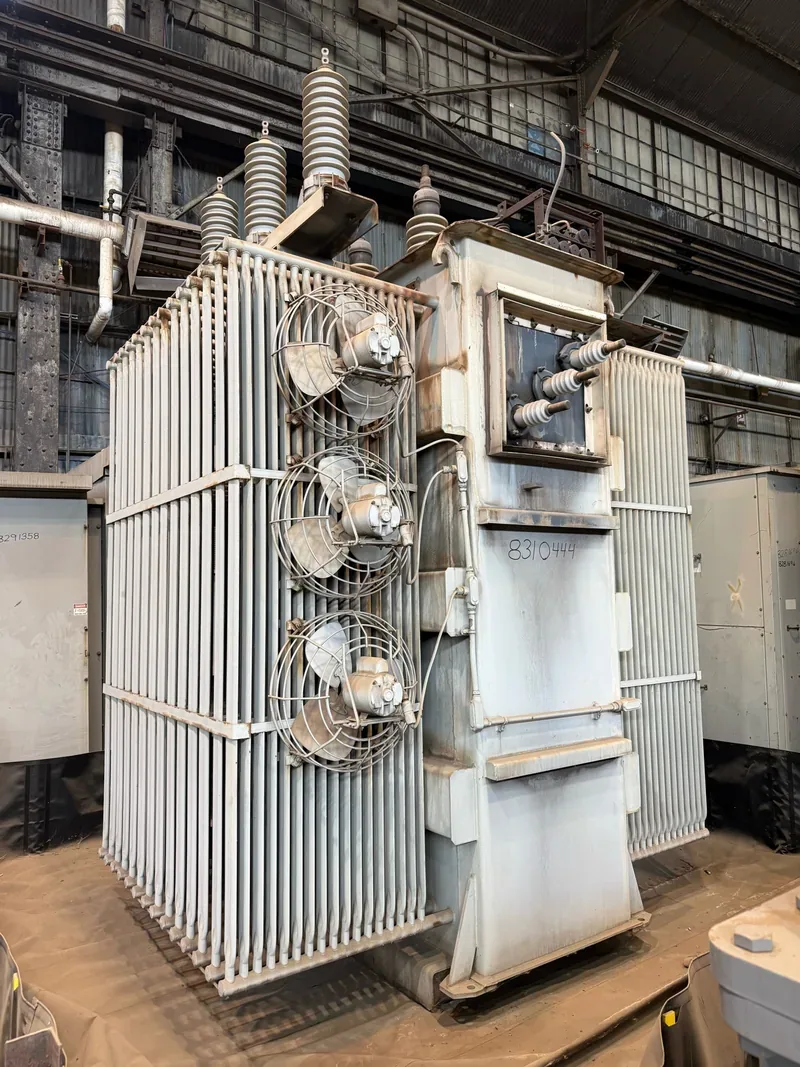
Value is a function of electrical condition, service history, and logistics. A properly tested unit with a nameplate kVA that exceeds recorded demand and a short available lead time will be priced as reusable equipment because the buyer can retest, refurbish if needed, and resell or redeploy it. Conversely, a unit with ambiguous demand history, heavy thermal cycling near nameplate kVA, or a long lead time is often priced on the basis of recoverable materials: copper or aluminum windings, core steel, tank steel, and the dielectric oil.
Buyers balance these factors dynamically. For the seller, presenting clear documentation—load records, relay settings, results of recent dielectric or turns ratio tests, and a precise pick-up schedule—moves an offer toward equipment value and a cash offer. Omitted or uncertain information pushes the valuation model toward conservative scrap assumptions, which yields a lower but faster cash offer in many cases.
Detail
How to identify kVA and demand on your own equipment
Start with the nameplate. It lists kVA, voltage ratings, impedance, and often serial numbers and manufacturer data that buyers use to cross-reference specifications. Next, check site logs, SCADA records, or utility invoices for recorded peak kVA or kW demand tied to the transformer's meter or feeder. If the transformer lacks dedicated metering, look at nearby feeder meters and correlated plant process logs to reconstruct likely demand profiles.
On failed or decommissioned units where records are missing, visual inspection and basic tests can help. Look for overheating signs around bushings and terminals, oil discoloration or varnish, and insulation breakdown evidence. Simple on-site measurements—turns-ratio, winding resistance, and basic dielectric tests—give buyers concrete data to compare against the nameplate kVA and inferred historical demand.
Also worth knowing
Common calculations and practical examples
A straightforward approach to estimate demand is to use recorded kW and convert to kVA with a measured or assumed power factor. For example, a 400 kW load at 0.8 power factor corresponds to 500 kVA. Comparing that number to the transformer's nameplate kVA tells you whether the unit was lightly loaded or exercised near capacity. Load factor is the average load divided by peak load over the billing cycle; a low load factor implies intermittent duty and generally less thermal aging.
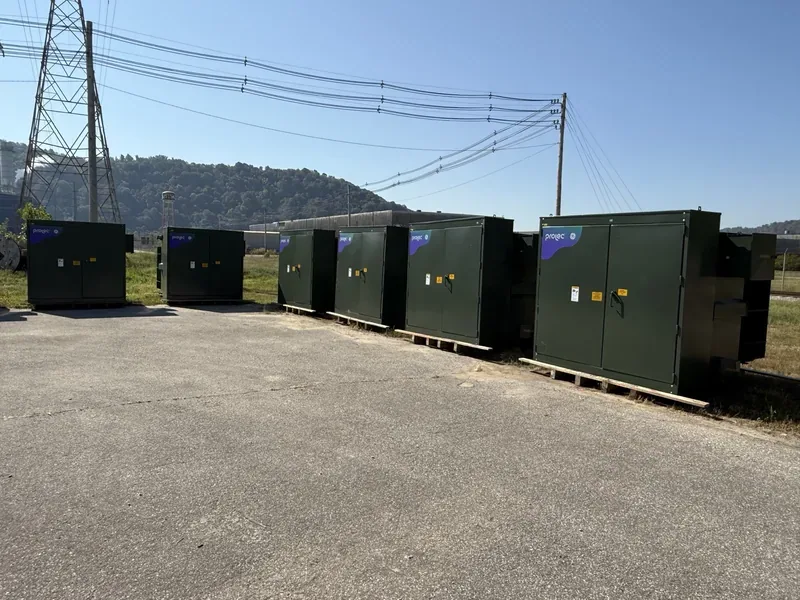
Another practical example concerns lead time: if site requires a crane permit taking two weeks, plus trucking and rigging of a padmount transformer, the buyer will calculate total logistics cost and time-on-site risk. That calculation directly lowers the cash offer for equipment-class units and may shift the buyer to a materials-based offer focused on copper and steel content rather than reuse value.
Condition and testing
Common misconceptions and clarifications
A frequent misconception is that nameplate kVA is the same as the transformer's safe continuous operating load. In reality, nameplate kVA presumes ideal cooling and specified ambient and loading conditions. A transformer that operated continuously at nameplate rating in a hot, poorly ventilated environment will age faster than one run at the same kVA in ideal cooling conditions.
Another misunderstanding is treating lead time as a purely logistical detail. In secondary markets, lead time changes classification: a unit available immediately for pickup is more likely to be priced as equipment, while the same unit with prolonged removal constraints will be priced for recoverable materials. Be explicit about access, permits, and required rigging when you call or email to receive an accurate cash offer.
Related terms
Common questions
Questions sellers ask
What is the difference between kVA and kW on my transformer nameplate?
kVA is apparent power and reflects the product of voltage and current at the transformer's terminals; kW is real power delivered to the load after accounting for power factor. Transformers are rated in kVA because their thermal limits depend on current and voltage, not the load's real power consumption. For valuation, buyers compare kVA rating to recorded demand expressed in kW or kVA to infer how heavily the unit was used and its likely remaining life.
How do I find the transformer's historical demand if my site has no dedicated meter?
If there is no dedicated meter, inspect feeder meters, process equipment logs, or utility billing that correspond to the same timeframe. Correlate equipment run-hours and known loads to estimate peak and average demand. Where data are sparse, buyers rely on physical inspection and basic tests—turns-ratio, insulation resistance, and DGA for oil-filled units—to supplement a conservative demand estimate and determine an appropriate cash offer.
How does lead time affect the cash offer I might receive?
Lead time affects cost and risk for the buyer. Short lead times reduce staging and storage risk, making the unit more marketable as reusable equipment and supporting a higher cash offer. Long lead times increase scheduling complexity, potential site storage fees, and exposure to theft or weather, which usually lowers the cash offer and may shift valuation to material recovery rather than equipment resale.
Can a transformer with high recorded demand still be sold as equipment?
Yes, if recent electrical tests—turns-ratio, winding resistance, dielectric strength, and oil analysis where applicable—show results within acceptable limits and physical inspection reveals no severe deterioration. High recorded demand indicates heavier use, so buyers will request test data and may adjust offers, but a well-maintained, high-demand unit can still command equipment-level pricing if test outcomes are favorable.
What documentation should I provide to get the best offer?
Provide the nameplate photograph, manufacturer and serial number, any available load or utility records showing peak and average demand, recent test reports (turns-ratio, DGA, dielectric), and site access details for rigging and transport. The clearer the technical and logistical picture, the more precise the buyer's cash offer will be and the more likely the offer will treat the unit as reusable equipment rather than scrap.
How do buyers treat failed units versus scrap in terms of kVA and demand?
Failed units with salvageable features may still be valuable for windings, core steel, and oil regardless of nameplate kVA or demand history. Buyers separate technical value from material value: a failed high-kVA unit may yield significant copper or aluminum, while a low-kVA unit in good condition may be priced for reuse. Clear test results and access information guide whether a purchase is made as equipment or for materials recovery.
Ready to move the unit?
If you have transformers to sell, providing clear nameplate data, demand history, and realistic pickup timing gets you the most accurate cash offer. We buy working, failed, and scrap transformers across all 50 states, and we handle freight and rigging so you can turn surplus equipment into immediate payment. Call Moses Johnson at 954-740-1983 or email electricalequipmentbuyers@gmail.com to describe your units and arrange an inspection.