
Overview
This is the voltage level supplied by the utility company or the upstream power source before the transformer steps it down for the intended application. Understanding this rating is critical for facility managers, electrical contractors, and plant engineers who are assessing their current systems or preparing to decommission older equipment. The primary voltage determines the insulation class required, the physical size of the bushings, and the overall design of the core and coil assembly. It represents the operational environment the unit was built to handle.
Why sell to us
The Physics Behind Input Windings and Voltage Ratings
The concept of primary voltage is rooted in the fundamental principles of electromagnetic induction. When alternating current flows through the primary winding of a transformer, it generates a fluctuating magnetic field within the steel core. This magnetic field then induces a voltage in the secondary winding. The primary voltage is specifically the electrical pressure applied to that initial set of coils. The number of turns in the primary winding compared to the secondary winding establishes the turns ratio, dictating exactly how the voltage will be transformed.
Because the primary winding must withstand the full force of the incoming power, it is engineered with specific insulation materials and clearances. Higher primary voltages require significantly more insulation to prevent arcing and short circuits. This is why a transformer designed for a high-voltage transmission line looks vastly different from one built for a local distribution network. The physical construction of the coils, the type of cooling oil used, and the spacing between internal components are heavily influenced by the primary voltage rating.
What we buy
Common Industrial and Utility Input Specifications
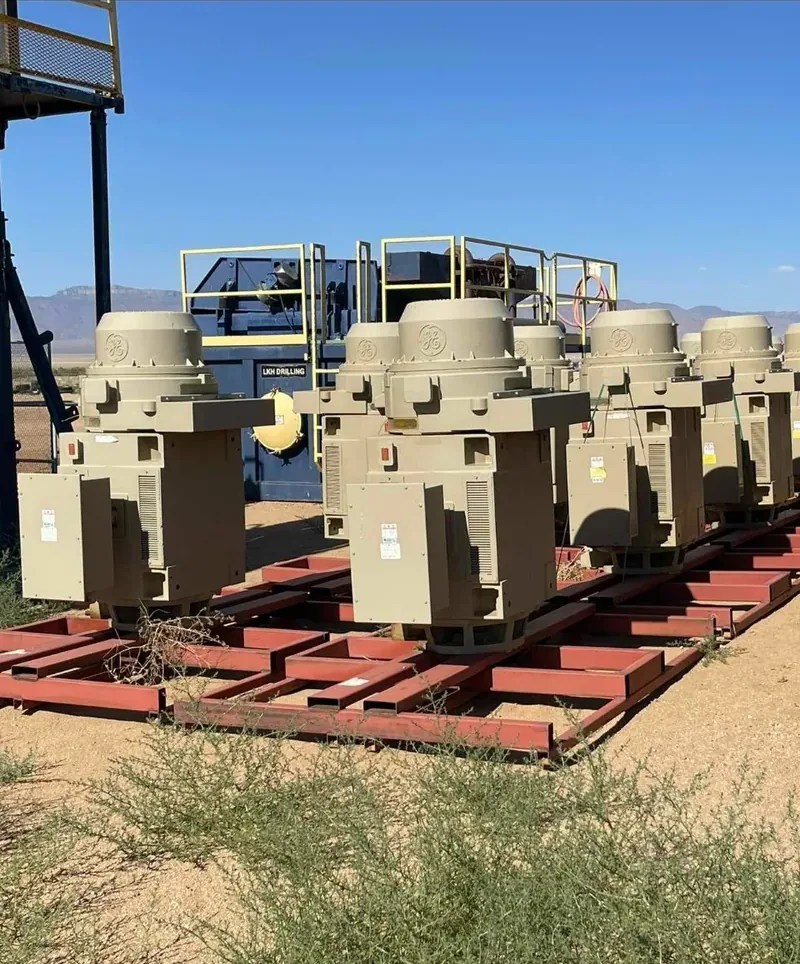
In the United States, primary voltage ratings follow standardized classes established by industry organizations. For industrial and commercial distribution, common primary voltages include 4,160 volts, 12,470 volts, 13,200 volts, and 34,500 volts. These levels are typically supplied by local utility substations and routed to individual facilities, where padmount or dry-type transformers step the power down to usable levels for machinery and lighting.
At the utility level, primary voltages are much higher, designed for long-distance transmission to minimize energy loss. Transmission transformers might have primary ratings of 115,000 volts, 230,000 volts, or even 500,000 volts. These massive units are the backbone of the electrical grid, taking power directly from generation plants and pushing it across state lines. The sheer scale of the primary voltage in these applications necessitates enormous bushings, extensive cooling systems, and thousands of gallons of specialized insulating oil.
How it works
Locating and Interpreting the Nameplate Data
The most reliable place to find the primary voltage of any transformer is on its factory nameplate. This metal tag, usually riveted to the exterior of the tank or enclosure, contains the definitive specifications for the unit. The primary voltage is typically listed under headings such as "High Voltage," "H.V.," or simply "Primary." It is crucial to read this information carefully, as it often includes multiple numbers indicating different connection configurations, such as Delta or Wye setups.
For example, a nameplate might list the primary voltage as "12470GrdY/7200." This indicates a Wye connection where the phase-to-phase voltage is 12,470 volts, and the phase-to-ground voltage is 7,200 volts. Misinterpreting these figures can lead to catastrophic failures if the unit is installed incorrectly. When inspecting a transformer that has been in service for decades, the nameplate might be faded or corroded. In these cases, technicians must carefully clean the tag to read the stamped numbers.
Logistics and payment
How Input Specifications Influence Equipment Valuation
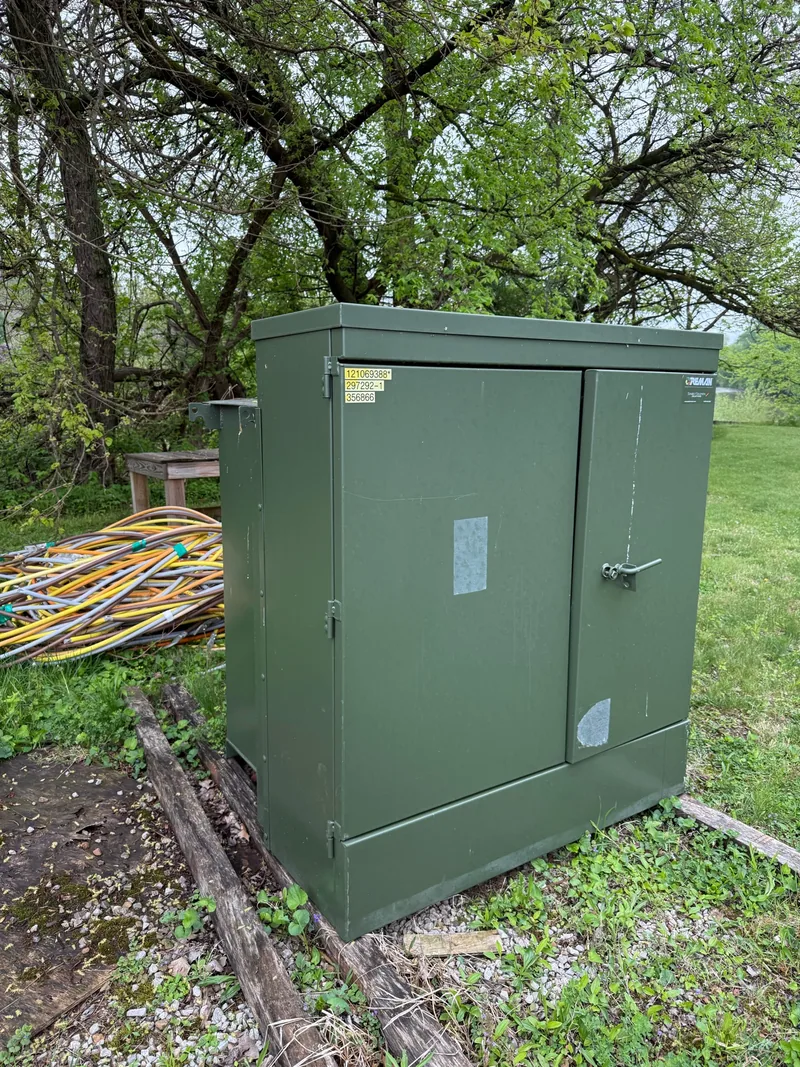
When a facility upgrades its electrical infrastructure or decommissions a plant, the surplus transformers hold significant value. However, that value is heavily dependent on the primary voltage. Units with standard, widely used primary voltages like 12,470 volts or 13,200 volts are in high demand. These transformers can be easily redeployed to other industrial sites, commercial developments, or utility networks across the country. Because they fit into so many existing systems, buyers are eager to acquire them, resulting in a strong cash offer.
Conversely, transformers with unusual, obsolete, or highly specialized primary voltages have a smaller pool of potential end-users. A unit designed for a specific, non-standard mining operation or an outdated municipal grid might sit in inventory for years before finding a new home. While these units still hold value, their pricing as working equipment will reflect the narrower market demand. Even if a transformer has failed, the primary voltage dictates the physical size of the internal copper and steel, determining its scrap material value.
Detail
The Relationship Between Primary and Secondary Ratings
Primary voltage cannot be fully understood in isolation; it must always be considered alongside the secondary voltage. The relationship between these two figures defines the transformer's core purpose. A unit might have a highly desirable primary voltage of 13,200 volts, but if its secondary voltage is an unusual 380 volts designed for imported European machinery, the overall utility of the transformer is limited. The most valuable surplus units possess a combination of a standard primary voltage and a standard secondary voltage, such as 480/277 volts.
This relationship is expressed as the turns ratio, which is a fixed physical property of the internal coils. If a facility needs to step down 12,470 volts to 480 volts, they must find a transformer with exactly that ratio. You cannot simply apply a different primary voltage and expect the desired secondary output without risking severe damage to the equipment and the connected load. This strict dependency means buyers evaluating surplus equipment must look at the complete voltage profile.
Also worth knowing
Preparing Your Equipment for Asset Recovery
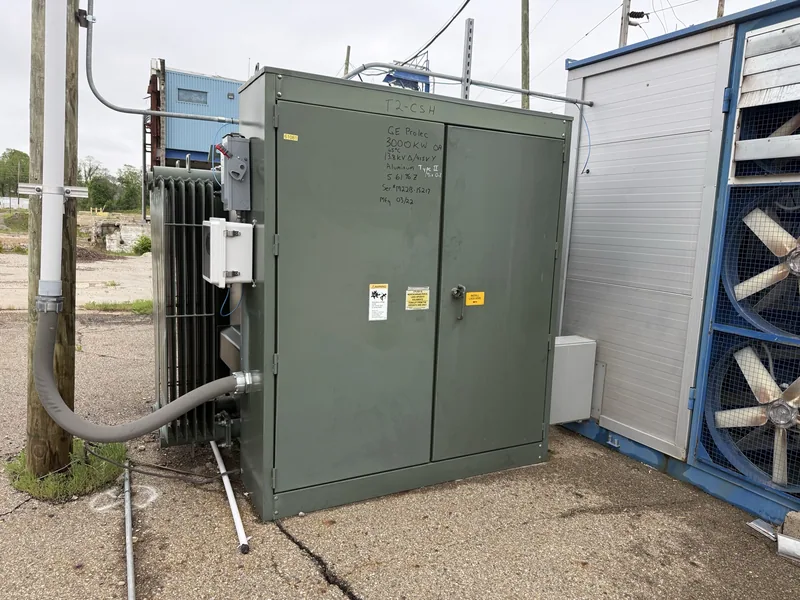
When you have surplus or decommissioned transformers, accurately documenting the primary voltage is the first step in the asset recovery process. Before you contact a buyer, take clear, high-resolution photographs of the nameplate. Ensure that the primary voltage, secondary voltage, kilovolt-ampere rating, and impedance are all legible. This information allows buyers to immediately assess the market demand for your specific unit and formulate an accurate cash offer.
If you are dealing with multiple units from a substation rebuild or a plant closure, create a detailed inventory list that includes the primary voltage for each transformer. This is especially important if the units look identical from the outside but served different functions within the facility. A clear inventory prevents confusion and accelerates the evaluation process. Professional buyers handle all the logistics, including heavy rigging, environmental compliance, and nationwide freight. Your responsibility is simply to provide accurate data about the equipment you wish to remove.
Common questions
Questions sellers ask
Where exactly do I find the primary voltage on my surplus transformer?
The primary voltage is stamped on the manufacturer's metal nameplate, which is permanently attached to the exterior of the transformer tank or enclosure. Look for fields labeled "High Voltage," "H.V.," or "Primary." It will be listed in volts, such as 12470 or 34500. If the nameplate is dirty or corroded, clean it gently with a soft cloth to reveal the stamped numbers. Do not attempt to guess the voltage based on the size of the unit or the cables connected to it.
Does a higher primary voltage mean the transformer is worth more money?
Not necessarily. The value of a working surplus transformer is driven by market demand, not just the voltage level. A standard 12,470-volt primary unit might be worth more than a massive 115,000-volt unit simply because there are thousands of commercial facilities that need the smaller unit, while only utility companies purchase the larger ones. However, for scrap units, higher primary voltages often mean larger internal copper or aluminum windings, which can increase the raw material value.
What if the primary voltage on my equipment is an obsolete standard?
Even if your transformer features an outdated or highly unusual primary voltage, it still holds significant value. While it might not be resold as a working unit for a modern facility, the internal components—specifically the copper or aluminum coils, the electrical steel core, and the insulating oil—are highly valuable commodities. Professional buyers purchase equipment regardless of the primary voltage, recovering the raw materials and ensuring you receive a competitive cash offer for the asset.
Can a transformer be rewired to accept a different primary voltage?
Rewiring a transformer to change its primary voltage is an extensive and highly specialized engineering process. It involves completely removing the core and coil assembly from the tank, stripping the existing windings, and manufacturing entirely new coils with a different number of turns and insulation class. Because this process is so labor-intensive and expensive, it is rarely done. It is almost always more economical to sell the surplus unit and purchase a different transformer with the correct primary voltage.
Why does the nameplate list two different numbers for the primary voltage?
When a nameplate lists two numbers, such as 12470Y/7200, it indicates a Wye-connected primary winding. The larger number (12,470) is the phase-to-phase voltage, which is the measurement between any two of the three incoming power lines. The smaller number (7,200) is the phase-to-ground voltage, measured between one power line and the neutral ground. Both numbers describe the same primary winding configuration and are essential for ensuring the transformer is compatible with the incoming utility supply.
Ready to move the unit?
Understanding the primary voltage of your surplus electrical equipment is the key to unlocking its value. Whether you are clearing out a storage yard of old distribution units, decommissioning a massive industrial substation, or managing the aftermath of a facility upgrade, we are ready to evaluate your assets. We purchase working, failed, and scrap transformers from businesses across all 50 states, providing competitive cash offers based on accurate technical specifications. We take responsibility for all heavy rigging, environmental handling, and nationwide freight, making the removal process seamless. Call or email us today. Phone 954-740-1983. Email electricalequipmentbuyers@gmail.com.