
Overview
Accurate chain-of-custody documentation can speed payment, simplify regulatory compliance and protect both sellers and buyers from disputed ownership or environmental liability. At TransformersBuyers.com we buy transformers from businesses, offer a cash price, and coordinate pickup, freight and rigging nationwide. This glossary entry explains the term in practical detail, shows how it affects the value of a unit, and offers step-by-step guidance so you can identify and preserve chain-of-custody information before we or any buyer arrive on site.
Why sell to us
What chain-of-custody means for transformers
Chain-of-custody is the documented trail that records who had control, responsibility and physical possession of a transformer from the time it was commissioned through retirement, sale or disposal. For transformers, this trail often includes purchase documents, asset tags, maintenance logs, oil analysis records, decommissioning forms and transfer paperwork. The underlying purpose is to show a continuous and verifiable history so that subsequent handlers and owners can be confident about the unit’s past condition, environmental status and legal ownership.
Viewed practically, chain-of-custody is not a single paper but a bundle of records, labels and practices. Physical identifiers such as serial numbers and asset tags link a particular piece of equipment to its documentation. When those links are intact, buyers can assess contamination risk, prior repairs, and whether the unit was subject to environmental holds or recalls. For sellers, a clear chain-of-custody reduces ambiguity and removes administrative obstacles to receiving a timely cash offer and prompt removal.
What we buy
How chain-of-custody affects transformer value
A thorough chain-of-custody increases market confidence, which generally translates to better offers. Buyers price risk into every transaction: unknown histories raise questions about PCB contamination, undocumented internal damage, or liens and ownership disputes. When you can provide dated maintenance records, oil test results, and a clear ownership trail, a buyer can more precisely evaluate condition and regulatory risk. That clarity reduces the contingency discounts a buyer must include, so the cash offer you receive often improves.
Conversely, weak or missing chain-of-custody increases perceived risk. If a transformer lacks identifying markings, has incomplete paperwork, or was relocated without recorded transfer documents, buyers may allocate more funds to testing, remediation or legal checks. Those costs are reflected in lower offers or in offers conditioned on additional inspection. In short, preserving chain-of-custody preserves value by removing unknowns from the transaction equation.
How it works
Identifying chain-of-custody on your equipment
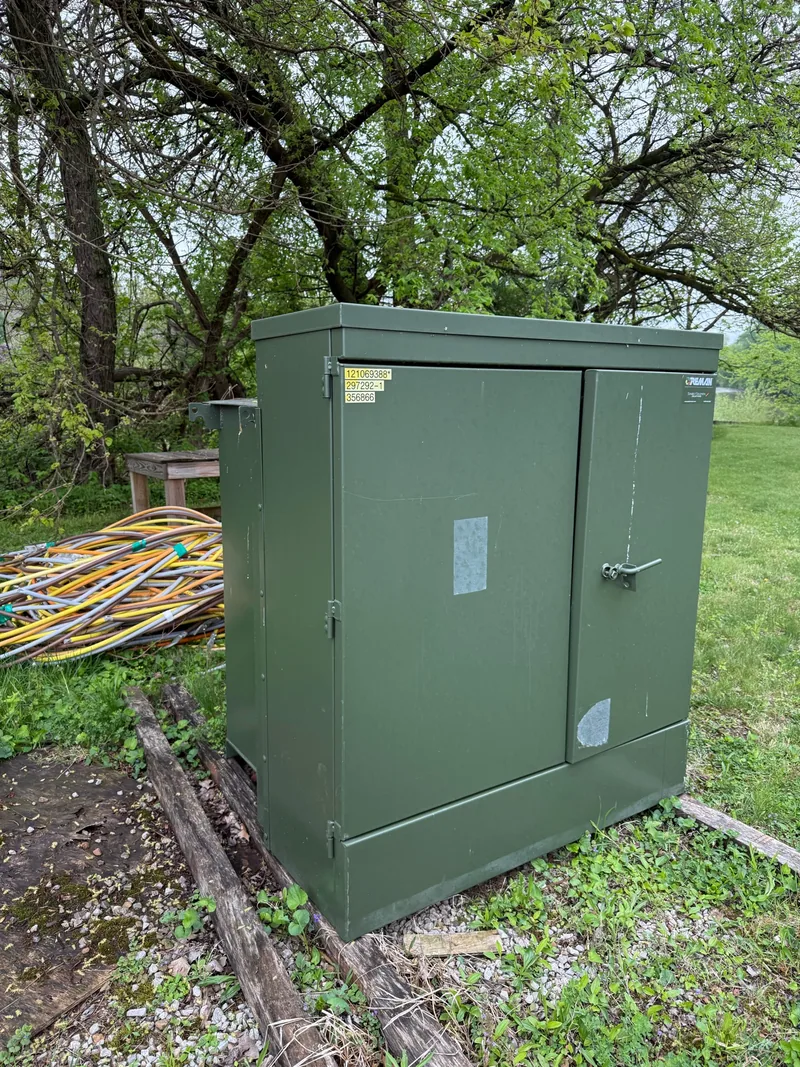
Start with visible physical identifiers. Serial numbers stamped on nameplates, manufacturer tags, and any in-house asset tags should be legible and photographed. These numbers are the primary keys used to match a physical unit to maintenance records and purchase invoices. Next, look for stickers, stickers with barcodes, or metal tags applied by facility asset management teams; even faded tags can be traced back to records if you record the tag number and location on the unit.
Beyond plates and tags, examine the transformer for documented markings from past inspections, typical notations from repair shops, and affixed testing labels that indicate oil sampling or dielectric tests. If the unit sits on a pad or in a fenced area, record any nearby signage or facility logs that reference the equipment. A practical approach is to assemble photos of the unit from several angles, capture the nameplate data, and place those images alongside the purchase, maintenance and decommissioning documents to create a compact chain-of-custody packet.
Logistics and payment
Documentation and records that matter
Key documents that substantiate chain-of-custody include original purchase orders, invoices, asset register entries, maintenance logs, oil testing and dielectric reports, outage and failure reports, and decommissioning forms. When scheduled maintenance was performed, entries that list who performed the work and what was done help demonstrate continuous care and ownership. Oil analysis results and laboratory reports are particularly important because they can confirm whether the transformer contains PCBs or other contaminants that affect handling and disposal.
Transfer paperwork is equally important. Inter-facility transfers, auction documentation, consignment forms and bills of lading create a traceable chain if ownership changed hands. For scrap or failed units, documentation showing that your organization retained control and authorized disposal prevents later claims by third parties. Where paperwork is missing, contemporaneous statements from corporate asset managers or internal memos that describe the unit’s history can still be useful when combined with clear physical identifiers.
Detail
Common misconceptions about chain-of-custody
A common misconception is that chain-of-custody is only about legal ownership. While ownership is central, the chain also communicates condition and environmental status. A unit may be clearly owned by your company yet lack oil testing or service history; that lack of condition information influences handling requirements and price. Another misconception is that a single document is sufficient. In reality, chain-of-custody is cumulative and benefits from corroborating items: tags, logs, invoices and test reports working together.
People also assume that if a transformer has been inactive for years, chain-of-custody no longer matters. It does. Extended storage without records increases uncertainty about internal changes, weathering, or unauthorized access, all of which matter to a buyer. Finally, some sellers think chain-of-custody only concerns environmental regulators; but it is also a practical commercial tool that helps speed payment and release of the asset for pickup when you sell or recycle the unit.
Also worth knowing
Chain-of-custody during pickup and transport
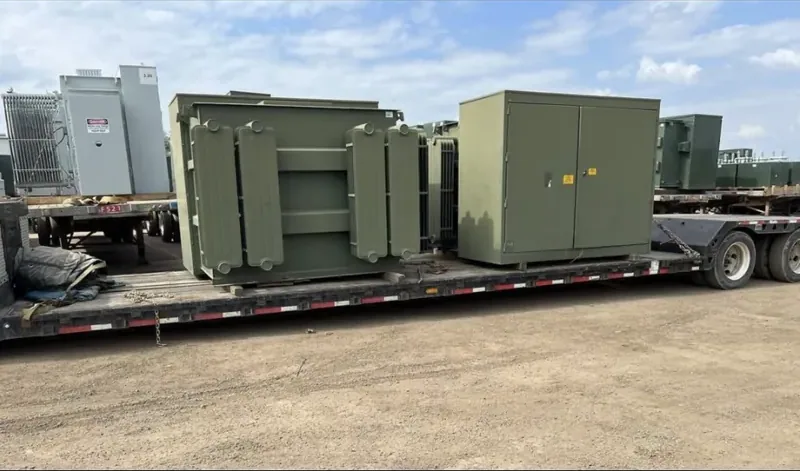
The handoff from seller to buyer, transporter or recycler is a critical link in the chain-of-custody. Bills of lading, signed transfer receipts and photos of the unit at the point of pickup document the transition of control. For large transformers requiring rigging, the rigging company’s load-in and load-out reports, weight tickets and transport manifests form part of the record. These documents reduce the chance of damage disputes and help confirm that the unit left your site under authorized terms.
At the time of pickup, confirm that the receiving party signs paperwork that lists the serial number, condition at pickup and any special handling or environmental notes. Photographic evidence of the transformer loaded on the truck labors as a timestamped record. If your buyer arranges freight and rigging, make sure they provide a comprehensive transfer document and a clear schedule so that the custody transition is visible and contemporaneous.
Condition and testing
Practical steps sellers can take today
Begin by locating and photographing every identifying mark on the transformer: nameplate data, serial numbers, asset tags, and any stickers. Gather accessible documentation such as purchase records, maintenance logs and oil test reports. Even if records are incomplete, compile what you have into a single folder or digital file and make an index so a buyer can quickly match identifiers to documents. Clear labeling and a short summary of known issues or modifications will save time and improve the cash offer you receive.
If you anticipate removal, inventory the site and note any access constraints, pad numbers, or enclosure IDs so that pickup can be planned without delay. Communicate early with the buyer about special rigging needs or environmental holds. At TransformersBuyers.com we buy from businesses across all 50 states and coordinate pickup, freight and rigging to minimize your workload. Call or email to discuss your unit and we will outline the specific chain-of-custody documents that matter most for your situation.
Related terms
Common questions
Questions sellers ask
What exactly is chain-of-custody for a transformer?
Chain-of-custody is the documented sequence showing who had responsibility for the transformer at each stage of its life: acquisition, maintenance, storage, transfer and disposal. For a transformer, this can include purchase invoices, asset tags, maintenance records, oil analysis reports and signed transfer documents. Together, these items form a verifiable trail that links a specific physical unit to its documented history, which helps buyers assess condition and liability.
How does chain-of-custody affect the price you offer?
A clear chain-of-custody reduces uncertainty about contamination, past damage and legal ownership. Buyers price risk into offers, so when you provide thorough documentation—serial numbers, service logs, oil test results and transfer paperwork—the buyer can reduce contingency allowances. That typically results in a higher cash offer compared with units that have missing or ambiguous records, because fewer unknowns mean fewer potential remediation costs and compliance concerns for the buyer.
What if I don't have any paperwork for a transformer?
Missing paperwork complicates valuation but does not automatically disqualify a sale. Start by documenting physical identifiers: nameplate data, serial numbers and asset tags. Photographs and internal facility memos that reference the unit can help. If oil testing or inspection reports are absent, consider having basic tests performed before sale, or disclose the absence of records so the buyer can plan inspection. Buyers that coordinate pickup and testing can often work with sellers to close transactions even when original documents are sparse.
Which documents are most important to preserve?
Prioritize the nameplate and serial number, purchase invoices, maintenance logs, oil and dielectric test reports, decommissioning forms and any signed transfer or disposal documents. Bills of lading and rigging manifests created at pickup are also crucial. These items collectively demonstrate ownership, condition and the steps taken during decommissioning and transport, and they help a buyer confirm the unit’s history without costly additional investigation.
Do environmental tests belong in the chain-of-custody?
Yes. Oil analysis and PCB screening are central to a transformer’s environmental profile and are frequently requested by buyers and regulators. Test results tied to a specific serial number provide evidence of contamination status and can determine handling, transport and disposal requirements. Including lab reports or dated inspection results in the chain-of-custody avoids surprises and helps ensure the buyer selects appropriate handling and compliance measures.
How does chain-of-custody work when you arrange pickup?
When a buyer arranges pickup, the handoff documentation becomes part of the chain. The buyer or transporter should provide a signed transfer receipt, a bill of lading that lists the unit’s identifiers and condition, and any rigging or weight tickets. Photographs at the time of loading are also useful. At TransformersBuyers.com we handle freight and rigging and provide the necessary transfer paperwork so you have a clear record of custody and the unit’s condition when it left your site.
Ready to move the unit?
If you have transformers to move, clear chain-of-custody documentation speeds the sale and often improves the cash offer. We buy working, failed and scrap units from businesses, coordinate freight and rigging, and pay promptly. Call or email to discuss what records you have and how to prepare your equipment for pickup. Moses Johnson is available to answer your questions at 954-740-1983 and electricalequipmentbuyers@gmail.com