
Overview
We purchase copper-wound transformers from utilities, industrial plants, and electrical contractors across the United States. Whether you have a single dry-type unit or a complete substation lineup, our team evaluates the equipment based on kVA rating, weight, and condition. We handle all the logistics, including rigging and freight, so you can clear your site quickly.
Why sell to us
Identifying Copper Windings Versus Aluminium
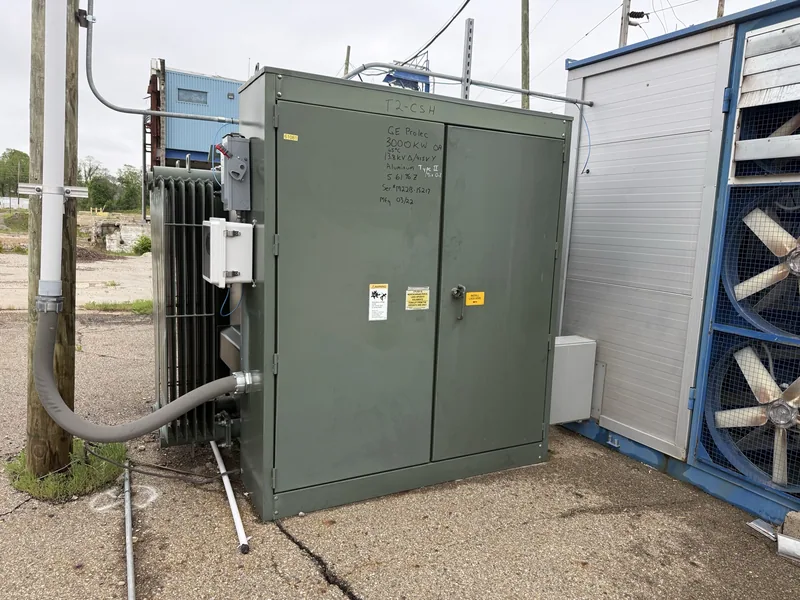
Determining whether your transformer has copper or aluminium windings is essential before you decide to scrap it. The most reliable method is checking the factory nameplate, which often indicates the winding material directly or through specific manufacturer codes. If the nameplate is missing or illegible, the physical weight of the unit compared to its physical dimensions and kVA rating provides a strong clue. Copper is significantly denser than aluminium, making copper-wound transformers noticeably heavier than aluminium units of the exact same capacity.
Another way to verify the winding material is by inspecting the visible conductors at the bushings or connection points. While some aluminium conductors are coated or terminated with copper lugs, a careful look at the bare metal where the connections are made can reveal the true winding material. Our team can help you identify the winding type based on photos of the nameplate and the unit itself. We have extensive experience evaluating all types of transformers and can quickly determine if you have a high-value copper unit.
What we buy
Why Copper-Wound Transformers Carry More Value
The scrap market places a premium on copper because of its superior electrical conductivity and high demand in recycling streams. When you sell scrap copper transformers, the intrinsic value of the metal inside the casing drives the offer. Copper windings are heavier and yield a higher return per pound than aluminium, which translates directly into a larger payout for the seller. This difference in base metal value makes copper-wound units highly sought after by buyers who process electrical equipment.
Beyond the raw material value, the density of copper means that even physically smaller transformers can contain a substantial amount of valuable metal. Facilities upgrading their infrastructure often discover that their older, copper-wound equipment holds significant residual value. We assess the total copper content based on the transformer specifications and current market conditions to provide a competitive cash offer. Our purchasing process ensures you receive the true value of the copper inside your surplus equipment.
How it works
Eras and Families of Copper-Wound Equipment
Certain eras of electrical manufacturing relied heavily on copper before aluminium became a common cost-saving alternative. Older transformers, particularly those built before the late twentieth century, are very likely to feature copper windings. Industrial dry-type transformers and heavy-duty substation units from legacy manufacturers frequently utilized copper for its durability and thermal performance. If you are decommissioning an older facility, there is a strong chance the existing electrical infrastructure contains valuable copper-wound equipment.
Specific transformer families are also known for their copper construction. Network transformers, which must operate reliably in confined, high-heat underground vaults, are almost exclusively built with copper windings to handle the demanding thermal conditions. Similarly, many high-capacity step-up and step-down transformers designed for continuous industrial loads were specified with copper. We buy all these types of units, from 15 kVA up to 100 MVA, regardless of their age or original manufacturer.
Logistics and payment
How Copper Content Scales with kVA Rating
The amount of copper inside a transformer scales directly with its kVA rating and design specifications. As the capacity of the unit increases, the physical size of the core and the thickness of the windings must also increase to handle the higher electrical currents. A large substation transformer will contain exponentially more copper than a small distribution unit. When evaluating your equipment, the kVA rating is one of the primary metrics we use to estimate the internal copper weight.
However, the relationship between kVA and copper content is not always perfectly linear. Different voltage classes and impedance requirements dictate the exact design of the coils, which can vary the total metal weight. High-voltage transformers often require more insulation and different winding geometries, which affects the overall copper yield. By providing us with the nameplate data, including the kVA, primary voltage, and secondary voltage, we can accurately calculate the expected copper content and formulate a precise cash offer for your equipment.
Detail
Resale Value Versus Scrap Value
Many sellers assume that older equipment is only good for the shredder, but a working copper-wound unit is often worth more resold intact than scrapped for its metal. The robust construction of copper transformers means they can frequently be refurbished and placed back into service. When you contact us to sell scrap copper transformers, we evaluate the condition of the unit to determine its highest possible value. If the transformer is electrically sound, we factor its potential for reuse into our offer.
We will always tell the seller whether their equipment is better suited for the resale market or the scrap market. Units with severe internal faults, heavy physical damage, or compromised insulation are typically processed for their copper content. Conversely, well-maintained units removed during routine plant upgrades may hold significant value as complete transformers. Our goal is to provide the most lucrative exit strategy for your surplus equipment, ensuring you get the maximum return regardless of the final disposition.
Also worth knowing
Condition Factors and Oil-Filled Units
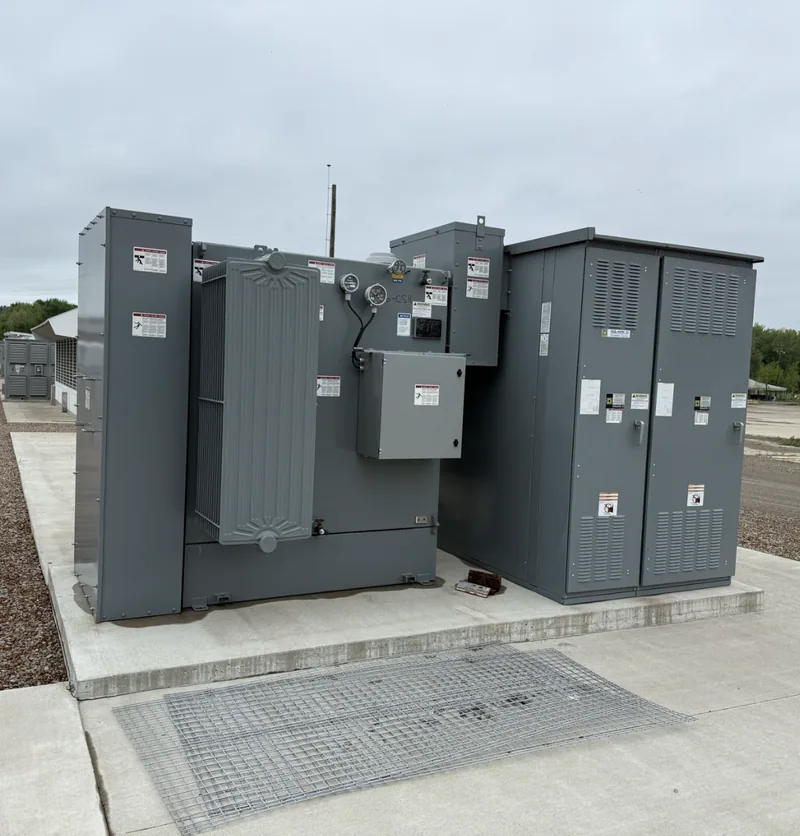
The physical condition of your transformer plays a role in the valuation process, especially for oil-filled units. While the copper inside retains its value regardless of external rust or minor damage, the presence of insulating oil requires careful handling. We purchase oil-filled transformers and manage the fluid through licensed channels, ensuring all environmental regulations are met. The status of the oil, including any previous PCB testing, is an important factor we discuss during the initial evaluation.
For dry-type copper transformers, condition assessment is more straightforward, focusing primarily on the integrity of the coils and the enclosure. Even if a dry-type unit has suffered a catastrophic failure, the copper windings remain highly valuable. We buy transformers in any condition, from pristine surplus units to completely burned-out scrap. Our team arranges all the necessary rigging, freight, and removal, taking the burden of handling heavy, cumbersome equipment off your shoulders.
Condition and testing
Nationwide Purchasing and Removal Logistics
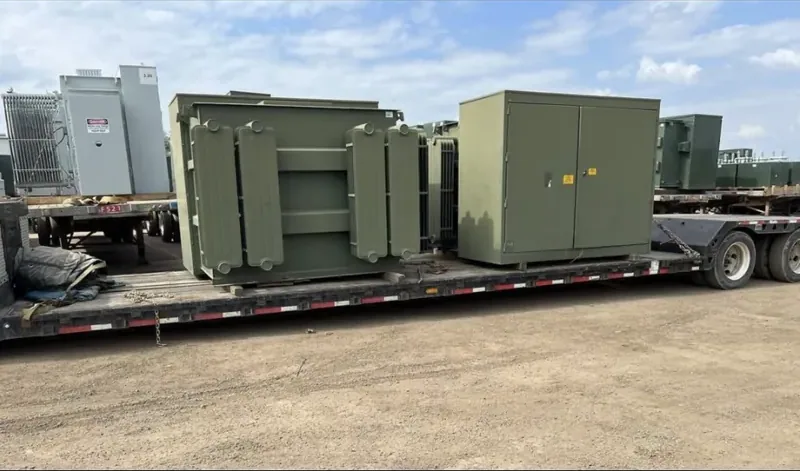
Managing the removal of heavy copper-wound transformers requires specialized equipment and logistical expertise. We serve the entire United States and will travel directly to your site to facilitate the transaction. You do not need to worry about loading or transporting these massive units, as we arrange all the rigging and freight. Our experienced crews know how to safely extract transformers from tight electrical rooms, outdoor substations, and elevated platforms.
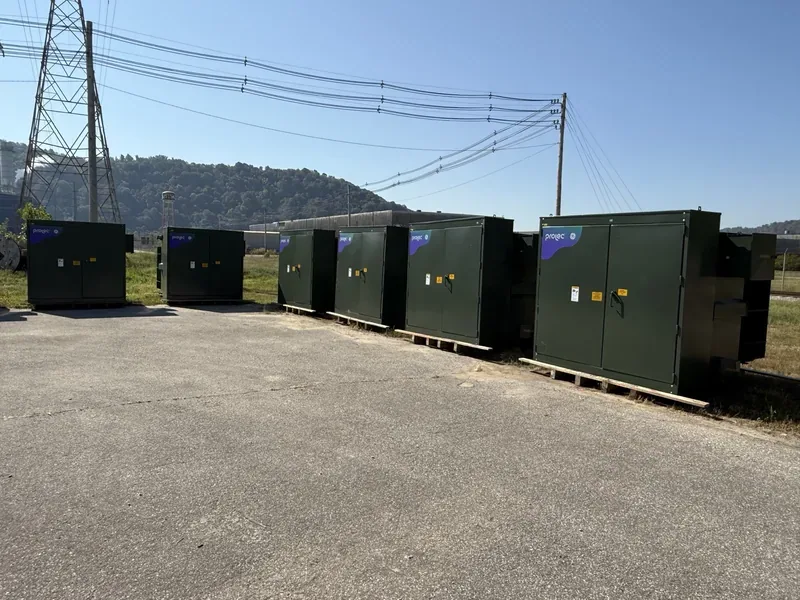
By handling the entire removal process, we allow plant managers and electricians to focus on their core operations rather than dealing with scrap disposal. We coordinate with your site personnel to schedule the extraction at a time that minimizes disruption to your facility. Whether you have a single 15 kVA padmount or a massive 100 MVA unit substation, we have the resources to buy your equipment and remove it efficiently. Contact us with your equipment details to start the process.
Brands
Brands that hold resale value over scrap value
More on transformer scrap value
Common questions
Questions sellers ask
How can I tell if my scrap transformer has copper windings?
The most accurate way is to check the manufacturer nameplate, which often lists the winding material. If the nameplate is missing, the weight of the unit is a strong indicator, as copper-wound transformers are significantly heavier than aluminium ones of the same kVA rating. You can also inspect the bare metal at the bushing connections.
Do you buy oil-filled copper transformers that have not been tested for PCBs?
Yes, we purchase oil-filled copper transformers regardless of their current testing status. We handle all oil-filled and PCB-tested units through licensed channels to ensure proper environmental compliance during the disposal process. Let us know the details of your equipment, and we will manage the fluid testing, draining, and removal procedures safely.
Is a working copper transformer worth more than its scrap metal value?
In many cases, a working copper-wound unit is worth more resold intact than shredded for scrap. We evaluate the electrical condition of your equipment and will tell you which option provides the highest return. If it can be reused, our cash offer will reflect its value as a complete unit.
What sizes of copper-wound transformers do you purchase?
We buy a wide range of copper-wound transformers, starting from small 15 kVA units up to massive 100 MVA substation transformers. This includes padmount, polemount, dry-type, and network transformers used in various applications. Regardless of the physical size, voltage class, or original manufacturer, we are interested in evaluating your surplus equipment for purchase.
Do I need to arrange transportation for my scrap copper transformers?
No, you do not need to handle the transportation or loading. We arrange all the rigging, freight, and removal for the transformers we purchase. We serve the whole United States and will coordinate the logistics to safely remove the heavy equipment directly from your facility, substation, or active job site.
How does the kVA rating affect the value of a scrap copper transformer?
The kVA rating directly correlates with the physical size of the internal coils and the total amount of copper used in the design. Higher kVA ratings generally mean more copper content, which increases the scrap value of the unit. We use the kVA rating to estimate the metal weight and formulate our offer.
Ready to move the unit?
Maximizing the return on your surplus electrical equipment requires a buyer who understands the true value of copper windings. We are ready to evaluate your transformers, provide a competitive cash offer, and handle all the removal logistics nationwide. Call 954-740-1983 or email electricalequipmentbuyers@gmail.com today to discuss the equipment you have available.