
Overview
We purchase aluminium-wound transformers from utilities, plants, and contractors across the United States. Whether you have a single padmount unit or an entire substation lineup, we provide cash offers and handle all the logistics. Our team arranges the rigging, freight, and removal so you can focus on your core operations. Reach out to us to turn your idle aluminium-wound assets into capital.
Why sell to us
The Shift to Aluminium Windings in Transformer Manufacturing
During certain eras and across specific kVA ratings, manufacturers began shifting toward aluminium windings as a cost-effective alternative to copper. This transition was largely driven by fluctuating commodity prices and the need to produce lighter distribution and substation equipment. Many dry-type and oil-filled transformers built in the late twentieth century feature aluminium coils to balance manufacturing costs with performance requirements.
While copper has historically been the standard for electrical conductivity, engineering advancements allowed aluminium to perform reliably in demanding industrial environments. Facilities often find these aluminium-wound units sitting on pads or in electrical rooms long after they have been decommissioned. Recognizing the era and construction of your equipment helps in assessing its current worth.
We evaluate these older units based on their specific design and material composition. By understanding the historical context of your equipment, we can accurately determine its worth and provide a fair cash offer for your surplus assets.
What we buy
Identifying Aluminium Windings from Nameplate Data
The most reliable way to determine if you have an aluminium-wound unit is by examining the factory nameplate. Manufacturers typically stamp specific abbreviations or codes to indicate the winding material. You might see designations like "AL/AL" indicating both primary and secondary windings are aluminium, or "CU/AL" for a mixed configuration.
If the nameplate is weathered or difficult to read, looking for the total weight can also provide a strong hint. Because aluminium is significantly lighter than copper, a transformer with a lower total weight relative to its kVA rating often points to aluminium construction. This weight difference is a key factor when calculating the overall material recovery potential.
Our team is highly experienced in reading and interpreting these nameplate details. When you send us clear photos of the data tags, we can quickly verify the winding material and give you an accurate assessment of the equipment you want to offload.
How it works
Physical Clues and Mixed Metal Configurations
When nameplates are missing or illegible, physical inspection becomes necessary to identify the winding material. Looking at the exposed bus bars or the connections where the leads meet the coils can reveal the underlying metal. Aluminium conductors will show a distinct silver color when scratched, unlike the reddish hue of copper.
It is also common to encounter mixed units that feature aluminium windings but utilize copper leads for external connections. This hybrid approach was used to prevent oxidation at the termination points while keeping the internal coil costs down. These mixed configurations require careful evaluation because the presence of copper leads does not change the fact that the primary mass of the coil is aluminium.
We buy transformers in all these configurations, from pure aluminium builds to mixed metal designs. By accurately identifying the internal components, we ensure that the valuation reflects the true material composition of your surplus equipment.
Logistics and payment
Conductivity Differences and Coil Sizing
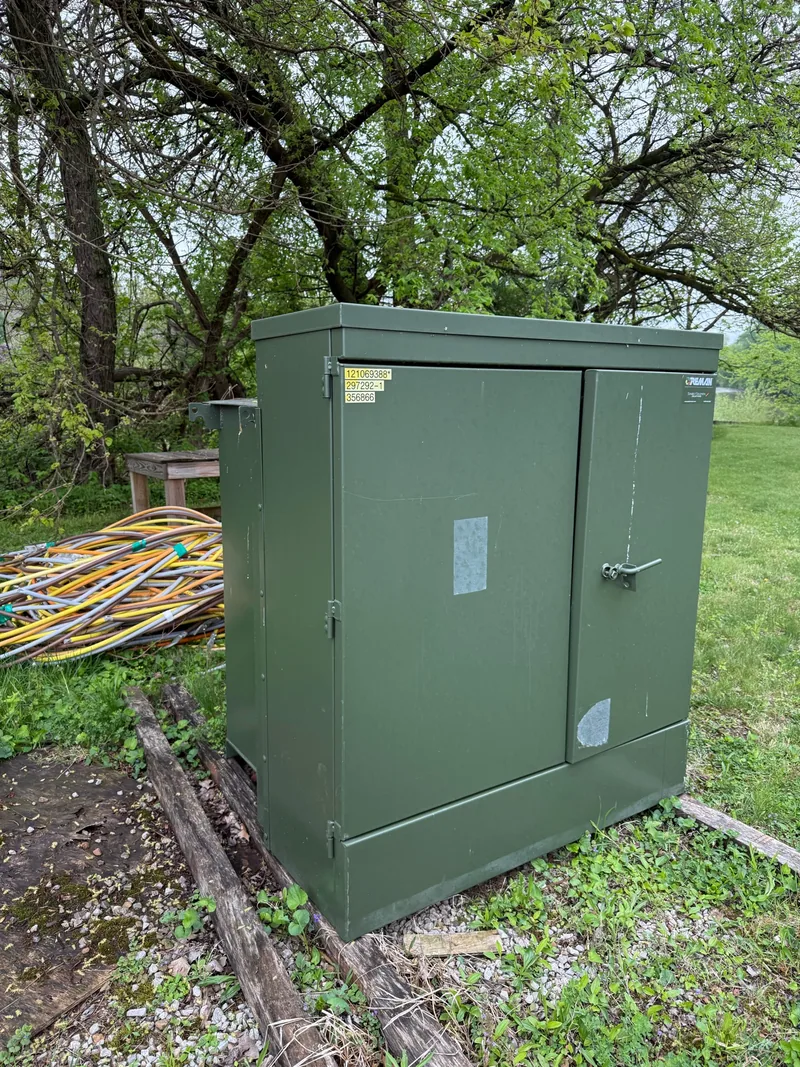
Aluminium has a lower electrical conductivity compared to copper, which directly impacts the physical design of the transformer. To achieve the same current-carrying capacity and kVA rating, an aluminium coil must be physically larger than its copper counterpart. This means that an aluminium-wound transformer will often have a bulkier core and coil assembly.
The increased size of the coils requires a larger enclosure and, in the case of oil-filled units, a greater volume of dielectric fluid to maintain proper cooling. This larger footprint is a defining characteristic of aluminium-wound distribution and step-down transformers. The extra physical volume affects how the unit is handled during decommissioning and transport.
Understanding this size difference is crucial when planning the removal of these units from your facility. We account for the larger dimensions and fluid volumes when arranging the freight and rigging, ensuring a smooth extraction process from your site.
Detail
How the Scrap Market Discounts Aluminium Against Copper
The commodities market places a significantly lower premium on aluminium compared to copper, which directly influences the scrap aluminium transformer value. Because the base metal is less valuable per pound, the overall recovery yield from an aluminium-wound unit is inherently lower than that of a copper-wound unit of the same rating.
Scrap processors apply a discount to aluminium units to account for this price disparity and the labor required to separate the materials. The bulky nature of aluminium coils also means that more effort is expended to extract a metal that yields a lower return. This market reality is why facilities often see a noticeable difference in offers based solely on the winding material.
Despite this discount, these units still hold substantial value when assessed correctly. We monitor the metals market closely to provide competitive cash offers that reflect the current industrial demand for recovered aluminium and steel components.
Also worth knowing
When Resale Value Exceeds Scrap Aluminium Transformer Value
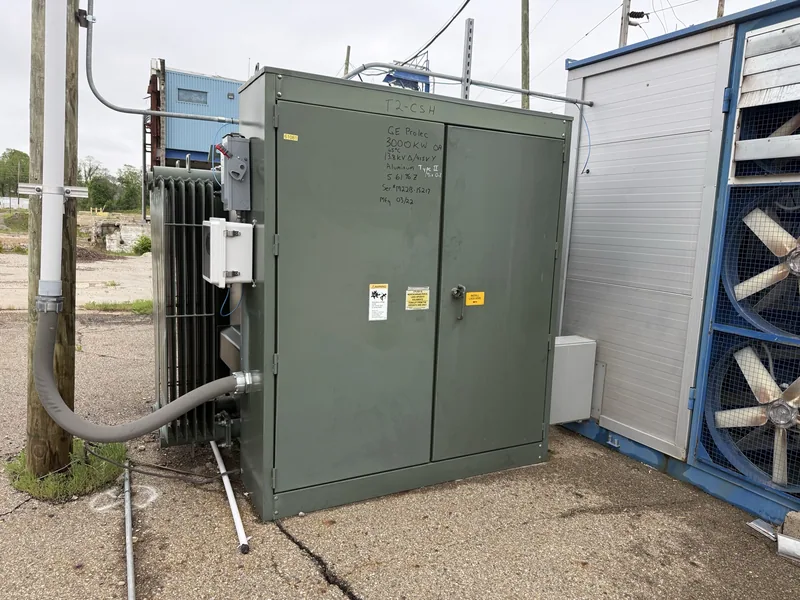
Not every decommissioned transformer is destined for the teardown yard. In many cases, an aluminium-wound unit is still worth more resold intact than scrapped for its raw materials. If the equipment is in good working condition, recently tested, or represents a highly sought-after voltage configuration, its functional value can easily surpass its base metal worth.
We evaluate every piece of equipment for its potential to be refurbished and redeployed. A well-maintained padmount or substation transformer can serve another facility perfectly, making it a valuable asset on the secondary market. This dual-path evaluation ensures that you receive the highest possible return for your surplus electrical infrastructure.
By looking beyond just the scrap weight, we maximize the payout for your idle equipment. Whether your transformer is ultimately recycled or finds a second life in another plant, we provide a straightforward transaction that clears your space and adds capital to your budget.
Condition and testing
Logistics of Removing Large Aluminium-Wound Units
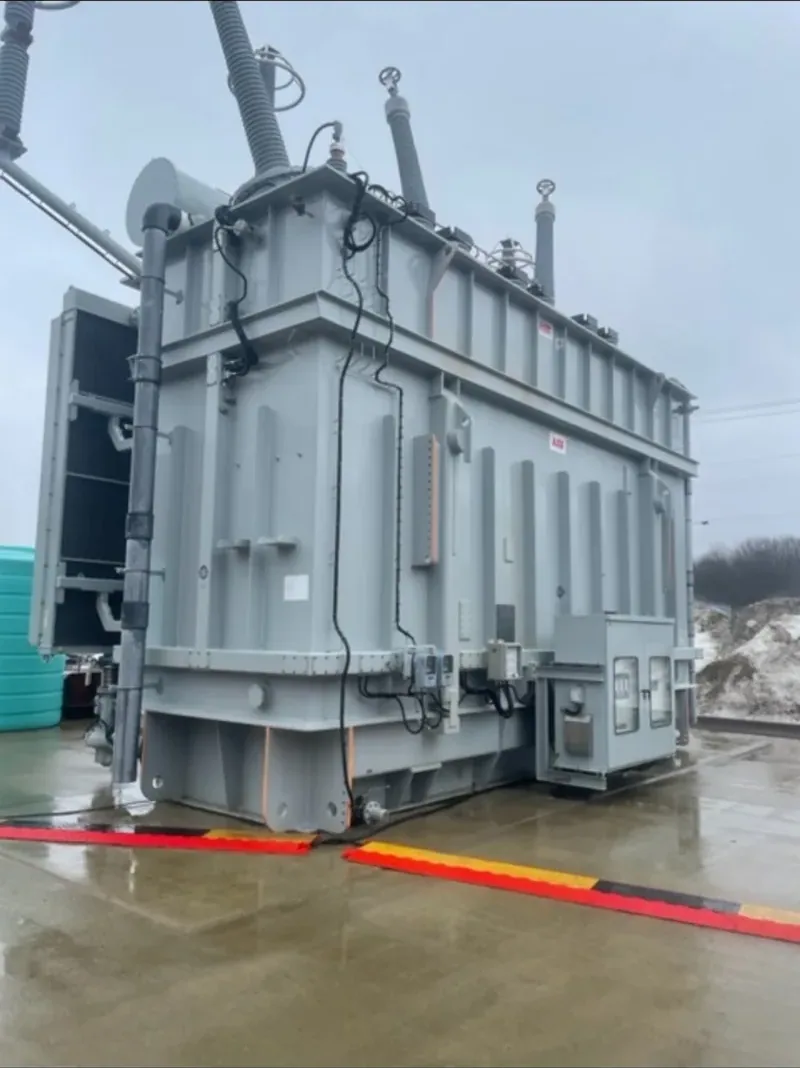
Getting a bulky aluminium-wound transformer off your property requires specialized equipment and careful planning. Because these units often feature larger enclosures and higher oil volumes, the rigging and removal process must be handled by experienced professionals. We manage all the heavy lifting, ensuring that the extraction does not disrupt your daily operations.
For oil-filled units, environmental compliance is a major part of the removal process. We handle all oil-filled and PCB-tested units through licensed channels, ensuring that the dielectric fluids are managed properly. This comprehensive approach protects your facility from liability while clearing out massive pieces of obsolete equipment.
Our nationwide service means we travel directly to your site, no matter where your plant or utility is located. From the initial assessment to the final freight arrangements, we take care of every logistical detail so you can dispose of your surplus transformers without any hassle.
Brands
Brands that hold resale value over scrap value
More on transformer scrap value
Common questions
Questions sellers ask
How can I tell if my transformer has aluminium windings?
The easiest way to identify aluminium windings is by checking the factory nameplate for abbreviations like AL/AL. If the tag is missing, the unit's overall weight can be a clue, as aluminium-wound transformers are generally lighter than copper units of the same kVA rating. You can also look for silver-colored conductors at the connection points.
Does an aluminium-wound transformer have a lower scrap value than copper?
Yes, the scrap aluminium transformer value is noticeably lower than that of a copper-wound unit. The commodities market prices aluminium significantly below copper. Additionally, the labor required to extract the bulky aluminium coils reduces the net recovery yield, leading to a discounted cash offer compared to copper equivalents.
Do you buy mixed metal transformers with aluminium coils and copper leads?
We absolutely buy mixed metal units. Many manufacturers used aluminium for the main coils to save costs while utilizing copper leads to prevent oxidation at the connection points. We evaluate these hybrid transformers based on their exact material composition to provide an accurate and fair cash offer for your equipment.
Will you handle the removal of large aluminium-wound substation transformers?
We arrange all the rigging, freight, and removal for large substation and padmount transformers. Because aluminium units often have larger enclosures and higher oil volumes, they require specialized handling. We manage the entire extraction process, including the proper routing of oil-filled and PCB-tested units through licensed environmental channels.
Can an aluminium transformer be worth more than its scrap metal weight?
In many situations, an aluminium-wound unit is worth more resold intact than scrapped. If the transformer is in good working condition or features a desirable voltage configuration, its functional value on the secondary market will exceed its raw material worth. We evaluate every unit for both reuse and recycling potential.
What types of aluminium-wound transformers do you purchase?
We buy a wide variety of aluminium-wound equipment, including padmount, substation, polemount, dry-type, and oil-filled distribution transformers. Our purchasing capabilities cover units ranging from 15 kVA all the way up to 100 MVA. Regardless of the specific type or size, we can assess your surplus equipment and arrange for its removal.
Ready to move the unit?
Stop letting obsolete electrical equipment take up valuable space at your facility. Reach out to our team today to get a comprehensive evaluation of your surplus assets. Call or email us at 954-740-1983 to secure your cash offer and schedule a hassle-free removal.