
Overview
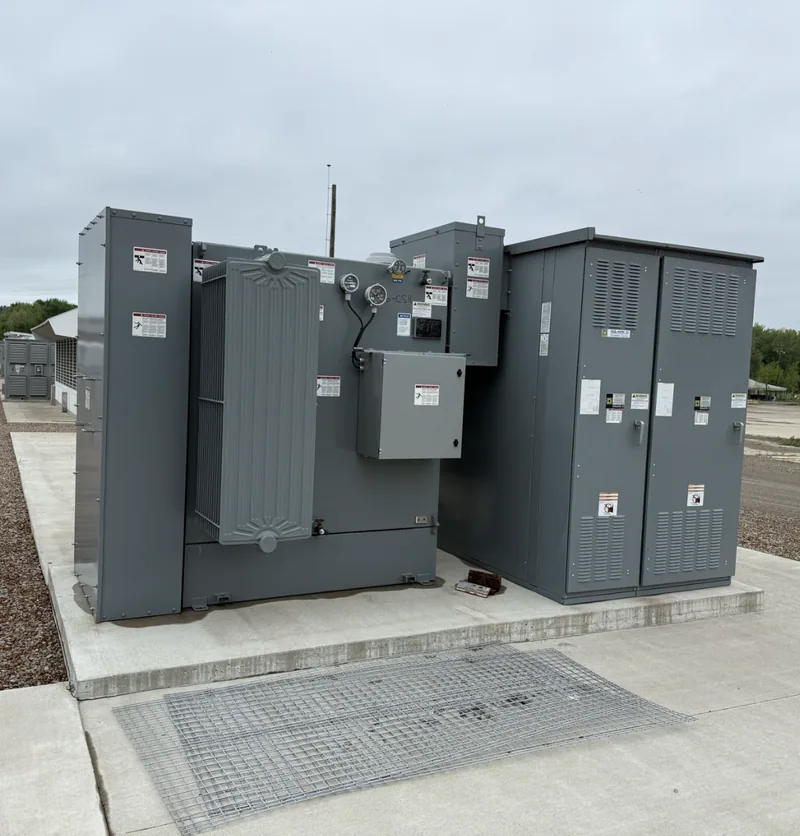
The equipment does not have to be perfect. We buy working units, surplus inventory, storm-damaged transformers, failed units, and scrap polemount transformers with value in the windings, core steel, tank, fittings, and oil. This page is for sellers who want a practical way to turn unneeded transformers into recovered value without managing every moving part of the job. Owner Moses Johnson works directly with businesses to review nameplate information, condition, photos, access, and loading requirements. From there, Transformers Buyers can price the equipment and handle freight and rigging so the units move safely from your site.
Why sell to us
What Polemount Transformers Are and Why Buyers Want Them
Polemount transformers are the familiar distribution transformers mounted on utility poles, crossarms, platforms, or outdoor structures where overhead primary lines feed customer service. They step medium-voltage distribution down to usable service voltage for homes, farms, shops, commercial buildings, pump stations, telecom sites, oilfield locations, and small industrial loads. Many are oil-filled cylindrical tanks, though three-phase banks and larger platform-mounted assemblies can have more complex layouts.
For a seller, the important point is that a polemount transformer can carry value even after it has been removed from service. A unit that is clean, complete, and electrically sound may be valued as reusable electrical equipment. A failed or obsolete unit still contains nonferrous metal, core steel, mineral oil, porcelain or polymer bushings, and a tank that can be processed. Transformers Buyers looks at the whole unit, not just whether it is currently energized.
What we buy
Common kVA Sizes, Voltage Classes, and Configurations
Polemount transformers are commonly encountered in smaller distribution sizes, from light single-phase units serving a limited load to larger three-phase installations built from one tank or a bank of single-phase cans. Sellers often have units in ratings such as 5 kVA, 10 kVA, 15 kVA, 25 kVA, 37.5 kVA, 50 kVA, 75 kVA, 100 kVA, 167 kVA, and higher, depending on the application and service history. The value of a unit is affected by kVA, primary voltage, secondary voltage, phase, impedance, age, and whether it is a standard, marketable configuration.
Voltage information matters because it tells us where the transformer was designed to operate. Nameplates may show primary voltages in common distribution classes and secondary voltages used for residential, commercial, or light industrial service. A unit with intact identification is easier to evaluate than a tank with missing data. Even when a transformer is headed for scrap recovery, the kVA and construction can help estimate metal content, weight, handling needs, and freight planning.
How it works
Working, Failed, Surplus, and Scrap Units All Have Value
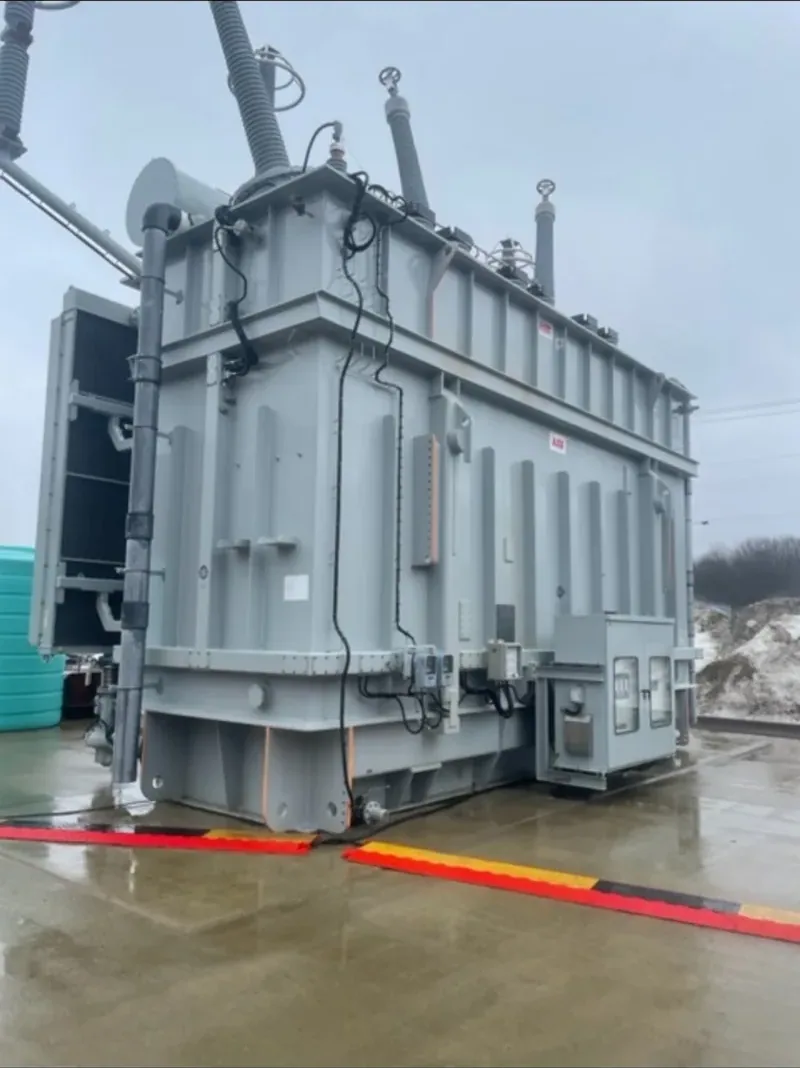
A working polemount transformer that passes electrical testing can be priced differently from a failed unit because it may have reuse value as equipment. Condition signals include intact bushings, no major tank damage, readable nameplate data, clean oil history, complete hardware, and no signs of overheating or internal fault pressure. If a seller already has test reports, maintenance records, or oil paperwork, those documents can help the evaluation. If not, clear photos and nameplate information are still a useful starting point.
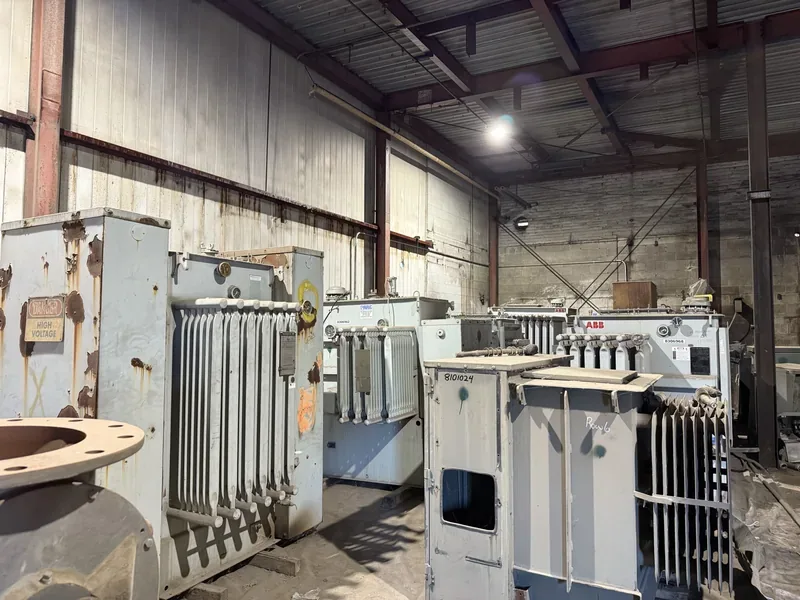
Failed polemount transformers are not worthless. A unit with blown fuses, internal winding damage, lightning damage, overheating, leakage, corrosion, or a missing component can still be worth real money because the copper or aluminium windings, laminated core steel, tank, and oil have recoverable value. Transformers Buyers regularly reviews both serviceable and non-serviceable units, so you do not need to sort everything into perfect categories before calling.
Logistics and payment
What Makes a Polemount Transformer Worth More
Several factors influence the offer. Larger kVA ratings generally contain more material and may have stronger equipment value if they are in a common configuration. Copper windings usually bring stronger recovery value than aluminium windings, though aluminium wound units are still purchased. A complete transformer with intact high-voltage bushings, low-voltage spades or terminals, a readable nameplate, undamaged tank, and no heavy oil loss is easier to price than a stripped or unknown unit.
Age and oil condition also matter. Older transformers may raise questions about fluid type, labeling, prior testing, and handling. A transformer that has been stored upright, capped, and protected from water intrusion is more attractive than one that has been sitting open to weather. That does not mean older or damaged units should be ignored. It means the offer reflects both reuse potential and material recovery, along with the cost to move the equipment safely and legally.
Detail
Nameplate Details and Photos Sellers Should Send
Good photos can speed up the offer process. The most useful image is a close, clear photo of the nameplate taken straight on with enough light to read the kVA, voltage, phase, serial number, manufacturer, fluid information, impedance, tap data, weight, and date if shown. A photo of the entire transformer is also helpful, especially if it shows bushings, tank shape, lifting lugs, mounting brackets, arresters, fuses, and any visible damage.
It is also useful to photograph the high-voltage side, low-voltage side, any leaks or dents, and the way the transformer is currently stored. If the unit is still on a pole, a site photo showing access for a bucket truck, crane, or line crew can help. If it is already on the ground, photos showing whether it is on pallets, skids, a trailer, gravel, concrete, or inside a fenced yard help us plan pickup and loading.
Also worth knowing
Removal, Rigging, and Freight for Polemount Transformers
Polemount transformers are compact compared with many substation units, but they are still heavy electrical equipment and must be handled correctly. Some sellers have already de-energized, disconnected, and removed the units, while others need a coordinated removal plan as part of a demolition, utility changeout, facility upgrade, or site cleanup. Transformers Buyers can discuss the condition of the site, loading access, pickup equipment, and whether special rigging is needed.
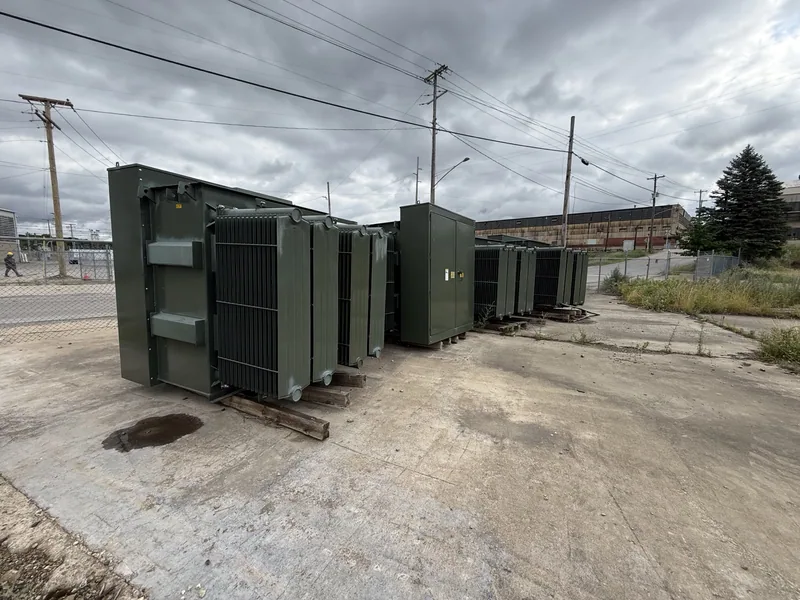
Freight planning depends on quantity, weight, location, and access. A few small units may move differently than a yard full of distribution cans or a bank of larger polemount transformers. We look at whether a forklift, crane, rollback, flatbed, or liftgate arrangement is appropriate and whether oil-filled units must remain upright during handling. The goal is a clean transaction where your business is paid and the equipment is removed without leaving the logistics burden on your staff.
Condition and testing
Who Sells Polemount Transformers to Transformers Buyers
Our sellers include utility contractors with takeouts from line work, electrical contractors clearing surplus inventory, plants replacing overhead service equipment, municipalities removing old infrastructure, farms and irrigation sites changing service, renewable energy contractors with surplus or damaged units, and recyclers that want a direct buyer for transformer assets. Some sellers have one transformer. Others have dozens from a yard cleanup, storm recovery, acquisition, or capital project.
The common need is simple: the equipment is in the way, has value, and needs a buyer that understands what it is. Transformers Buyers is set up to review individual polemount units and mixed lots that may include padmounts, dry type transformers, switchgear, breakers, cable, and other electrical equipment. If polemount transformers are part of a larger removal, tell us what else is included so we can evaluate the opportunity as a complete package.
Freight
How the Selling Process Works
The process usually starts with a call or email to Moses Johnson. Share the location of the equipment, the number of units, the approximate sizes, and whether the transformers are working, failed, removed, or still installed. Send nameplate photos and overall photos when available. If you do not know the exact details, we can still begin with what you have and ask focused questions that help identify value and logistics.
After reviewing the information, Transformers Buyers can provide a cash offer based on equipment condition, material recovery, marketability, quantity, location, and handling needs. Once terms are accepted, pickup is coordinated around site access and scheduling. The transaction is built around the seller’s goal: getting paid for unneeded polemount transformers while having the equipment removed by a buyer that understands electrical assets, oil-filled tanks, loading constraints, and freight.
Other transformers we buy
Common questions
Questions sellers ask
Do you buy polemount transformers that no longer work?
Yes. Failed polemount transformers can still have strong recovery value because of the copper or aluminium windings, core steel, tank, fittings, and oil. A unit with internal faults, damaged bushings, lightning damage, corrosion, or overheating may not be reusable as equipment, but it can still be purchased as a scrap or salvage transformer. Photos of the nameplate, tank condition, bushings, and any leaks help us evaluate the unit and plan pickup.
What information is needed to get a cash offer?
The best starting point is a clear nameplate photo showing kVA, voltage, phase, manufacturer, serial number, fluid information, and weight if listed. Also send photos of the whole transformer, both bushing areas, any visible damage, and the way it is stored or installed. Include the city and state, quantity of units, whether they are energized or removed, and whether loading equipment is available. With that information, Moses Johnson can review value and logistics.
Do you handle pickup and freight for polemount transformers?
Yes. Transformers Buyers can coordinate pickup, freight, and rigging based on the equipment and site conditions. Some units are already on the ground and only need loading. Others are part of a removal project where access, lifting, and scheduling matter. We look at whether a forklift, crane, rollback, flatbed, or other freight setup is appropriate. Oil-filled units are planned carefully so they can be handled upright and moved in a practical manner.
Are copper wound polemount transformers worth more than aluminium wound units?
Copper wound transformers often bring higher recovery value because copper is more valuable than aluminium. However, aluminium wound polemount transformers are still purchased and can be worth meaningful money, especially in larger kVA sizes or clean, complete condition. The offer also depends on whether the unit is working, failed, complete, leaking, marketable, or part of a larger lot. Nameplate details and overall condition help determine the right pricing approach.
Can you buy a single polemount transformer from a business?
Yes. A single polemount transformer can be reviewed, especially if the nameplate is readable and pickup access is reasonable. The final offer depends on the transformer’s size, condition, location, winding material, oil condition, and whether it has reuse or scrap value. If you have only one unit, send the same information requested for a larger lot: nameplate photo, overall photos, location, and a short description of how it can be loaded.
Do old polemount transformers still have value?
Old polemount transformers may still have value, but the evaluation is more careful. Age can affect marketability, oil handling, condition, and reuse potential. If the transformer is complete, upright, not stripped, and has a readable nameplate, it is easier to assess. Even when an old unit is not suitable for reuse, the windings, core steel, tank, and other materials can support a scrap-based offer. Photos and any available oil or service records are helpful.
Ready to move the unit?
If your business has polemount transformers to remove, do not let them sit in a yard or take up space after a service change, demolition, or utility project. Transformers Buyers purchases working, failed, surplus, and scrap units and can coordinate the freight and rigging needed to move them. Send photos and location details, or call owner Moses Johnson to discuss the equipment directly at 954-740-1983 and electricalequipmentbuyers@gmail.com