
Overview
This comprehensive glossary is designed to help facility managers, demolition contractors, and electrical professionals navigate the complex vocabulary associated with heavy electrical infrastructure. From identifying specific components like bushings and tap changers to understanding the difference between dry-type and oil-filled configurations, our reference entries provide clear, practical definitions. We explain not only what each term means but also why it matters to the secondary market value of your equipment. Whether you are dealing with padmount units from a commercial upgrade or massive substation transformers from a plant closure, speaking the same language as your buyer streamlines the entire process. Browse our glossary to familiarize yourself with industry terms, and when you are ready to monetize your surplus electrical assets, our team is prepared to provide a competitive cash offer and handle all the logistics nationwide.
Why sell to us
Understanding Core and Coil Assemblies
The core and coil assembly is the fundamental heart of any electrical transformer, responsible for the actual process of voltage conversion. The core is typically constructed from highly specialized, grain-oriented silicon steel laminations, designed to provide a low-reluctance path for the magnetic flux generated during operation. The coils, or windings, are wrapped around this steel core and are usually made of either copper or aluminum. The interaction between the primary and secondary windings across the magnetic core is what allows the transformer to step up or step down voltage levels.
In the context of the secondary market, the core and coil assembly represents the bulk of a transformer's intrinsic material value, especially for units that have failed or are obsolete. Buyers carefully evaluate the composition of the windings, as copper commands a significantly higher market price than aluminum. The sheer weight of the specialized core steel also contributes heavily to the overall scrap value. When a transformer is decommissioned, understanding the makeup of its core and coil assembly is crucial for estimating its worth.
Sellers can often identify the winding material by examining the transformer's nameplate, which typically indicates whether the unit utilizes copper (Cu) or aluminum (Al) conductors. In cases where the nameplate is illegible or missing, buyers may need to inspect the internal assembly directly. Recognizing the importance of these internal components helps sellers understand why even a completely non-functional transformer can still result in a substantial cash offer based on its raw material content.
What we buy
Decoding Transformer Nameplates
The nameplate is a durable metal tag affixed to the exterior of a transformer, serving as its official identification and specification document. It contains critical engineering data required for the safe operation, maintenance, and eventual sale of the equipment. Key information found on a standard nameplate includes the manufacturer, serial number, kVA (kilovolt-ampere) rating, primary and secondary voltage classes, impedance percentage, phase configuration, and the total weight of the unit. It also specifies the type and volume of insulating fluid if the transformer is oil-filled.
For anyone looking to sell surplus electrical equipment, the nameplate is the most important piece of information you can provide to a buyer. It allows the buyer to instantly determine the transformer's capacity, application, and potential resale value as a working unit. Even if the transformer is destined for scrap, the nameplate provides the exact weight and material specifications needed to calculate an accurate offer based on current commodity prices.
We always advise sellers to take clear, legible photographs of the nameplates on all their surplus units. This simple step eliminates guesswork and accelerates the valuation process. A missing or severely damaged nameplate can complicate the assessment, as it forces the buyer to rely on physical measurements and internal inspections to determine the unit's specifications. Understanding how to read and relay nameplate data is a vital skill for efficient asset disposition.
Glossary
Every term
kVA
When you see kVA on a transformer nameplate, you are looking at the unit’s capacity to…
Nameplate
Every industrial electrical transformer carries a stamped metal tag that serves as its…
Primary voltage
The primary voltage of a transformer is the foundational specification that dictates…
Secondary voltage
When you are looking to sell a used, surplus, or scrap electrical transformer,…
Padmount transformer
A padmount transformer is a ground-level, tamper-resistant distribution transformer…
Polemount transformer
A polemount transformer is a critical component of electrical distribution systems,…
Substation transformer
A substation transformer is a massive, high-capacity piece of electrical equipment that…
Dry-type transformer
A dry-type transformer is a specialized electrical device that alters voltage levels…
Oil-filled transformer
Oil-filled transformers are the backbone of electrical distribution and transmission…
Unit substation
A unit substation is a comprehensive electrical assembly designed to step down high…
Step-up and step-down
Step-up and step-down describe the functional relationship between a transformer's…
Single-phase vs three-phase
In the world of electrical power distribution, transformers are broadly categorized by…
Winding material
When evaluating surplus or scrap electrical transformers, one of the most critical…
Impedance
In the realm of electrical power distribution, transformer impedance is a fundamental…
Bushing
A transformer bushing is a critical insulating structure that facilitates the passage…
Dead-front
A dead-front transformer design fundamentally alters how high-voltage connections are…
Loop feed
When dealing with surplus electrical equipment, understanding the specifics of a…
Tap changer
A tap changer is a critical mechanical and electrical component built into a…
PCB
Polychlorinated biphenyls, commonly known as PCBs, are a class of synthetic organic…
Non-PCB certification
Non-PCB-certification is a practical designation that sellers and buyers use when…
FR3 natural ester fluid
When evaluating surplus or decommissioned electrical equipment, the type of insulating…
Scrap value
When an electrical transformer reaches the end of its operational life, suffers a…
Remanufactured transformer
A remanufactured transformer is not simply a repaired piece of equipment; it is a…
Chain of custody
Chain-of-custody is a straightforward concept with complex implications for anyone…
Demand and lead time
kVA-demand-lead-time is a compact term that ties together three separate but…
How it works
Insulating Fluids and Oil-Filled Transformers
Oil-filled transformers utilize specialized dielectric fluids to provide both electrical insulation and thermal cooling for the internal core and coil assembly. These fluids circulate within the transformer tank, absorbing the immense heat generated during voltage conversion and dissipating it through exterior cooling fins or radiators. The most common insulating fluid is highly refined mineral oil, though some modern or specialized units may use silicone-based fluids or natural ester oils designed for higher fire safety and environmental biodegradability.
The condition and type of insulating fluid are significant factors when evaluating used transformers. For units intended to be resold as working equipment, the oil must be tested for dielectric strength, moisture content, and dissolved gases to ensure the internal components have not degraded. In the case of scrap transformers, the oil must be safely drained, transported, and recycled in accordance with strict environmental regulations. The volume of oil, often hundreds or thousands of gallons in large substation units, presents a substantial logistical consideration during removal.
Historically, some older transformers utilized fluids containing Polychlorinated Biphenyls (PCBs), a hazardous substance that requires highly specialized handling and disposal protocols. While the manufacture of PCB-containing equipment was banned decades ago, these units are still occasionally encountered during the decommissioning of older industrial facilities. A professional buyer understands how to identify, test, and manage all types of transformer fluids, ensuring that the removal process is both safe and fully compliant with environmental laws.
Logistics and payment
Dry-Type Transformers and Indoor Applications
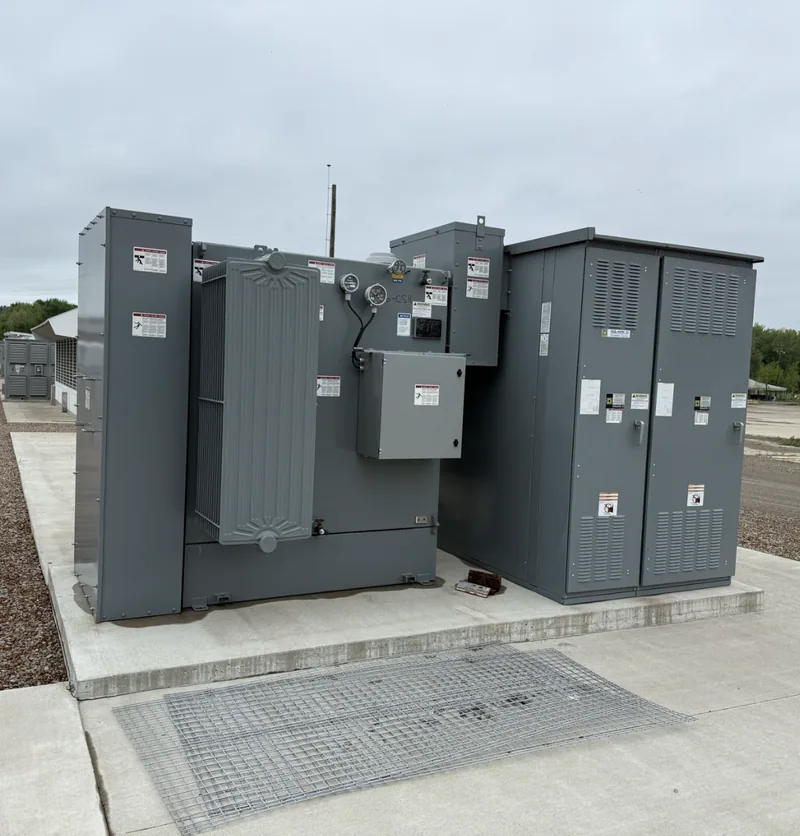
Unlike their oil-filled counterparts, dry-type transformers do not rely on liquid fluids for cooling or insulation. Instead, they utilize ambient air circulation and specialized solid insulation materials, such as cast resin or vacuum-pressure impregnated (VPI) varnishes, to manage heat and prevent electrical arcing. Because they eliminate the risk of oil leaks and pool fires, dry-type transformers are the standard choice for indoor installations, including commercial office buildings, hospitals, schools, and underground vaults.
When evaluating surplus dry-type transformers, buyers look closely at the condition of the solid insulation and the integrity of the enclosure. These units are often housed in ventilated metal cabinets that protect the internal components from dust and moisture. While they are generally lighter than oil-filled units of the same kVA rating, large industrial dry-type transformers still require significant rigging expertise to remove safely from tight indoor spaces or elevated electrical rooms.
The material value of a dry-type transformer is concentrated almost entirely in its core steel and winding metals. Because there is no oil to drain or process, the recycling workflow for failed dry-type units is somewhat more straightforward. However, identifying whether the windings are copper or aluminum remains the critical factor in determining their scrap value. Our glossary helps sellers distinguish between the various classifications of dry-type equipment to better understand their market potential.
Detail
Bushings, Terminals, and External Connections
Bushings are critical external components that allow high-voltage electrical conductors to pass safely through the grounded metal tank of a transformer without causing a short circuit. They are typically constructed from porcelain or specialized polymer materials, featuring a ribbed design that increases the surface creepage distance to prevent electrical tracking in wet or dirty environments. The terminals at the ends of the bushings provide the connection points for the incoming and outgoing power lines.
The physical condition of the bushings is a key inspection point for buyers assessing used transformers. Cracked, chipped, or heavily contaminated porcelain can compromise the dielectric integrity of the unit, rendering it unsafe for immediate reuse. While damaged bushings can often be replaced, the cost of these specialized components is factored into the overall valuation of the equipment. For sellers, ensuring that bushings are protected from physical impact during the decommissioning and removal process helps preserve the value of working units.
In addition to the main high-voltage and low-voltage bushings, transformers may feature various other external connections, such as grounding pads and control wiring terminals for cooling fans or monitoring sensors. Understanding the function of these external components allows sellers to provide more accurate descriptions of their equipment's condition. A transformer with intact, well-maintained external connections is always more attractive to buyers seeking units for refurbishment and resale.
Also worth knowing
Tap Changers and Voltage Regulation
A tap changer is a mechanical device integrated into many transformers that allows for the adjustment of the output voltage. By altering the number of active turns in the transformer's windings, the tap changer can compensate for fluctuations in the incoming supply voltage, ensuring a stable and consistent power delivery to the connected load. There are two primary types of tap changers: De-Energized Tap Changers (DETC), which require the transformer to be completely powered down before adjustments are made, and On-Load Tap Changers (OLTC), which can adjust the voltage while the transformer remains energized and under load.
The presence and condition of a tap changer significantly influence a transformer's value and complexity. OLTCs, in particular, are intricate mechanical systems that require regular maintenance and specialized insulating oil compartments separate from the main transformer tank. When evaluating a surplus unit equipped with an OLTC, buyers must assess the wear on the internal contacts and the operational integrity of the motor drive mechanism. A fully functional OLTC adds considerable value to a working transformer.
For sellers, identifying whether a unit features a tap changer, and specifying which type, is important information to include when requesting an offer. Even in scrap scenarios, the heavy copper contacts and additional mechanical components within a tap changer add to the overall material weight and value of the unit. Our glossary entries clarify these mechanisms, helping you understand the sophisticated engineering housed within your heavy electrical assets.
Condition and testing
Padmount vs. Polemount Configurations
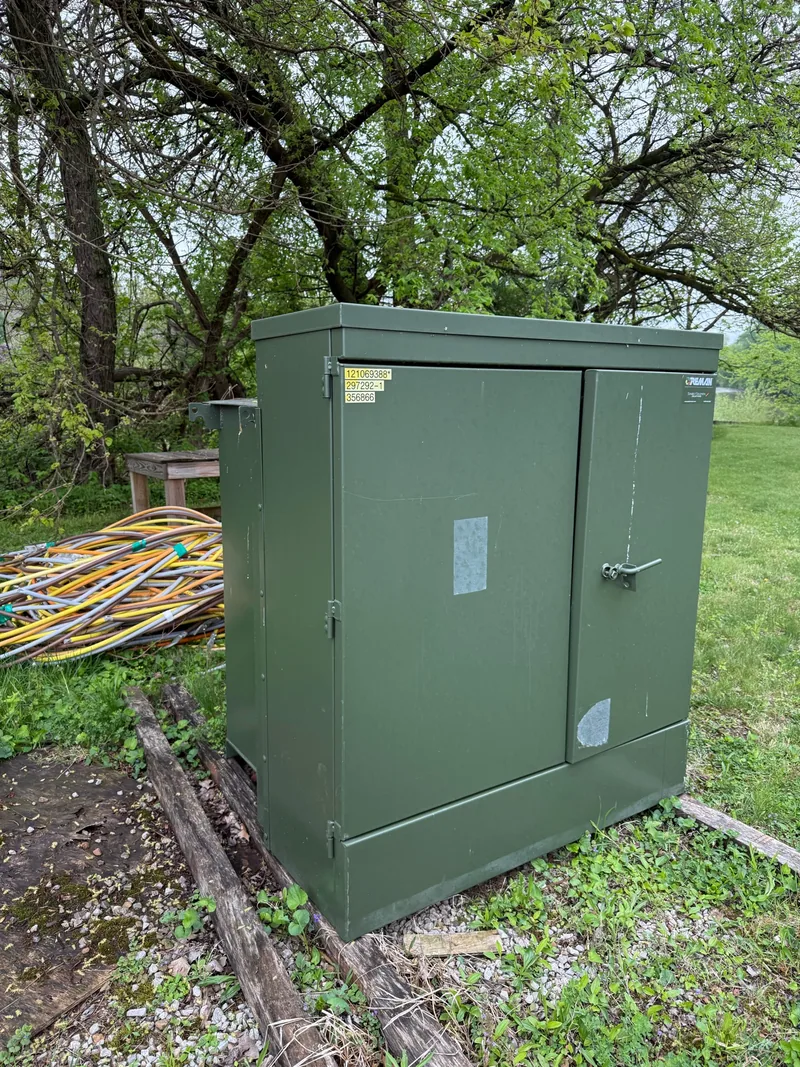
The physical configuration and mounting style of a transformer dictate how it is installed and integrated into an electrical distribution system. Padmount transformers are designed to sit on concrete pads at ground level. They are enclosed in secure, tamper-resistant metal cabinets, making them suitable for public areas, residential neighborhoods, and commercial properties where underground power lines are utilized. Their enclosed design protects the internal components from the elements and prevents unauthorized access to high-voltage connections.
Polemount transformers, as the name suggests, are cylindrical units designed to be hoisted and secured to wooden or concrete utility poles. They are the backbone of overhead electrical distribution networks, stepping down high voltage from the power lines to the lower voltages required by homes and small businesses. Because they are exposed to the weather, polemount units feature robust, weather-resistant tanks and prominent external bushings for the overhead line connections.
Understanding the difference between these configurations is essential for planning the logistics of their removal. Padmount units typically require a crane or a heavy-duty forklift for extraction, while polemount units must be carefully lowered from their elevated positions using specialized utility bucket trucks or boom cranes. Buyers evaluate these units differently based on their typical applications and the specific logistical challenges associated with retrieving them from the field.
Freight
Substation Transformers and Switchgear
Substation transformers are the massive, high-capacity units that form the critical nodes of the electrical grid and large industrial power systems. They are responsible for stepping down the extremely high transmission voltages from power plants to the sub-transmission or distribution voltages used by local networks. These units are physically enormous, often weighing hundreds of thousands of pounds, and feature extensive external cooling systems, such as large radiator banks and forced-air fans.
Adjacent to these massive transformers, substations also house switchgear—the complex assemblies of circuit breakers, disconnect switches, and protective relays used to control, protect, and isolate electrical equipment. Switchgear is essential for managing the flow of power and ensuring the safety of the entire electrical system during faults or maintenance operations. When an industrial facility or utility upgrades a substation, both the transformers and the associated switchgear are often decommissioned simultaneously.
The valuation and removal of substation equipment represent the most complex transactions in the secondary electrical market. The sheer scale of the assets requires extensive logistical planning, including heavy-haul freight permits, specialized multi-axle trailers, and highly coordinated rigging operations. Buyers who specialize in this tier of equipment possess the financial capacity to make substantial cash offers and the operational expertise to execute these massive removals safely across all fifty states.
Common questions
Questions sellers ask
What is the purpose of the Transformers Buyers glossary?
Our glossary is designed to help sellers understand the technical terminology used in the electrical equipment industry. By providing clear definitions of transformer components, configurations, and valuation factors, we aim to make the selling process more transparent. Understanding these terms helps you accurately describe your surplus equipment, ensuring you receive the most accurate and competitive cash offer possible.
Why is the transformer nameplate so important when selling?
The nameplate contains all the critical engineering specifications of the transformer, including its kVA rating, voltage classes, weight, and winding material. This information is essential for a buyer to determine the unit's value, whether it is being assessed as functional equipment or for its raw material scrap value. Providing a clear photo of the nameplate is the fastest way to get an accurate evaluation.
Does the type of winding material affect the value of a scrap transformer?
Yes, the winding material is a major factor in determining the value of a failed or scrap transformer. Transformers are typically wound with either copper or aluminum. Because copper is a significantly more valuable commodity on the recycling market, a copper-wound transformer will command a much higher cash offer than an aluminum-wound unit of the same size and weight.
What is the difference between a dry-type and an oil-filled transformer?
Oil-filled transformers use specialized dielectric fluid to cool and insulate the internal components, making them ideal for high-capacity and outdoor applications. Dry-type transformers use ambient air and solid insulation instead of liquid, eliminating the risk of oil leaks and fire hazards. This makes dry-type units the standard choice for indoor installations in commercial buildings and hospitals.
How do I know if my transformer has a tap changer?
A tap changer is a mechanism used to adjust the output voltage of the transformer. You can often identify its presence by looking at the nameplate, which will list the available voltage taps. Additionally, On-Load Tap Changers (OLTC) usually have a visible external motor drive mechanism and a separate oil compartment attached to the main transformer tank.
Do you buy all the types of equipment listed in this glossary?
Yes, we purchase a wide variety of electrical equipment, including padmount, polemount, substation, and dry-type transformers, as well as industrial switchgear. Whether your equipment is in perfect working condition or has completely failed, we are interested in evaluating it. We provide cash offers and handle the freight and rigging for removals nationwide.
Ready to move the unit?
Thank you for utilizing the Transformers Buyers glossary. We hope this resource has clarified the technical terminology surrounding heavy electrical equipment and helped you better understand the assets you manage. Accurately identifying your equipment's components and specifications is the first step toward a successful and profitable disposition. Whether you are clearing out obsolete dry-type units from a commercial renovation or decommissioning massive oil-filled substation transformers, our team has the expertise to evaluate your inventory accurately. We handle all the heavy lifting, from specialized rigging to nationwide freight logistics. When you are ready to sell your used, surplus, or scrap transformers, please call or email us. Contact us today at 954-740-1983 or electricalequipmentbuyers@gmail.com to receive a competitive cash offer for your equipment.