
Overview
This guide will walk you through the key aspects of transformer oil and PCB testing, explaining the procedures, reasons, and what sellers can expect. Whether you have working units, failed units, or scrap transformers, knowing about these tests can help you prepare your equipment before selling. From sampling oil to identifying PCBs, each step plays a role in the sale process. We'll also cover common questions to clarify any uncertainties you may have. Our goal is to make the process transparent, practical, and stress-free for you.
Why sell to us
Understanding Transformer Oil and Its Importance
Transformer oil acts as both an insulator and a coolant within oil-filled transformers. Its condition directly affects the reliability and longevity of the equipment. Over time, oil can degrade due to heat, moisture, and contaminants, which may lead to insulation failure or reduced performance. Testing transformer oil helps determine its dielectric strength, moisture content, acidity, and presence of dissolved gases. These factors give a clear picture of the transformer's internal health. As a seller, knowing the oil’s condition can influence the price you receive, especially if the oil is still in good shape or if contamination or degradation has occurred. Understanding these basics helps you communicate effectively with buyers and expedites the sale.
What we buy
What is PCB and Why Testing Matters
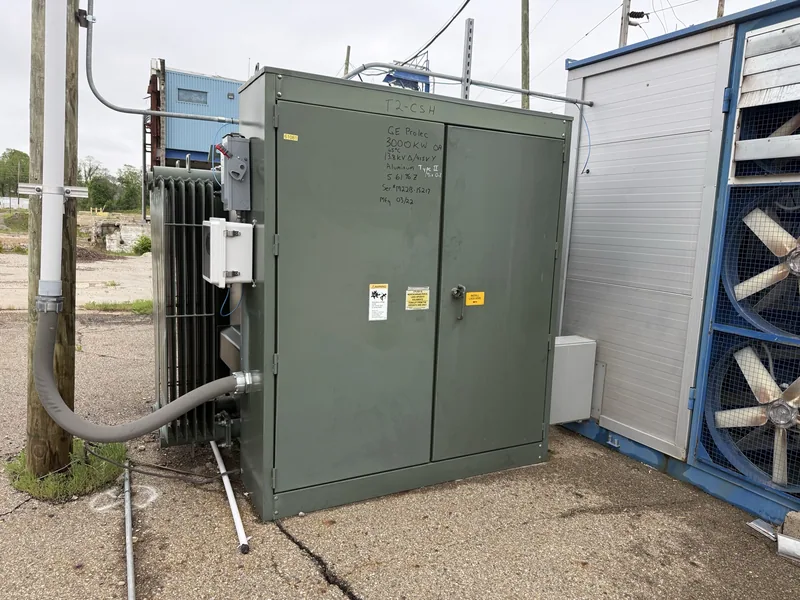
Polychlorinated biphenyls, or PCBs, are chemical compounds that were once commonly used in transformer oils because of their stability and insulating properties. However, PCBs are now known to be hazardous to health and the environment, leading to strict regulations on their handling and disposal. Testing for PCBs in transformer oil is essential because it determines whether the oil contains these harmful substances. If PCBs are detected, the transformer must be handled and disposed of according to specific legal requirements, which may affect the logistics and cost of removal. For sellers, having PCB testing results available upfront removes uncertainty and speeds up the buyer’s decision-making process.
How it works
Step-by-Step Guide to Transformer Oil Testing
The oil testing process starts with collecting a representative sample from the transformer. This is usually done by trained personnel using clean, sealed containers to avoid contamination. The sample is then sent to a certified laboratory where a series of tests are performed. These typically include dielectric breakdown voltage, moisture level, dissolved gas analysis, acidity (neutralization number), and interfacial tension. Each of these measures reveals different aspects of oil quality and transformer condition. For example, dissolved gas analysis can detect early signs of overheating or arcing inside the transformer. As a seller, you can arrange for testing through specialized service providers, and the results will help you present your equipment more transparently.
Logistics and payment
How PCB Testing is Conducted
PCB testing usually involves taking an oil sample similar to the oil testing process. The sample is then analyzed using methods such as gas chromatography or enzyme-linked immunosorbent assay (ELISA) to detect and quantify PCB levels. Laboratories report whether PCBs are absent, present below regulatory thresholds, or above limits that require special handling. Since regulations vary by state and country, having official PCB test results ensures compliance with environmental laws and avoids costly delays or fines. For sellers, presenting a clear PCB status can make your transformers more attractive to buyers who need to plan for safe transport and disposal.
Detail
Interpreting Testing Results and What They Mean for Sellers
Once you receive the oil and PCB testing reports, it’s important to understand what the results imply. High dielectric strength and low moisture indicate good oil quality, which supports a higher valuation for working transformers. Conversely, high moisture, acidity, or gas levels may suggest that the oil needs replacing or that the transformer has internal damage. If PCBs are detected above regulated thresholds, the equipment may be classified as hazardous waste, impacting its resale value and requiring special handling. Even failed transformers or those with contaminated oil have value for their copper, steel, and other components. Sharing testing results upfront with buyers helps set realistic expectations and speeds up the sale process.
Also worth knowing
Preparing Transformers for Pickup After Testing
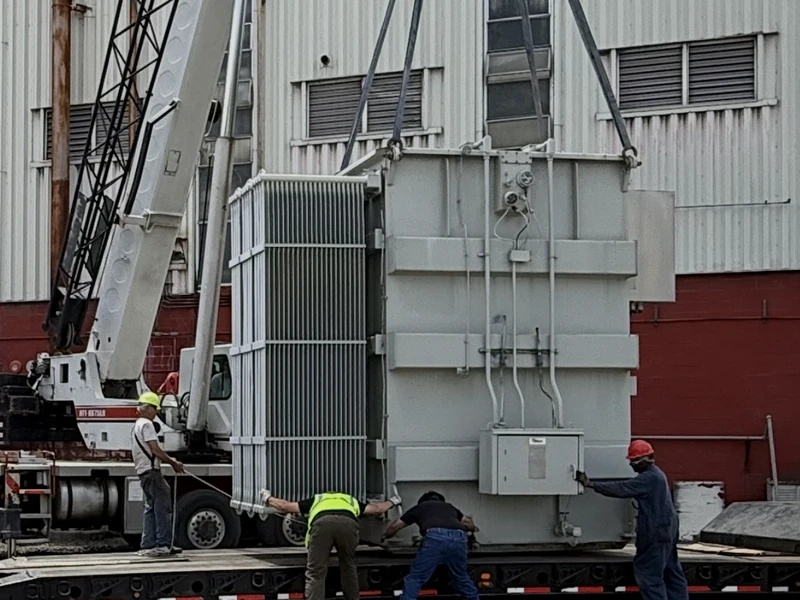
After testing, preparing your transformers for pickup involves proper labeling, documentation, and ensuring safety. Clearly mark transformers with PCB status and attach testing reports if possible. This transparency facilitates compliance and helps freight and rigging crews handle the equipment safely. Depending on the condition, you may need to drain oil or secure covers to prevent leaks during transport. Our company handles all freight and rigging logistics nationwide, but clear communication about the equipment’s condition and test results supports smooth scheduling and pickup. Being organized and informed can shorten turnaround times and help you receive your cash offer promptly.
Condition and testing
Why Working with Experienced Buyers Matters
Selling transformers with detailed oil and PCB testing is best done through buyers who understand the complexities of electrical equipment and environmental regulations. Experienced buyers evaluate your testing data accurately and offer fair cash prices reflecting the true condition of your transformers. They also coordinate logistics such as freight, rigging, and proper disposal when necessary. Partnering with a knowledgeable buyer reduces your workload, ensures compliance, and maximizes your return. Our company specializes in buying used, surplus, and scrap transformers nationwide, paying cash and picking up equipment from your location. We handle all the technical and logistical details so you can focus on your core business.
Common questions
Questions sellers ask
Why is transformer oil testing necessary before selling?
Transformer oil testing reveals the condition of the insulating and cooling oil inside the transformer. It helps identify issues like moisture, contaminants, or gas buildup that affect performance and safety. Testing ensures buyers understand the equipment’s state, influencing their offer and facilitating compliance with safety standards.
How long does PCB testing take for transformer oil?
PCB testing typically takes a few days once the oil sample reaches the laboratory. The exact turnaround depends on the testing method and lab workload. Prompt testing and sharing results with buyers can speed up the sale process and avoid delays related to regulatory concerns.
Can I sell transformers with PCB-contaminated oil?
Yes, you can sell transformers with PCB-contaminated oil, but they must be handled according to strict environmental regulations. Proper testing and documentation are required, and buyers will factor in the additional costs and logistics when making cash offers. Transparency upfront helps avoid complications.
Do I have to test transformer oil before selling to your company?
Testing is not always mandatory before selling, but providing oil and PCB testing results helps us evaluate your equipment more accurately and make competitive cash offers. If testing hasn’t been done, we can discuss options to facilitate the process or adjust pricing accordingly.
What happens if the oil fails the dielectric breakdown test?
If the oil fails dielectric breakdown testing, it indicates poor insulating properties, which impacts transformer reliability. While this lowers the value for working equipment, such transformers still have scrap value for copper, steel, and oil recovery. We consider all conditions in our offers.
How do dissolved gas analysis results affect transformer value?
Dissolved gas analysis detects gases generated by overheating, arcing, or insulation breakdown inside transformers. Abnormal gas levels suggest internal faults that reduce operational value. Buyers use these results to assess risk and adjust cash offers accordingly.
Ready to move the unit?
Understanding transformer oil and PCB testing empowers you to maximize the value of your equipment and streamline the selling process. Whether your transformers are operational, failed, or scrap, having detailed test results helps us provide fair cash offers and arrange hassle-free pickup anywhere in the country. Contact Moses Johnson today at 954-740-1983 or email electricalequipmentbuyers@gmail.com to get started with your transformer sale.