
Overview
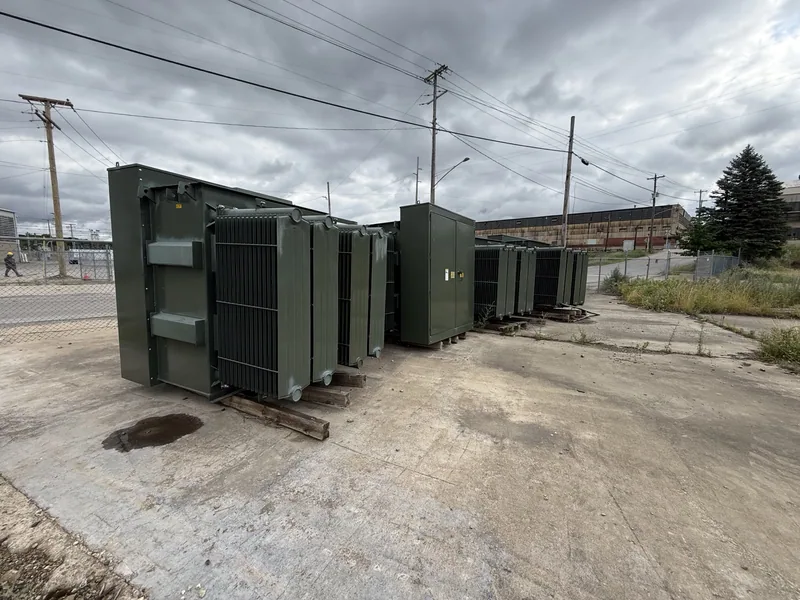
Unlike kW, which measures real power, kVA is independent of power factor and sets the thermal and electrical limits a transformer can carry continuously. Understanding kVA helps you estimate both working value and scrap value, because kVA usually scales with copper or aluminum windings, core steel, and overall build. If you are preparing to sell a transformer after a service upgrade, demolition, substation rebuild, or plant closure, knowing the kVA rating gets you a faster, firmer cash offer. Transformers Buyers purchases working, failed, and scrap units nationwide, handles rigging and freight, and prices fairly based on kVA, configuration, and condition. This glossary page breaks down what kVA means, where to find it, how it affects value, and what sellers should send to speed up the process.
Why sell to us
What kVA Actually Measures
kVA, short for kilovolt-amps, is a measure of apparent power. In an AC circuit, current and voltage can be out of phase because of inductance and capacitance. Real power in kilowatts does useful work, while reactive power supports the magnetic fields. Apparent power combines them and sets the thermal load the transformer’s windings and core can carry without overheating over time.
On a transformer, kVA is a nameplate capacity at a specified frequency, typically 60 Hz in the United States. It is not a promise of how many kilowatts a system will deliver under every load; it is the continuous rating the equipment can handle regardless of what the eventual power factor downstream might be. In practice, kVA defines conductor sizes, core cross-sections, and insulation classes that determine size, weight, and cost.
What we buy
Why kVA Matters to the Value of a Transformer
For working transformers that pass electrical testing, higher kVA ratings often correlate to higher equipment value, because larger units serve more load and cost more to replace. Buyers consider kVA along with voltage, phase, impedance, cooling class, taps, and application. A common outcome is that well-matched, recent, and testable units are priced as equipment rather than by the pound.
For failed or scrap units, kVA still matters. Larger kVA commonly means more copper or aluminum in the windings and more silicon steel in the core. That material content influences scrap returns. It isn’t perfectly linear because designs vary, aluminum may replace copper, and accessories add weight. Even so, a nameplate kVA is the fastest shorthand for scale, helping a buyer estimate rigging, trucking, and recovery.
How it works
Where to Find the kVA on Your Equipment
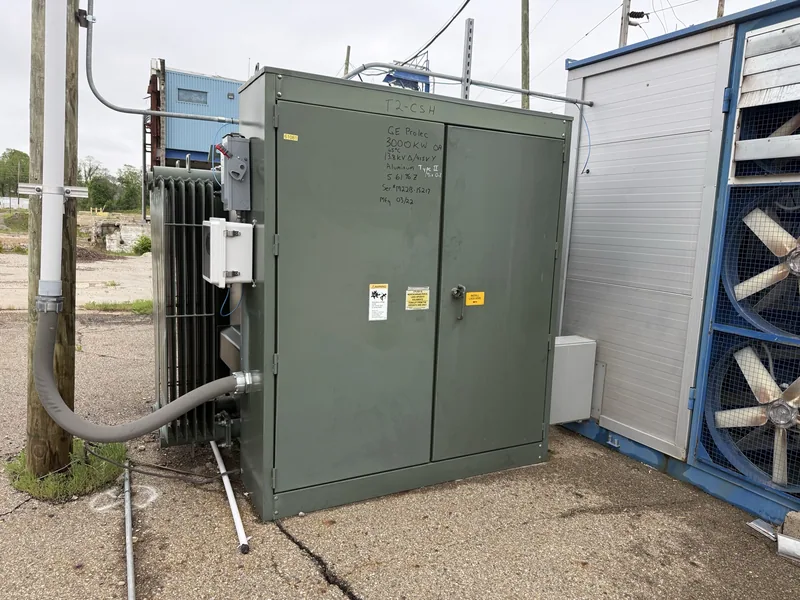
Start with the nameplate. It will typically show kVA or MVA, primary and secondary voltages, phase, impedance, serial, and cooling class. On padmount transformers, the nameplate is usually behind a cabinet door or on an inner panel. On polemounts, it is riveted to the tank or stenciled; large numbers painted on the can often indicate kVA. Dry-type units carry a plate on the side of the coil enclosure or top frame. Substation and power transformers display the rating on a tank-mounted stainless or aluminum plate.
If you see MVA, just convert to kVA by multiplying by 1,000. If the unit is a three-phase bank made from single-phase cans, the total three-phase kVA equals the sum of the individual units when they are equally rated. If the nameplate is missing, photos of bushings, leads, coil stack, and enclosure, plus any utility stencils or model numbers, help a buyer estimate kVA credibly.
Logistics and payment
Voltage, Phase, and Current: How kVA Sets Amps
kVA pairs with voltage to determine current. On single-phase equipment, current in amps is approximately kVA × 1,000 divided by volts. On three-phase equipment, current is approximately kVA × 1,000 divided by the square root of 3 times volts line-to-line. These relationships guide conductor sizing and protective devices and help you sanity-check that a unit is appropriate for a given load.
A few examples make it concrete. A 1500 kVA, 4160 V three-phase primary has a full-load primary current around 208 amps. A 75 kVA, 208Y/120 V secondary delivers roughly 208 amps per phase at 208 V line-to-line. A single-phase 25 kVA, 7200 V primary draws a bit under 4 amps at full load. These back-of-the-envelope numbers help a seller or dismantling crew confirm what they have before sending photos and data for an offer.
Detail
Cooling Class and Multiple kVA Ratings
Transformer nameplates often show cooling classes such as OA, FA, or FOA on oil-filled units, and AA or FA on dry-type. These codes indicate natural air or oil cooling, and whether fans or pumps are used. Some designs carry dual or triple ratings, where the kVA increases when fans are energized. For example, a unit may be rated at a base kVA naturally cooled, with a higher kVA when forced-air cooling is engaged.
This matters for pricing and logistics. For working units, the higher forced-air rating can add value if the fans and controls are intact. For scrap, additional radiators, fans, and piping add weight and materials that affect recovery and rigging needs. When you share the nameplate photo, make sure any multi-rating information is legible so a buyer can price the correct capacity tier.
Also worth knowing
Common Misconceptions About kVA
A frequent mix-up is thinking kVA equals kW. They are not the same unless the power factor is 1.0. kVA is the transformer’s capacity regardless of load power factor, while kW is the real work being delivered. Another misconception is that voltage alone defines size. A 15 kV-class unit might be 25 kVA or 10,000 kVA; voltage class is only one dimension.
Taps are also misunderstood. Changing taps adjusts the turns ratio to fine-tune output voltage, but it does not change the nameplate kVA. Weight is not a perfect proxy either. Accessories, oil volume, aluminum versus copper windings, tank thickness, and radiators can skew weight. The nameplate kVA remains the most reliable quick indicator of scale and capability.
Condition and testing
Real-World Ranges by Transformer Type
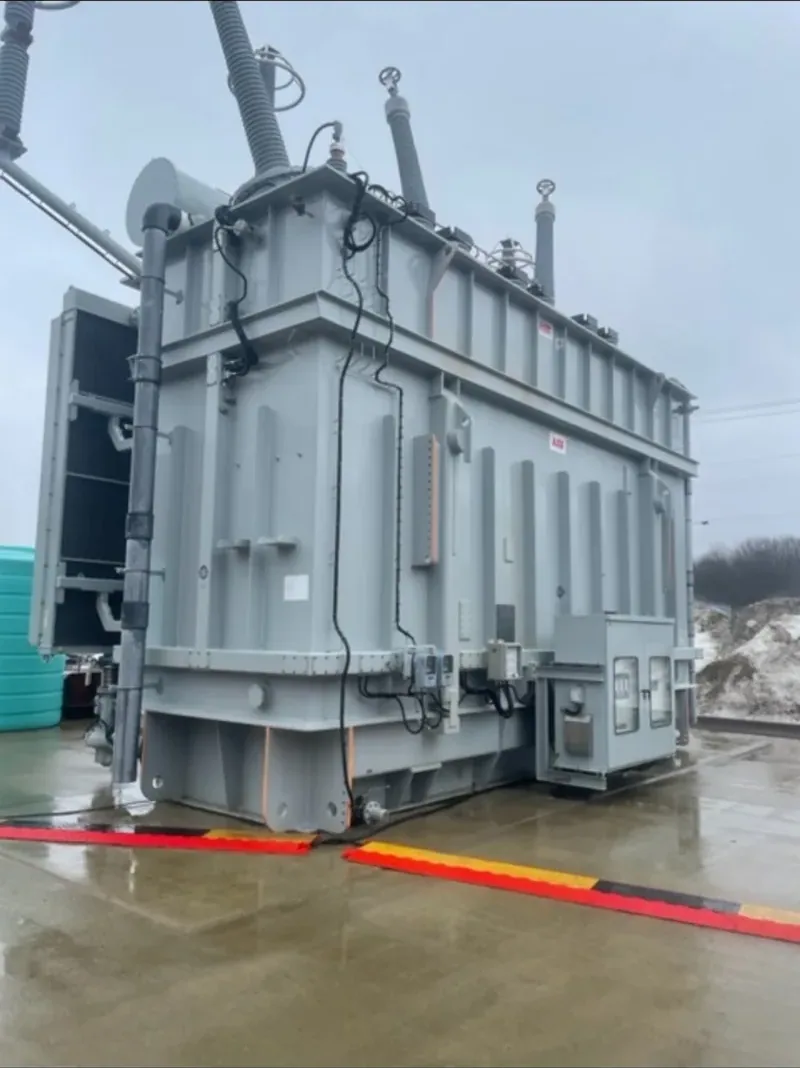
Polemount distribution transformers frequently range from 10 to 100 kVA on single-phase circuits, though there are larger and smaller units. Padmount commercial and industrial units often span from a few hundred kVA into the thousands, serving buildings, campuses, and feeders. Substation and power transformers push into the multi-MVA class and are priced with more engineering detail because of impedance, LTCs, and cooling stages.
Dry-type units used inside buildings commonly sit in the 75 to 2000 kVA range, stepping 480 V to 208Y/120 V for panels and equipment. Control and machine transformers may be fractional to a few kVA but are still worth discussing when bundled with larger lots. These directional ranges are meant to help you orient quickly; the nameplate on your specific unit remains the reference for capacity.
Freight
What to Send for a Fast Cash Offer
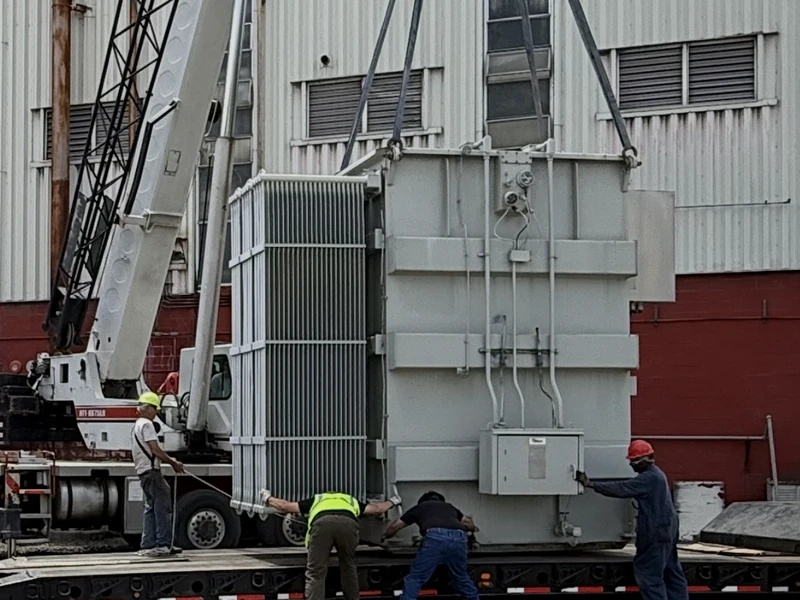
Clear photos of the nameplate, all sides of the unit, bushings or terminal compartments, and the inside of the cabinet speed pricing. Include shots of radiators, fans, or accessories, and note the site conditions such as indoor or outdoor placement, pad or skid, overhead obstructions, and distance to truck access. If you have test reports or oil condition notes, those are helpful for working units.
Share the kVA, voltages, phase, and any multi-rating details exactly as shown. For banks of single-phase transformers, list each can’s kVA and connection if known. Tell us the pickup location, whether a crane or forklift is available, and your timing. We buy nationwide in all 50 states, provide rigging and freight, and pay promptly. The more accurate the kVA and nameplate data, the faster we can firm up a cash offer.
Common questions
Questions sellers ask
Is kVA the same as kW on a transformer?
No. kVA is apparent power, while kW is real power. In AC systems, current and voltage can be out of phase because loads have inductance and capacitance. That phase difference creates reactive power that does not perform work but still loads the transformer. The nameplate kVA sets the thermal and electrical capacity independent of power factor. If the load’s power factor is below 1.0, the kW you can deliver at the kVA limit is reduced. Always size by kVA for the transformer and by kW for the load.
My nameplate is missing. How can I estimate the kVA?
Start with any stencils or markings; many utilities stencil kVA on polemounts. Note the voltage class from bushing configuration or cabinet labels. Measure core and coil dimensions on dry-type units and tank size on oil-filled units, and photograph bushings, radiators, and leads. Heavier conductors usually indicate higher kVA. If serials or model numbers are present, the manufacturer can sometimes decode the rating. Share clear photos and dimensions when you call or email. A buyer can triangulate a reasonable kVA range from these clues.
How do I calculate total kVA for a three-phase bank of single-phase cans?
If the bank is configured properly (for example delta-delta or wye-wye) with three equal single-phase transformers, the total three-phase kVA is the sum of the individual kVA ratings. Three 50 kVA cans make a 150 kVA three-phase bank. If the cans are not equal, add their kVA to get the bank total, but be aware that the smallest unit can limit usable capacity depending on the connection. Provide photos of the connection and each nameplate so a buyer can confirm the practical bank rating.
Do tap settings change the kVA rating of my transformer?
No. Tap changers adjust the turns ratio to fine-tune output voltage, compensating for feeder length or seasonal variations, but they do not change the nameplate kVA. The transformer’s kVA is governed by thermal limits of the windings and core, as well as insulation and cooling. Whether you are on a plus or minus tap, the capacity stays the same. When selling, include the tap range and whether the unit has no-load taps or a load tap changer, since that affects application and equipment value, not the kVA capacity.
My transformer failed. Does its kVA still matter for pricing?
Yes. The nameplate kVA still indicates scale, which correlates to copper or aluminum windings and core steel mass. That helps estimate scrap value and rigging needs even if the unit is electrically failed. Condition, winding metal, oil volume, and accessories also affect price. For a cash offer, share the nameplate kVA, the winding material if known, any failure notes, and photos of the tank or coil stack. Buyers consider all those factors when valuing failed transformers for recovery and responsible removal.
What if my nameplate shows multiple kVA ratings with fans?
Many oil-filled and dry-type units list a base kVA at natural cooling and a higher kVA with forced-air or forced-oil cooling. When selling, share the full cooling code and which accessories are present and functional. Working buyers look at the highest nameplate rating that the installed cooling system supports. If fans or controls are missing, the practical rating reverts to the base. For scrap, those extras can add weight and material recovery. Clear photos of the plate and fan assemblies help price it accurately.
Ready to move the unit?
If you are clearing a jobsite, upgrading service, or liquidating surplus, the kVA on your nameplate is the fastest way to get a real number. Send photos of the plate and exterior, tell us the location and timing, and we will come back with a competitive cash offer, pickup, and rigging. We buy working, failed, and scrap transformers nationwide. Talk to Moses Johnson for straight answers and smooth logistics. Call 954-740-1983 and electricalequipmentbuyers@gmail.com