
Overview
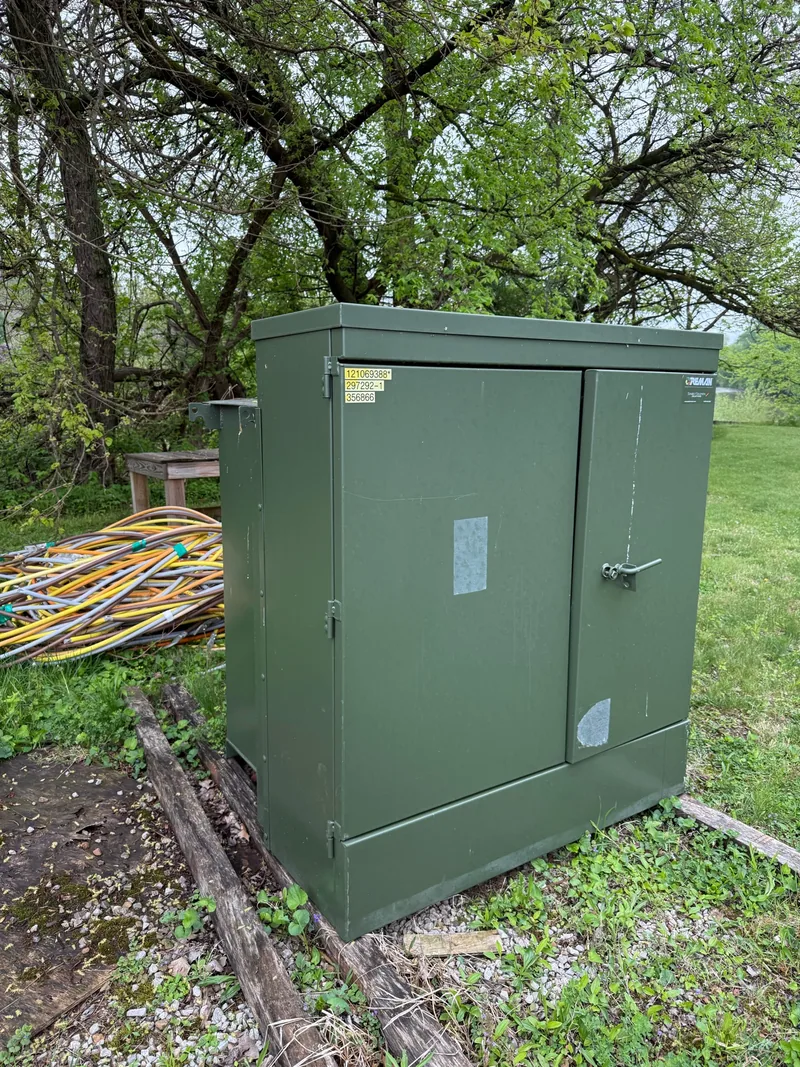
The internal construction of a transformer dictates its worth, with copper windings, core steel, and casing weight all playing a role in the final assessment. We purchase padmount, polemount, and dry-type units from facilities across the United States. Our team handles the entire process, from initial valuation to arranging the rigging and freight required to get the equipment off your property.
Why sell to us
Understanding Scrap Versus Resale Value
When evaluating electrical equipment, the distinction between scrap and resale value depends heavily on the condition, age, and specifications of the unit. A transformer that is relatively new and in working order might hold higher value on the secondary market, while an older, damaged, or obsolete unit is typically assessed for its raw materials. We look at the nameplate data to determine the kVA rating, primary and secondary voltages, and the manufacturing date to make this determination.
If a unit cannot be repurposed, its worth is calculated based on the metals inside. Scrap transformers contain significant amounts of conductive metals and specialized steel that retain value even when the equipment itself is no longer functional. By analyzing the weight and composition, we provide a cash offer that reflects the true material worth of your surplus equipment.
What we buy
Copper Versus Aluminium Windings
The most critical factor in determining the material value of scrap transformers is the type of winding used in the coils. Copper-wound units carry noticeably more value than aluminium-wound models due to the higher market price and superior conductivity of copper. You can often identify the winding material by checking the factory nameplate, which will specify either CU for copper or AL for aluminium.
Even if the nameplate is missing or illegible, the total weight of the unit can provide clues, as copper is significantly heavier than aluminium. We purchase both types of transformers and adjust our valuation based on the specific metal content. Facilities replacing older copper units often find that the scrap return can offset a portion of their new equipment costs.
Scrap topics
Scrap value, disposal and material recovery
Scrap copper transformers
When you need to sell scrap copper transformers, getting an accurate assessment of the internal winding…
Aluminium-wound transformers
Understanding your scrap aluminium transformer value is the first step when clearing out surplus electrical…
How much copper is in a transformer
When facility managers look to dispose of obsolete electrical equipment, they often ask how much copper is in a…
Transformer scrap price per pound
Determining an accurate transformer scrap price per pound requires looking far beyond the gross weight listed…
Where to sell electrical transformers
Knowing exactly where to sell electrical transformers can make the difference between a smooth asset recovery…
Companies that buy scrap transformers
When you need to clear space at a facility, evaluating the different companies that buy scrap transformers is a…
Oil-filled transformer disposal
Proper oil filled transformer disposal requires more than just moving heavy metal off a concrete pad.
PCB transformer disposal
Navigating pcb transformer disposal requires understanding the specific regulatory and logistical requirements…
Dry-type transformer scrap
Determining accurate dry type transformer scrap value requires understanding the specific construction of your…
Scrap value vs resale value compared
When facility managers look to offload surplus electrical equipment, understanding transformer scrap value vs…
How it works
Core Steel and Casing Materials
Beyond the conductive windings, the electrical steel used in the transformer core represents a substantial portion of the total weight. This specialized grain-oriented steel is designed to minimize energy loss and holds its own distinct scrap value. The core is tightly stacked and accounts for a massive percentage of the physical bulk, especially in large substation transformers.
The outer casing, typically constructed from heavy-gauge carbon steel, also contributes to the overall assessment. While standard steel does not command the same premium as copper or aluminium, the sheer volume of metal in a 100 MVA unit adds meaningful weight to the transaction. We factor in all these components when calculating the total material recovery potential of your equipment.
Logistics and payment
Handling Oil-Filled and PCB Units
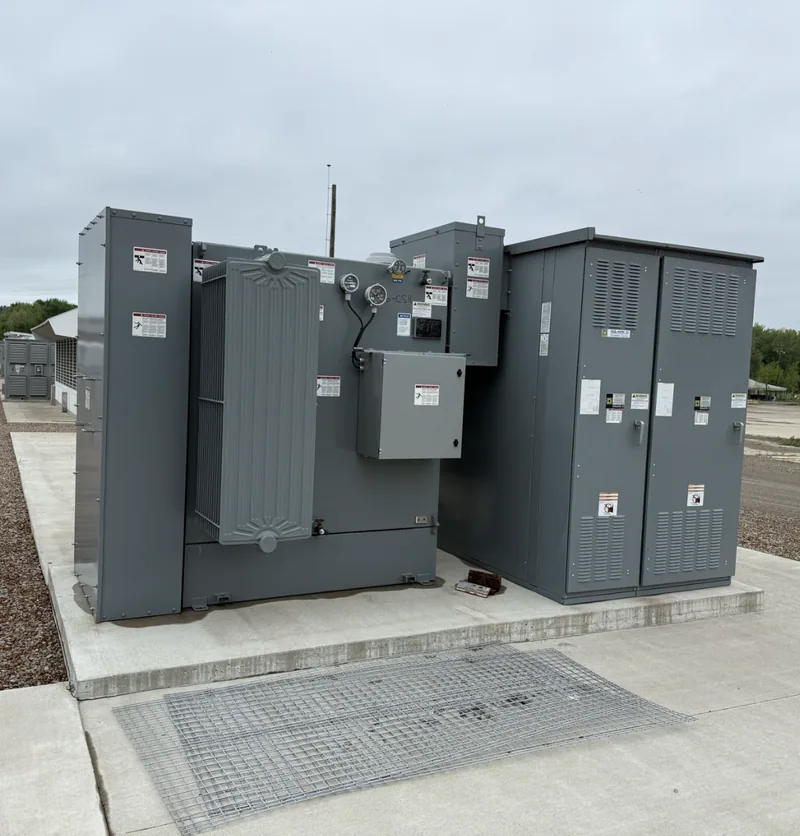
Disposing of liquid-filled transformers introduces environmental and logistical considerations that go beyond simple metal recycling. Oil-filled distribution and substation units must be drained and processed correctly to prevent soil or water contamination. We handle oil-filled equipment through licensed channels, ensuring that the insulating fluids are managed according to current environmental regulations. This careful approach protects your facility from liability while allowing the valuable metals to be recovered.
Older transformers may contain polychlorinated biphenyls, commonly known as PCBs, which require specialized testing and disposal protocols. If your facility has legacy equipment with unknown PCB levels, we can navigate the testing requirements and arrange for compliant removal. Our process ensures that even complex liquid-filled units are removed from your site safely and legally, giving plant managers complete peace of mind during the extraction.
Detail
Dry-Type Transformer Scrap
Dry-type transformers are common in indoor industrial settings, commercial buildings, and manufacturing plants where liquid coolants pose a fire risk. Because they rely on air ventilation rather than oil for cooling, scrapping these units is generally more straightforward. The absence of insulating fluid means there are no draining requirements or environmental hazards associated with spills during the removal process.
The value of dry-type scrap is driven entirely by the enclosure, the core steel, and the heavy coils. These units often contain substantial amounts of copper or aluminium, making them highly desirable in the scrap market. We buy dry-type transformers of all sizes, from small 15 kVA facility units to massive industrial power centers, arranging the necessary freight to transport them from your building.
Also worth knowing
Logistics of Heavy Equipment Removal
One of the biggest challenges in dealing with scrap transformers is the physical removal of the equipment. A large unit substation or padmount transformer can weigh tens of thousands of pounds, requiring specialized rigging and heavy-duty transport. We take on the logistical burden by arranging the cranes, forklifts, and flatbed trucks needed to extract the equipment from your facility.
Our team coordinates with your plant managers or electricians to schedule the removal during a window that minimizes disruption to your operations. We serve the whole United States and travel directly to the site to oversee the extraction. By managing the freight and rigging, we allow your personnel to focus on their primary duties while we clear out the obsolete infrastructure.
Condition and testing
Factors Influencing the Price Per Pound
The scrap market is dynamic, and the price per pound for electrical equipment fluctuates based on global commodity demand. When we evaluate your transformers, we look at the current index for copper, aluminium, and steel to formulate our cash offer. The physical location of the equipment also plays a role, as the cost of freight and rigging must be factored into the final calculation.
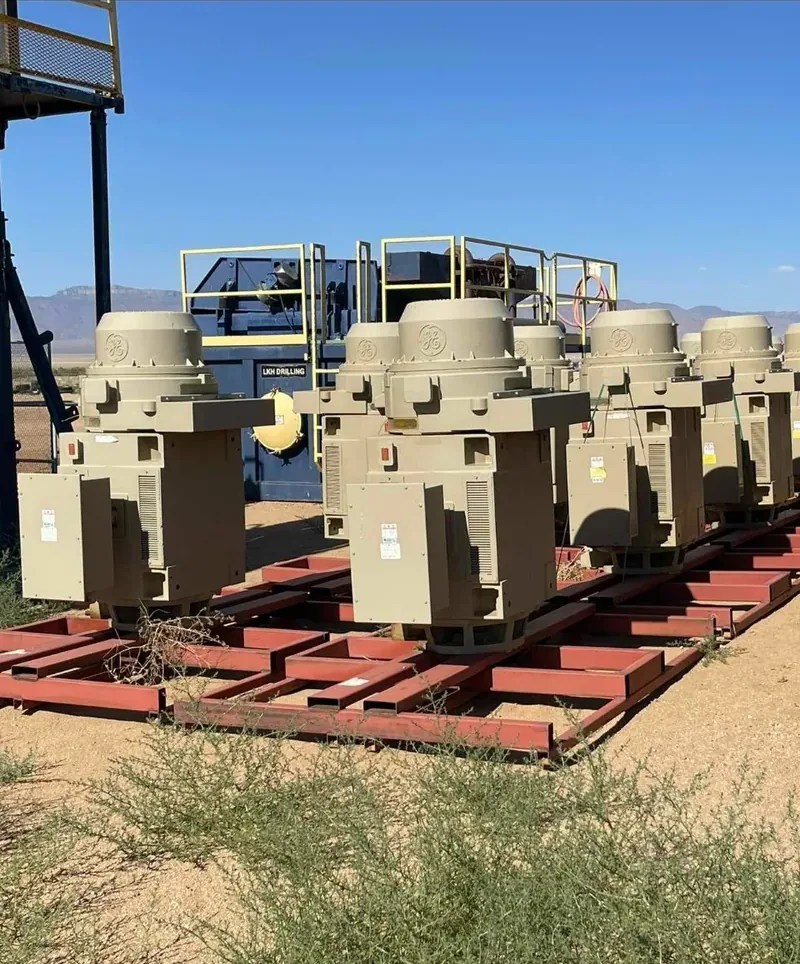
We aim to provide a transparent assessment based on the verifiable characteristics of your units. By providing us with clear photos of the equipment and the nameplates, we can quickly determine the primary value drivers. Whether you have a single polemount unit or an entire yard of decommissioned substation transformers, we evaluate the lot to maximize your return.
Equipment
Transformer families we buy in any condition
Common questions
Questions sellers ask
Do you buy both copper and aluminium scrap transformers?
Yes, we purchase both copper-wound and aluminium-wound transformers. While copper units generally yield a higher return due to the premium on the metal, aluminium units still hold significant material value. We evaluate the nameplate data and total weight to determine the exact composition and provide an accurate cash offer for either type.
How do you handle the removal of large substation transformers?
We arrange all the necessary rigging, crane services, and heavy freight required to remove large substation transformers from your property. Our team travels to your site anywhere in the United States to coordinate the extraction, ensuring the equipment is loaded safely and transported without disrupting your ongoing facility operations.
What information do you need to evaluate my surplus transformers?
To provide an accurate valuation, we need clear photographs of the transformer and a close-up image of the factory nameplate. The nameplate provides critical details such as the kVA rating, winding material, total weight, and manufacturing date. If the unit is oil-filled, any available PCB test results are also highly useful.
Can you purchase transformers that are currently filled with oil?
We frequently buy oil-filled distribution and padmount transformers from facilities nationwide. We handle the removal and processing of liquid-filled units through licensed channels to ensure strict environmental compliance. If the units require PCB testing or specialized disposal protocols, we manage those requirements as part of the overall transaction.
Do you buy small dry-type transformers or only large industrial units?
We purchase transformers across a wide range of sizes, starting from 15 kVA up to 100 MVA. This includes small indoor dry-type units used in commercial buildings as well as massive liquid-filled substation transformers. Regardless of the size, we assess the material value and arrange the freight to get it off your site.
Will you travel to our facility to inspect the equipment?
We serve the entire United States and will travel directly to your site to assess large lots or complex removals. For many transactions, we can provide an initial cash offer based on the photos and nameplate data you provide. Once an agreement is reached, we handle the logistics of getting the equipment removed.
Ready to move the unit?
Clearing out obsolete electrical infrastructure does not have to be a logistical headache for your facility. We provide a streamlined process to evaluate, purchase, and remove your surplus equipment. Call or email us today at 954-740-1983 to discuss your inventory and receive a cash offer.