
Overview
When you have these common small kVA units sitting idle after an upgrade or demolition, we evaluate their worth based on winding material and condition. Our team handles the logistics of freight and removal so you can clear out your electrical room without hassle. Contact us to turn your unused Jefferson Electric equipment into recovered capital.
Why sell to us
The Role of Jefferson Electric Dry-Type Transformers in Commercial Spaces
Jefferson Electric manufactures reliable dry-type general purpose transformers that are a staple in commercial and industrial electrical systems. These units are frequently found in electrical panels, supplying power to lighting circuits, HVAC systems, and dedicated machinery. Because they are so ubiquitous in commercial buildings, contractors often accumulate them during large-scale renovations or facility upgrades.
When a building undergoes a major electrical overhaul, these dry-type units are typically disconnected and left on site. Rather than letting them take up valuable floor space, you can monetize these assets. We evaluate the remaining utility and material composition of these transformers to provide a fair cash offer.
Our purchasing process focuses on the specific characteristics of your Jefferson Electric equipment. We look at the kVA rating, the type of enclosure, and the internal components to calculate a valuation that reflects the industrial market demand.
What we buy
Why We Evaluate Small kVA Control and Lighting Units in Lots
Control and lighting transformers manufactured by Jefferson Electric are often smaller in physical size and kVA capacity compared to massive substation equipment. Because these units are frequently installed in high volumes across a single facility, they are typically removed in large batches during a teardown. We prefer to evaluate these smaller transformers as a complete lot rather than individually.
Handling small kVA units in lots allows us to streamline the freight and removal process, making the transaction more efficient. When you provide an inventory list or photographs of a bulk collection, we can quickly estimate the total copper or aluminium content and the overall weight.
If you are an electrician clearing out a warehouse, bundling your Jefferson Electric control transformers simplifies your logistics. Simply gather the equipment, and our team will work with you to determine the collective value.
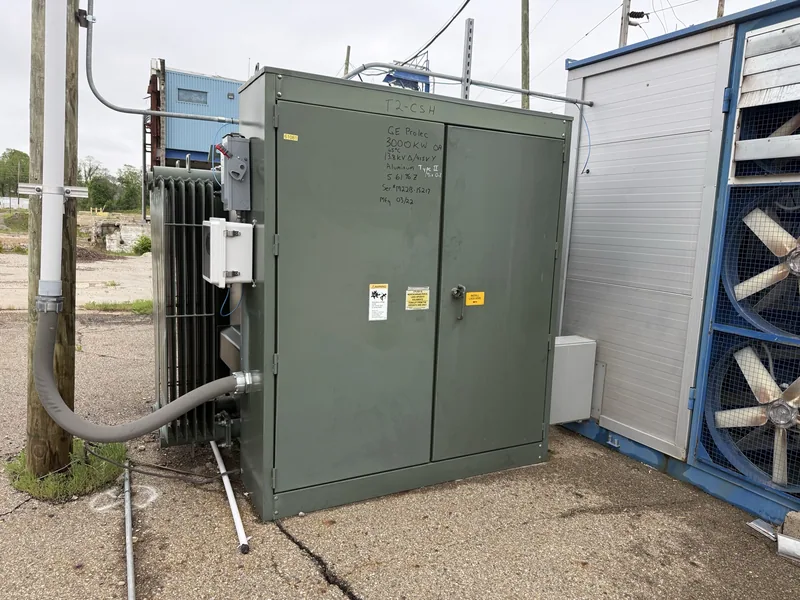
Equipment
Jefferson Electric equipment we take
How it works
Identifying Your Equipment Through the Jefferson Electric Nameplate
The most critical step in assessing your surplus equipment is reading the Jefferson Electric nameplate attached to the enclosure. This metal tag contains all the vital specifications we need to formulate an accurate cash offer. You will find the kVA rating, primary and secondary voltages, and phase configuration clearly stamped on this plate.
One of the most important details on the nameplate is the winding material, which is usually indicated by a specific code or explicitly stated as copper or aluminium. Since the internal conductive metal drives a significant portion of the transformer's value, capturing a clear photograph of the nameplate is the best way to start the valuation process.
If the nameplate is faded or missing, we can still evaluate the unit based on its physical dimensions and weight. However, having the exact nameplate data speeds up our assessment.
Logistics and payment
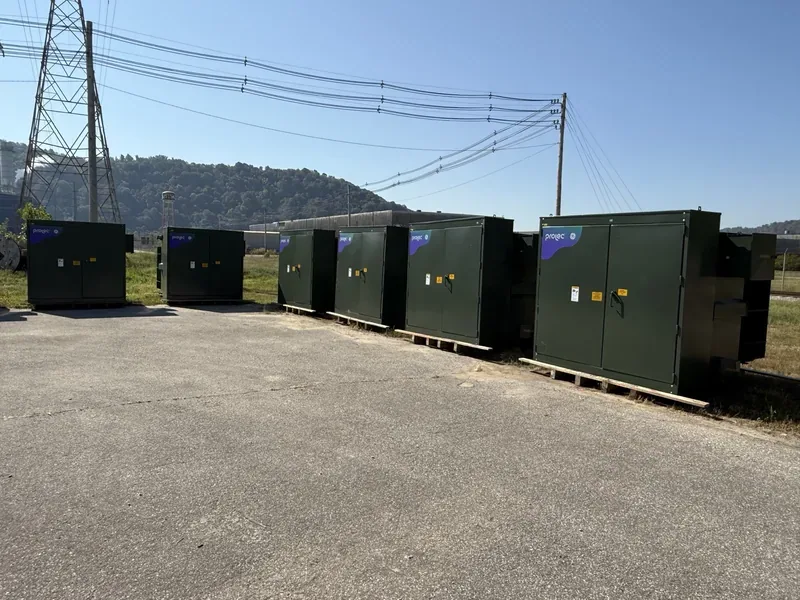
How Winding Material Impacts the Value of Your Surplus Units
The internal construction of a Jefferson Electric dry-type transformer plays a major role in determining its financial return. These units are manufactured with either copper or aluminium windings, and this distinction directly affects our valuation. Copper-wound units carry noticeably more value than aluminium-wound models due to the higher baseline worth of the metal.
When we review your equipment, we look closely at the winding material to calculate the baseline material value. Copper coils are heavier and more conductive, making them highly sought after in the secondary market. Aluminium coils yield a lower return when the transformer is decommissioned.
You can often determine the winding material by checking the nameplate or inspecting the exposed bus bars. We use the total weight and the specific metal type to ensure our cash offer accurately reflects the physical assets you have.
Detail
Condition Factors That Matter for Decommissioned Dry-Type Models
While we purchase transformers in a wide range of conditions, the physical state of your Jefferson Electric units influences our final assessment. Dry-type transformers are generally housed in ventilated enclosures, making them susceptible to dust and moisture if stored improperly. We look at the integrity of the coils and the state of the outer casing.
Units that have been kept indoors and remain free from severe corrosion retain more of their structural integrity. If the transformer was subjected to a catastrophic failure, the internal components may be heavily damaged. We still buy damaged units for their base material weight, but clean, intact transformers present different valuation opportunities.
When preparing your equipment for our review, it is helpful to note any known physical damage. We evaluate the equipment exactly as it sits, factoring in the current condition to provide a straightforward cash offer.
Also worth knowing
Logistics and Freight for Removing Your Industrial Electrical Assets
Removing heavy electrical equipment from a commercial site requires careful planning and the right resources. We understand that getting surplus Jefferson Electric transformers off your property is just as important as the financial return. Our team arranges all the necessary rigging, freight, and transportation to haul the units away.
Whether your transformers are sitting on a concrete pad or staged on a loading dock, we coordinate the logistics. We work with experienced freight partners who know how to handle heavy industrial equipment safely. This means your crew can focus on their primary tasks while we manage the heavy lifting.
Because we serve the entire United States, we can dispatch trucks to your location regardless of where your plant is situated. By handling the freight internally, we eliminate the hidden costs associated with moving large electrical assets.
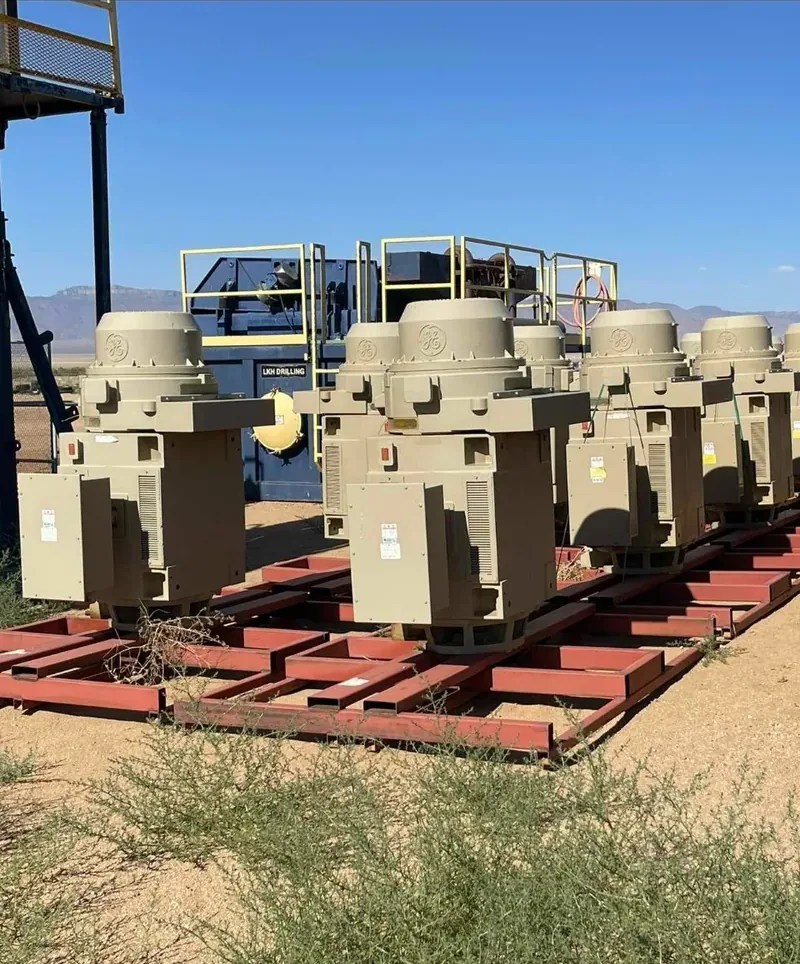
Condition and testing
What to Expect When You Contact Our Purchasing Team
Initiating the liquidation of your surplus Jefferson Electric transformers is a straightforward process designed for busy professionals. When you reach out to us, we ask for basic information about your inventory, including photographs of the units and their nameplates. This initial data allows us to perform a preliminary evaluation.
Once we review the specifications, winding materials, and overall condition, we present a clear cash offer for your transformers. We do not require you to ship the items to us for inspection; our valuation is based on the images you provide. If the offer meets your expectations, we immediately schedule the freight.
Our goal is to provide a seamless transaction from the first communication to the final pickup. If you have a single large unit or a massive lot of small kVA transformers, reach out to our team today.
Scrap value
If the unit is failed or only worth metal
Other transformer brands we buy
Common questions
Questions sellers ask
Do you buy Jefferson Electric transformers that have been stored outside and exposed to the weather?
Yes, we purchase dry-type transformers regardless of whether they have been stored indoors or exposed to the elements. While severe weather exposure can cause rust and degrade the outer enclosure, the internal copper or aluminium windings still hold significant material value. We evaluate the total weight and internal composition to provide a cash offer based on its current condition.
How can I tell if my Jefferson Electric control transformer has copper or aluminium windings?
The most reliable way to determine the winding material is to check the factory nameplate on the front of the enclosure. The nameplate often lists the material explicitly or uses a specific catalog number indicating the metal type. If the tag is unreadable, inspecting the exposed bus bars can also reveal whether the unit is wound with copper or aluminium.
Will you purchase a large lot of small kVA lighting transformers from a demolition project?
Absolutely. We frequently work with demolition contractors who have accumulated large batches of small kVA lighting and control transformers. Instead of evaluating each small unit individually, we assess the entire lot based on the estimated total weight and winding material. This bulk approach simplifies the process and allows us to arrange efficient freight for the whole inventory.
Do I need to palletize my surplus transformers before your freight team arrives for pickup?
While having the transformers palletized and staged on a loading dock can speed up the removal process, it is not strictly required. We arrange the necessary rigging and freight to handle the equipment as it sits at your facility. Simply let us know where the units are located, and we will coordinate the appropriate transportation and lifting equipment.
What information do you need from me to provide a valuation for my electrical equipment?
To provide an accurate cash offer, we need clear photographs of the transformers and close-up images of their nameplates. The nameplate gives us the kVA rating, voltage, and winding material. Letting us know the physical location of the equipment and any known condition issues helps us factor in the freight costs and finalize our assessment quickly.
Ready to move the unit?
When you are ready to clear out your surplus electrical equipment, our team is here to provide a fast and fair valuation. We handle all the logistics so you can focus on your core operations without worrying about heavy lifting. Call 954-740-1983 or email us today to turn your decommissioned transformers into capital.