
Overview
Different buyers approach the same transformer in very different ways. Some are only interested in metal recovery by the pound. Others will test, recondition, and place working units into service, often paying more than scrap value. A few specialize in full asset recovery, including rigging, freight, and environmental handling, so your team does not have to coordinate a dozen moving parts. This article breaks down the buyer landscape, value drivers, compliance considerations, and the information you should gather to get firm, no-drama offers. When you are ready, our team can step in with a straightforward cash offer and turnkey removal.
Why sell to us
Types of buyers for used, failed, and scrap transformers
Used transformer buyers generally fall into a handful of categories. Traditional metal recyclers focus on commodity recovery: copper or aluminium windings, silicon steel cores, tank steel, and radiator panels. They tend to price strictly by materials and weight, which can be a fit for burned or dismantled units but often undervalues working or repairable transformers.
Equipment refurbishers and asset recovery buyers look for units that can be tested, repaired, and returned to service. They evaluate nameplate data, test results, and condition details to determine whether a transformer should be priced as equipment rather than by the pound. If your unit passes electrical tests or needs light reconditioning, this route can return more money.
There are also brokers and auctioneers who do not handle rigging or oil but connect sellers and end users. Their involvement can move certain units, yet it often leaves the plant or utility coordinating removal, freight, and environmental steps. A specialized buyer who handles the entire process can simplify the experience, especially on substation or tight-access jobs.
What we buy
What actually drives the value of a used transformer
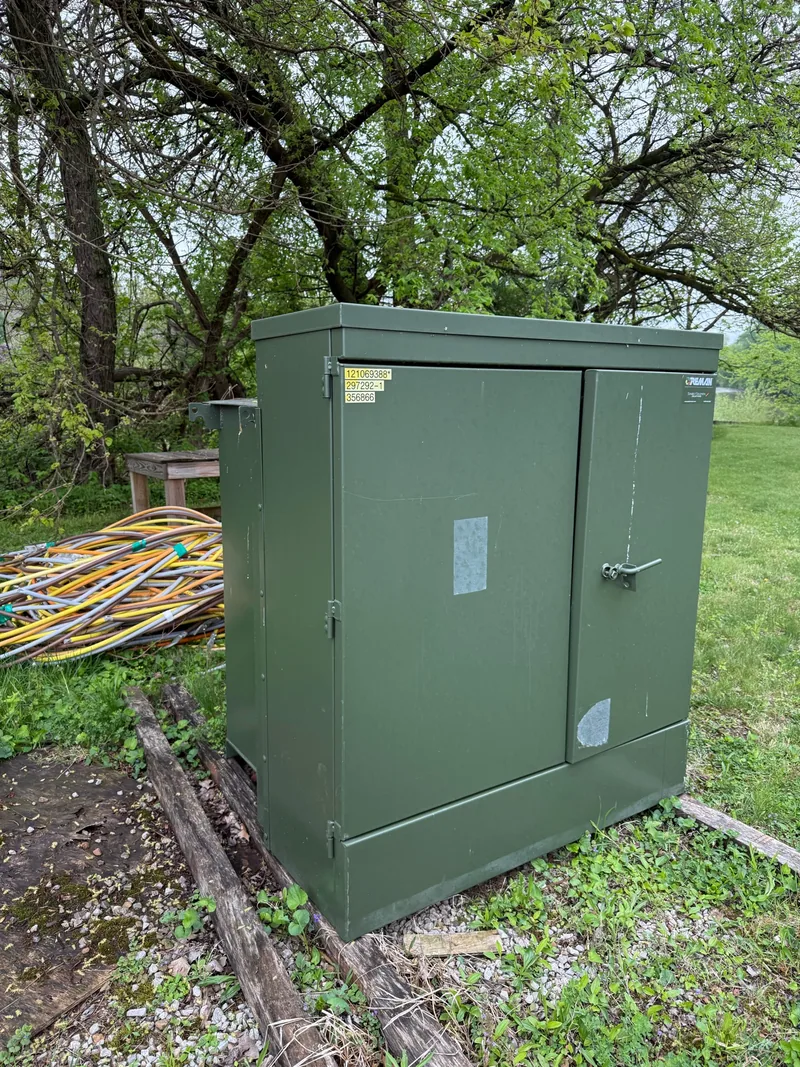
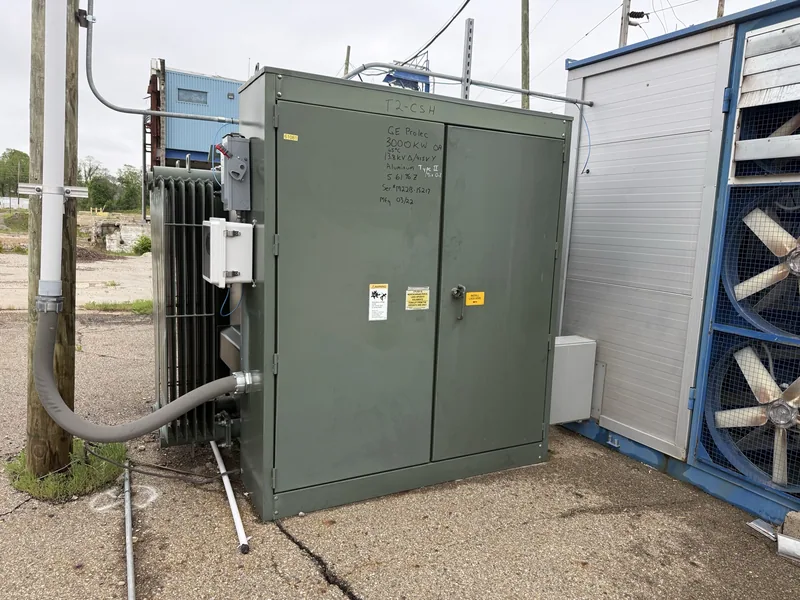
Value begins with type and size. Padmount, polemount, substation, distribution, dry-type, oil-filled, control, and industrial transformers all have their own resale and scrap profiles. The kVA or MVA rating, primary and secondary voltages, winding material, and cooling class all inform the price. Nameplates are gold here; they tell a buyer what the unit was built to do and whether there is demand for that configuration.
Condition is the second big driver. A transformer that passes electrical testing is often priced as equipment, not simply as metal. Even failed units can carry strong value due to copper or aluminium windings and the recoverable core steel, with the tank steel and radiators contributing additional weight. External condition matters too; intact bushings, radiators, and cabinets reduce unknowns and can speed up removal.
Compliance and oil handling factor into price. Units that are PCB-free and properly labeled typically move faster and more efficiently. If testing is unknown or labeling is missing, reputable buyers will plan for sampling and compliant oil management, which they may reflect in their offer. Location, access, and rigging complexity can also influence net return.
How it works
Working, failed, and scrap: how buyers see each category
Working transformers with recent test reports are the most straightforward to price as equipment. Buyers may ask for turns ratio, insulation resistance, or oil dielectric test results, along with clear photos, to confirm condition and marketability. Clean results and in-demand voltages tend to lift offers beyond metal value.
Failed units still have real value. Even with internal faults, the windings, core steel, and tank components are worth meaningful money. A buyer focused on material recovery will price these based on commodity content, while a refurbisher might assess whether the core and coil assembly can be reused or rewound. Clearly describing the failure mode and providing photos helps align expectations.
Scrap or dismantled transformers typically get priced by recoverable materials. That said, a complete but aged unit is often worth more than piles of separated components because recovery is more efficient. When in doubt, share what you have; an honest condition summary lets a serious buyer pay for what is actually there.
Logistics and payment
Logistics: rigging, freight, and site safety
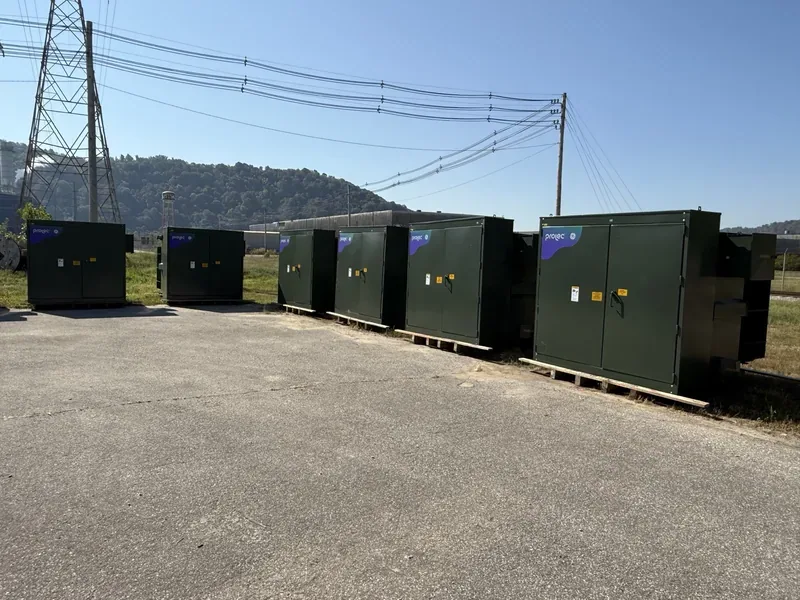
Transformers are heavy, awkward, and often located in places that demand planning. Good buyers start with access details: dock heights, overhead clearance, distance to the road, ground conditions, and whether cranes, forklifts, or a boom truck are required. On substation jobs, the work may include de-energizing, disconnecting, and careful removal around live gear. That is not a task to leave to chance.
Freight selection is equally important. Lowboys, step-decks, flatbeds, or multi-axle trailers may be needed depending on weight and dimensions. Securing, blocking, and capping ports prevent in-transit issues. A buyer who coordinates rigging and freight removes a major burden from your team and prevents costly delays.
Scheduling matters. Aligning utility outages, plant shutdowns, or demolition sequences with removal windows keeps projects on track. A single point of contact who owns the timeline, the trucks, and the crew saves you from managing a chain of vendors.
Detail
Compliance, oil, and documentation to expect
Transformer oil must be handled correctly. Reputable buyers plan for sampling when PCB status is unknown and for compliant transport, storage, and recycling of fluids. Clear labeling and documentation help ensure smooth transit and acceptance at downstream facilities. If oil has already been drained, buyers need to know where it is stored and in what containers.
Expect standard paperwork. Bills of lading, weight tickets, and chain-of-custody documentation protect both parties. For scrap outcomes, destruction or recycling records may be available after processing. For equipment outcomes, buyers may perform or request electrical tests to document condition prior to payment at equipment pricing.
This is not legal advice, but it is smart practice. Share any existing labels, test reports, and site safety requirements up front. A buyer who treats environmental and safety steps as part of the job will fold them into the plan and keep surprises off your desk.
Also worth knowing
How to get firm, accurate offers for used transformers
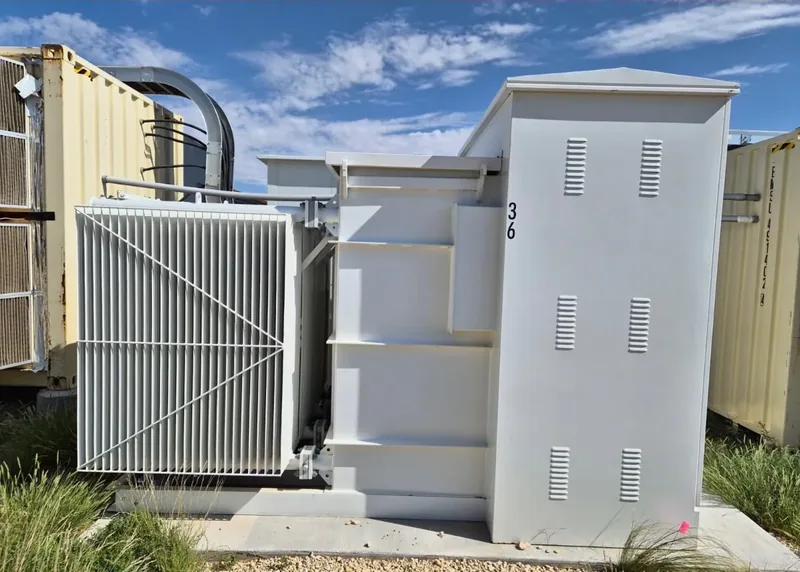
Start with photos from all sides, close-ups of the nameplate, bushings, radiators, and any visible damage. Note the kVA or MVA rating, primary and secondary voltages, winding material if known, year of manufacture, and approximate dimensions and weight. For dry-type units, include the enclosure type and condition of coils and leads.
Describe the situation clearly. Is the unit energized, de-energized, or already disconnected? Is oil present and labeled? What is the pickup location, access limitations, and required timeline? If you have electrical test results, include them. The more complete your information, the faster a buyer can distinguish between equipment value and scrap value and put real numbers on the table.
If you are comparing offers, look past the headline price. Who is covering rigging, cranes, and freight? Who is handling oil and documentation? When you account for logistics and compliance, the best net result often comes from the buyer providing a true turnkey removal.
Condition and testing
A straightforward option: a nationwide buyer that handles everything
Transformers Buyers exists for one reason: to buy your used, failed, or scrap transformers and remove them safely and efficiently. We purchase padmount, polemount, substation, distribution, dry-type, oil-filled, step-up and step-down, control, and industrial transformers, plus switchgear and unit substations. Working units that pass testing are priced as equipment. Failed units are still worth real money for their windings, core steel, and oil.
We operate nationwide across all 50 states, coordinating rigging, cranes, and freight so you do not have to. Share photos, nameplate data, site details, and timing. We will respond quickly with a cash offer and a pickup plan that respects your schedule and safety rules. Our crews are used to tight sites, heavy lifts, and project environments from substations to manufacturing plants.
If you are looking for a single point of accountability and a clean closeout, call Moses Johnson and his team. We keep the process simple, from first call to final paperwork, and we pay promptly upon pickup or according to agreed terms.
Common questions
Questions sellers ask
Who buys used transformers near me?
Specialized transformer buyers, refurbishers, and asset recovery companies purchase used, failed, and scrap transformers across the country. Some operate locally, while others provide nationwide service with in-house rigging and freight. A nationwide buyer can often pay competitively and mobilize faster because they coordinate the entire removal and transport process. If you prefer a single point of contact and a turnkey experience, reach out with photos, nameplate data, and location to get a firm offer and a pickup plan matched to your site.
Do buyers pay more for working transformers than for scrap?
Often, yes. When a transformer passes electrical testing and has in-demand voltages and kVA, it is commonly priced as equipment rather than by the pound. That can result in a higher offer than pure scrap value. Failed units still bring meaningful value for their copper or aluminium windings, core steel, and oil, but the pricing approach differs. The best way to find out is to share nameplate details, test results if available, and clear photos so a buyer can assess whether your unit fits an equipment or materials outcome.
Do you buy failed or burned transformers with oil still inside?
Yes. Serious buyers purchase failed and burned transformers and will plan for compliant oil handling. If PCB status is unknown, they may arrange sampling and include that step in the pickup plan. Providing any existing labels, test results, or prior sampling data helps speed the process. It is not necessary to drain oil ahead of time unless your site requires it; discuss your situation so the buyer can plan containment, pumping, and transport in a way that aligns with your safety and environmental requirements.
What information do I need to get a real offer?
Provide photos of all sides, a clear nameplate photo, and any visible issues like leaks or damaged bushings. Share kVA or MVA, primary and secondary voltages, approximate dimensions and weight, winding material if known, and year of manufacture. Note whether the unit is energized, disconnected, oil-filled or dry-type, and whether oil is labeled. Include pickup location, site access constraints, and your timeline. With that package, a buyer can distinguish equipment value from scrap value and issue a firm cash offer and a removal plan.
Can you handle tight-access sites and heavy lifts?
Experienced buyers plan for cranes, forklifts, boom trucks, and specialized trailers as needed. They assess ground conditions, overhead clearance, and distances to staging areas to choose the right equipment. On substation or plant sites, they coordinate with your team for safe de-energization and removal sequences. If your location has tight turns, soft ground, or restricted hours, say so up front. A turnkey buyer will fold those realities into the schedule and bring the right crew and gear to remove the transformer safely and efficiently.
How quickly can a transformer be removed and paid for?
Timeframes vary by size, access, and documentation, but once a buyer has clear photos, nameplate data, and site details, scheduling can move quickly. Smaller padmount and polemount units may be picked up within days, while large substation transformers might require a coordinated crane and trailer plan. Payment is typically arranged at pickup or according to agreed terms. If you have a hard deadline due to a shutdown or demolition, share it early so the buyer can commit to a plan that meets your schedule.
Ready to move the unit?
When you want one accountable partner to buy your transformers and remove them safely, Transformers Buyers is ready. We purchase working, failed, and scrap units, handle rigging and freight nationwide, and make the process straightforward. Send photos and nameplate data for a fast cash offer and a pickup plan that fits your site. Call Moses Johnson at 954-740-1983 or email electricalequipmentbuyers@gmail.com.