
Overview
The key to a smooth sale is knowing what you have, how to describe it, and how to plan pickup safely and legally. This guide walks you through the process from identification and pricing factors to paperwork and logistics, so you can turn your transformer into cash without headaches. Whether it’s a padmount, polemount, substation, dry-type, oil-filled, step-up, step-down, control, or industrial unit, you’ll learn what buyers look for and what speeds up the deal. And when you’re ready, we’re here to purchase and handle the heavy lifting.
Why sell to us
Identify the unit: nameplate, photos, and condition
Start with the nameplate. Clear photos of the manufacturer’s plate give buyers the essentials: kVA rating, primary and secondary voltages, phase, frequency, impedance, cooling class, winding material if shown, serial number, and manufacturing date. Even one sharp, readable photo can dramatically improve pricing accuracy and cut out guesswork.
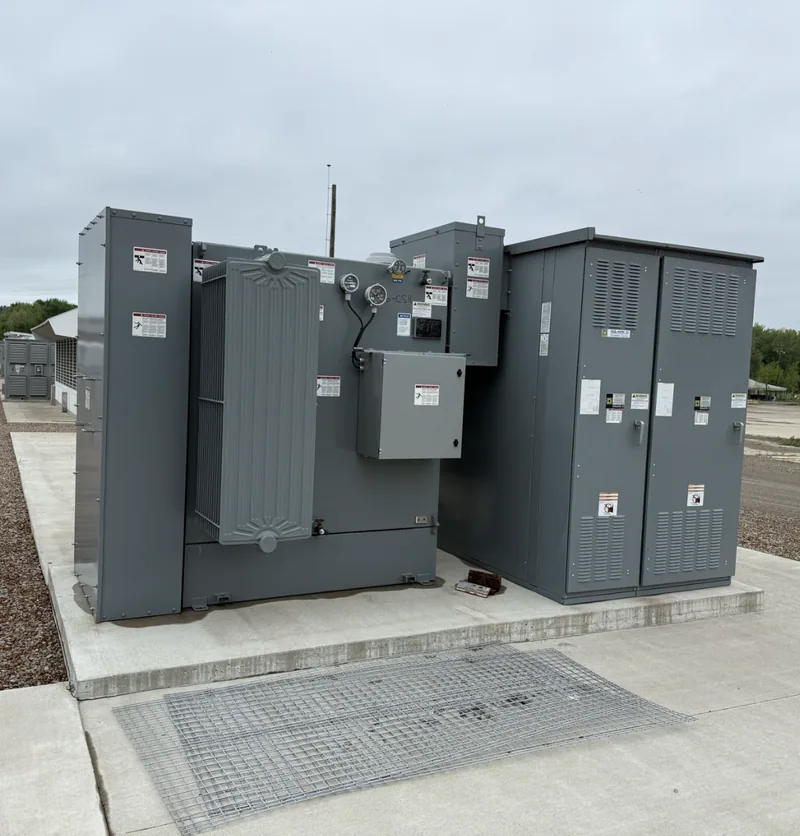
Add wide shots that show all sides, bushings or terminations, and the general condition. If it’s a padmount, open the cabinet and include the high- and low-side compartments, gauges, tap changer position, and any evidence of leaks. For dry-type units, include the coil faces, core, and terminal lugs. If you have recent test results such as insulation resistance, TTR, or oil analysis, share them. Even partial data helps a buyer determine whether to price as equipment or material.
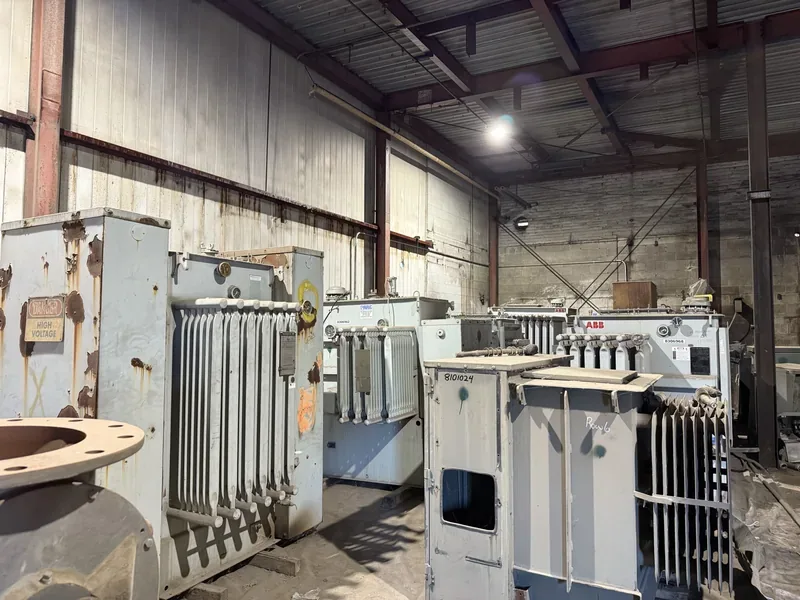
Be candid about condition. Note whether the unit is energized or already disconnected, whether it was working when removed, and any visible damage like cracked bushings, swollen windings, dented tanks, or oil staining. Accurate information avoids surprises onsite and leads to firmer offers.
What we buy
Know the difference: equipment value vs. material value
Transformers are priced in two broad buckets. Units that pass basic electrical testing and present cleanly are often priced as equipment. Age, brand, and configuration still matter, but functional units may bring more than material value because they can be reused after test and inspection. That’s true for padmount, polemount, distribution, dry-type, and some substation units.
If the transformer is failed, burned, or otherwise not a candidate for reuse, it still has real value as material. Buyers evaluate copper or aluminum windings, the mass of core steel, and the presence and type of oil. Copper-wound units generally command higher material value than aluminum, and large cores add up. Oil influences freight and handling, but it is part of the value equation.
Clear categorization helps you set expectations. When in doubt, share any tests you have and detailed photos. A seasoned buyer can often identify likely value path quickly and advise whether minimal testing is worth the time.
How it works
Pricing factors buyers weigh before making an offer
Several variables shape the number you receive. kVA size, voltage configuration, phase, and cooling class affect both reuse potential and dismantling complexity. Popular utility voltages and modern designs tend to be more desirable as equipment. Windings matter too; copper typically brings stronger numbers than aluminum when priced for material.
Condition drives the spread between equipment and material pricing. Solid test results, tight tanks with no leaks, clean bushings, and intact radiators move a unit toward equipment value. Evidence of internal faults, carbon tracking, or water intrusion shifts it toward material value. For oil-filled units, the oil’s status matters. If you have PCB testing results or a label, share them; if not, a buyer will assume further verification is needed and factor that into the offer.
Logistics and market context round it out. Distance to site, truck access, rigging requirements, and current commodity markets all influence the final figure. The more complete the information, the more precise and competitive the offer can be.
Logistics and payment
Preparation tips that protect value and ease removal
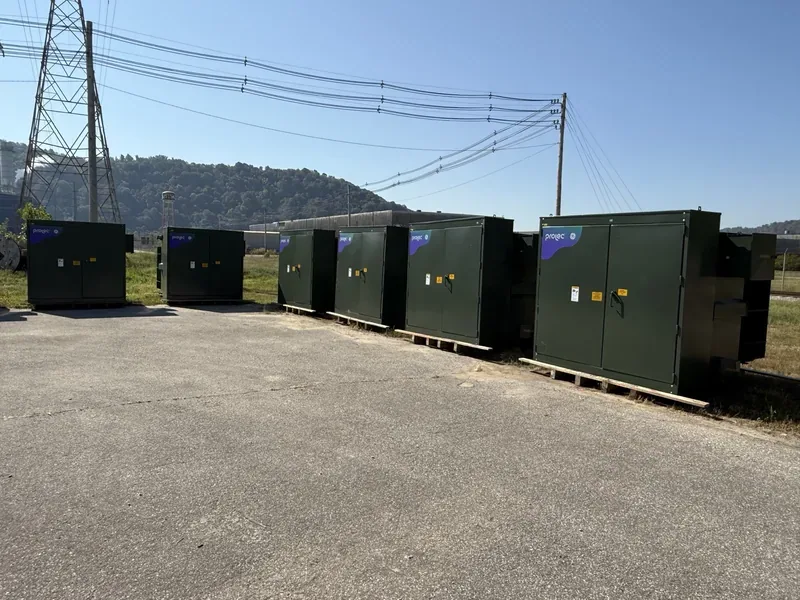
You don’t need to drain oil, strip parts, or cut copper to sell a transformer. In fact, leaving the unit intact usually preserves value and reduces safety risk. Keep all covers, fins, and accessories in place. Cap or cover any exposed conductors to prevent moisture or debris from entering. For padmounts, lock the cabinet if possible to deter tampering while it awaits pickup.
Ensure the transformer is de-energized, isolated, and cleared for removal. Coordinate with your electrician or maintenance team to disconnect and land leads safely. If the unit sits on a pad or platform, confirm there are suitable lift points and that surrounding structures will not obstruct a crane or forklift. A clean, accessible area allows riggers to work quickly and reduces time on site.
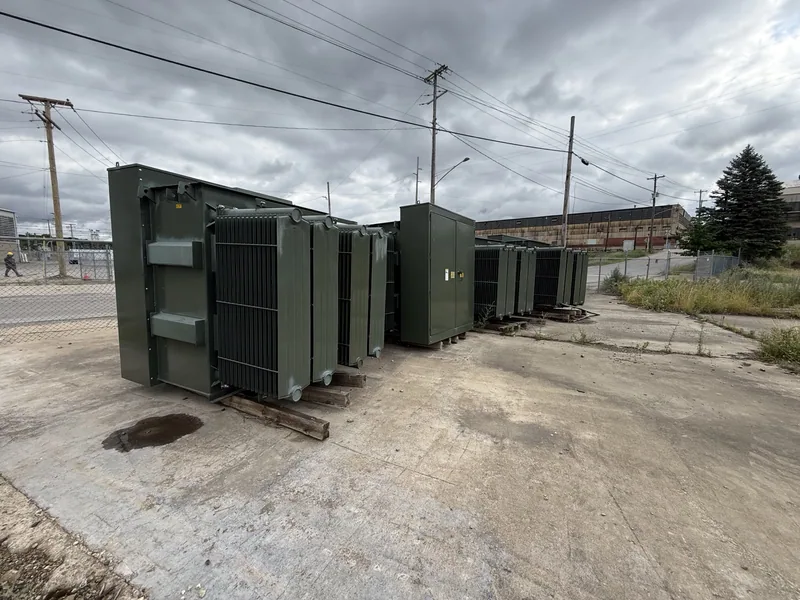
If the unit is stored outside, set it on dunnage to keep it off the ground and away from standing water. Provide a stable surface for forklifts and cranes. Flag any soft ground, overhead lines, or narrow gates, and share those details with your buyer early.
Detail
Paperwork, compliance, and safe handling of oil
A smooth sale includes clear paperwork. A basic bill of sale is standard, listing unit details, quantity, and an as-is transfer. For utility or industrial sites, you may also have release documentation or surplus declarations. Keep serial numbers handy to align with your internal asset records and the transporter’s paperwork.
Oil-filled transformers require attention to environmental rules. If you have PCB test reports or labels, provide them with your photos. If PCB status is unknown, buyers treat oil conservatively until verified. Reputable buyers arrange proper transport with appropriate placards and work with permitted facilities for recycling or disposal. Your role is to disclose what you know and allow safe access for sampling if needed.
Site-specific requirements matter. Some facilities need certificates of insurance, hot work permits, or safety orientations. Let your buyer know about training or escort rules, PPE policies, and shipping windows. The more transparent the plan, the safer and faster the removal.
Also worth knowing
Freight and rigging: planning the pickup day
Every site is different, so plan the route from parking lot to load bed. Share dimensions, estimated weight, lift points, and any attachments like radiators. Note overhead clearances and indoor versus outdoor loading. From a one-pallet control transformer to an RGN-required substation unit, the right truck type depends on measurements and access.
Rigging is about control and safety. Confirm forklift or crane availability, rated capacities, and ground conditions. If your site lacks equipment, your buyer can arrange turnkey rigging and bring the tools and crew. Provide photos of the path, stairs, or obstacles, and mark utilities and sprinkler lines to avoid surprises.
Timing and staging reduce downtime. Bundle multiple units by size, palletize accessories, and label components if they’re removed. Coordinate lockout-tagout and any inspections before the crew arrives. Clear communication up front saves hours on pickup day and often improves your net because trucks spend less time waiting.
Condition and testing
How to request offers and choose the right buyer
Your first message sets the tone. Send nameplate photos, overall shots, location with ZIP code, loading details, and your target timeline. If you have test data, include it. If you’re selling multiple transformers, list quantities and whether they’re identical. This package lets serious buyers respond with a firm number quickly rather than a rough estimate.
Beyond price, weigh responsiveness, logistics capability, and environmental handling. A buyer who can arrange nationwide trucking, provide rigging, and deal with oil properly often turns a complicated removal into a simple transaction. Ask about payment timing and what documents they’ll need. Clear answers indicate a smooth closing when the truck arrives.
At Transformers Buyers, we purchase padmount, polemount, substation, distribution, dry-type, oil-filled, step-up/step-down, control and industrial transformers, plus switchgear and unit substations. We buy in all 50 states, handle the freight and rigging, and make a straightforward cash offer. When you’re ready, we’ll line up the details and pick the equipment up on your schedule.
Common questions
Questions sellers ask
What information do I need to get a firm offer for my used transformer?
Start with clear photos of the nameplate, overall exterior, and terminations. Share kVA, primary and secondary voltages, phase, cooling class, serial number, and any test results you have, such as insulation resistance, TTR, or oil analysis. Add the pickup ZIP code, onsite loading capabilities, and whether the unit was working when removed. If there are multiple units, note quantities and whether they’re the same model. The more complete your package, the faster a buyer can respond with a precise number and schedule a pickup window that fits your timeline.
Do I need to drain the oil before selling an oil-filled transformer?
No. In most cases you should leave the transformer intact, oil included. Draining without proper containment and documentation can reduce value and add environmental risk. A qualified buyer will manage oil sampling if needed, arrange compliant transport, and route the unit to permitted facilities. Your role is to confirm the unit is de-energized, disclose any PCB labels or test results you have, and provide safe site access. Keeping everything together usually preserves value and makes the pickup faster and safer for everyone involved.
How are PCB concerns handled when selling a transformer?
If you have PCB test reports or labels, share them up front. If PCB status is unknown, the buyer will assume testing or conservative handling is required and price accordingly. Properly permitted carriers and facilities handle PCB-containing equipment under specific rules, with manifests and placards as required. You don’t need to perform testing yourself unless your internal policies require it. What matters is accurate disclosure and cooperation with safe sampling or document retrieval so the unit can be transported and processed in full compliance.
Can I sell a failed or burned transformer, and is it still worth money?
Yes. Failed and burned units still contain valuable materials, including copper or aluminum windings and core steel, and buyers factor those into an offer. Photos that show the extent of the damage help determine dismantling needs and freight planning. Even if reuse is off the table, a clean path for removal and intact mass often leads to a meaningful cash offer. Avoid cutting windings or stripping parts yourself; that can reduce safety and net value. Let the buyer handle dismantling under controlled conditions.
How quickly can pickup and payment happen once I accept an offer?
Timing depends on site access and the equipment needed, but many pickups can be scheduled within a few business days after approval. Larger substation units that require cranes or specialized trailers may need additional lead time for permits and crew coordination. Payment is typically issued at or immediately after pickup once the unit is loaded and paperwork is signed. Share your internal requirements for vendor setup or safety onboarding early to avoid delays. Clear communication keeps the schedule tight and predictable.
Do you buy switchgear or unit substations along with transformers?
Yes. Along with padmount, polemount, distribution, dry-type, oil-filled, and substation transformers, buyers like us also purchase switchgear, breakers, MCCs, and complete unit substations. If you’re clearing a room or yard, package everything together with photos, nameplate details, and a rough equipment list. Bundling can simplify rigging, reduce freight costs, and often improve your total offer. Mention whether there is live gear nearby, ceiling height, dock access, and the building’s door sizes so a safe removal plan can be built before arrival.
Ready to move the unit?
Selling a used transformer doesn’t have to be complicated. Share accurate photos and site details, pick a buyer who can manage oil, paperwork, freight, and rigging, and set a date. Transformers Buyers purchases working, failed, and scrap units nationwide and turns your surplus into a clean, efficient transaction. Ready for a straightforward cash offer and a professional pickup plan? Call Moses Johnson at 954-740-1983 or email electricalequipmentbuyers@gmail.com.