
Overview
We purchase working units that meet electrical criteria as equipment, and we pay for failed and scrap units for the metal and oil value they contain. Our offers reflect knowledge of copper and aluminum windings, core steel, insulation and tank condition, and are based on accurate handling and logistics costs specific to Michigan geography. You’ll find our service adaptable to the mix of buyers and industries in Michigan, from automotive and heavy manufacturing to utilities and municipal systems. We regularly handle unit substations and switchgear as well as transformers, partnering with site teams to schedule safe rigging and transport around plant operations. Whether you’re decommissioning a substation in Detroit, removing a padmount outside Grand Rapids, or clearing out scrap units at a remote mining or mill site, we pay cash and take care of the heavy lifting.
Why sell to us
Michigan’s power landscape and why it matters
Michigan’s electricity system is shaped by a diverse generation mix and a dense industrial base. Utilities such as DTE Energy and Consumers Energy, along with transmission owners and regional operators, manage networks that include transmission corridors, distribution substations and interconnections to Great Lakes ports and rail facilities. That complexity creates frequent opportunities to retire, replace or recycle transformers as plants upgrade distribution, re‑rate feeders or transition to new sources of generation.
For buyers of used and scrap transformers, understanding the local utility footprint matters because it influences load profiles, typical unit sizes and common substation configurations. Michigan’s landscape includes urban distribution in Detroit and Grand Rapids, industrial feeders serving automotive and heavy manufacturing complexes, and long rural spans in the Upper Peninsula where padmounts and polemounts are frequent. Those differences guide how we assess removal logistics, lifting requirements and the best routes for outbound freight.
When you call for an evaluation, we factor in the state’s grid patterns and service territories so our cash offer matches the realities of collection and transport. We coordinate with utility owners and site managers when necessary to comply with permitting and access rules, and we plan pickups to minimize disruption to your operations while maximizing recovery value for the equipment you no longer need.
What we buy
What we buy in Michigan — types and conditions
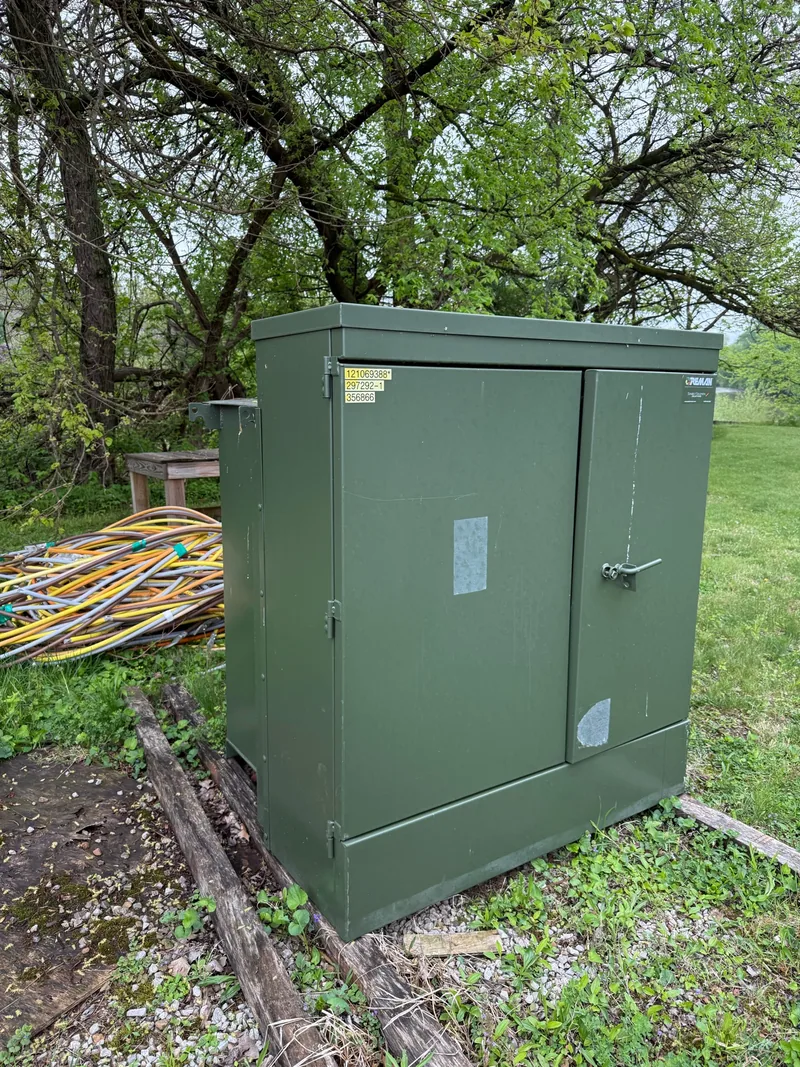
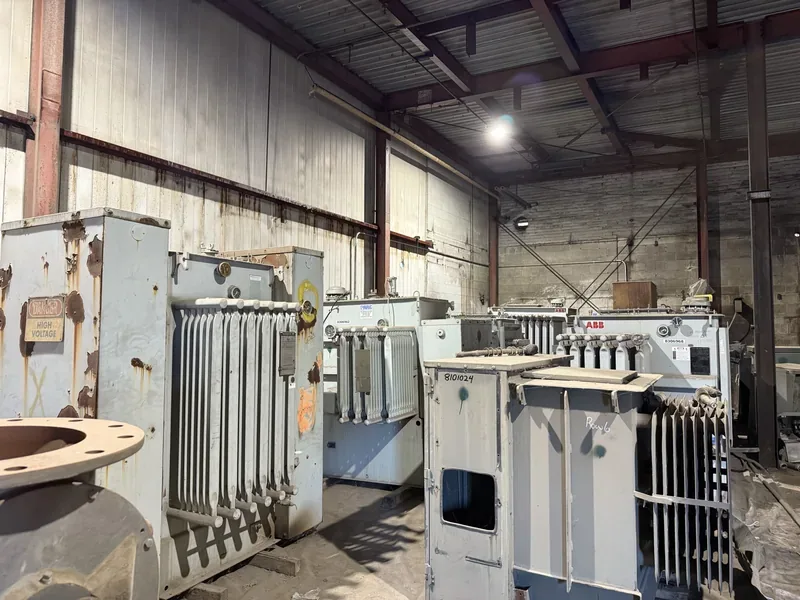
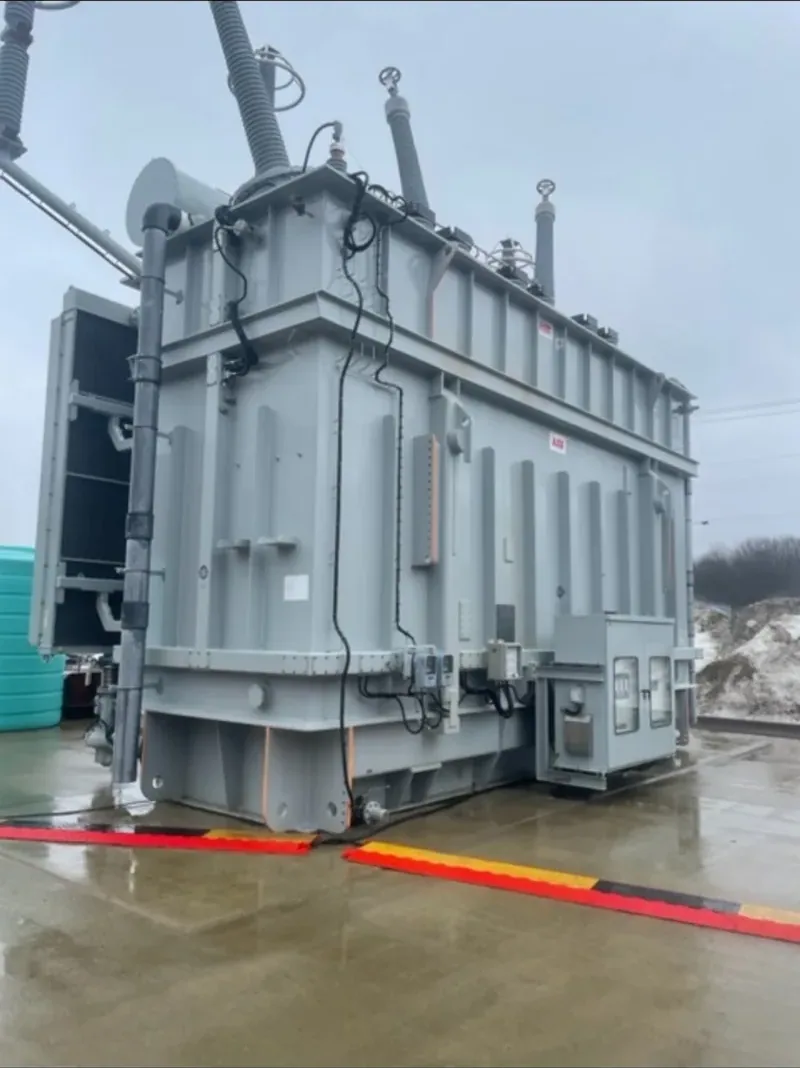
We purchase a broad range of transformer types that appear across Michigan’s infrastructure. That includes padmount and polemount distribution transformers commonly found on neighborhood feeders, substation power transformers at municipal and industrial sites, dry‑type units in manufacturing and commercial buildings, oil‑filled distribution and power transformers, step‑up and step‑down units used on substations, and associated switchgear and unit substations. If it’s tagged as a transformer or part of a station, we will evaluate it.
Condition does not rule you out. Working units that can pass electrical testing are priced and handled as equipment, and we recognize the residual market for sound units that can be redeployed. Failed or damaged transformers still hold measurable value for copper and aluminum windings, core steel and recoverable oil. Even heavily deteriorated tanks and frames are purchased as scrap when they are economically viable to remove and process.
We also buy control transformers and specialty industrial units used in automotive plants, paper mills and processing facilities. When you describe your inventory, include photos, nameplates and basic dimensions if available. That information helps us assess whether a unit will be treated as equipment or scrap and provides the basis for a prompt cash offer tailored to Michigan removal costs.
Cities
Metros we buy in across Michigan
Detroit, MI
When automotive plants, manufacturing facilities, and industrial contractors in southeastern…
Grand Rapids, MI
Industrial facilities and commercial properties across West Michigan rely on robust electrical…
How it works
How we value working, failed and scrap units
Valuation starts with a practical assessment of what buyers in the market can reuse and what recyclers will pay for metal content. For working units that meet electrical testing criteria we consider nameplate kVA, impedance, cooling class, condition of bushings and tanks, and whether the unit can be shipped safely. Those units are priced as equipment and reflect the opportunity for reuse in distribution or industrial systems.
Failed units are evaluated for their recoverable materials. Copper or aluminum windings, laminated steel cores and remaining transformer oil all contribute to a cash value even when electrical testing shows the unit cannot be returned to service. We inspect for oil contamination, winding exposure and tank integrity to determine the practical salvage value and estimate removal complexity, which affects the offer.
Scrap units that have been cut, drained or heavily corroded are priced on their metal content and the logistics required to collect them. In Michigan, proximity to ports, railheads and scrap processors influences the net value, so our assessments take transport routes and handling time into account. The result is a transparent cash offer that reflects both material worth and site work required to remove the equipment safely.
Logistics and payment
Logistics across Michigan — ports, highways and rigging
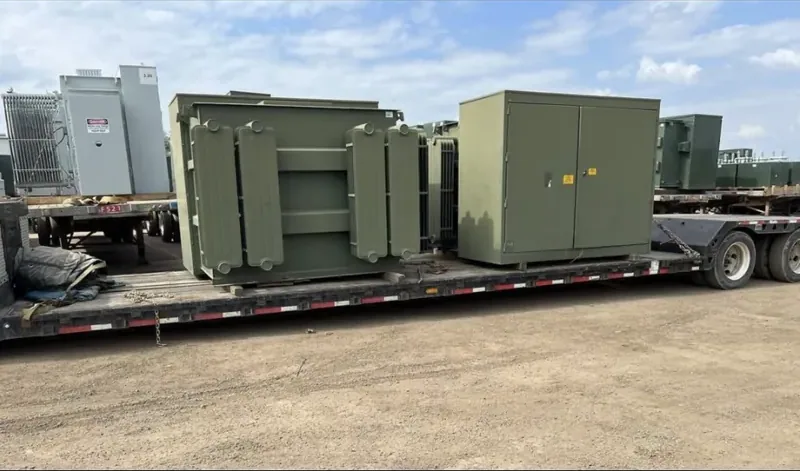
Michigan’s geography, bordered by four of the Great Lakes, gives it unique freight advantages and constraints. Major interstate corridors such as I‑75, I‑94 and I‑69 connect industrial centers like Detroit and Grand Rapids to manufacturing sites, ports and rail yards, while northern routes into the Upper Peninsula often require additional planning for heavy loads. We leverage local knowledge of state and municipal permitting, bridge clearances and staging areas to plan efficient pickups.
Ports along the Great Lakes, including facilities in Detroit, Port Huron and other lake ports, create options for onward shipment and processing. When large units require transshipment or when rail haul offers a cost advantage, we coordinate with port operators and rail partners to secure the right equipment and docking arrangements. That flexibility often reduces handling time and improves net recovery compared with one‑size‑fits‑all approaches.
Onsite rigging is coordinated with your team and follows industry safety practices. We work with certified rigging crews who know local site constraints and industrial operations, from automotive assembly plants to paper mills and municipal substations. Whether a unit needs crane pickup, skidding or forklift assistance, we include those requirements in our cash offer so you get a clear picture of the schedule and costs from the start.
Detail
Serving Michigan’s industrial heartland — automotive, mining and manufacturing
Michigan’s industrial base includes automotive assembly and parts production, heavy manufacturing, paper and pulp operations, and mining activity in the Upper Peninsula. Those industries rely on robust electrical infrastructure and periodically replace or retire transformers as part of maintenance, upgrades and plant expansions. This creates recurring opportunities for companies to convert idle or obsolete equipment into immediate cash instead of paying for long‑term storage or disposal.
Automotive facilities around Detroit, Lansing and southwest Michigan often use medium and large power transformers for plant substations and process equipment. Paper mills, chemical plants and steel operations have specialized dry‑type and oil‑filled units that may contain valuable metals. Mining operations and remote industrial sites present logistical challenges but also yield significant salvage value when units are collected efficiently and safely.
We understand the operational constraints of these employers and tailor our approach accordingly. That means scheduling around shifts, coordinating with site safety teams, and staging cranes or heavy haul where necessary. Our goal is to leave your site cleared and paid for, avoiding costly downtime and giving you cash for equipment that would otherwise be an asset underutilized or a liability.
Also worth knowing
Local compliance, environmental handling and oil management
Handling transformers in Michigan requires attention to environmental rules and safe oil management. Many transformers contain dielectric oils that need to be managed according to state and federal guidelines. We follow accepted practices for oil draining, containment and transport, and we work with licensed recycling partners to make sure oil and PCB concerns are handled properly when they arise. This reduces regulatory risk for your site and ensures the material is processed according to environmental standards.
When units are being removed, we document procedures that protect soil and stormwater systems and coordinate with your environmental staff if testing or permits are needed. This approach is particularly important for facilities near waterways or protected areas, and for older units where historical oils require careful sampling. Our offers reflect the work needed to meet those obligations so you can move forward with a clear budget and schedule.
We also maintain records of chain‑of‑custody for scrap metals and oil shipments, which can be provided to your compliance teams. That documentation helps you close out decommissioning projects and demonstrates proper handling of transformer materials, reducing the administrative burden on your staff while improving the transparency of the removal process.
Condition and testing
Fast cash offers and the sale process in Michigan
Getting a cash offer starts with a brief call or email describing your units, location and any available nameplate photos. From there we arrange a site visit or, in many cases, provide an accurate cash offer from photographs and documentation. Our offers consider on‑site conditions, rigging needs and local transport constraints so there are no hidden costs when pickup is scheduled.
Once you accept an offer, we coordinate pickup at a time that minimizes disruption to your operations. We handle heavy lifting, secure the proper permits, and arrange freight out of the facility. Payment terms are straightforward and prompt — we pay cash for the equipment we purchase, and the payment is arranged to align with the agreed pickup schedule.
Our process is designed for clarity: clear offers based on observable condition, detailed removal plans for your approval and execution by experienced crews. Whether you’re clearing a commercial property in Grand Rapids, decommissioning a substation in Detroit, or removing scrap from a remote plant, the process is built to be efficient and responsive to Michigan‑specific logistics.
Equipment
Transformers we buy in this state
Brands
Transformer brands we buy in Michigan
Nearby states we also buy in
Common questions
Questions sellers ask
Do you buy damaged or non‑functional transformers in Michigan?
Yes. We purchase both working and non‑functional units. Faulty or damaged transformers often retain significant value in their copper or aluminum windings, laminated steel cores and any recoverable oil. When you contact us, provide photos, nameplate data and a brief description of the damage or failure mode if known. That allows us to prepare a fair cash offer that factors in removal complexity and recycling value. We arrange safe removal and handle transport to licensed processors.
How do I get a cash offer for a transformer located in Detroit or Grand Rapids?
Start by calling or emailing with the unit’s location, nameplate photos and dimensions. For many units in urban areas like Detroit or Grand Rapids we can provide a preliminary cash offer from photographs and documentation. If needed, we follow with an onsite assessment to confirm rigging needs and access. Once you accept the offer, we schedule pickup and handle freight. Payment is arranged to coincide with removal so you receive cash as the equipment leaves your site.
Will you handle rigging, permits and freight in Michigan?
Yes. We coordinate the full removal logistics including certified rigging crews, necessary permits, and freight arrangements. Michigan’s routes and bridge restrictions can require special planning for oversized or overweight shipments, so we plan ahead to avoid delays. Our cash offers include an allowance for those services when they are required, and we provide a timeline so you know when crews will arrive and when payment will be made.
Do you buy switchgear and unit substations as well as transformers?
We buy related electrical infrastructure including switchgear, unit substations and ancillary equipment commonly found with transformers. These items often have reuse value or recyclable metal content, and we evaluate them alongside transformers when preparing your cash offer. Provide photographs, nameplates and any available documentation for an accurate assessment, and we will include them in the removal plan if you choose to proceed.
How quickly can you pick up and pay for the equipment?
Timing depends on location, access and rigging requirements. For straightforward pickups in accessible urban areas we can often schedule crews within days of an accepted offer. Remote or complex sites, especially in the Upper Peninsula or facilities requiring permits and confined‑space precautions, may take longer to schedule. Payment is coordinated with pickup; we arrange cash payment or electronic transfer at the time the equipment is removed from your site so you aren’t left waiting for funds.
Do you buy transformers anywhere in Michigan or only certain regions?
We buy transformers throughout Michigan, covering Detroit, Grand Rapids, Lansing, the Upper Peninsula and rural counties alike. Our logistics network and partner crews allow us to handle pickups across the state and to coordinate shipments through ports and rail when needed. When you reach out, tell us the exact location and we’ll factor travel time and access into a fair cash offer so the process is practical and transparent for your specific site.
Ready to move the unit?
If you have used, failed or scrap transformers anywhere in Michigan, Transformer Buyers will evaluate, offer cash, and manage pickup so your site is cleared without headaches. We work with facility managers, utility crews and plant safety teams to schedule rigging, handle oil and environmental concerns, and move units through Michigan’s ports, highways and rail networks efficiently. Call Moses Johnson for a fast cash offer or to arrange an on‑site visit at 954-740-1983, or email electricalequipmentbuyers@gmail.com.