
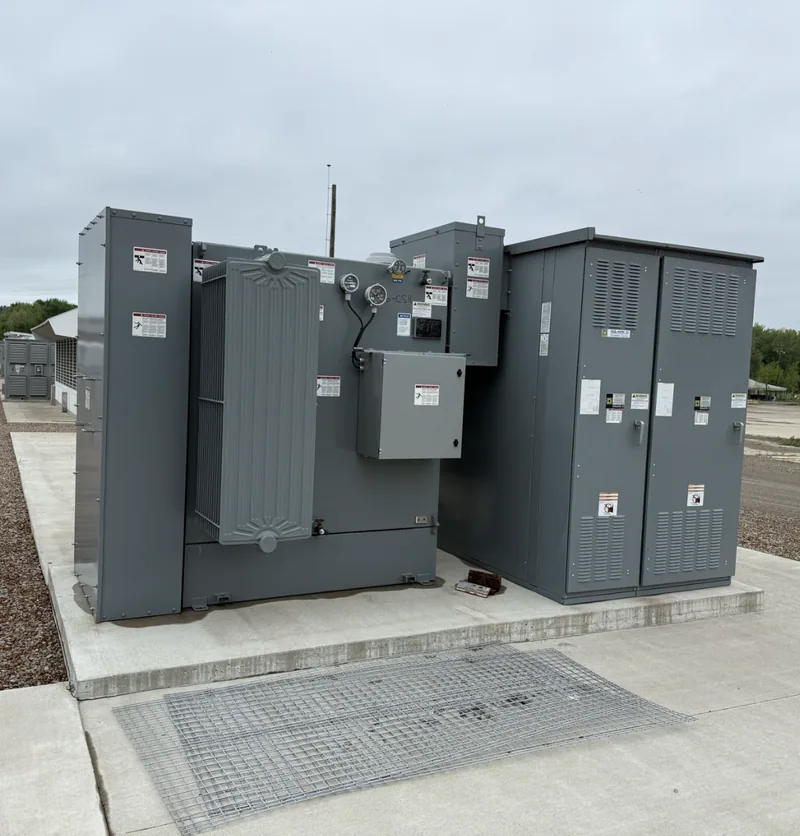
Overview
The goal is simple: identify what you have, place a fair value on it, arrange freight and rigging when needed, and pay you for equipment that might otherwise sit in storage or be treated as a disposal problem. This FAQ answers common questions from companies selling padmount, polemount, substation, dry-type, oil-filled, distribution, control, step-up, step-down, and industrial transformers. It also covers related equipment such as switchgear and unit substations. Whether the units are working, failed, de-energized, leaking, retired after an upgrade, or pulled from a demolition job, the starting point is the same: call or email the basic details and photos so the buying process can begin.
Why sell to us
What Transformersbuyers.com Does
Transformersbuyers.com buys electrical transformers and related electrical equipment from businesses across the United States. The company is not a retail outlet and is not asking you to purchase replacement gear. The service is built for companies that need to clear out equipment and want to recover value from assets that are idle, removed, failed, or no longer useful to their operation.
A transformer can still have strong value even when it no longer works. A clean, usable unit may be priced as equipment after review and testing, while a failed or obsolete unit may be valued for copper or aluminum windings, core steel, tank weight, oil condition, and freight cost. That distinction matters, because treating every transformer as simple scrap can leave money behind.
The company buys from many types of projects, including service upgrades, substation rebuilds, plant closures, storm replacement work, demolition jobs, surplus warehouse cleanouts, and maintenance yard removals. If you can provide photos, nameplate information, location, condition, and access details, Moses Johnson can begin reviewing the opportunity and explain the next step.
What we buy
How the Buying Process Usually Starts
The first conversation is practical. You do not need a polished inventory sheet to begin. Most sellers start by calling or emailing photos of the transformer, the nameplate, the bushings, the tank, and the surrounding access area. If the nameplate is readable, it can show the kVA, voltage, phase, impedance, fluid type, manufacturer, serial number, and other details that affect value.
Condition matters, but it does not have to be perfect. A transformer that was recently removed from service, a unit that failed testing, a padmount with cabinet damage, or an old dry-type transformer stored in a plant can all be reviewed. The more information you provide up front, the faster the buying decision can move.
Location and loading conditions are just as important as electrical specifications. A transformer sitting on a concrete pad with open truck access is a different project from a unit inside a basement, behind fencing, or in a tight industrial yard. The offer reflects both the equipment value and the real cost to remove it safely.
How it works
Pricing, Testing, and Real Equipment Value
Transformer pricing is not one flat number. Working or recently energized transformers that pass electrical review are often priced as equipment rather than by the pound. That can make a large difference, especially for common distribution sizes, clean padmount units, substation equipment, and industrial transformers with useful voltage ratings.
Failed transformers are still worth money because they contain recoverable materials. Copper windings, aluminum windings, laminated steel cores, tanks, radiators, and other metal content contribute to value. Oil-filled transformers also require careful handling, so oil condition, leaks, and paperwork can influence both pricing and logistics.
Testing may include review of past test reports, basic electrical condition, oil information, and visual condition. If your company has recent records, share them. If not, the transformer can still be evaluated from photos, nameplate information, removal history, and the reason it was taken out of service.
Logistics and payment
Pickup, Rigging, and Freight Coordination
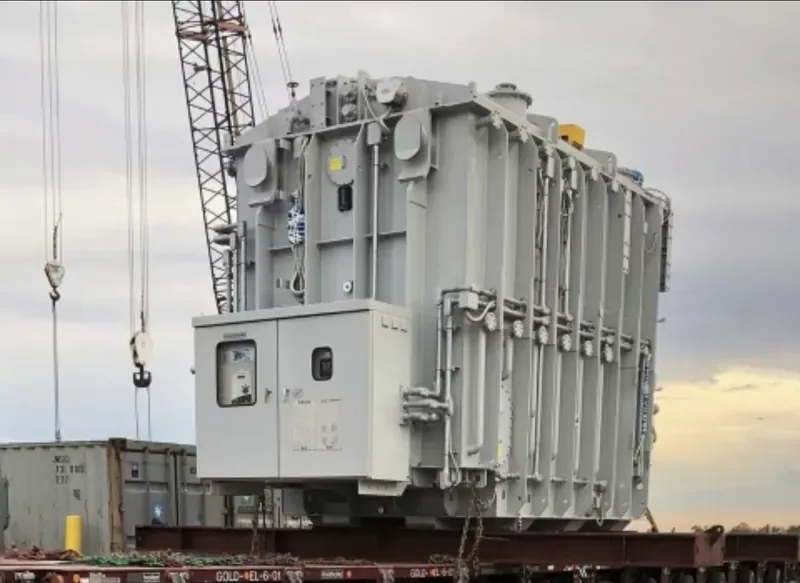
Many companies hesitate to deal with transformers because moving them can be difficult. Heavy electrical equipment may require forklifts, cranes, rollbacks, lowboys, permits, or coordinated site access. Transformersbuyers.com can handle freight and rigging planning so your team is not left trying to arrange specialized hauling on its own.
The pickup plan depends on the jobsite. For a padmount transformer, the project may involve lifting from a pad and loading onto a truck. For a substation transformer, the job may involve heavier equipment, more planning, and coordination around clearance, ground conditions, and removal route. For indoor dry-type units, doorway width, dock access, stairs, and plant safety rules can all affect the plan.
Good logistics protect the value of the transaction. If removal costs are low, more value can often be paid to the owner. If access is difficult, the offer needs to account for that. Clear photos and honest access details help avoid delays and make pickup smoother.
Detail
Environmental and Site Responsibility
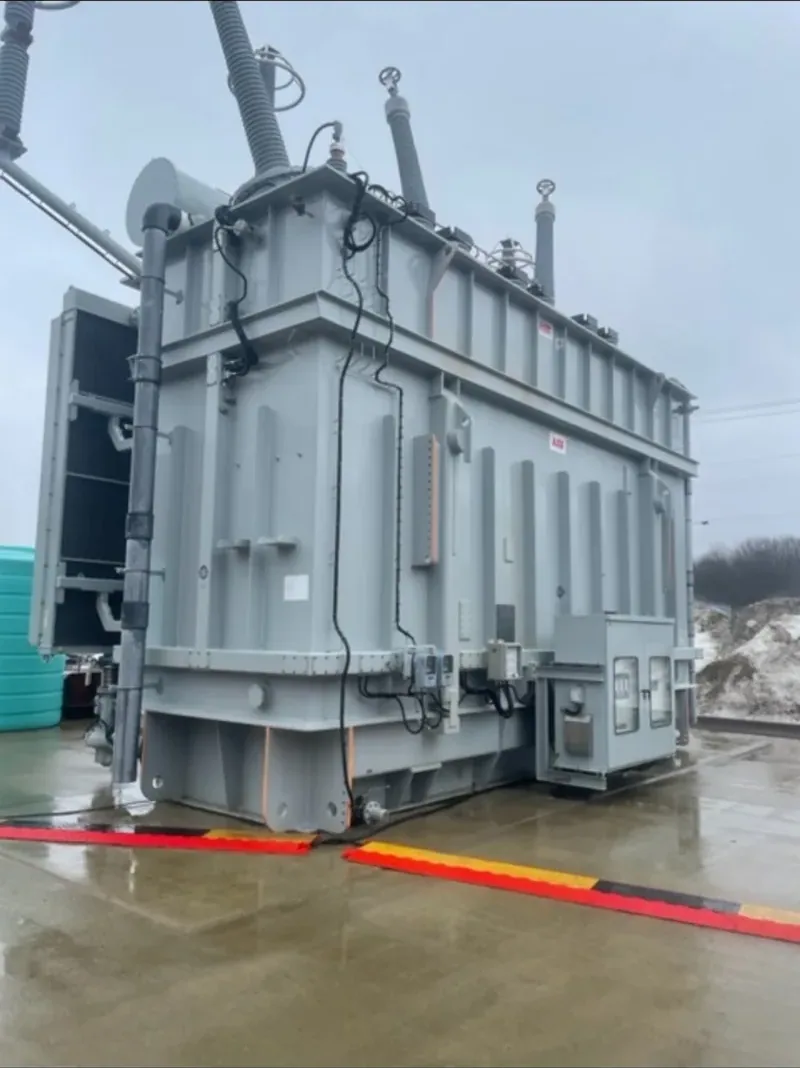
Oil-filled transformers deserve special attention. Sellers often ask about leaks, old oil, labeling, and environmental handling before they release equipment. Those questions are reasonable. A responsible transformer purchase should account for containment, safe loading, transport planning, and the condition of the tank before the truck arrives.
If your transformer has oil, provide any information you have about fluid type, PCB status, prior sampling, leaks, or maintenance history. If you do not have that information, say so. Older oil-filled equipment can still be purchased, but the unknowns need to be discussed clearly before pickup is scheduled.
Transformersbuyers.com focuses on practical, responsible removal. That means asking the right questions before arrival, planning for equipment weight and oil condition, and making sure the unit is handled in a way that respects your site rules. If your facility requires sign-in procedures, insurance coordination, loading windows, or safety orientation, share those requirements early.
Also worth knowing
Who Typically Sells Transformers
The company buys from a wide range of business sellers. Electrical contractors call after upgrades. Demolition contractors call when a building has de-energized gear that must be removed. Industrial facilities call when old transformers have been stored for years and the maintenance department wants the floor space back.
Utilities, plants, commercial property owners, renewable energy contractors, and scrap operations may also have equipment that deserves a closer look. A failed transformer pulled from emergency replacement work may be worth more than ordinary scrap. A surplus transformer sitting in a yard after a project cancellation may still have strong equipment value.
The common thread is that the owner wants a straightforward exit. They want someone who understands electrical equipment, can discuss value intelligently, and can arrange transportation. That is exactly the role transformersbuyers.com is built to fill.
Condition and testing
What to Send Before You Ask for an Offer
A good offer starts with clear information. Send photos from several angles, including the entire unit, the nameplate, any visible damage, bushings, cabinet or enclosure, radiator fins, gauges, and the area where the unit sits. If it is oil-filled, mention whether there are visible leaks or stains. If it is energized, removed, failed, or sitting in storage, state that clearly.
Include the site location, loading access, approximate quantity, and any deadline. If the unit is part of a larger project, explain whether other equipment is available, such as switchgear, breakers, bus duct, unit substations, or related electrical gear. Bundling equipment can sometimes improve pickup efficiency.
You do not need to know every technical detail. Nameplate photos and basic site information often answer many of the important questions. If something is unclear, Moses Johnson can ask follow-up questions and guide you through what is needed to move toward a cash offer.
Where to go next
Common questions
Questions sellers ask
Do you buy transformers that do not work?
Yes. Failed transformers can still be valuable because of the copper or aluminum windings, core steel, tank, radiators, and other recoverable materials. The reason for failure matters, but it usually does not prevent review. A burned, shorted, storm-damaged, or failed-test transformer may be priced differently from a clean working unit, yet it may still be worth real money. Send photos, nameplate information, location, and condition details so the equipment can be evaluated.
How do you decide what my transformer is worth?
Value depends on several factors, including kVA, voltage, phase, manufacturer, age, condition, oil status, test history, weight, metal content, location, and removal cost. Working units that can be tested and placed back into use are often priced as equipment rather than scrap. Failed or obsolete units are evaluated for recoverable material value and freight cost. A clear nameplate photo and site access photos help produce a more accurate cash offer.
Do you pick up transformers from my site?
Yes. Pickup can be coordinated for many types of sites, including plants, substations, demolition projects, warehouses, yards, and commercial properties. The plan depends on the weight of the equipment, how it is positioned, whether it is indoors or outdoors, and what loading equipment is available. In many cases, freight and rigging can be arranged as part of the purchase. Send location and access details so the removal plan can be reviewed.
Can you buy oil-filled transformers?
Yes, oil-filled transformers are commonly reviewed and purchased. The process requires more information than a dry-type unit because oil condition, leaks, fluid type, and any available PCB or maintenance records can affect handling and value. If you have oil test reports or prior sampling records, provide them. If you do not, the unit can still be discussed. Photos of gauges, valves, tank condition, stains, and labels are helpful.
What if the transformer is still energized?
Transformersbuyers.com buys equipment, but energized electrical work must be handled safely by qualified personnel under your site rules. If a unit is still in service, discuss the planned outage, disconnect schedule, and removal timeline before expecting pickup. The buying review can begin while the transformer is still energized, using photos, nameplate details, and project information. Final removal should only happen after the equipment is properly de-energized and released.
Do you buy single transformers or only large lots?
Both single units and larger lots can be reviewed. One padmount transformer from a service upgrade may be worth discussing, and so can a yard full of surplus utility units or a complete plant electrical cleanout. Quantity can affect logistics because trucking, crane time, and loading efficiency matter. If you have multiple units, send photos and nameplate details for each one when possible, along with the pickup location and deadline.
How fast can you make payment?
Payment timing depends on the equipment, agreed purchase terms, pickup plan, and verification details. Many sellers want payment tied to pickup, loading, or release of equipment, and that can be discussed before scheduling. Available methods may include company check, wire, or another agreed business payment method. The important point is to settle payment terms clearly before the truck is dispatched so both sides know what to expect.
Do you buy switchgear and unit substations too?
Yes. In addition to transformers, the company reviews switchgear, unit substations, breakers, and related industrial electrical equipment. These items often appear together during plant closures, service upgrades, and demolition jobs. Photos of lineup sections, labels, breaker types, voltage, amp ratings, and condition help with valuation. If the equipment is connected to a transformer package, mention that, because combined removal may improve planning and freight efficiency.
Do you buy transformers nationwide?
Yes, transformer purchases can be reviewed nationwide, including projects in all 50 states. Distance matters because freight cost is part of the offer, but location alone does not rule out a purchase. Large equipment, higher-value units, multiple transformers, or combined electrical packages may make long-distance pickup practical. When you call or email, include the city, state, site type, and loading conditions so freight can be considered accurately.
What information should I have ready before I call?
Helpful information includes photos, nameplate data, kVA, voltage, phase, condition, whether the unit is dry-type or oil-filled, and whether it is working, failed, removed, or still installed. Also provide the pickup address or city, loading access, deadline, and any site requirements. If you have test reports or oil paperwork, include them. If not, photos and basic answers are still enough to start the conversation.
Can you remove transformers from a demolition project?
Yes. Demolition projects are a common source of used and scrap transformers. The best time to call is before the equipment is cut up, damaged, or buried behind debris, because intact units are easier to identify, value, and move. Provide project timing, site access, whether power has been disconnected, and photos of the transformer and surrounding area. Related electrical equipment may also be reviewed as part of the job.
Ready to move the unit?
If you have transformers taking up space, waiting for removal, or creating questions during a project, do not assume they are just a disposal burden. Working, failed, surplus, and scrap units can all have value when reviewed by a buyer who understands electrical equipment and logistics. Gather photos, nameplate details, condition notes, and site access information, then reach out to Moses Johnson for a direct conversation about a cash offer, pickup, rigging, freight, and payment. Call or email 954-740-1983 and electricalequipmentbuyers@gmail.com