
Overview
Moses Johnson and the team at TransformersBuyers focus on purchases only — we buy working, failed and scrap units, offer a straightforward cash offer, and manage pickup and transportation nationwide. Use the steps below to reduce delays, avoid compliance issues, and get fair payment for cores, windings, oil and structural components.
Why sell to us
Plan the decommissioning and assign responsibilities
Begin by naming a single point of contact who will coordinate internal teams, contractors and the buyer. That person should gather key documents, authorize site access, and confirm the electrical and mechanical crews who will do the disconnection work. Early planning reduces downtime and keeps safety procedures consistent across the job.
Decide whether units will be removed immediately or staged on-site until pickup. Communicate dates and access windows with your buyer so the rigging crew can arrive prepared. If you plan to sell multiple units, grouping them for a single pickup can simplify logistics and reduce handling time.
What we buy
Document, photograph and tag each transformer
Accurate records are the foundation of a smooth sale. Photograph nameplates, rating plates, serial numbers, connection points and any external damage. Note the make, model, kVA, primary and secondary voltages, phase, cooling type and mounting style so the buyer can confirm fit and value.
Tag units with a unique inventory number and record whether the unit is operational, failed, partially disassembled or scrap. Clear documentation speeds the inspection process and helps the buyer prepare proper freight and rigging equipment before arrival.
How it works
Isolate electrical systems and verify lockout
Before any physical work begins, ensure all supplies feeding the transformer are de-energized and locked out according to your site procedures. Coordinate with your electrical safety officer to verify isolation and to de-energize related switchgear or circuits. A written lockout/tagout record assigned to the job reduces risk and demonstrates safe practice to the buyer’s crew.
If the unit will be tested before removal, schedule those tests while power is safely available. For units being removed without testing, note the last known operating status on the inventory sheet so the buyer can assess value for windings and core separately from operating equipment.
Logistics and payment
Drain, sample and handle fluids responsibly
If the transformer contains insulating oil, drain it into suitable containers and label each sample with unit ID and date. Sample the oil for basic contaminants if required by your environmental office or the buyer. Proper sampling and storage prevent cross-contamination and allow environmental or buyer testing when necessary.
When oil is contaminated, or if PCBs are suspected, segregate the fluid and notify the buyer ahead of pickup. Buyers who purchase scrap or failed units commonly coordinate with licensed waste handlers for disposal, but early notice lets you align approvals and permits before scheduling removal.
Detail
Prepare physical access and rigging points
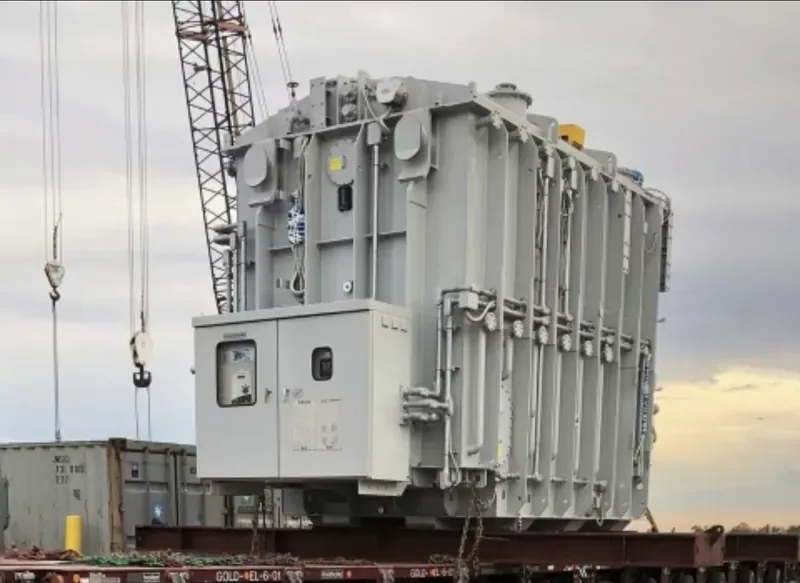
Confirm that transfer routes from the transformer to the loading area can support the weight and dimensions of the unit and the rigging equipment. Remove obstacles, protect floors and mark overhead clearances. If outdoor removal is necessary, verify ground conditions and place load-support mats if needed to protect surfaces during crane or forklift operations.
Label lifting lugs and make sure any detachable pieces are secured or removed and inventoried. Where structural modification is necessary, complete work before the buyer’s crew arrives so removal is efficient and safe.
Also worth knowing
Separate reusable components from scrap
If you plan to sell parts or keep control panels, separate and document those components before the pickup. Many buyers purchase complete units and value intact control cubicles and accessories, while cores and windings retain value even in failed units. Separating components early prevents confusion during inspection and allows the buyer to provide a precise cash offer.
Be transparent about prior repairs, retrofit kits or removed accessories so the buyer can adjust handling and valuation. Clear separation of reusable items preserves your options and simplifies payment calculations.
Condition and testing
Negotiate the offer, schedule pickup and complete removal
When you present the documented condition and photos, the buyer will issue a cash offer that reflects whether a unit is operational, failed, or sold as scrap for its materials. Accepting an offer typically leads to scheduling a pickup window and confirming arrival logistics, insurance and access requirements. A straightforward, documented agreement protects both parties during removal.
On the day of removal, have an on-site representative ready to sign transfer documents, confirm unit IDs and hand over access. The buyer’s rigging team will handle lifting and loading; you should retain copies of the inventory and transfer receipts for your records.
Common questions
Questions sellers ask
What types of transformers and related equipment do you buy?
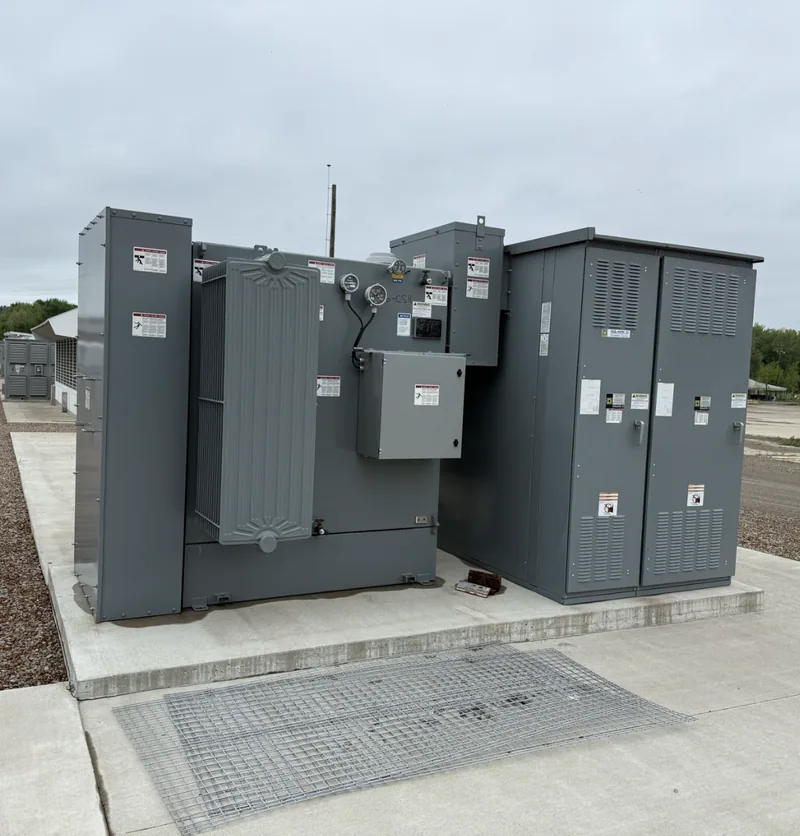
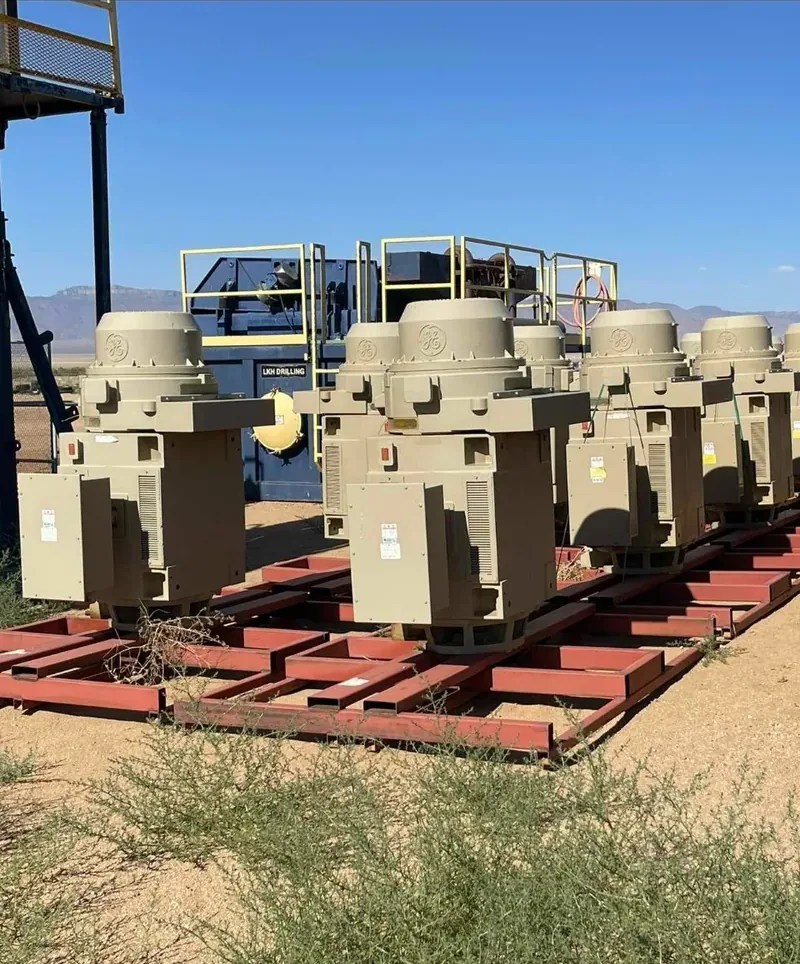
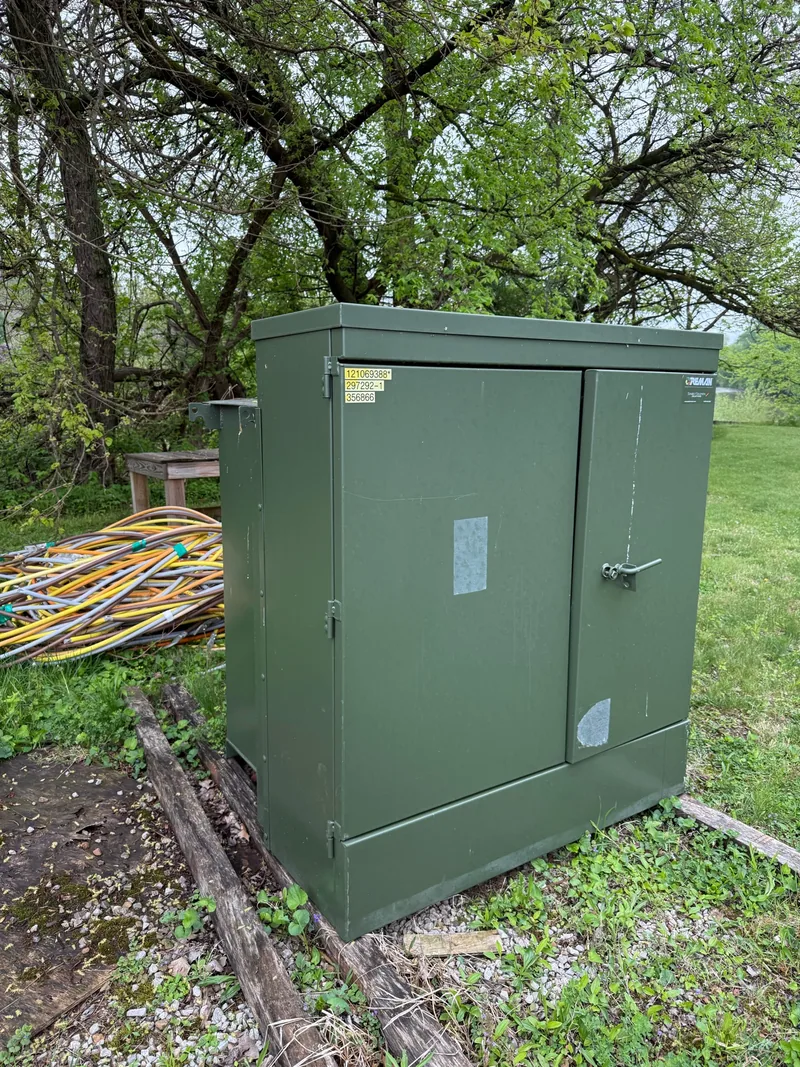
We buy a broad range of transformers and substation equipment: padmount, polemount, distribution, substation units, dry-type and oil-filled transformers, step-up and step-down units, control transformers, industrial units, switchgear and unit substations. We accept working units, failed units, and scrap that will be valued for windings, core steel and oil. Tell us the make, kVA and mounting style and provide photos for a faster response.
How do I get a cash offer for my transformer?
Provide clear photos of nameplates, overall condition, serials and any external damage, along with basic specs such as kVA, voltage and cooling type. We review the information and return a straightforward cash offer reflecting whether the unit is operational, failed, or being purchased for scrap materials. If needed, we can arrange an onsite inspection before finalizing the offer.
Do you handle pickup, freight and rigging or do I need to arrange it?
We handle pickup, freight and rigging as part of the purchase process. Once an offer is accepted we coordinate the arrival of the rigging and transport crew and confirm access, lifting requirements and scheduling. To avoid delays, please clear a path, identify lifting points and ensure an on-site contact is available during removal.
What paperwork is required before pickup?
Typical paperwork includes proof of ownership or authority to sell, a signed bill of sale or transfer form, and any environmental declarations about oil condition or known contaminants. If a unit has been decommissioned due to contamination, provide those records. We will outline necessary documents during the offer stage so you can assemble them before the scheduled removal.
How is oil and contaminated fluid handled during decommissioning?
Drainage, sampling and temporary containment should follow your environmental and site procedures. For units with contaminated oil or suspected PCBs, segregate fluids, document the condition, and notify the buyer in advance. Buyers coordinate with licensed handlers for disposal when necessary, but early communication ensures you meet regulatory requirements and prevents unexpected delays on the day of removal.
How quickly can TransformersBuyers remove my equipment?
Timing depends on location, unit condition and access. After you accept a cash offer and provide required documentation, we schedule pickup windows and coordinate rigging crews. Simple urban removals can often be arranged within days, while jobs requiring permits, special lifting equipment, or scheduling with third-party waste handlers may take longer. Clear documentation and open access usually speed the process.
Ready to move the unit?
If you are preparing to remove one transformer or an entire site, following this checklist will reduce surprises and protect your timeline. Moses Johnson and the team at TransformersBuyers will provide a clear cash offer, coordinate pickup and manage freight and rigging across all 50 states. Call us to discuss your units and schedule an inspection: 954-740-1983 and electricalequipmentbuyers@gmail.com