
Overview
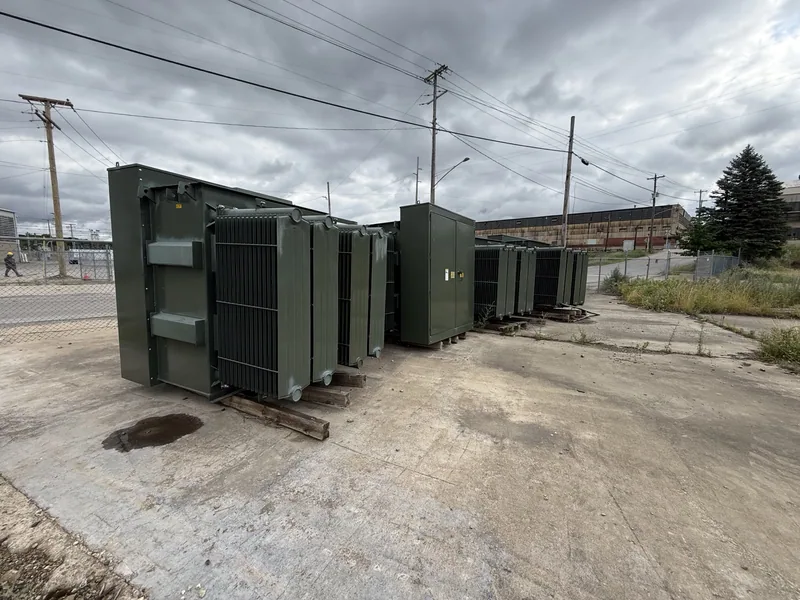
This engineering approach relies on loadbreak or deadbreak elbows, bushing wells, and inserts to create a fully insulated and grounded surface. When a technician opens the primary compartment, there are no exposed energized parts, significantly reducing the risk of accidental contact. The adoption of dead-front designs has become the standard for modern underground distribution systems, particularly in commercial and residential padmount applications. Utility companies and private facility managers prefer this configuration because it allows for safer switching operations and routine maintenance. When facility upgrades or plant closures leave you with surplus units, knowing the technical specifications of your dead-front transformers helps determine their exact worth in the secondary market.
Why sell to us
The Physics and Insulation Mechanics of Shielded Connections
The core principle of a dead-front transformer lies in its ability to contain the electrical field within a grounded shield. This is achieved through molded rubber components, typically made from EPDM rubber. These include the bushing well, welded to the transformer tank, and the bushing insert, which threads into the well. The high-voltage cable is terminated with an elbow connector that mates with the insert. The outer layer of these rubber components is conductive and connected to the system ground, ensuring the exterior surface remains at zero potential.
This shielding mechanism is critical for managing electrical stress. In a traditional live-front setup, air acts as the primary insulator, requiring significant clearance distances between phases and from phase to ground. By encapsulating the connection in a high-dielectric-strength material and providing a grounded outer shield, dead-front designs eliminate the need for large air gaps. This allows for a much more compact cabinet design, a primary reason why dead-front padmount transformers are preferred in space-constrained environments.
What we buy
Loadbreak Versus Deadbreak Elbow Configurations
Within the category of dead-front connections, there is a critical distinction between loadbreak and deadbreak systems. Loadbreak elbows, typically rated for 200 amps, are designed to be connected or disconnected while the circuit is energized and under load. They incorporate an arc-snuffing material and a specialized contact design that safely extinguishes the arc drawn during separation. This capability allows utility personnel to isolate sections of a distribution loop or de-energize a specific transformer without dropping power to the entire feeder.
Deadbreak elbows are usually rated for higher currents, such as 600 amps, and cannot be operated while energized. As the name implies, the circuit must be completely de-energized before these connections can be broken. Deadbreak systems are typically found on larger transformers or at critical junction points where the higher current capacity is required. They often feature a bolted connection rather than the push-on friction fit of a loadbreak elbow, providing a more secure mechanical joint for heavy cables.
How it works
Standard Voltage Ranges and Application Environments
Dead-front transformers are predominantly utilized in medium-voltage distribution networks, with primary voltage ratings typically ranging from 4,160 volts up to 34,500 volts. The most common applications are found in the 12,470-volt and 13,200-volt classes, which form the backbone of many commercial and residential underground distribution systems. The insulation thickness and physical size of the dead-front components scale with the voltage class, ensuring adequate dielectric strength to prevent flashovers.
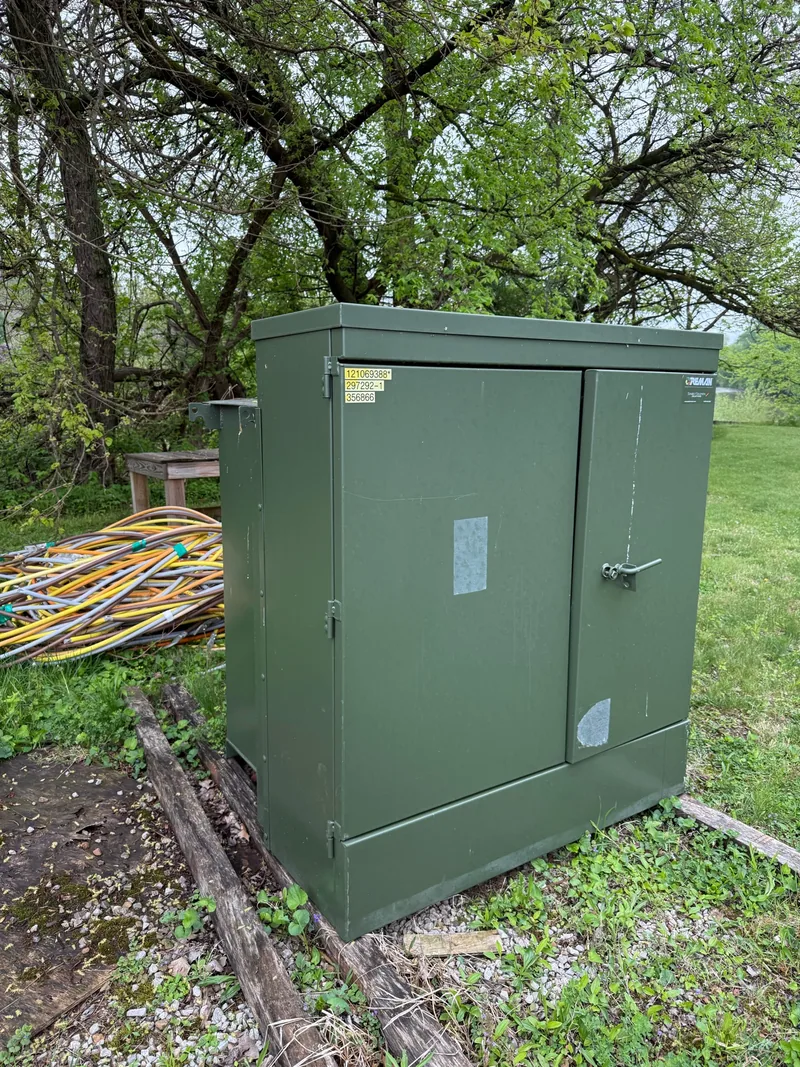
These units are the standard choice for pad-mounted applications where equipment is accessible to the public. Because primary connections are fully insulated and grounded, the risk of electrocution to unauthorized individuals who might tamper with the cabinet is virtually eliminated. This makes dead-front transformers ideal for installation near schools, shopping centers, residential neighborhoods, and office parks. In industrial settings, dead-front transformers are often deployed to step down voltage for large facilities or specific manufacturing processes, chosen for their compact footprint and ease of integration into underground cable networks.
Logistics and payment
How Primary Compartment Layout Affects Resale Value
The physical arrangement of the primary bushings in a dead-front transformer plays a significant role in its resale value. The two primary configurations are radial feed and loop feed. A radial feed unit has a single set of primary bushings, meaning it is situated at the end of a distribution line. A loop feed unit features two sets of primary bushings, allowing the high-voltage cable to enter the transformer and continue on to the next unit in the loop.
Because loop feed designs are more versatile and widely used in modern utility networks, dead-front transformers with this configuration generally command higher cash offers. A surplus loop feed padmount unit is easier to match with a buyer who needs to replace a failed transformer in an existing loop. Radial feed units, while still valuable, have a narrower range of applications and may take longer to place, which can slightly depress their secondary market value.
Detail
Common Misinterpretations of Dead-Front Specifications
A frequent point of confusion among facility managers and electrical contractors is the assumption that a dead-front transformer requires no special safety precautions once the cabinet is open. While it is true that there are no exposed live parts under normal conditions, the cables and elbows are still energized. Proper personal protective equipment and specialized tools, such as hot sticks, are absolutely necessary when operating loadbreak elbows. The term dead-front refers to the lack of exposed conductors, not the absence of electrical hazard.
Another common misunderstanding involves the interchangeability of components. Not all 200-amp loadbreak elbows are compatible with all bushing inserts, even if they appear similar. Different manufacturers may have slight variations in the interface dimensions, and mixing incompatible components can lead to partial discharge and eventual failure. When preparing a transformer for removal, it is important to document the specific make and model of the bushing wells and inserts.
Also worth knowing
Preparing Your Surplus Dead-Front Units for Evaluation
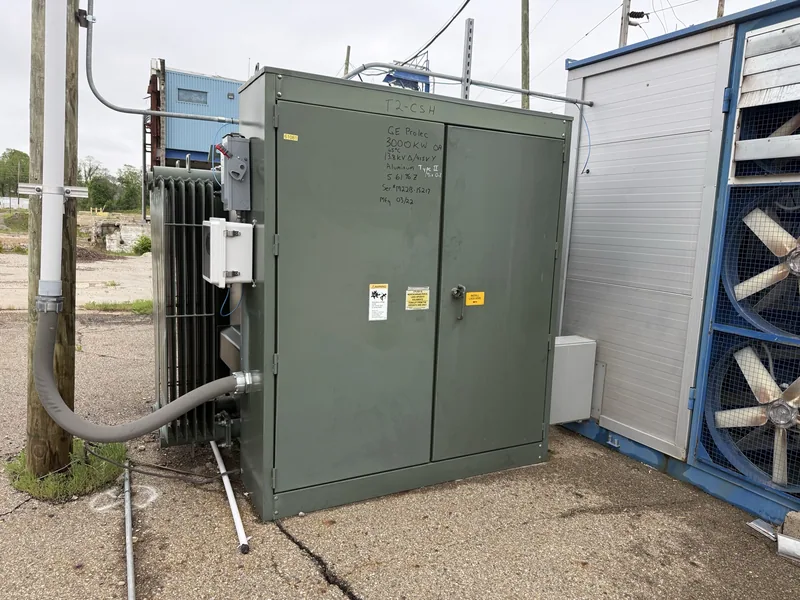
When you have surplus or failed dead-front transformers resulting from a plant upgrade or demolition project, gathering accurate technical details is the first step toward securing a cash offer. Start by photographing the nameplate, which contains the kVA rating, primary and secondary voltages, impedance, and manufacturing date. Next, open the cabinet and take clear pictures of the primary compartment. These images allow buyers to verify whether the unit is radial or loop feed and to assess the condition of the bushing wells and inserts.
It is also important to note the presence of any additional features within the dead-front compartment, such as bayonet fuses, dry-well current-limiting fuses, or tap changer switches. These components add functionality and can increase the value of the unit. Once you have compiled this information, reach out to a specialized buyer who understands the nuances of dead-front equipment. A reputable buyer will analyze the specifications, present a cash offer, and handle all the logistics, including heavy rigging, freight, and environmental compliance.
Related terms
Common questions
Questions sellers ask
What specific details are required to evaluate a dead-front padmount unit?
To provide an accurate cash offer, we need clear photos of the manufacturer nameplate, which shows the kVA, voltage ratings, and impedance. Additionally, we require pictures of the primary compartment to confirm whether it is a radial or loop feed configuration and to assess the condition of the bushing wells. Noting any included fusing or switches also helps determine the exact value of the equipment.
Does a loop feed configuration increase the cash offer for my equipment?
Yes, a loop feed configuration generally increases the value of a dead-front transformer. Loop feed units feature two sets of primary bushings, making them highly versatile and suitable for modern underground distribution networks. Because they are in higher demand for replacing failed units in existing loops, they typically command stronger cash offers compared to radial feed models. A radial feed unit is still valuable, but its limited application at the end of a line means it may take longer to place with a new user.
Can I get a cash offer for a dead-front transformer with damaged bushing wells?
Absolutely. Even if the primary bushing wells are cracked, contaminated, or otherwise damaged, the transformer still holds substantial value. If the internal coils and core are intact, the unit can be refurbished by replacing the damaged external components. If the unit has suffered a catastrophic internal failure, we still purchase it for the intrinsic value of the copper or aluminum windings, electrical steel, and insulating oil. We buy units in all conditions.
How do you manage the removal of heavy padmount transformers from tight spaces?
We take responsibility for the entire removal process, including complex rigging and freight. Whether your dead-front transformer is located in a crowded industrial yard, behind a commercial building, or in a restricted-access substation, our logistics team coordinates the necessary cranes, heavy-duty forklifts, and specialized flatbed transport to safely extract the equipment from your site. You do not need to worry about hiring separate contractors to move the heavy equipment.
Are 600-amp deadbreak units valued differently than 200-amp loadbreak models?
Yes, the type of primary connection impacts the valuation. While 200-amp loadbreak units are extremely common in standard commercial applications, 600-amp deadbreak units are required for higher-current industrial and critical infrastructure setups. The specific demand for each type fluctuates based on current market needs, but both configurations are highly sought after. We provide competitive cash offers for both styles, evaluating each unit based on its specific voltage class and overall condition.
Ready to move the unit?
Understanding the technical specifications of your dead-front transformers ensures you receive the maximum return for your surplus assets. Whether you are clearing out a storage yard, upgrading a commercial facility, or decommissioning an industrial plant, we provide competitive cash offers for all configurations, including radial feed, loop feed, loadbreak, and deadbreak models. We purchase working units, failed equipment, and scrap transformers, handling all heavy rigging, freight logistics, and environmental compliance on your behalf. Do not let valuable electrical assets sit idle and depreciate. To get your equipment evaluated and arrange for immediate removal, call or email our team today. Phone 954-740-1983. Email electricalequipmentbuyers@gmail.com.